The first four studies in this volume by Jean-Claude Cheynet, specially translated from French for publication here, present a broad-ranging analysis of the Byzantine aristocracy of the 8th-12th centuries.
This selection of articles, published for the 50th anniversary of the author's doctorate at GA ttingen, opens with studies on his teacher, Percy Ernst Schramm, and his contribution to the study of the medieval state and continues with examples of state symbology from Central Europe.
To complement his first collection of articles (Rome's Fall and After, 1989), Walter Goffart presents here a further set of essays, all but two published between 1988 and 2007.
The sixteen articles in this collection analyse the contribution made by overseas trade, and the wealth in coin which it created, to the development of the English economy and locate this in an European-wide setting.
To complement his first collection of articles (Rome's Fall and After, 1989), Walter Goffart presents here a further set of essays, all but two published between 1988 and 2007.
Trade, shipping, military conquest, migration and settlement in the eastern Mediterranean of the 10th-15th centuries generated multiple encounters between states, social and 'national' groups, and individuals belonging to Latin Christianity, Byzantium and the Islamic world.
The first four studies in this volume by Jean-Claude Cheynet, specially translated from French for publication here, present a broad-ranging analysis of the Byzantine aristocracy of the 8th-12th centuries.
England's economy between 1050 and 1550 mirrored that of much of continental Europe in its growing dependence upon trade over both short distances and long.
Trade, shipping, military conquest, migration and settlement in the eastern Mediterranean of the 10th-15th centuries generated multiple encounters between states, social and 'national' groups, and individuals belonging to Latin Christianity, Byzantium and the Islamic world.
England's economy between 1050 and 1550 mirrored that of much of continental Europe in its growing dependence upon trade over both short distances and long.
Ross Dunn here recounts the great traveler's remarkable career, interpreting it within the cultural and social context of Islamic society and giving the reader both a biography of an extraordinary personality and a study of the hemispheric dimensions of human interchange in medieval times.
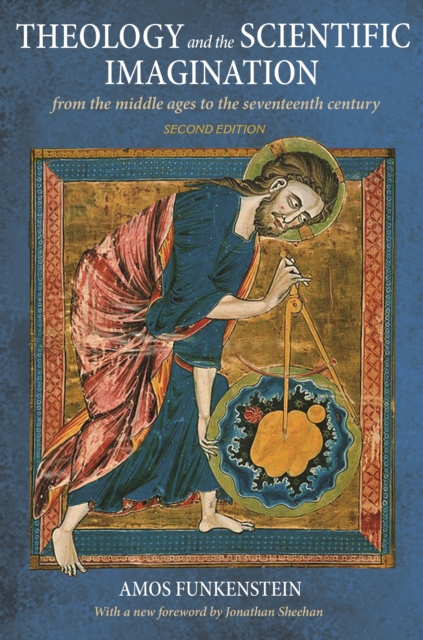
Theology and the Scientific Imagination is a pioneering work of intellectual history that transformed our understanding of the relationship between Christian theology and the development of science.
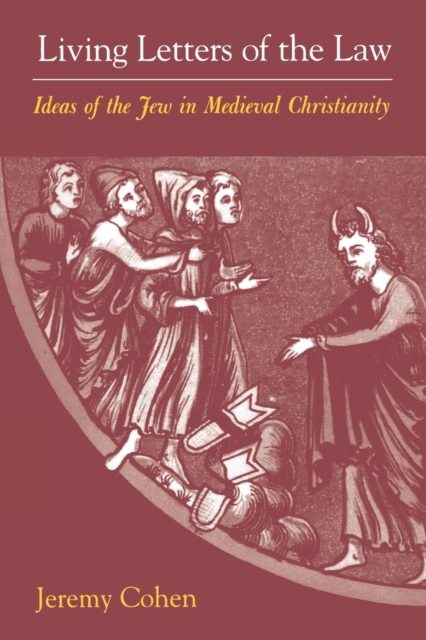
In Living Letters of the Law, Jeremy Cohen investigates the images of Jews and Judaism in the works of medieval Christian theologians from Augustine to Thomas Aquinas.
Roger Collins deals here with the history of Spain, specifically Christian Spain, in the period from the 6th to the 10th century - from the Visigoths, through the time of the Arab conquests, up to the end of the era of Carolingian dominance across the Pyrenees.
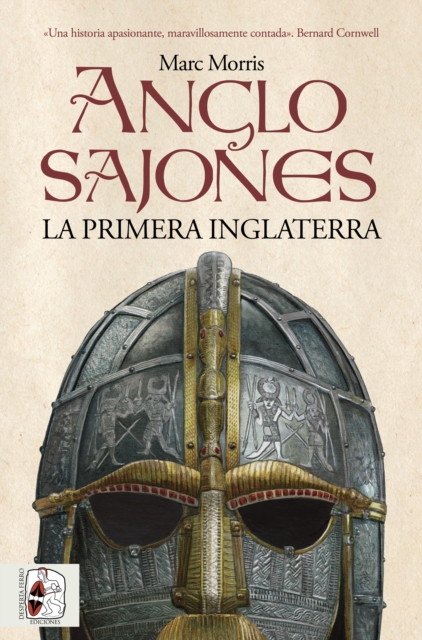
A comienzos del siglo quinto de nuestra era, un acosado y exhausto Imperio romano abandonó Britania a su suerte, y la isla se precipitó en el caos y la ruina, asaltada por invasores venidos del otro lado del mar que se establecieron como nuevos amos.
Conservative thinkers of the early Middle Ages conceived of sensual gratification as a demonic snare contrived to debase the higher faculties of humanity, and they identified pagan writing as one of the primary conduits of decadence.
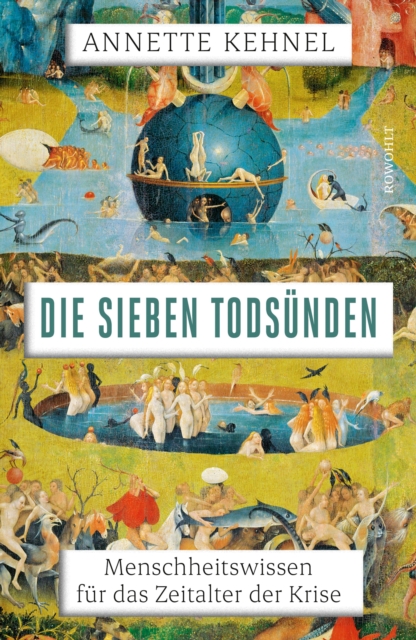
Altes, wiederentdecktes Menschheitswissen – das uns neue Orientierung gibtWir leben im Zeitalter der Krise – und haben doch kaum eine Vorstellung davon, wie wir dem Imperativ des «Immer mehr» entkommen können.
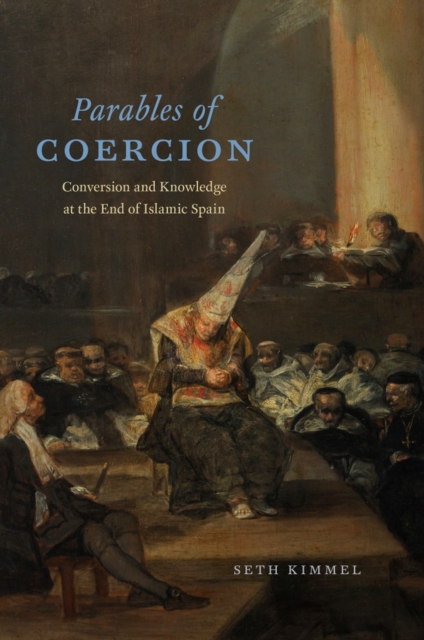
In the sixteenth and seventeenth centuries, competing scholarly communities sought to define a Spain that was, at least officially, entirely Christian, even if many suspected that newer converts from Islam and Judaism were Christian in name only.
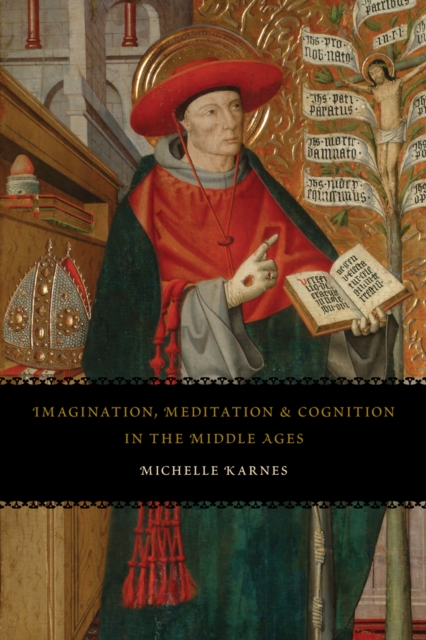
In Imagination, Meditation, and Cognition in the Middle Ages, Michelle Karnes revises the history of medieval imagination with a detailed analysis of its role in the period's meditations and theories of cognition.
People in the Middle Ages had chantry chapels, mortuary rolls, the daily observance of the Office of the Dead, and even purgatory-but they were still unable to talk about death.
To read accounts of late medieval banquets is to enter a fantastical world where live lions guard nude statues, gilded stags burst into song, and musicians play from within pies.
If the vibrancy on display in Thinking in the Past Tense is any indication, the study of intellectual history is enjoying an unusually fertile period in both Europe and North America.
A historian of medieval art and architecture with a rich appreciation of literary studies, Stephen Murray brings all those fields to bear on a new approach to understanding the great Gothic churches of the twelfth and thirteenth centuries.
This "e;elegant and engaging"e; biography dramatically reinterprets the life and reign of the sixteenth-century Holy Roman Emperor: "e;a masterpiece"e; (Susannah Lipscomb, Financial Times).
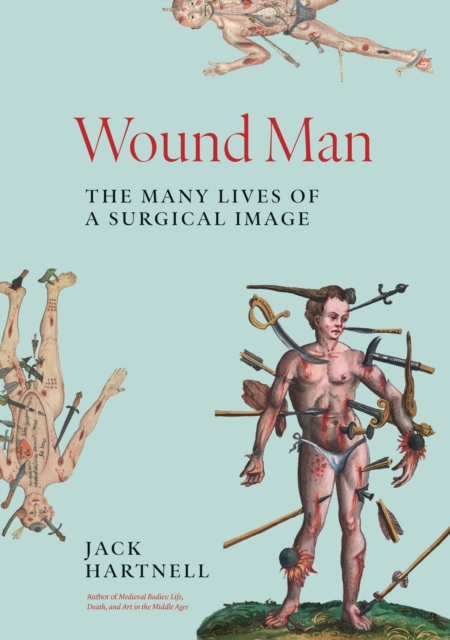
A spectacularly illustrated history of an enigmatic surgical diagramThe Wound Mana medical diagram depicting a figure fantastically pierced by weapons and ravaged by injuries and diseaseswas reproduced widely across the medieval and early modern globe.
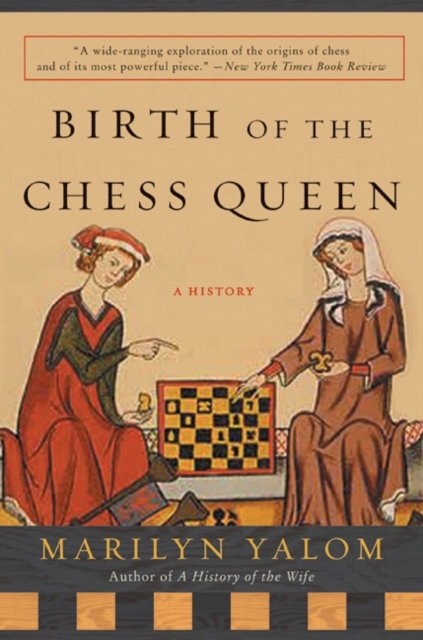
"e;Marilyn Yalom has written the rare book that illuminates something that always has been dimly perceived but never articulated, in this case that that the power of the chess queen reflects the evolution of female power in the western world.
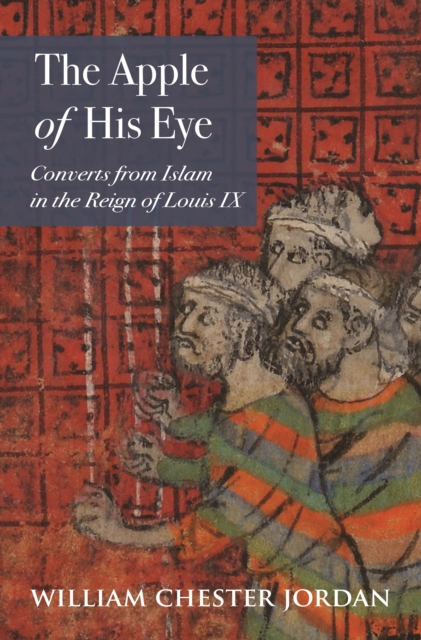
The thirteenth century brought new urgency to Catholic efforts to convert non-Christians, and no Catholic ruler was more dedicated to this undertaking than King Louis IX of France.
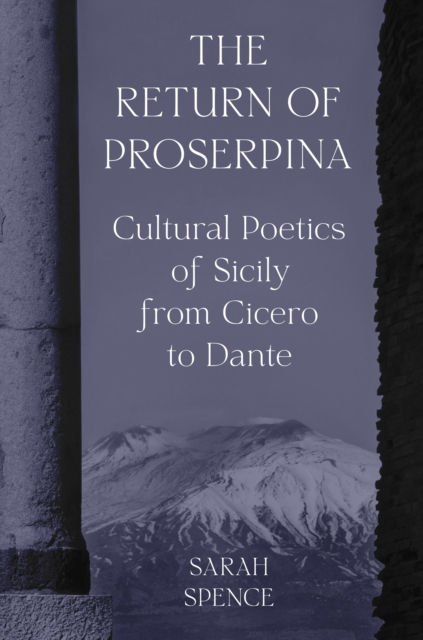
Sicily and the strategies of empire in the poetic imagination of classical and medieval EuropeIn the first century BC, Cicero praised Sicily as Rome's first overseas province and confirmed it as the mythic location for the abduction of Proserpina, known to the Greeks as Persephone, by the god of the underworld.
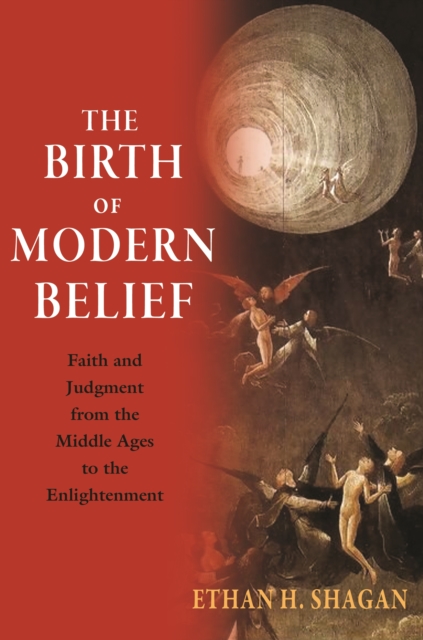
An illuminating history of how religious belief lost its uncontested status in the WestThis landmark book traces the history of belief in the Christian West from the Middle Ages to the Enlightenment, revealing for the first time how a distinctively modern category of belief came into being.
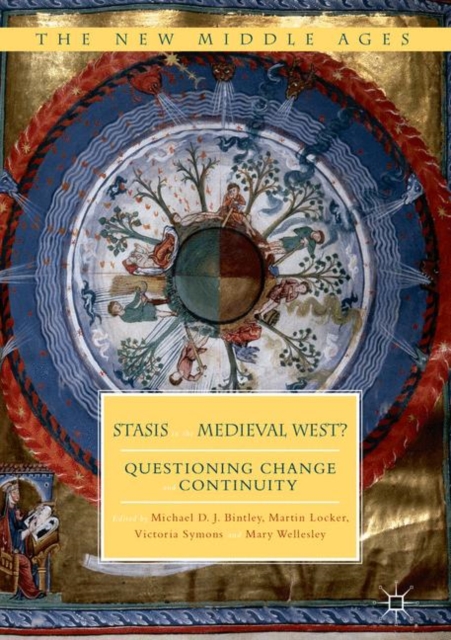
This volume questions the extent to which Medieval studies has emphasized the period as one of change and development through reexamining aspects of the medieval world that remained static.