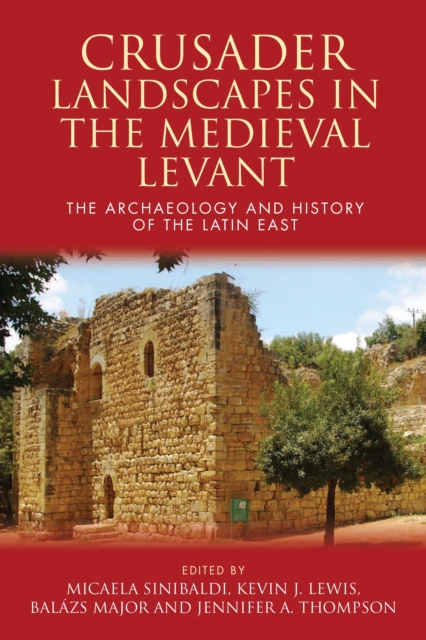
Written to celebrate the prestigious career of Professor Denys Pringle, this collection of articles produced by many of the leading archaeologists and historians in the field of crusades studies offers a compilation of pioneering scholarship on recent studies on the Latin East.
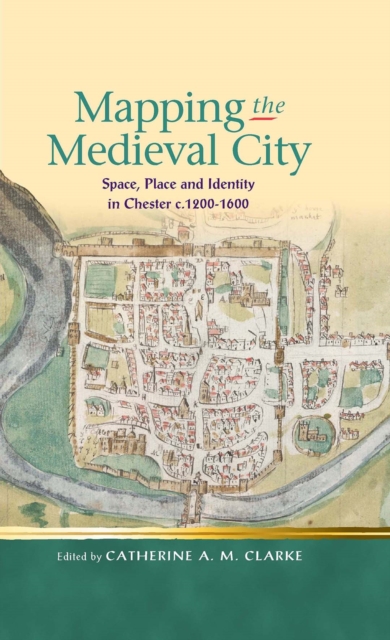
This ground-breaking volume brings together contributions from scholars across a range of disciplines (including literary studies, history, geography and archaeology) to investigate questions of space, place and identity in the medieval city.
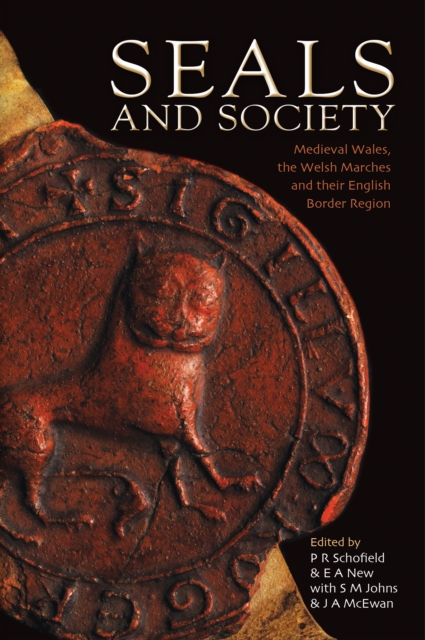
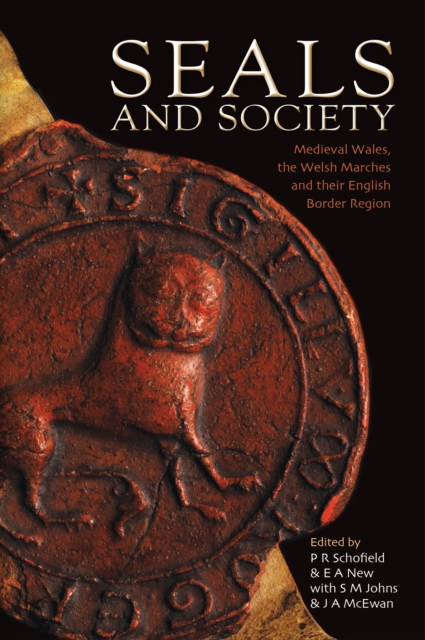
Seals and Society arises from a major project investigating seals and their use in medieval Wales, the Welsh March and neighbouring counties in England.
This ground-breaking volume brings together contributions from scholars across a range of disciplines (including literary studies, history, geography and archaeology) to investigate questions of space, place and identity in the medieval city.
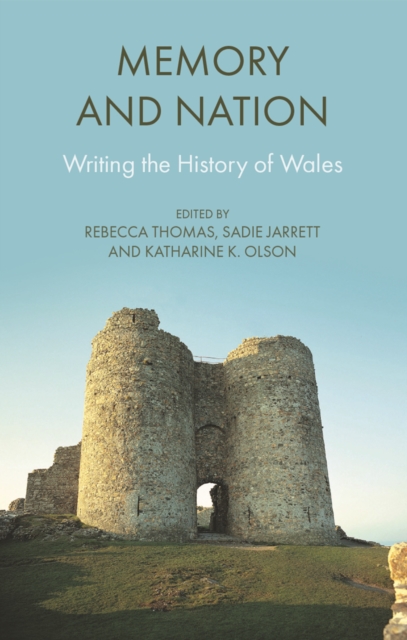
Written in honour of Professor Huw Pryce, this volume brings together exciting new research on writing and performing the history of Wales, from the Middle Ages to the modern period.
This book brings together the most current interpretations of the Wooing Group from scholars currently working on the fields of medieval spirituality, gender, and the anchoritic tradition, providing literary, theological, linguistic, and cultural context for the works associated with the Wooing Group (a collection of texts in English written by an unknown author in the late twelfth to early thirteenth centuries).
Monastic Wales - new approaches is an interdisciplinary collection of essays written by some of the leading scholars working on aspects of medieval Welsh history.
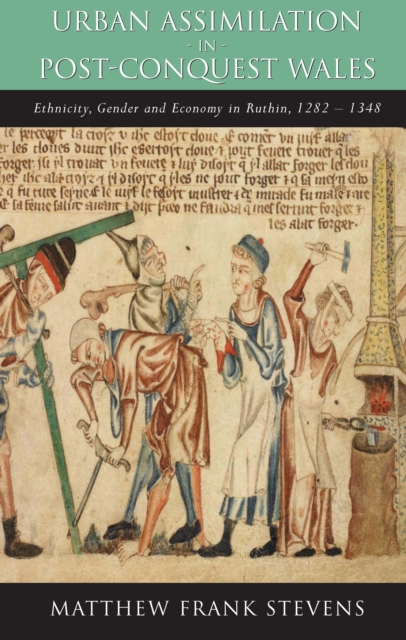
This book uses, principally but not only, a case study of the Denbighshire town of Ruthin to discuss both the significance of Englishness versus Welshness and of gender distinctions in the network of small Anglo-Welsh urban centres which emerged in north Wales following the English conquest of 1282.
This book comprises of a re-publication of Thomas Matthew's 1910 edition of Welsh documents held in the Archives Nationale of France, together with new introductions to the original work and to its editor.
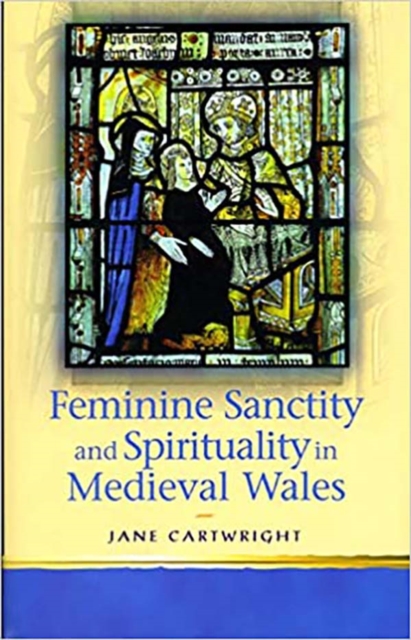
This illuminating volume sheds light on the religious women of medieval Wales, drawing on a wide range of sources from saints' lives and native poetry to holy wells and visual imagery.
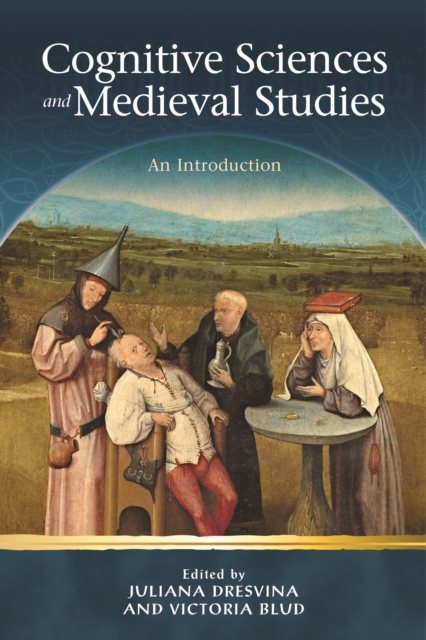
With the rapid development of the cognitive sciences and their importance to how we contemplate questions about the mind and society, recent research in the humanities has been characterised by a 'cognitive turn'.
This original study, focussing on the impact of the crusading movement in medieval Wales, considers both the enthusiasm of the Welsh and those living in Wales and its borders for the crusades, as well as the domestic impact of the movement on warfare, literature, politics and patronage.
This collection of twelve essays describes aspects of town life in medieval Wales, from the way people lived and worked to how they spent their leisure time.
Seals and Society arises from a major project investigating seals and their use in medieval Wales, the Welsh March and neighbouring counties in England.
The Black Widows of the Eternal City offers, for the first time, a book-length study of an infamous cause celebre in seventeenth-century Rome, how it resonated then and has continued to resonate: the 1659 investigation and prosecution of Gironima Spana and dozens of Roman widows, who shared a particularly effective poison to murder their husbands.
The Black Widows of the Eternal City offers, for the first time, a book-length study of an infamous cause celebre in seventeenth-century Rome, how it resonated then and has continued to resonate: the 1659 investigation and prosecution of Gironima Spana and dozens of Roman widows, who shared a particularly effective poison to murder their husbands.
The Medieval Postcolonial Jew, In and Out of Time studies violent temporal clashes that are written into the medieval vision of annus domini [the year of our Lord].
The Medieval Postcolonial Jew, In and Out of Time studies violent temporal clashes that are written into the medieval vision of annus domini [the year of our Lord].
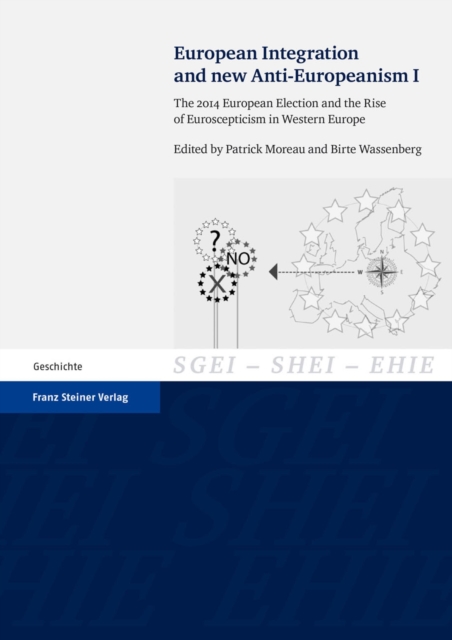
The economic crises since 2008, the tensions concerning the Euro, the Greek question and the refugee problem have fuelled a strong "e;Eurosceptic"e; movement.
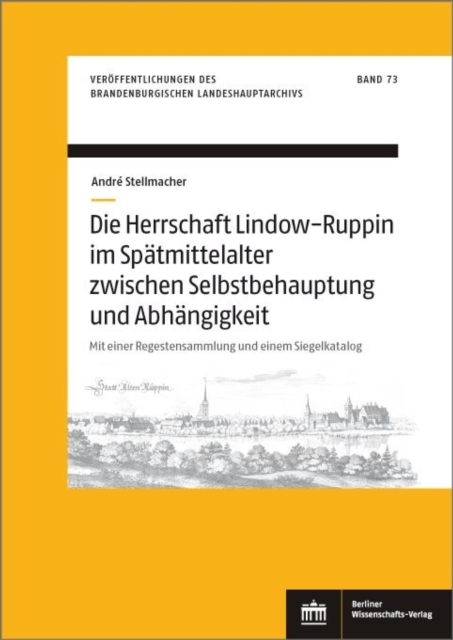
Obwohl die Herrschaft Lindow-Ruppin im Spätmittelalter eine zentrale Lage zwischen den großen Landesherrschaften im Osten des Reiches einnahm und sich ihre beiden Landesteile über eine weite Entfernung erstreckten, ist sie weitgehend in Vergessenheit geraten.
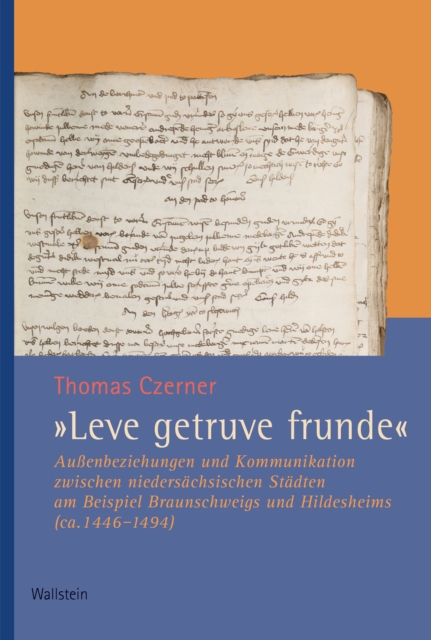
Briefbucher als serielle Schlusselzeugnisse fur die Diplomatie und Auenbeziehungen norddeutscher Stadte im Spatmittelalter am Beispiel der Stadte Braunschweig und Hildesheim.
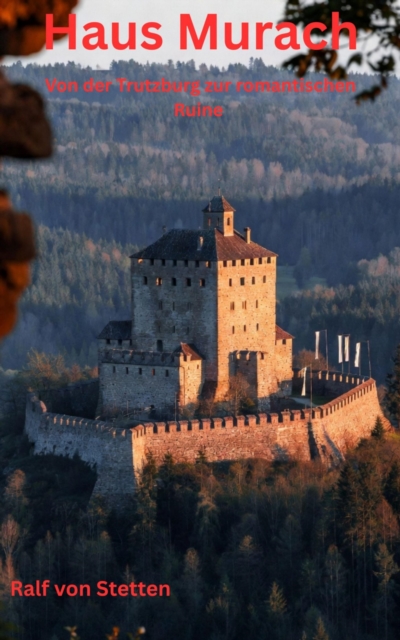
Kurzbeschreibung:Haus MurachVon der Trutzburg zur romantischen RuineEine lebendige, atmosphärische Geschichte der Burgruine Haus Murach in der Oberpfalz.
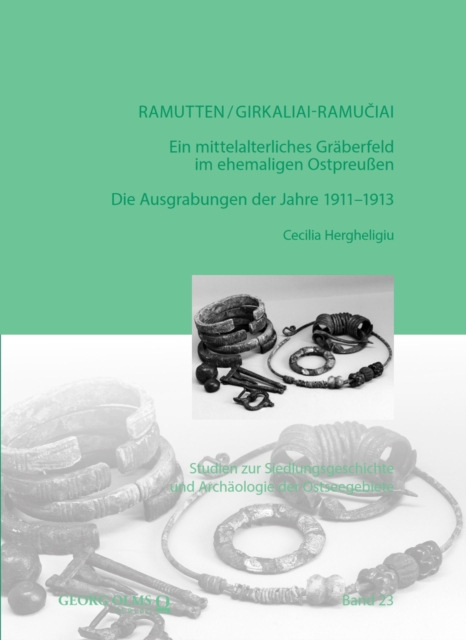
Das mittelalterliche Gräberfeld von Ramutten/Girkaliai (Ramučiai) in Litauen gehört zu den wichtigsten archäologischen Fundplätzen im ehemaligen Ostpreußen.
Die Frage des Beitritts Großbritanniens zu den Europäischen Gemeinschaften stellte in den 1960er und frühen 1970er Jahren eines der dominierenden und kontroversesten Themen in der politischen Diskussion des Landes dar.
La Edad Media es un tiempo aún poco definido y un espacio de fronteras difusas, un periodo histórico poco explorado que, sin embargo, sigue actuando como el espejo deformado de nuestro presente.
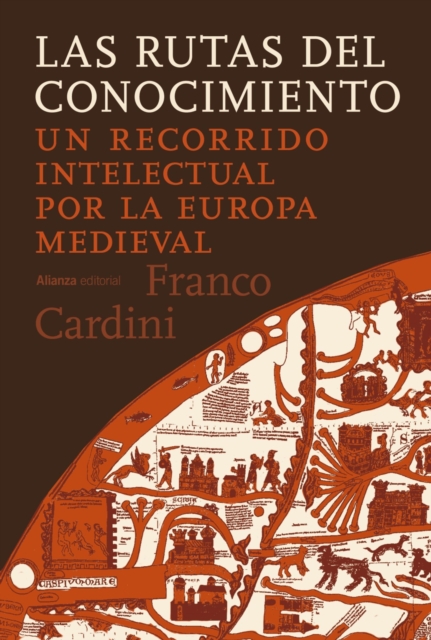
Franco Cardini nos descubre una Edad Media apasionante, una época viva y llena de intercambio y creatividad que sigue definiendo y dando forma a nuestro mundoLas rutas del conocimiento nos invita a un fascinante viaje a través de la Europa medieval, un mundo vibrante y profundamente conectado donde las ideas, las culturas y los saberes se entrelazaban en un tejido común que sentó las bases de la civilización occidental.
Historian Charles Oman traces the five centuries between the collapse of the Western Roman Empire and the coronation of Charlemagne - the barbarian kingdoms that carved up Roman territory, the survival and transformation of Christian civilization, and the slow reassembly of order out of political chaos.
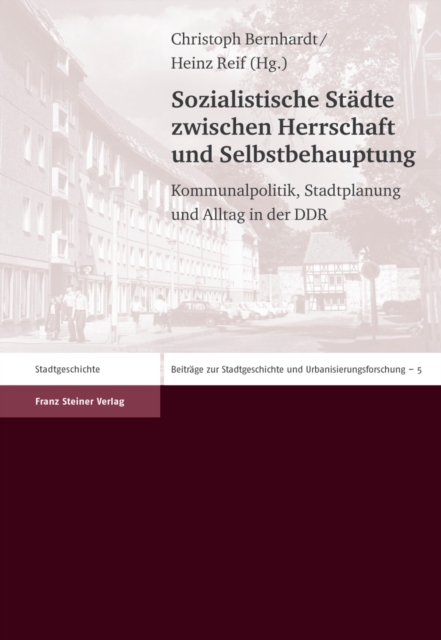
Aus Sicht der Städte und ihrer Bewohner war die Epoche des Sozialismus, so scheint es, eine Periode des Niedergangs, der politischen Entmündigung und der Mangelverwaltung.