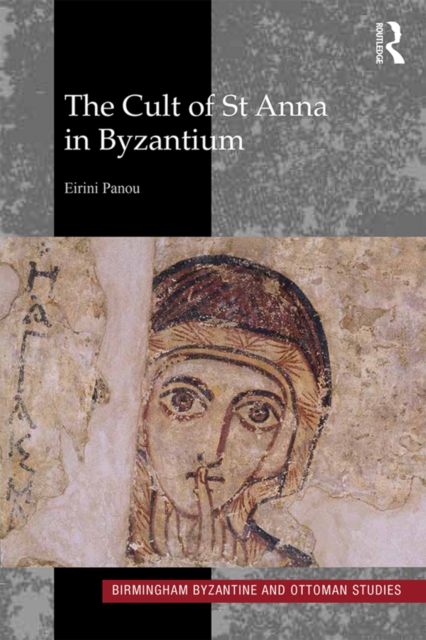
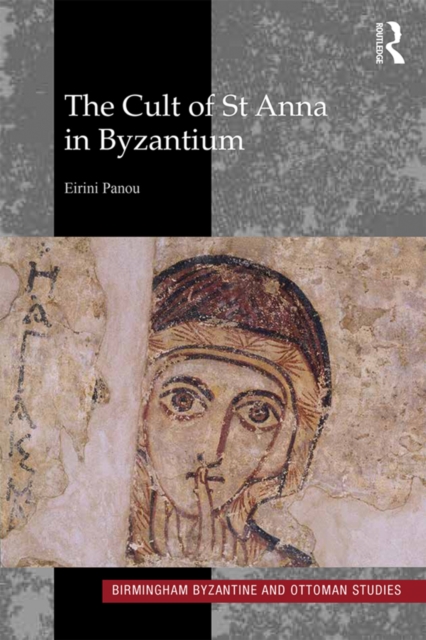
The Cult of St Anna in Byzantium is the first undertaking in Byzantine research to study the phenomenon of St Anna's cult from the sixth to the fifteenth centuries.
The Cult of St Anna in Byzantium is the first undertaking in Byzantine research to study the phenomenon of St Anna's cult from the sixth to the fifteenth centuries.
First commissioned by Bishop Gerard I of Cambrai (1012-1051) in 1023 or 1024, the Gesta episcoporum Cameracensium was the work of two authors, the second of whom completed the text shortly after the death of Bishop Gerard.
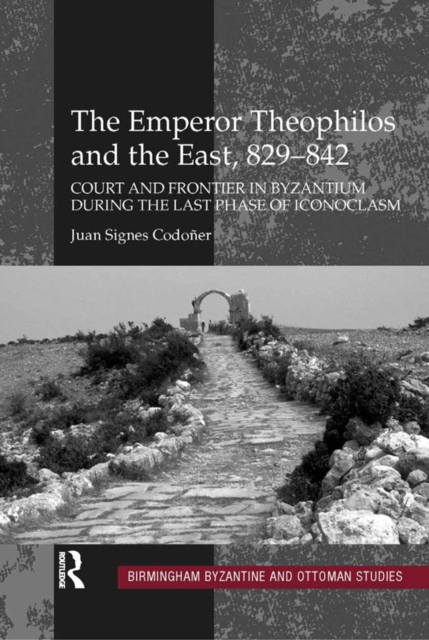
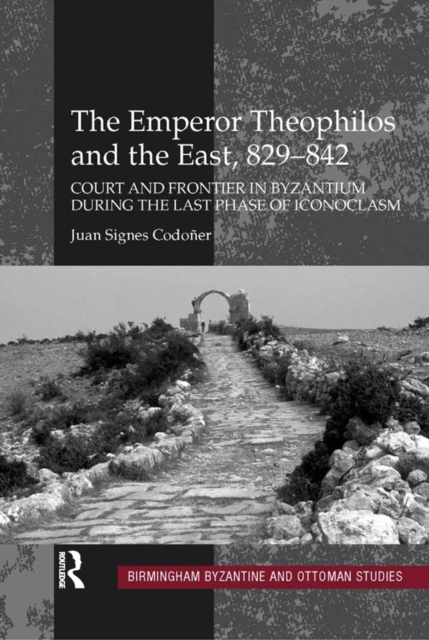
Modern historiography has become accustomed to portraying the emperor Theophilos of Byzantium (829-842) in a favourable light, taking at face value the legendary account that makes of him a righteous and learned ruler, and excusing as ill fortune his apparent military failures against the Muslims.
Modern historiography has become accustomed to portraying the emperor Theophilos of Byzantium (829-842) in a favourable light, taking at face value the legendary account that makes of him a righteous and learned ruler, and excusing as ill fortune his apparent military failures against the Muslims.
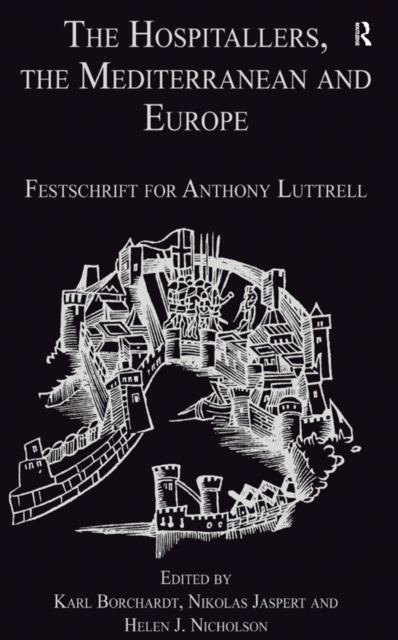
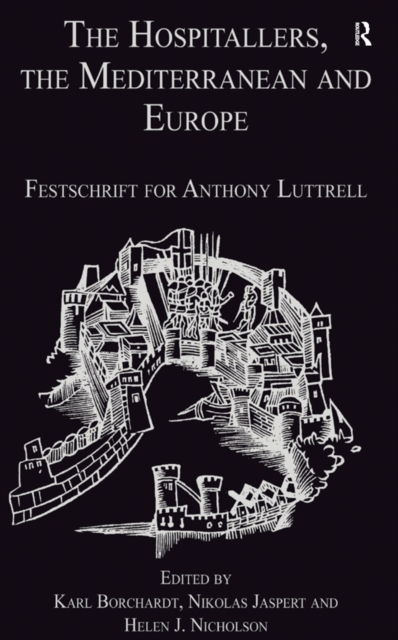
Modern study of the Hospitallers, of other military-religious orders, and of their activities both in the Mediterranean and in Europe has been deeply influenced by the work of Anthony Luttrell.
Modern study of the Hospitallers, of other military-religious orders, and of their activities both in the Mediterranean and in Europe has been deeply influenced by the work of Anthony Luttrell.
This volume aims to balance the traditional literature available on medieval feuding with an exploration of other aspects of vengeance and culture in the Middle Ages.
This volume aims to balance the traditional literature available on medieval feuding with an exploration of other aspects of vengeance and culture in the Middle Ages.
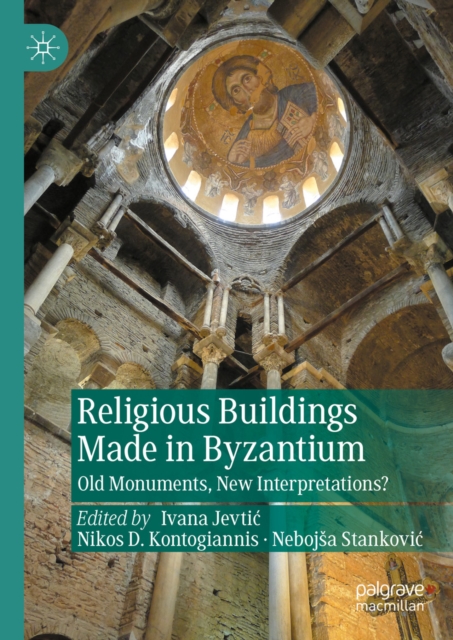
Each chapter of this volume provides a window into the vibrant world of Middle and Late Byzantium, offering new insights into the complexities of Byzantine ecclesiastical spaces.
A thriving port, a frontier base for the lords of Gower and a multi-cultural urban community, the south Wales town of Swansea was an important centre in the Middle Ages, at a nexus of multiple identities, cultural practices and configurations of power.
A thriving port, a frontier base for the lords of Gower and a multi-cultural urban community, the south Wales town of Swansea was an important centre in the Middle Ages, at a nexus of multiple identities, cultural practices and configurations of power.
The author and acclaimed historian of this book, originally published in 1926, was a strong advocate for the use of original source documents in the study of history, maintaining that applying historical criticism to documents, and balancing one document against another was a process of 'the highest educational value'.
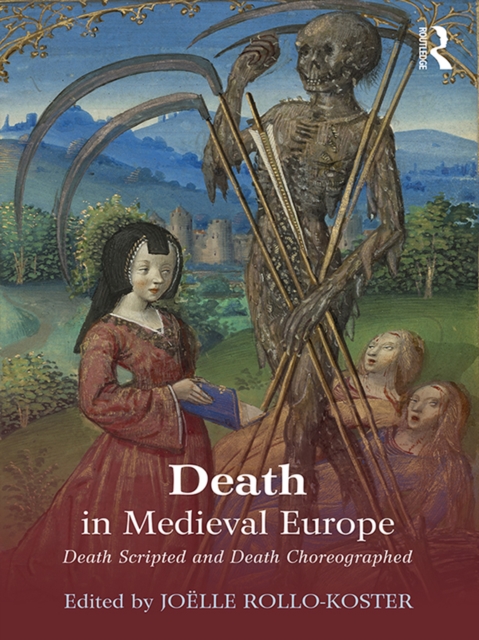
Death in Medieval Europe: Death Scripted and Death Choreographed explores new cultural research into death and funeral practices in medieval Europe and demonstrates the important relationship between death and the world of the living in the Middle Ages.
Forty papers link the study of the military orders' cultural life and output with their involvement in political and social conflicts during the medieval and early modern period.
Forty papers link the study of the military orders' cultural life and output with their involvement in political and social conflicts during the medieval and early modern period.
This book compares two successful, elite women, Empress Adelheid (931-999) and Countess Matilda (1046-1115), for their relative ability to retain their wealth and power in the midst of the profound social changes of the eleventh century.
This interdisciplinary work, the first of two volumes, presents essays on various aspects of disease, medicine, and healing in different locations in and around the Indian Ocean from the ninth century to the early modern period.
This book examines the views of Greek Church Fathers on hoarding, saving, and management of economic surplus, and their development primarily in urban centres of the Eastern Mediterranean, from the late first to the fifth century.
This volume questions the extent to which Medieval studies has emphasized the period as one of change and development through reexamining aspects of the medieval world that remained static.
On the eight-hundredth anniversary of the Magna Carta, Women and the Magna Carta investigates what the charter meant for women's rights and freedoms from an historical and legal perspective.
Although Chaucer is typically labeled as the "e;Father of English Literature,"e; evidence shows that his work appealed to Europe and specifically European women.
This collection explores how situations of authority, governance, and influence were practised through both gender ideologies and affective performances in medieval and early modern England.
This book provides a systematic analysis of the innovations that occurred in the display of royal power during John II's four years in English captivity.
The fourteenth and fifteenth centuries were times of tumultuous change in medieval Europe; they witnessed the Black Death, the Great Papal Schism, heightened fears of the apocalypse, and the elimination of Spain's non-Christian population.