Using one man as a lens, a man known variously as Folquet, Folques, Folco, and Folc, it will examine some of the important changes and developments of the period from a new, more human, perspective.
Using one man as a lens, a man known variously as Folquet, Folques, Folco, and Folc, it will examine some of the important changes and developments of the period from a new, more human, perspective.
Philosophy and Rabbinic Culture is a study of the great, and curiously underappreciated, engagement of a Medieval European Jewish community with the philosophic tradition.
Philosophy and Rabbinic Culture is a study of the great, and curiously underappreciated, engagement of a Medieval European Jewish community with the philosophic tradition.
This book examines the contribution of women to the Humiliati movement, providing original archival evidence indicating that women dominated the group's membership.
This book examines the contribution of women to the Humiliati movement, providing original archival evidence indicating that women dominated the group's membership.
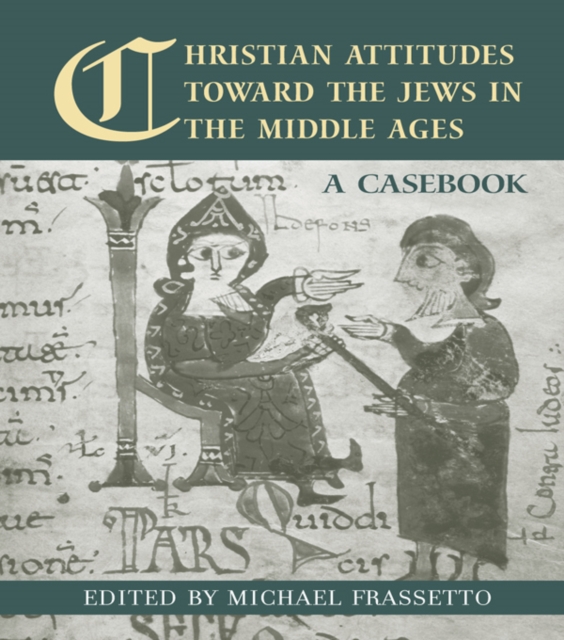
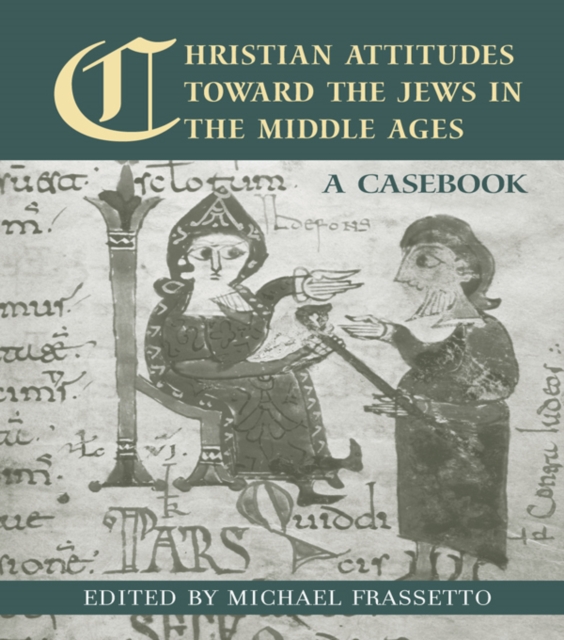
Drawing from an equally wide range of sources-sermons, polemical texts, theological treatises, hagiographical and devotional works, and histories-the volume demonstrates the emergence of a profoundly negative image of the Jews that established many of the stereotypes of classic Christian anti-Semitism.
Drawing from an equally wide range of sources-sermons, polemical texts, theological treatises, hagiographical and devotional works, and histories-the volume demonstrates the emergence of a profoundly negative image of the Jews that established many of the stereotypes of classic Christian anti-Semitism.
This introduction to philosophy in the Latin West between 1150 and 1350 combines an historical approach, which concentrates on the sources, forms and backgrounds of the medieval works, with philosophical analysis of thirteenth and fourteenth-century writing in terms comprehensible to a modern reader.
This introduction to philosophy in the Latin West between 1150 and 1350 combines an historical approach, which concentrates on the sources, forms and backgrounds of the medieval works, with philosophical analysis of thirteenth and fourteenth-century writing in terms comprehensible to a modern reader.
Charting Memory: Recalling Medieval Spain elaborates an interdiscursive picture of how Medieval Spain has been remembered by various Arab, Jewish, and Hispanic peoples from well before 1492 to the present.
Charting Memory: Recalling Medieval Spain elaborates an interdiscursive picture of how Medieval Spain has been remembered by various Arab, Jewish, and Hispanic peoples from well before 1492 to the present.
In these new essays leading European and North American scholars of medieval medicine focus on manuscripts and their transmission and demonstrate how medievalists in all disciplines can profit by studying the primary medical sources rather than relying on the secondary literature.
In these new essays leading European and North American scholars of medieval medicine focus on manuscripts and their transmission and demonstrate how medievalists in all disciplines can profit by studying the primary medical sources rather than relying on the secondary literature.
This book explains how the authority Thomas Aquinas's theological teachings grew out of the doctrinal controversies surrounding it within the Dominican Order.
This book explains how the authority Thomas Aquinas's theological teachings grew out of the doctrinal controversies surrounding it within the Dominican Order.
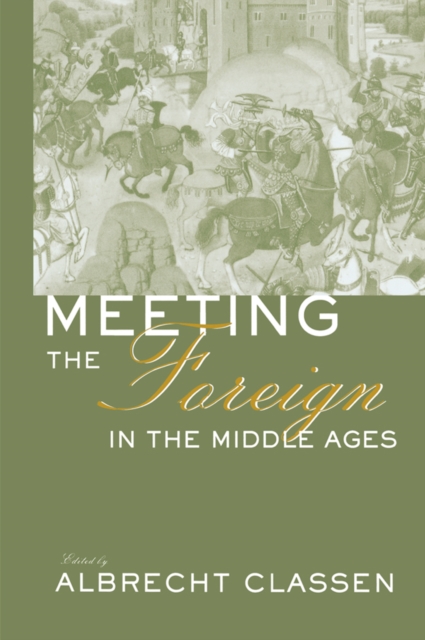
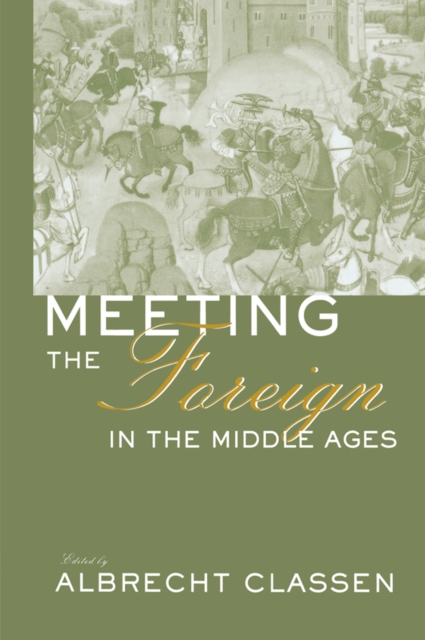
This collectoion brings together an outstanding group of historical, cultural, and literary scholars to investigate the complicated, nuanced, and often surprising union and desire and dread associated with the figure of the foreign Other in the Middle Ages--represented variously by Muslims, Jews, heretics, pagans, homosexuals, lepers, monsters, and witches.
This collectoion brings together an outstanding group of historical, cultural, and literary scholars to investigate the complicated, nuanced, and often surprising union and desire and dread associated with the figure of the foreign Other in the Middle Ages--represented variously by Muslims, Jews, heretics, pagans, homosexuals, lepers, monsters, and witches.
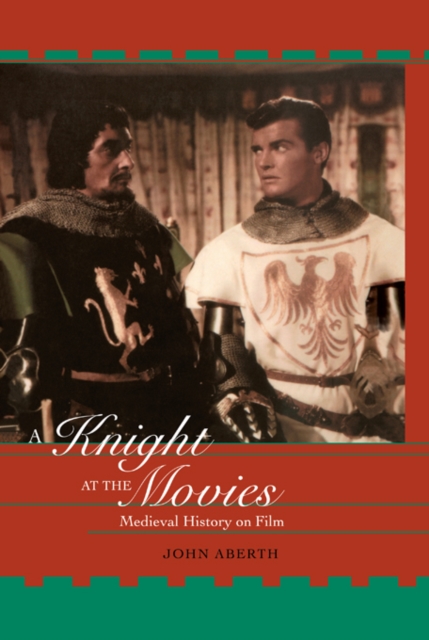
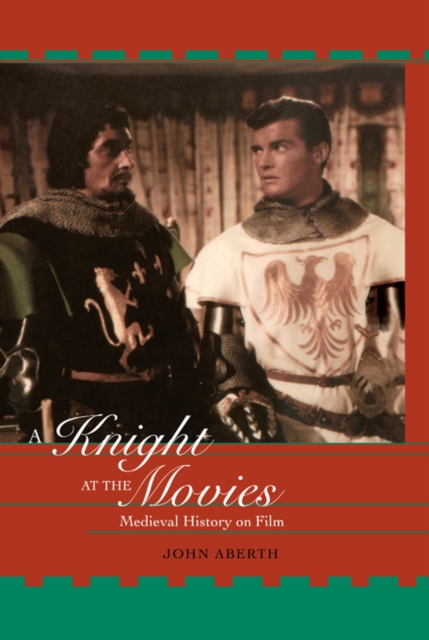
Imagining the Middle Ages is an unprecedented examination of the historical content of films depicting the medieval period from the 11th to the 15th centuries.
Imagining the Middle Ages is an unprecedented examination of the historical content of films depicting the medieval period from the 11th to the 15th centuries.