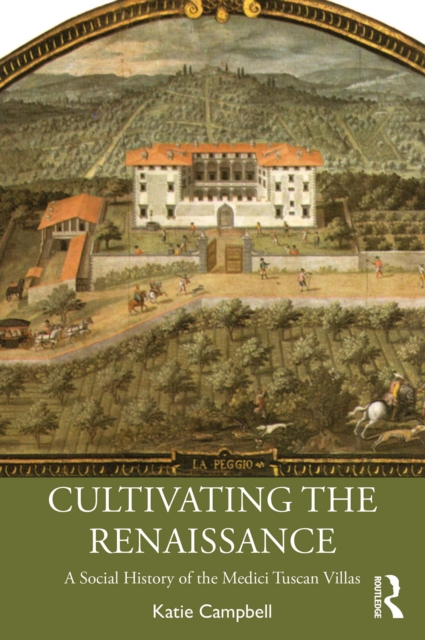
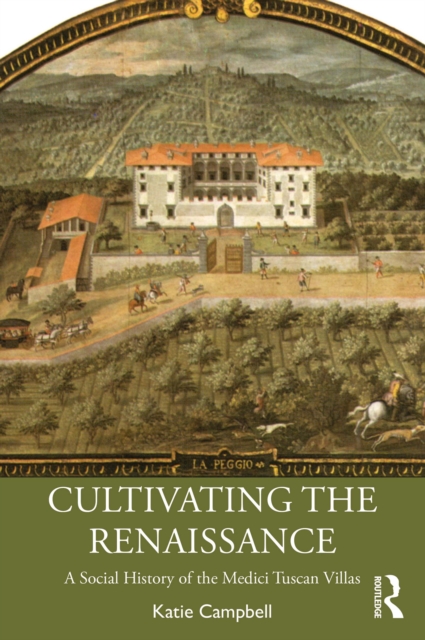
By exploring the evolution of the Medici family's villas, Cultivating the Renaissance charts the shifting politics, philosophy and aesthetics of the age and chronicles the rise of an extraordinary family from obscure farmers to European royalty.
By exploring the evolution of the Medici family's villas, Cultivating the Renaissance charts the shifting politics, philosophy and aesthetics of the age and chronicles the rise of an extraordinary family from obscure farmers to European royalty.
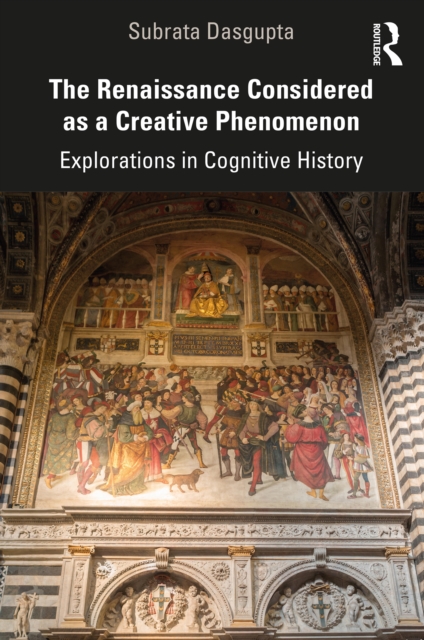
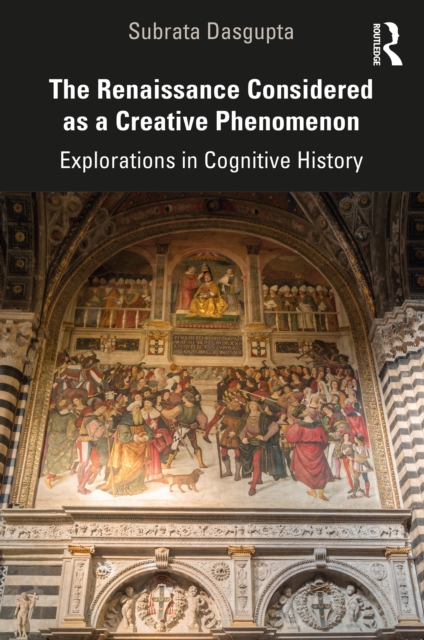
By using the fresh investigative language of cognitive history, a symbiosis of the methods of cognitive science and historical inquiry, this book departs from almost all previous approaches to Renaissance studies.
By using the fresh investigative language of cognitive history, a symbiosis of the methods of cognitive science and historical inquiry, this book departs from almost all previous approaches to Renaissance studies.
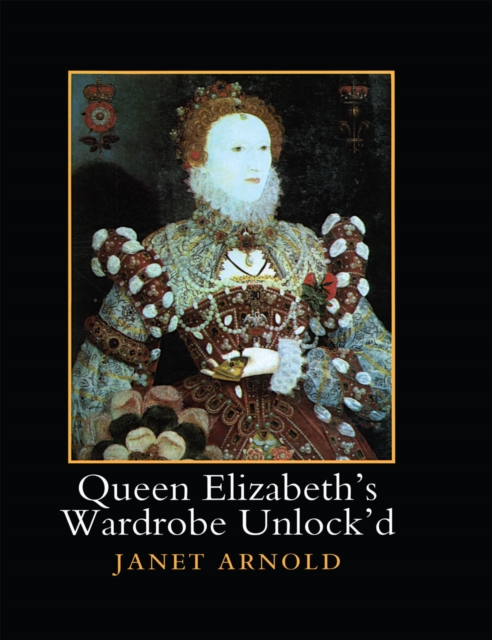
This book provides photographs of portraits, miniatures, tomb sculptures, engravings, woven textiles and embroideries of clothes found in the wardrobe of Queen Elizabeth.
This book provides photographs of portraits, miniatures, tomb sculptures, engravings, woven textiles and embroideries of clothes found in the wardrobe of Queen Elizabeth.
The Maltese Dialogue is the first comprehensive treatise of the history, institutions, and political projects of the Order of the Knights of Saint John of the Hospital, commonly known as the Maltese Order.
The Maltese Dialogue is the first comprehensive treatise of the history, institutions, and political projects of the Order of the Knights of Saint John of the Hospital, commonly known as the Maltese Order.
Originally published in 1982, this book tackles the underlying problem of what is meant by 'the Renaissance' and outlines those social, economic and topographical factors which triggered it off.
Originally published in 1982, this book tackles the underlying problem of what is meant by 'the Renaissance' and outlines those social, economic and topographical factors which triggered it off.
This compelling novel takes the reader into the tumultuous period of the Renaissance and the origins of Leonardo da Vinci, the bastard child of a notary.
A scholarly study of how women's executions were staged, interpreted, and recorded in Renaissance England A Weak Woman in a Strong Battle: Women and Public Execution in Early Modern England provides critical insights on representations of women on the scaffold, focusing on how female victims and those writing about them constructed meaning from the ritual.
A magisterial history of the Renaissance and the birth of the modern worldThe cultural epoch we know as the Renaissance emerged at a certain time and in a certain place.
Dieses eBook: "Der Bildschnitzer von Würzburg (Historischer Roman)" ist mit einem detaillierten und dynamischen Inhaltsverzeichnis versehen und wurde sorgfältig korrekturgelesen.
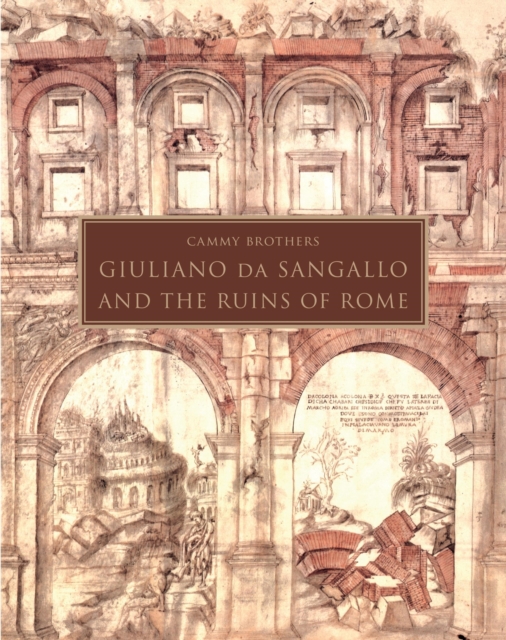
An illuminating reassessment of the architect whose innovative drawings of ruins shaped the enduring image of ancient RomeGiuliano da Sangallo (1443-1516) was one of the first architects to draw the ruins and artifacts of ancient Rome in a systematic way.
An illuminating reassessment of the architect whose innovative drawings of ruins shaped the enduring image of ancient RomeGiuliano da Sangallo (1443-1516) was one of the first architects to draw the ruins and artifacts of ancient Rome in a systematic way.
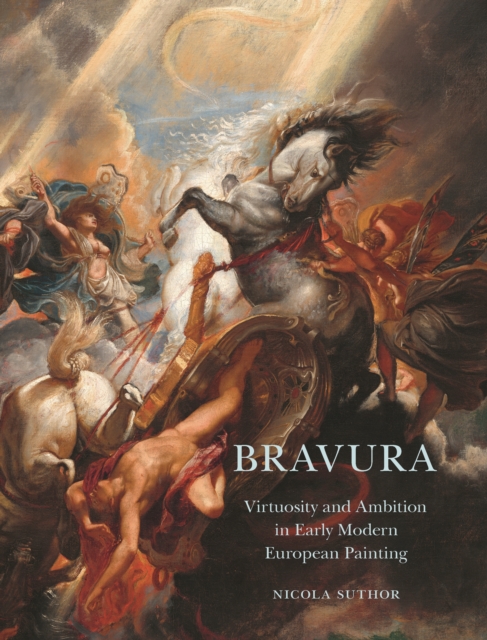
The first major history of the bravura movement in European paintingThe painterly style known as bravura emerged in sixteenth-century Venice and spread throughout Europe during the seventeenth century.
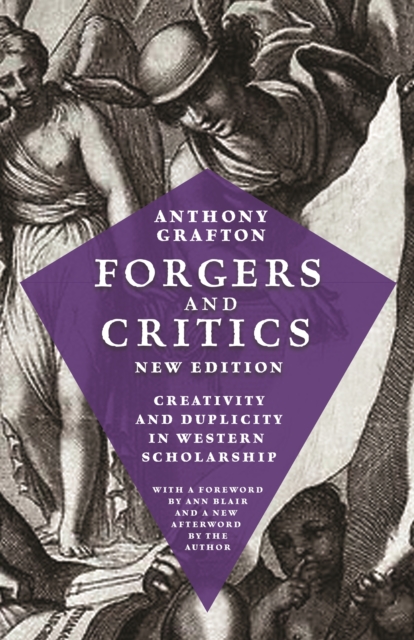
The close links between forgery and criticism throughout historyIn Forgers and Critics, Anthony Grafton provides a wide-ranging exploration of the links between forgery and scholarship.
This book examines the role of information as a crucial means for governance and negotiation, through which Renaissance rulers and governments managed the composite polities under their control.
From the acclaimed author of Blue, a beautifully illustrated history of the color white in visual culture, from antiquity to todayAs a pigment, white is often thought to represent an absence of color, but it is without doubt an important color in its own right, just like red, blue, green, or yellowand, like them, white has its own intriguing history.
In 1543, Nicolaus Copernicus publicly defended his hypothesis that the earth is a planet and the sun a body resting near the center of a finite universe.
In 1633, at the end of one of the most famous trials in history, the Inquisition condemned Galileo for contending that the Earth moves and that the Bible is not a scientific authority.
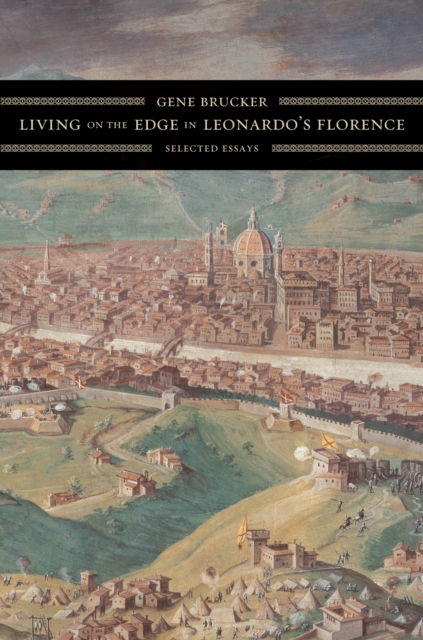
In Living on the Edge in Leonardo's Florence, an internationally renowned master of the historian's craft provides a splendid overview of Italian history from the Black Death to the rise of the Medici in 1434 and beyond into the early modern period.
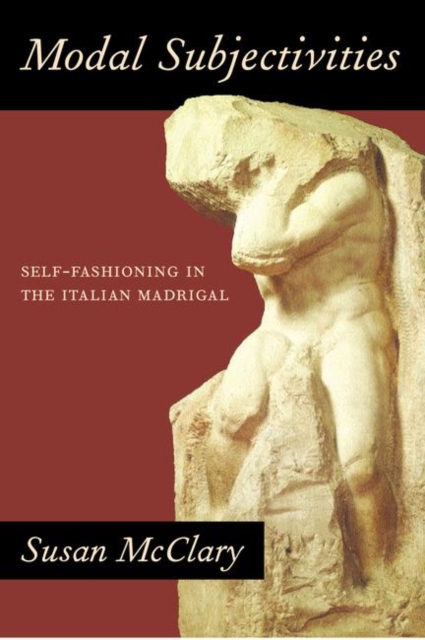
In this boldly innovative book, renowned musicologist Susan McClary presents an illuminating cultural interpretation of the Italian madrigal, one of the most influential repertories of the Renaissance.
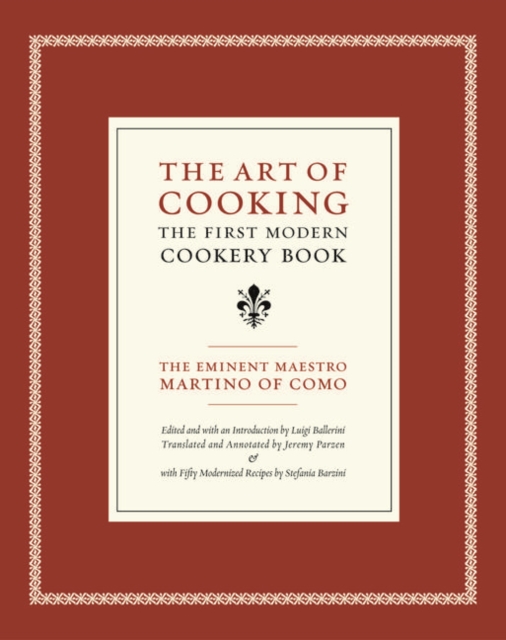
Maestro Martino of Como has been called the first celebrity chef, and his extraordinary treatise on Renaissance cookery, The Art of Cooking, is the first known culinary guide to specify ingredients, cooking times and techniques, utensils, and amounts.
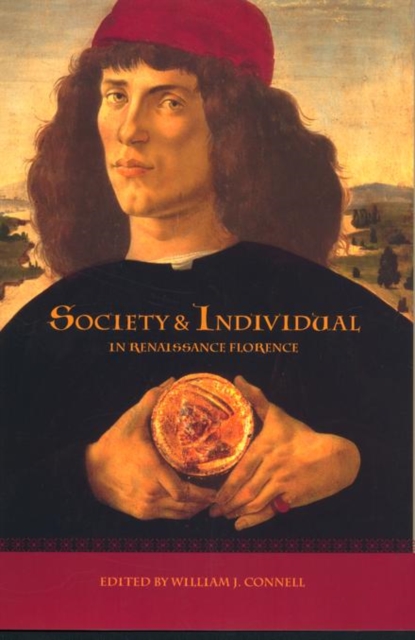
Renaissance Florence has often been described as the birthplace of modern individualism, as reflected in the individual genius of its great artists, scholars, and statesmen.
With this heady exploration of time and space, rumors and silence, colors, tastes, and ideas, Robert Bonfil recreates the richness of Jewish life in Renaissance Italy.
The first biography of Henry VIII's court fool William Somer, a legendary entertainer and one of the most intriguing figures of the Tudor ageIn some portraits of Henry VIII there appears another, striking figurea gaunt and morose-looking man with a shaved head and, in one case, a monkey on his shoulder.
The first major history of the bravura movement in European paintingThe painterly style known as bravura emerged in sixteenth-century Venice and spread throughout Europe during the seventeenth century.