Step into the captivating world of 17th-century France, where Philippe I, Duke of Orleans, carved out his unique legacy amidst the grandeur of the Bourbon dynasty.
Originally published in 1931 and as a fifth edition in 1952, this book became a classic survey of European history which focusses on the pan-European features and tendencies of the Middle Ages.
Galenism, a rational, coherent medical system embracing all health and disease related matters, was the dominant medical doctrine in the Latin West during the Middle Ages and the Renaissance.
Entdecken Sie die Vielfalt und Tiefe der deutschen Kultur und IdentitätKulturelle Wurzeln und nationale Identitäten erlangen eine immer größere Bedeutung.
First published in 1986, Humanism in the Age of Henry VIII is concerned with the flourishing humanism outside the religious and political spheres in many different fields and its intellectual and cultural impact on the schools and universities and in the realm of private study, paying particular attention to English contacts with European humanists.
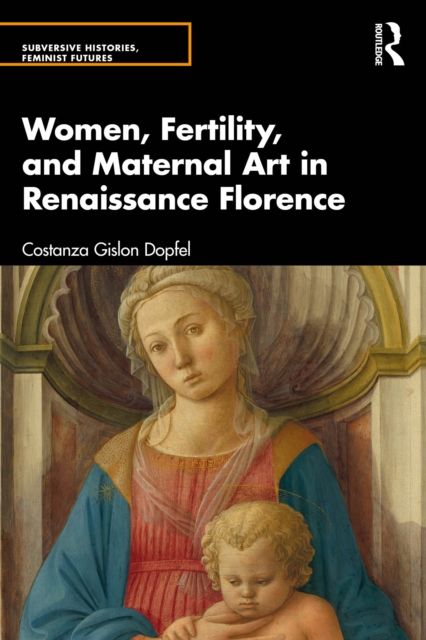
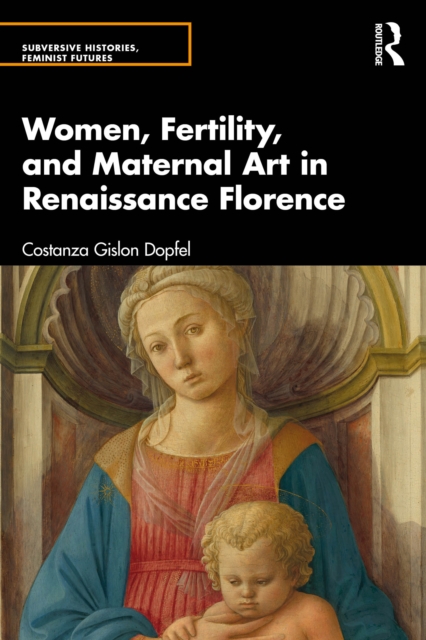
Women, Fertility, and Maternal Art in Renaissance Florence examines maternity-centered art to reveal women's crucial function in saving Florence from a depopulation catastrophe.
Winner of the ECPA Book AwardJourney alongside Persecuted ChristiansTake a 40-day journey to meet brothers and sisters who share in the sufferings of Christ.
Im Jahr 1527 erschütterte ein Ereignis Europa, das sowohl die politische als auch die religiöse Landschaft für immer verändern sollte: Der Sacco di Roma – die brutale Plünderung der Ewigen Stadt durch die Truppen Kaiser Karls V.
From the early days of Christianity to the modern reforms of the Second Vatican Council, the intricate relationship between the papacy and nobility has profoundly shaped the trajectory of Western civilization.
Women, Fertility, and Maternal Art in Renaissance Florence examines maternity-centered art to reveal women's crucial function in saving Florence from a depopulation catastrophe.
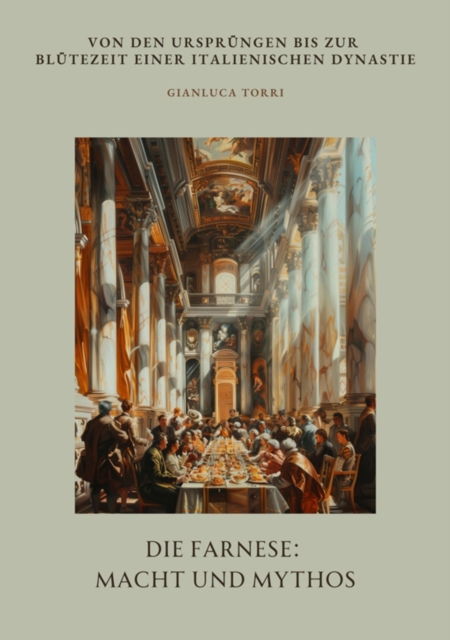
Von ihren mythenumwobenen Anfängen bis zu ihrem glanzvollen Höhepunkt – die Farnese waren nicht nur eine Familie, sondern eine Institution, die Italien und Europa nach-haltig prägte.
First published in 1986, Humanism in the Age of Henry VIII is concerned with the flourishing humanism outside the religious and political spheres in many different fields and its intellectual and cultural impact on the schools and universities and in the realm of private study, paying particular attention to English contacts with European humanists.
In een tijdperk van tumult en overgang tussen koningen en religies, vertelt Charles Frederic Holgrave het aangrijpende verhaal van Jane Grey, de vergeten koningin, wiens regering van slechts negen dagen Engeland voor altijd veranderde.
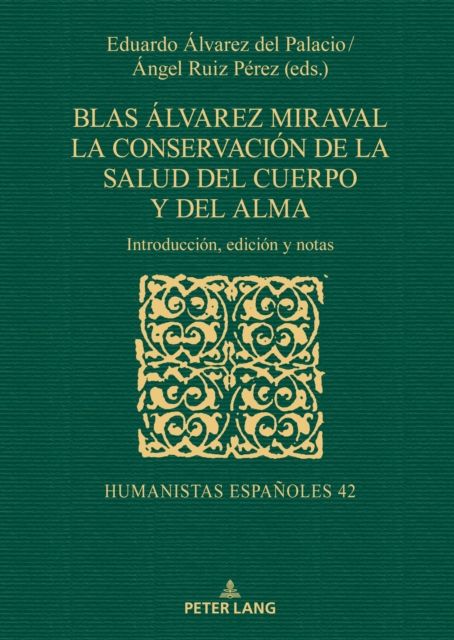
Edición a cargo de Eduardo Álvarez del Palacio y Ángel Ruiz Pérez de la obra La conservación de la salud del cuerpo y del alma, escrita por el médico humanista y profesor de la Universidad de Salamanca Blas Álvarez Miraval, que vivió a caballo de los siglos XVI y XVII.
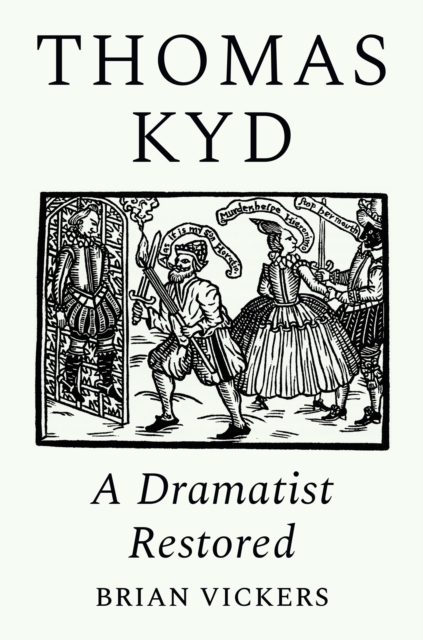
A groundbreaking new account of the author of The Spanish Tragedy that establishes him as a major Elizabethan dramatistThomas Kyd (15581594) was a highly regarded dramatist and the author of The Spanish Tragedy, the first revenge tragedy and the most influential Elizabethan play.
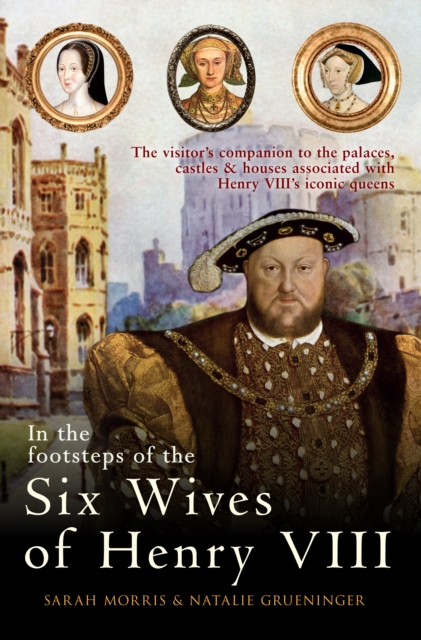
This book provides a fresh perspective on the lives of Henry VIII's six wives by embarking on a journey through the manors, castles and palaces in which their lives were played out.
'The Story of Florence"e; presents the fascinating history of the beautiful Italian city, exploring it's architecture, people, traditions, notable events, and more.
The Renaissance was a period in European history, from the 14th to the 17th century, regarded as the cultural bridge between the Middle Ages and modern history.
William Shakespeare's 'Julius Caesar' is a timeless tragedy set in ancient Rome, depicting the events leading up to and following the assassination of the title character.
In 'Richard III' präsentiert William Shakespeare ein fesselndes historisches Drama, das die Geschichte des machthungrigen und skrupellosen Königs Richard III.
Jean-François Séguier (1703–1784), antiquaire et botaniste qui partagea sa vie entre Nîmes et Vérone, a laissé derrière lui une masse considérable de papiers.
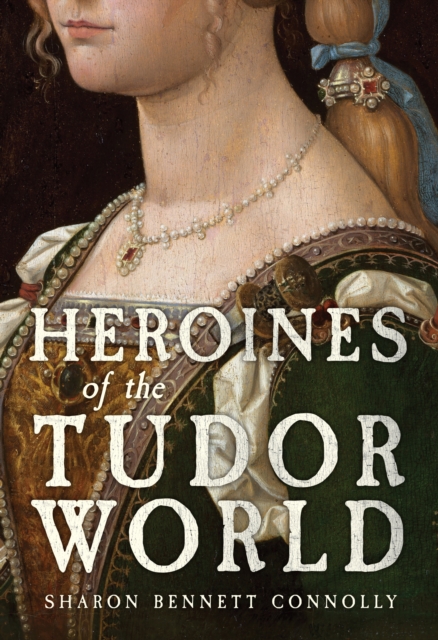
As England's most celebrated royal dynasty, it's often overlooked that the Tudors have their origins in rural Wales, far from the urban centres of English power where they dared to become great.
Keeping up with the Habsburger & Co»Samra vom Instagram-Account Geschichtegram erzählt in ihren Reels so unterhaltsam von der Mode, der Liebe und dem Drama der europäischen Königshäuser, dass die Kardashians im Vergleich langweilig wirken.
Die gestohlene Krone: Die wahre Geschichte der Königin Jane GreyVon Charles Frederic HolgraveIn einer Zeit der politischen Ränkespiele und religiösen Umbrüche nimmt Charles Frederic Holgrave uns mit auf eine fesselnde Reise in das Herz der Tudor-Zeit, um die tragische Geschichte von Jane Grey, Englands "Neun-Tage-Königin", zu enthüllen.
Ausgehend von der kulturellen Relevanz, welche antiken Artefakten in der Frühen Neuzeit zukam, widmet sich der interdisziplinäre Band jenen druckgraphischen Werken, die ab dem 16.