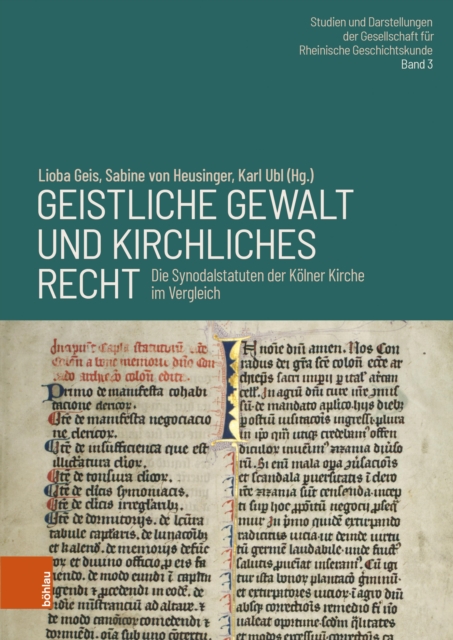
Die Kölner Synodalstatuten des Spätmittelalters (1261–1513) sind eine wertvolle Quelle für die Rechts- und Frömmigkeitsgeschichte einer der bedeutendsten Diözesen Europas.
Anselm of Canterbury's monastic world was woven from scriptural material, yet the Bible's selective presence (and absence) in his writings remains a puzzle.
Boredom and Creativity: Neuroanatomy, Immunology, and Physiological Mechanisms of Boredom to Breakthrough Creativity by Minh Hung / Nguyen Dong Hung is an interdisciplinary work that brings together neuroscience, immunology, psychology, existential philosophy, and creativity studies to explore a profoundly modern question: why do boredom, emptiness, and stagnation sometimes become the starting point of breakthrough creativity?
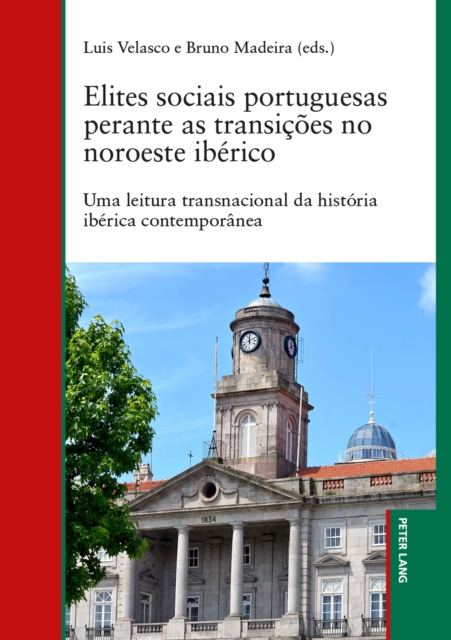
Este volume explora a transformação das elites sociais e políticas no noroeste da Península Ibérica — Galiza e Norte de Portugal — durante as décadas decisivas de 1960 a 1980.
Das Buch beleuchtet den Aufstieg der Sachsen von einer als Piraten bekannten Kriegervolk im vierten Jahrhundert über ihre Konfrontation mit dem christlichen Glauben während der Herrschaft Karls des Großen im achten Jahrhundert bis hin zu Otto dem Großen, einem Sachsen, der etwa 160 Jahre später zum Kaiser gekrönt wurde.
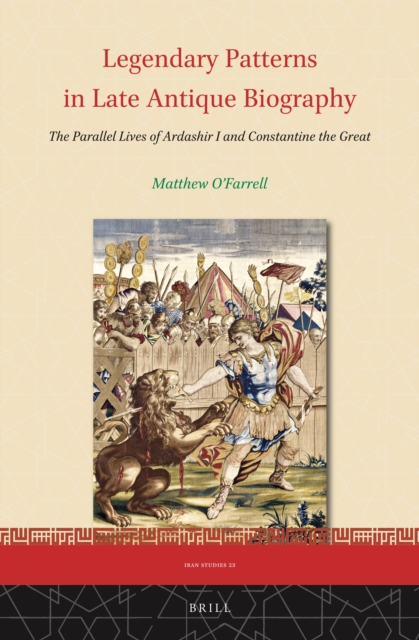
A Memorial in the World offers a new appraisal of the reception and role of Constantine the Great and Ardashir I (the founder of the Sasanian Empire c.
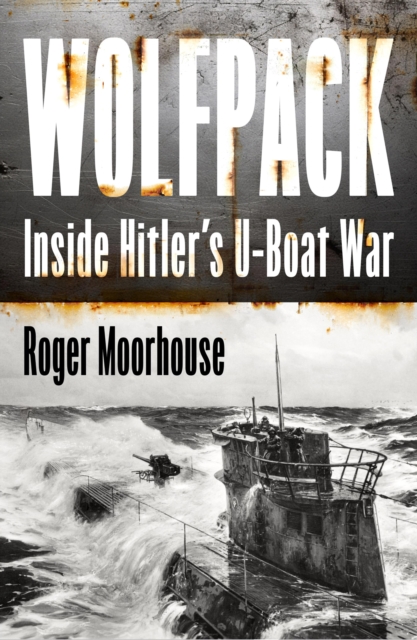
A Times and Waterstones Book of the Year'A superb work of history' JAMES HOLLAND'A thrilling account from a master of Second World War history' DAN SNOWA landmark history of the U-Boat war told through the experiences and recollections of the U-Boat crews themselves.
Pestizide waren und sind ein zentrales gesellschaftliches Thema von ungebrochener Aktualität: Die (deutsche) Gesellschaft ist untrennbar mit den Schädlingsbekämpfungsmitteln verbunden und immer wieder erreicht ihre Nutzung politische und öffentliche Aufmerksamkeit.
This book examines one of the main centres of the European Reformation, theSwiss city of Zurich, to explore the impact of the reformatory processes on allaspects of everyday life.
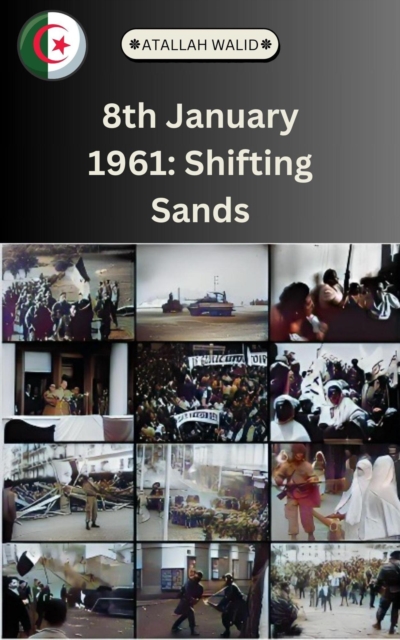
Amidst the tumult of the Algerian War, "e;8th January 1961: Shifting Sands"e; delves into a pivotal moment in history when the fate of Algeria hung in the balance.
In this memoir Ricardo Burguete, a Spanish soldier who served in the Philippines from 1896-1897, describes his journey to the Philippines, his impressions of the country, and his experiences in fighting Filipino insurrectionists in his 1902 memoir.
This visual history sheds light on forgotten parts of World War II history through the lens of the US Marine Corps, serving everywhere outside of the Pacific.
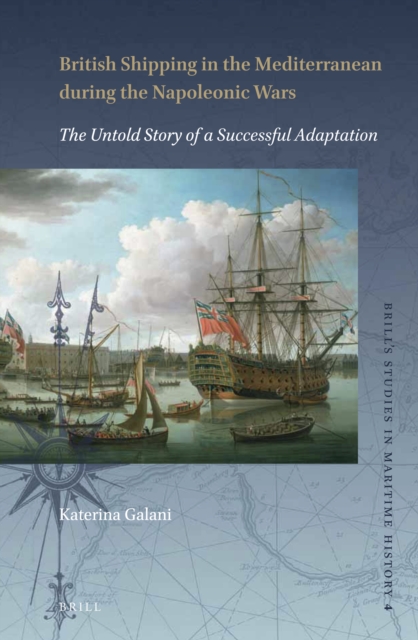
In British shipping in the Mediterranean Katerina Galani investigates the impact of the French and Napoleonic wars on British maritime economic activity.
Although Alasdair MacIntyre is best known today as the author of After Virtue (1981), he was, in the 1950s and 1960s, one of the most erudite members of Britain's Marxist Left: being a militant within, first, the Communist Party, then the New Left, and finally the heterodox Trotskyist International Socialism group.
This story, based on real events, provides us with an image adjusted to a historical moment – the mid-twentieth century – in which the world, in general, and Europe in particular, were divided into two large ideological blocs, as a result of the end of the S.
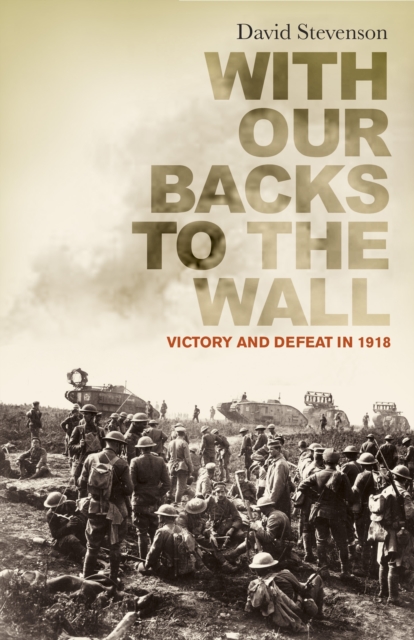
FINANCIAL TIMES HISTORY BOOK OF THE YEAR and DAILY TELEGRAPH BOOKS OF THE YEARShortlisted for the 2012 DUKE OF WESTMINSTER MEDAL FOR MILITARY LITERATUREAt the end of 1917 Britain and France faced a strategic nightmare.
In this memoir Ricardo Burguete, a Spanish soldier who served in the Philippines from 1896-1897, describes his journey to the Philippines, his impressions of the country, and his experiences in fighting Filipino insurrectionists in his 1902 memoir.
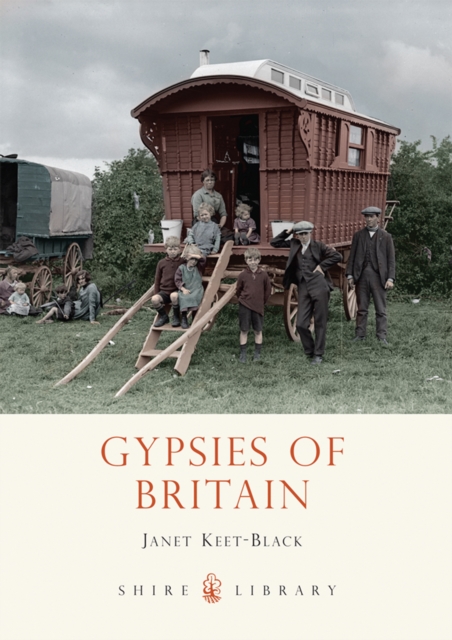
Gypsies have been a part of the British and European social fabric for centuries and have faced prejudice and oppression for nearly as long, since at least the time of Henry VIII.
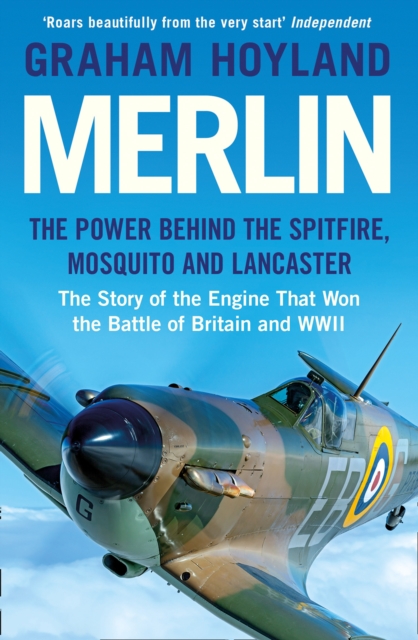
The most iconic planes of WWII, the Supermarine Spitfire, Hawker Hurricane, DeHavilland Mosquito and the Avro Lancaster, were all powered by one engine, the Rolls-Royce Merlin.
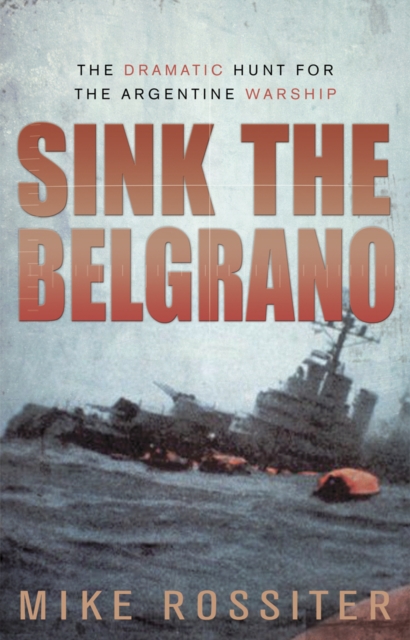
On the evening of 30 March, 1982, Commander David Hall, chief engineer of the British nuclear submarine HMS Conqueror received a telephone call giving him the order to 'store for war'.
"e;In the early 1990s, South Korea was showcased as a country that had combined extraordinary economic growth with a narrowing of income distribution, achieving remarkably low rates of unemployment and poverty.
This book presents Herman Hugo's The Siege of Breda (1626) in a modern-spelling edition of Henry Gage's 1627 English translation, introduced and contextualised by Paul Arblaster.
This book tells the epic thousand-year story of Britain's Jewish community, the country's oldest minority group, replete with the dark episodes of persecution and expulsion, but also with positive periods of acceptance and toleration.
Eleni Gage, a young journalist living in New York, leaves her Manhattan flat to return to the remote but beautiful Greek village of Lia in northern Greece and rebuild her ruined ancestral home.