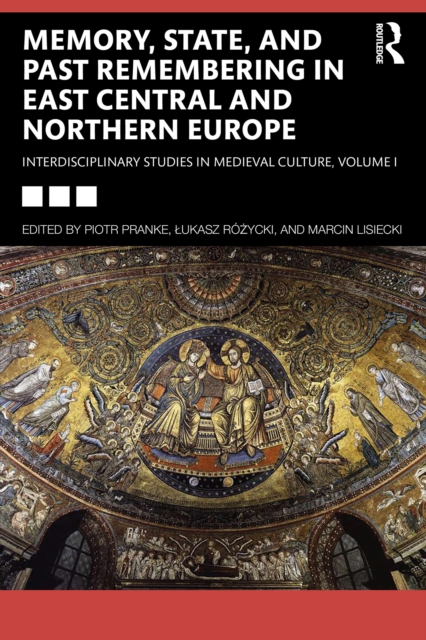
Analyzing the mechanisms that led to the formation of early state forms, this book defines the role of gifts, religious belief systems, prestige, and reciprocity within segmentary and chiefdom societies in eastern Europe.
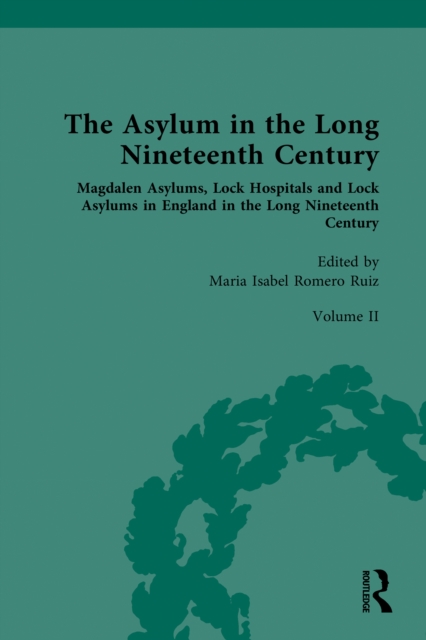
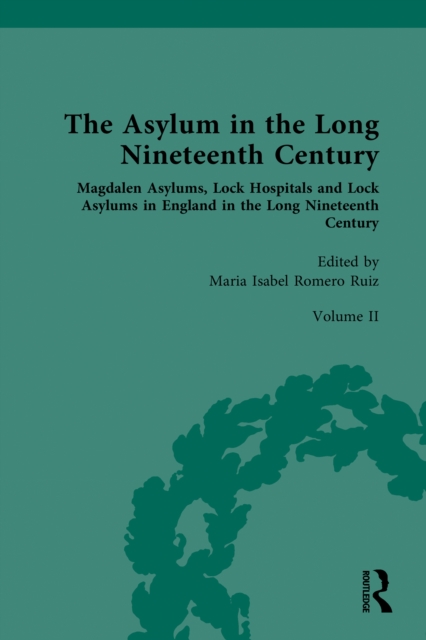
This volume is concerned with Lock Hospitals and Magdalen Asylums in England in the nineteenth century, focusing on rare and difficult-to-access published and/or archival material.
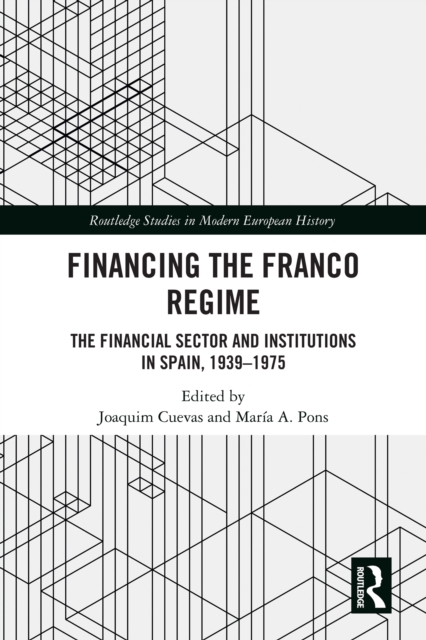
This book analyses the financial policies and institutions developed under the Franco regime over nearly four decades and how key actors - banks, savings banks, the foreign sector, the Banco de Espana and public debt management - were used to support the regime's economic objectives.
This volume is concerned with Lock Hospitals and Magdalen Asylums in England in the nineteenth century, focusing on rare and difficult-to-access published and/or archival material.
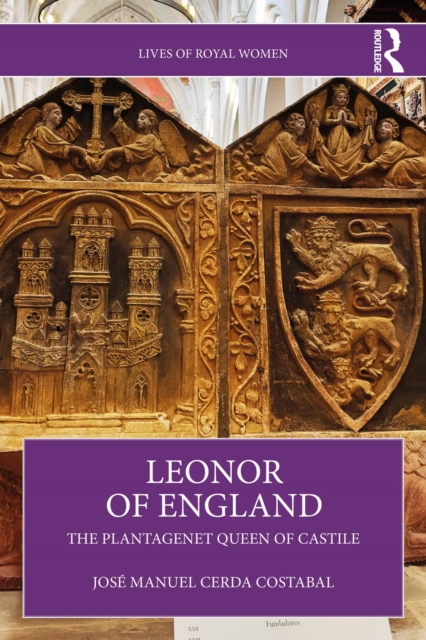
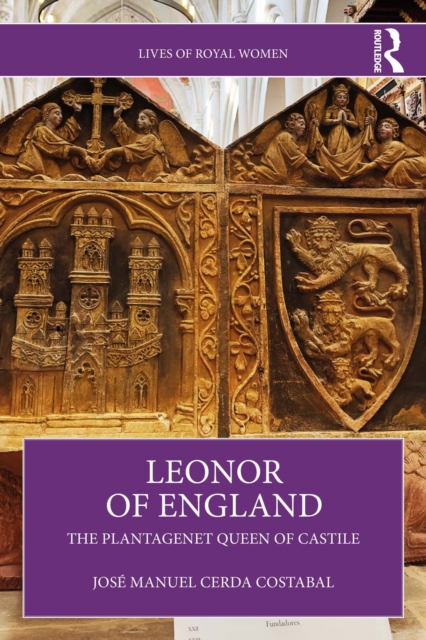
This book provides readers with the first biography in English on Leonor of England, bringing to life an understudied but fascinating figure who has been overshadowed by her famed parents and brothers.
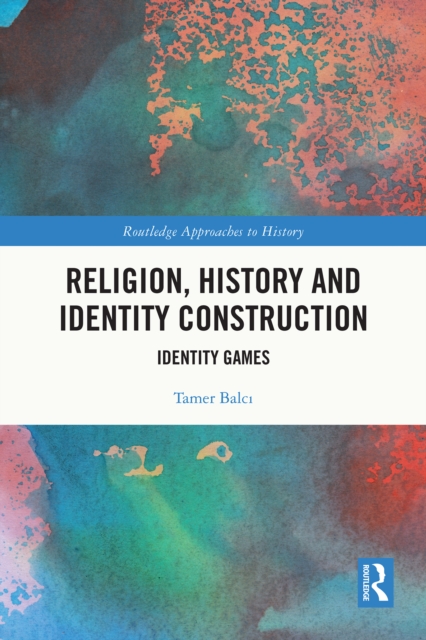
Religion, History and Identity Construction: Identity Games covers the historiographical shift from universalistic monogenist narratives to chauvinistic polygenist narratives in the eighteenth and nineteenth centuries.
This book analyses the financial policies and institutions developed under the Franco regime over nearly four decades and how key actors - banks, savings banks, the foreign sector, the Banco de Espana and public debt management - were used to support the regime's economic objectives.
First published in 1970, The Social Origins of English Education breaks new ground by going back to the origins of English education in tribal society.
Master-Narrative Transitions from the Vikings to Artificial Intelligence: How Fiction Helps Communities Adapt to a Changing World examines how societies survive and transform when their foundational stories begin to collapse.
First published in 1970, The Social Origins of English Education breaks new ground by going back to the origins of English education in tribal society.
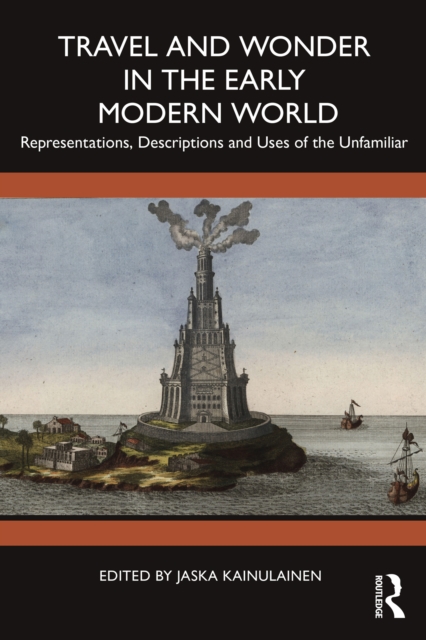
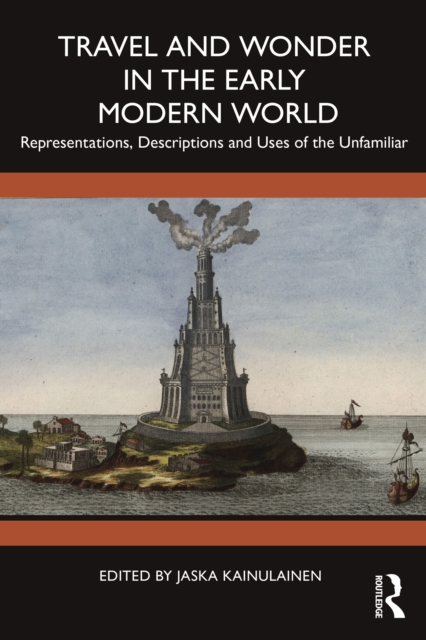
This collection of chapters explores wonder in the context of early modern travel and travel writing, offering multifaceted and novel interpretations of the problematic relationship between a traveller and their unfamiliar environment through various geographical, chronological and thematic lenses.
Analyzing the mechanisms that led to the formation of early state forms, this book defines the role of gifts, religious belief systems, prestige, and reciprocity within segmentary and chiefdom societies in eastern Europe.
Master-Narrative Transitions from the Vikings to Artificial Intelligence: How Fiction Helps Communities Adapt to a Changing World examines how societies survive and transform when their foundational stories begin to collapse.
This collection of chapters explores wonder in the context of early modern travel and travel writing, offering multifaceted and novel interpretations of the problematic relationship between a traveller and their unfamiliar environment through various geographical, chronological and thematic lenses.
Analysing the mechanisms that led to the formation of early state forms, this book defines the role of gifts, religious belief systems, prestige, and reciprocity within segmentary and chiefdom societies in East and Northern Europe.
The revocation of the religious liberties of the French Protestants, from the full operation of the Edict in 1610 downward to the Revocation, the eighteenth-century oppression and the Camisard Rebellion, to the restoration of toleration and of equality.
Iberia negra provides textual and methodological resources to investigate and study the African Diaspora and early modern Iberian Studies with a transatlantic and global perspective.
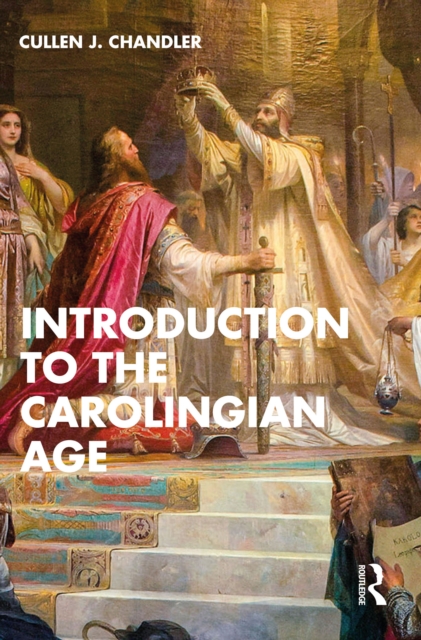
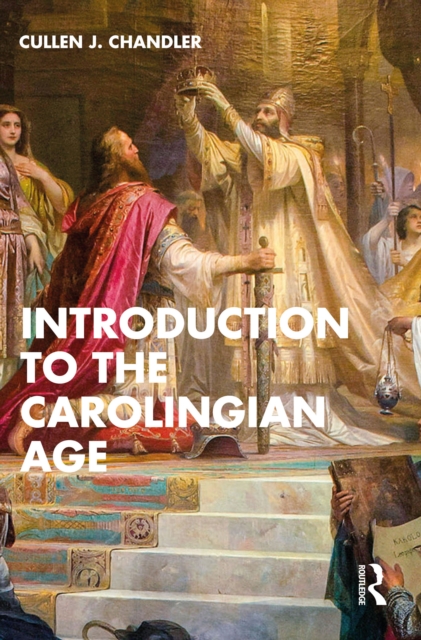
Introduction to the Carolingian Age provides an accessible history of western Europe in the eighth and ninth centuries, when arguably a truly European civilization emerged out of the transformed, former world of the Roman Empire.
The Commentary of Theodore of Mopsuestia on the Lord's Prayer and on the Sacraments of Baptism and the Eucharist is an important witness to the development of Christianity.
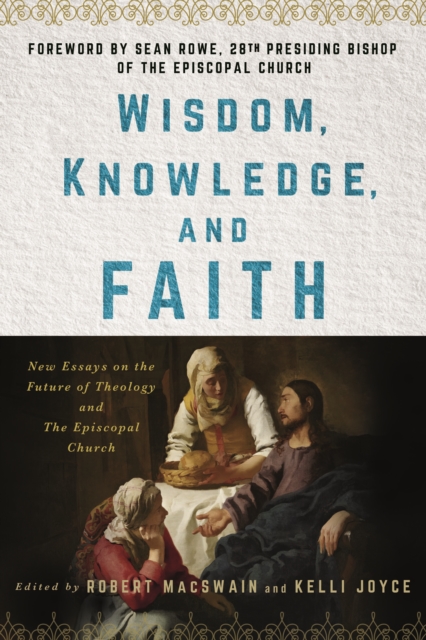
Leading contemporary Episcopal theologians, both established figures andemerging voices, reflect on the vocation of theology from their unique perspectives.
Islam, Nationalism, and 1000 Years of European Poetry considers the long history of Islam and European poetry and its central importance in the development of European culture.
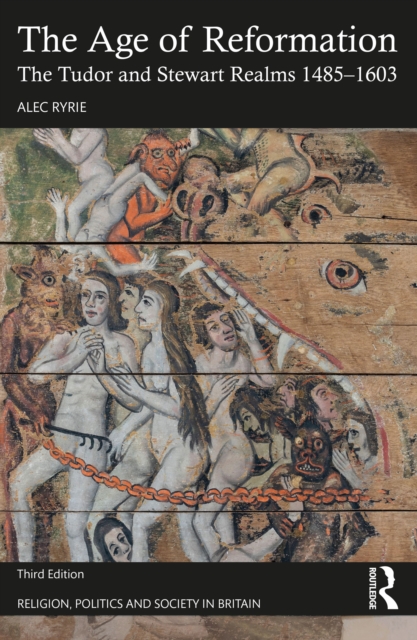
Now in its third edition, The Age of Reformation has been fully updated and extended, offering a comprehensive study of the relationships between religion, politics, and social change in the sixteenth century.
Originally published in 1977, Old Age in European Society provides an historical perspective on aging, a process which had received little attention from any group in the social sciences and virtually none from historians at the time.
Through the lens of identification procedures, this book examines how the processes of state-building affected European societies during the Napoleonic period.
This book provides readers with the first biography in English on Leonor of England, bringing to life an understudied but fascinating figure who has been overshadowed by her famed parents and brothers.
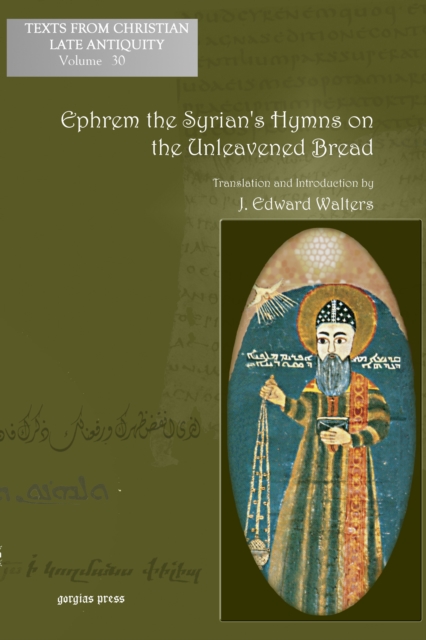
In this set of homilies Ephrem (306-373) invites the reader into a world of symbolic interpretation filled with imagination brimming beneath the surface of word-plays, alliteration, and typological comparisons.
Introduction to the Carolingian Age provides an accessible history of western Europe in the eighth and ninth centuries, when arguably a truly European civilization emerged out of the transformed, former world of the Roman Empire.
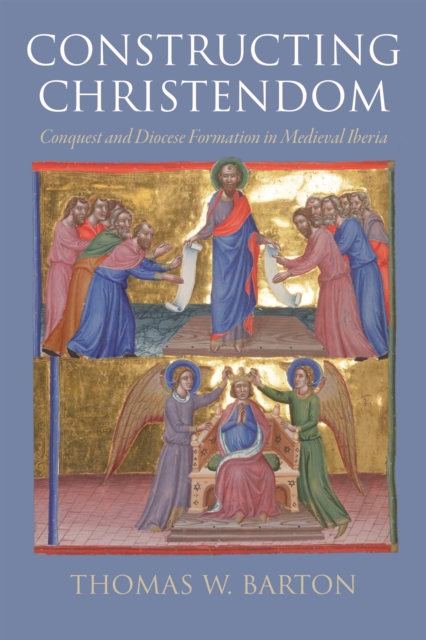
An examination of how church leaders partnered with lay rulers to integrate lands conquered from the Muslims in the Iberian Peninsula from the ninth through the fourteenth centuriesIn Constructing Christendom, Thomas W.
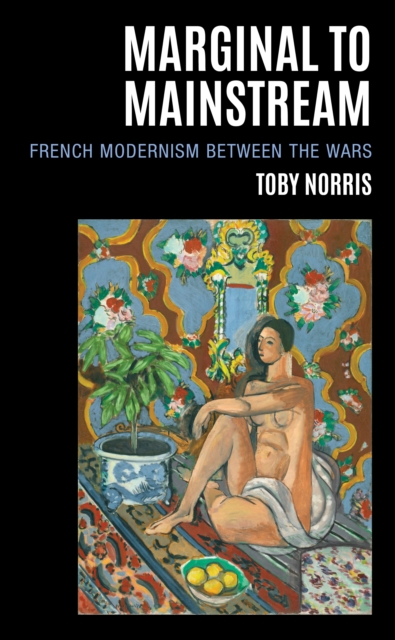
Marginal to Mainstream: French Modernism Between the Wars traces the near-miraculous progress of modern art in France in the first half of the twentieth century.
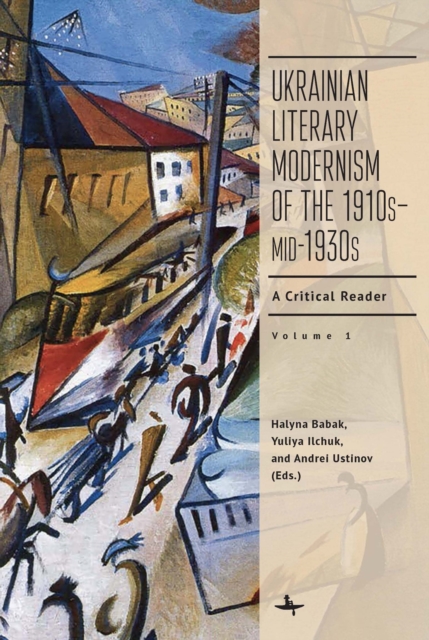
The Reader introduces Anglophone audiences to the original theoretical writings and poetry produced in Ukraine from the 1910s through the emergence of the totalitarian state under Stalin in the mid-1930s.
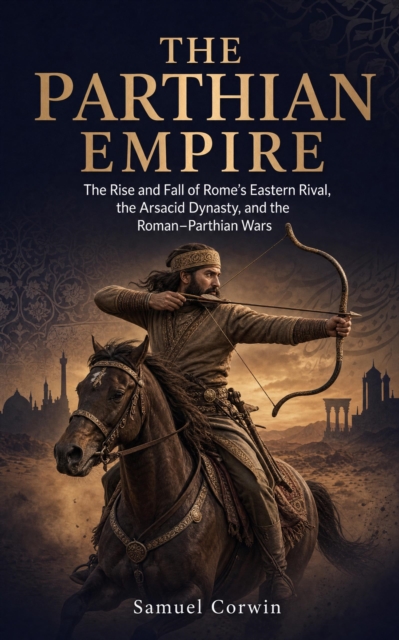
The Empire Rome Could Not Break: A History of the Parthian EmpireFor five centuries, one empire stood between Rome and the East - and Rome never broke it.
The Reader introduces Anglophone audiences to the original theoretical writings and poetry produced in Ukraine from the 1910s through the emergence of the totalitarian state under Stalin in the mid-1930s.
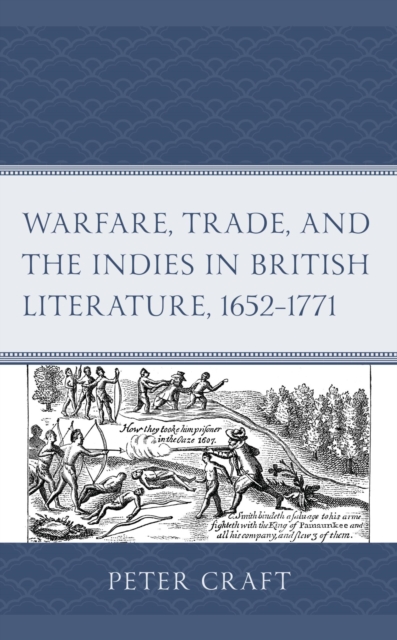
Warfare, Trade, and the Indies in British Literature, 1652-1771 demonstrates how British travel narratives of the long eighteenth century distinguished between Mughal and American "e;Indians.