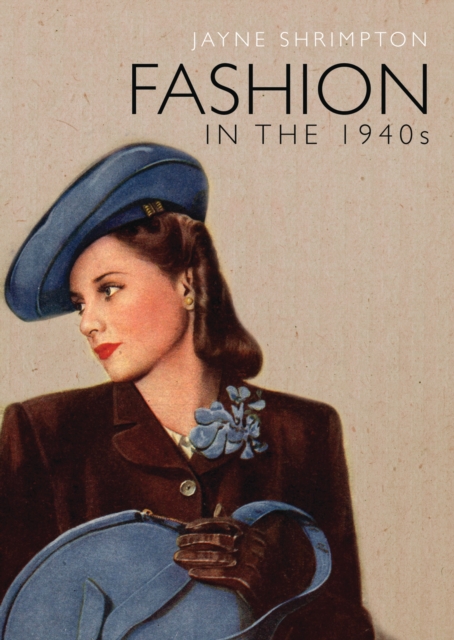
This book reveals the impact of wartime and austerity on British fashion and tells the story of how a spirit of patriotism and make-do-and-mend unleashed a wave of new creativity among women, starved of high fashion by shortages and rationing.
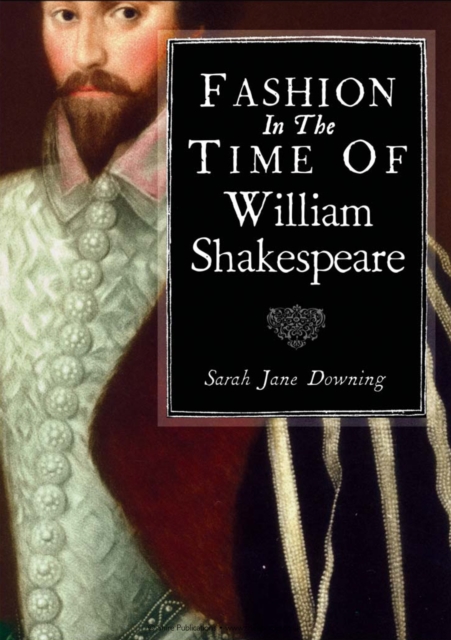
Garments and accessories are prominent in almost all of William Shakespeare's plays, from Hamlet and Othello to A Midsummer Night's Dream and Twelfth Night.
This book is a comprehensive study of more than 200 years of the shared and interconnected histories of Greek-Albanian relations, a field of inquiry that has not attracted the international scholarly attention it deserves.
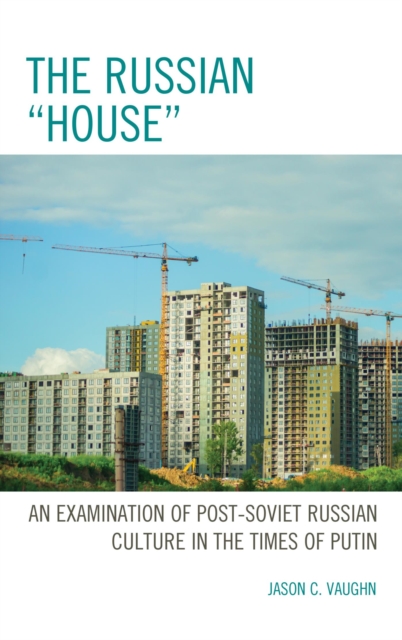
The Russian "e;House"e;: An Examination of Post-Soviet Russian Culture in the Times of Putin examines Russian society as considered by the Russian people.
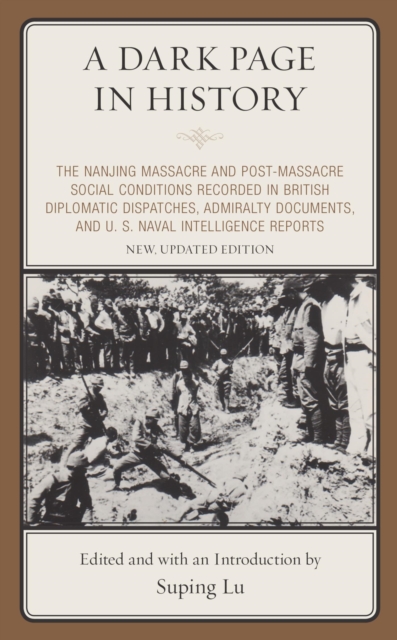
About three weeks after Japanese troops captured Nanjing when the worst of the atrocities was over, American diplomats were allowed to return to the city to re-open their embassy on January 6, 1938.
Imperial Designs is the first text in English to deal comprehensively with the subject of the Italian colonial experience in China in the nineteenth and twentieth centuries.
Novel Histories: British Women Writing History, 1760-1830 argues that British women's history and historical fiction in the late eighteenth and early nineteenth centuries changed not only the shape but also the political significance of women's writing.
Body of State offers a translation of Marco Baliani's acclaimed dramatic monologue, Corpo di stato, concerning the 1978 kidnapping and assassination of Italian Prime Minister Aldo Moro by the terrorist Red Brigades.
'A rollicking, brilliant book' GARETH RUSSELL'Hugely enjoyable' SUNDAY TIMESA rollicking narrative history set during the extraordinary summer of 1726 when Jonathan Swift arrived in London from Dublin, with a draft of Gulliver's Travels in his bag.
Islam and Papal Power in Late Medieval and Early Modern Europe traces the influential history of another book: Riccoldo da Montecroce's Contra legem Sarracenorum.
This book tells the epic thousand-year story of Britain's Jewish community, the country's oldest minority group, replete with the dark episodes of persecution and expulsion, but also with positive periods of acceptance and toleration.
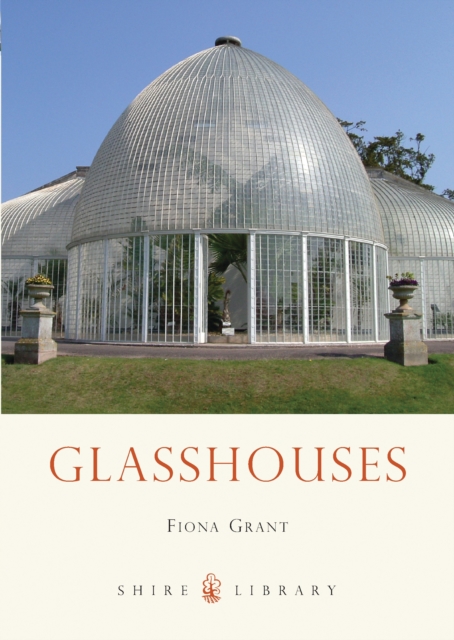
Since the early seventeenth century, when the cultivation of exotic plants and fruit became fashionable in northern Europe, glasshouses have offered an artificial climate in which they could flourish.
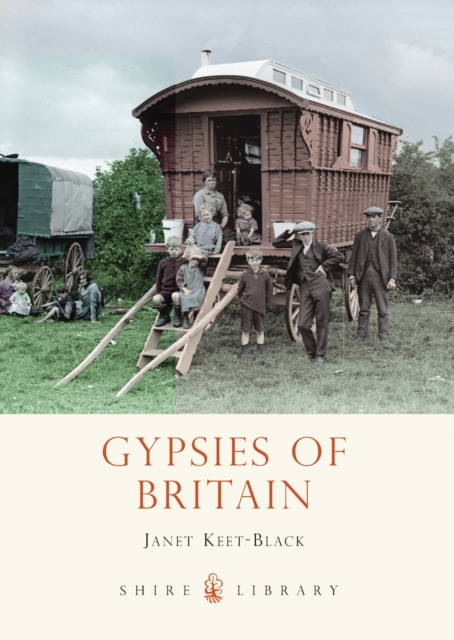
Gypsies have been a part of the British and European social fabric for centuries and have faced prejudice and oppression for nearly as long, since at least the time of Henry VIII.
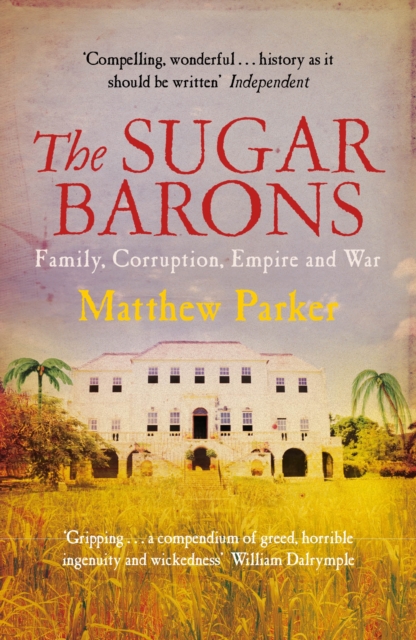
For 200 years after 1650 the West Indies were the most fought-over colonies in the world, as Europeans made and lost immense fortunes growing and trading in sugar - a commodity so lucrative that it was known as white gold.
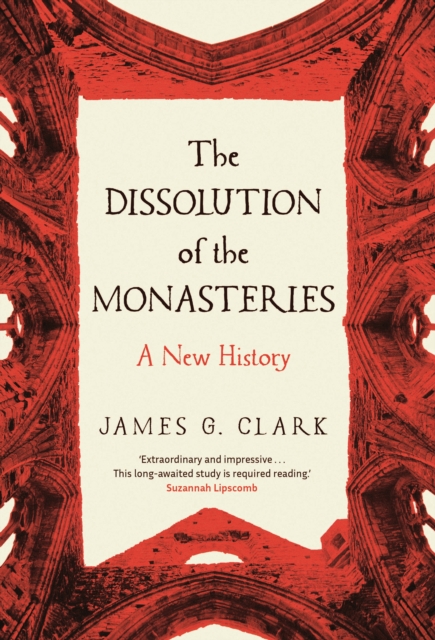
The first account of the dissolution of the monasteries for fifty years—exploring its profound impact on the people of Tudor England “This is a book about people, though, not ideas, and as a detailed account of an extraordinary human drama with a cast of thousands, it is an exceptional piece of historical writing.
A lively reimagining of how the distant medieval world of war functioned, drawing on the objects used and made by crusadersThroughout the Middle Ages crusading was justified by religious ideology, but the resulting military campaigns were fueled by concrete objectives: land, resources, power, reputation.
No conflict of the Great War excites stronger emotions than the war in Flanders in the autumn of 1917, and no name better encapsulates the horror and apparent futility of the Western Front than Passchendaele.
A thought-provoking, authoritative biography of one of history’s most maligned rulers: France’s Louis XVI “The definitive contribution to our understanding of Louis XVI as a man and a monarch.
The early modern period was not only an age of artistic and cultural flourishing but also one of intense diplomatic encounters across religious and cultural boundaries.
A lively reimagining of how the distant medieval world of war functioned, drawing on the objects used and made by crusadersThroughout the Middle Ages crusading was justified by religious ideology, but the resulting military campaigns were fueled by concrete objectives: land, resources, power, reputation.
Western travel and collecting classical antiquities in the nineteenth century informed European understandings of Greece's past and present, and enriched private collections and museums.
A sequel to her seminal book on Chaucer's House of Fame, Sheila Delany's elegant and innovative study of Chaucer's Legend of Good Women explores what it meant to be a reader and a writer, and to be English and a courtier, in the late fourteenth century.
Kenneth Bourne's Britain and the Balance of Power in North America, 1815-1908 offers an incisive analysis of British defense and foreign policy as shaped by the complex dynamics of Anglo-American relations.
Facets of the Enlightenment: Studies in English Literature and Its Contexts presents a collection of essays that delve into various aspects of English culture during the eighteenth century.
Facets of the Enlightenment: Studies in English Literature and Its Contexts presents a collection of essays that delve into various aspects of English culture during the eighteenth century.
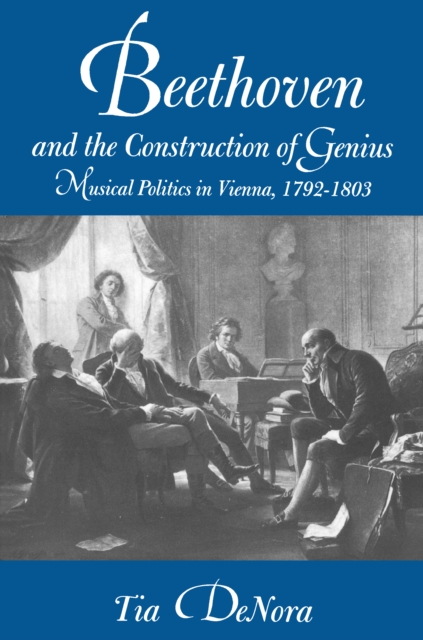
In this provocative account Tia DeNora reconceptualizes the notion of genius by placing the life and career of Ludwig van Beethoven in its social context.
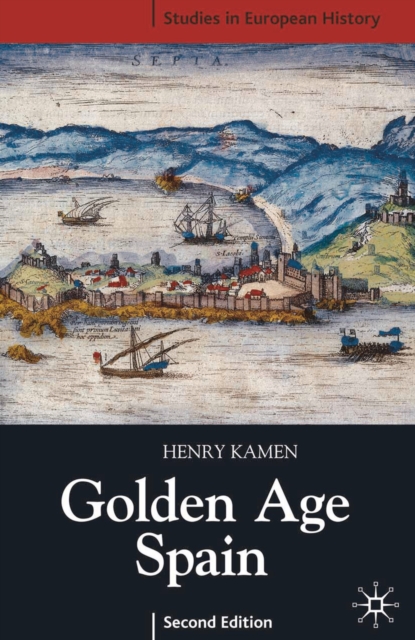
For over a century Spain controlled the greatest empire the world had ever seen, and its collapse provoked, both then as it does now, a range of analyses over which there has been little agreement.
It is now 80 years since Mussolini's Fascism came to power in Italy, but the political heirs of the original Fascism are part of government in today's Italy.