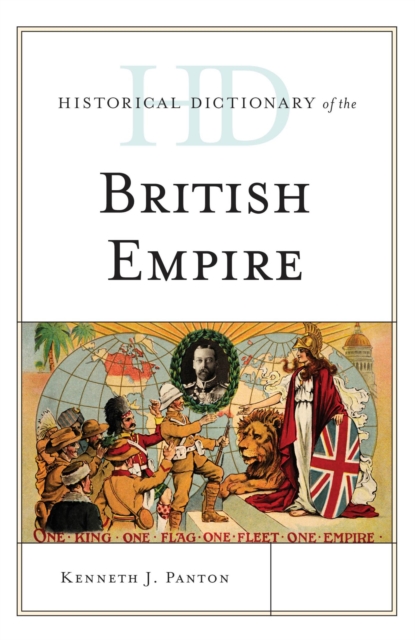
For much of the nineteenth and early twentieth centuries, Britain was the dominant world power, its strength based in large part on its command of an Empire that, in the years immediately after World War I, encompassed almost one-quarter of the earth's land surface and one-fifth of its population.
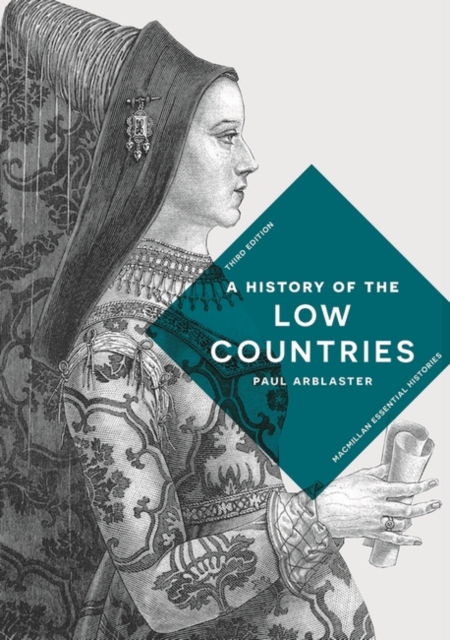
This introductory overview of the Low Countries' history traces their development since Roman times, providing equal weighting to the Netherlands, Belgium and Luxembourg.
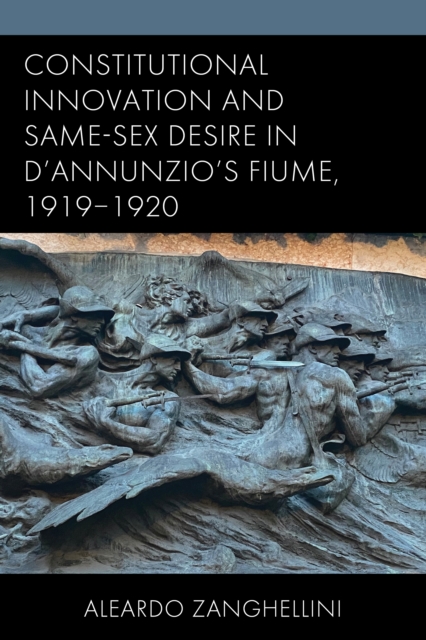
Drawing on novel archival evidence that sheds light on Anglo-Italian diplomatic relations and the French-Italian contest for power in the Adriatic, this book recounts the story of decadent poet Gabriele D'Annunzio's occupation of Fiume.
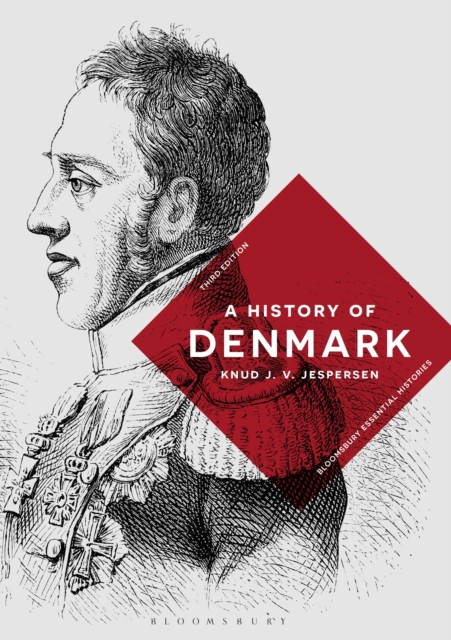
In this introductory guide, Knud Jespersen traces the process of disintegration and reduction that helped to form the modern Danish state, and the historical roots of Denmark's international position.
Drawing on novel archival evidence that sheds light on Anglo-Italian diplomatic relations and the French-Italian contest for power in the Adriatic, this book recounts the story of decadent poet Gabriele D'Annunzio's occupation of Fiume.
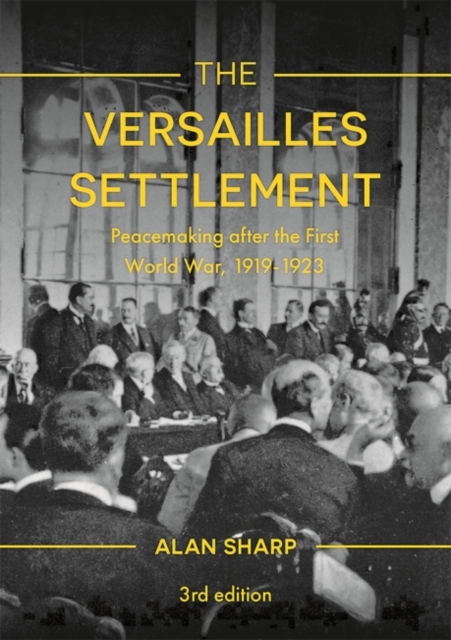
The third edition of this acclaimed textbook on peace-making after the First World War advances that the responsibility for the outbreak of a new, even more ruinous, war in 1939 cannot be ascribed entirely to the planet's most powerful men and their meeting in Paris in January 1919 to reassemble a shattered world.
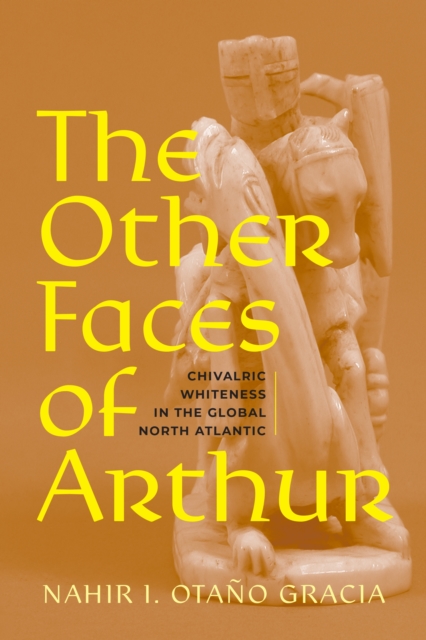
Reveals the role of Arthuriana in the racial logics of medieval Europe through an analysis of the construction of chivalric whitenessThe Other Faces of Arthur reveals the role of Arthuriana in the racial logics of medieval Europe through an analysis of the construction of whiteness in the global North Atlantic: Scandinavia, Britain, Iberia, and North Africa.
Even a brief glance at the maps of what has, or might have, been called Germany through the ages reveals a kaleidoscope of alterations in shape and composition.
Abandoning the traditional narrative approach to the subject, Richard Rex presents an analytical account which sets out the logic of Henry VIII's shortlived Reformation.
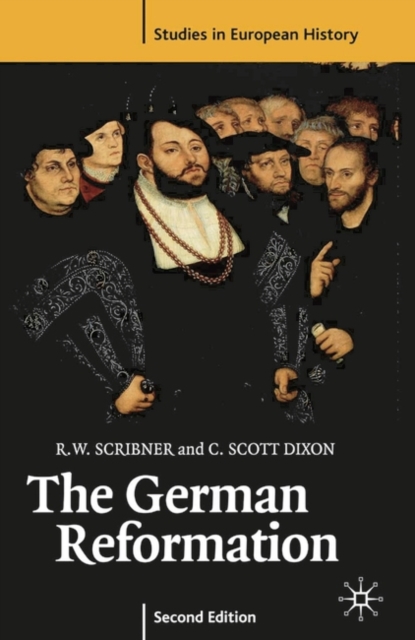
Over the past twenty years, new approaches to the history of the Reformation of the Church have radically altered our understanding of that event within its broadest social and cultural context.
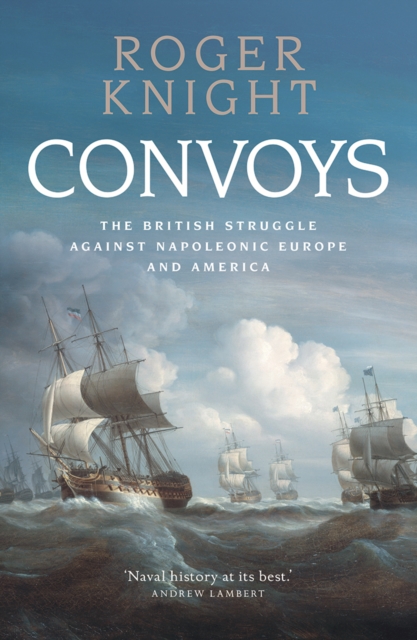
The first account of Britain’s convoys during the Napoleonic Wars—showing how the protection of trade played a decisive role in victory During the Napoleonic Wars thousands of merchant ships crisscrossed narrow seas and wide oceans, protected by Britain’s warships.
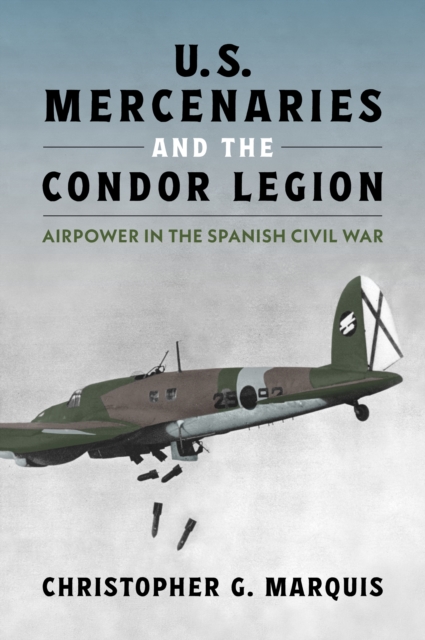
American military attaches document the impact of airpower during the Spanish Civil War, featuring intervention by some of the strongest air forces in the world in a prelude to World War II.
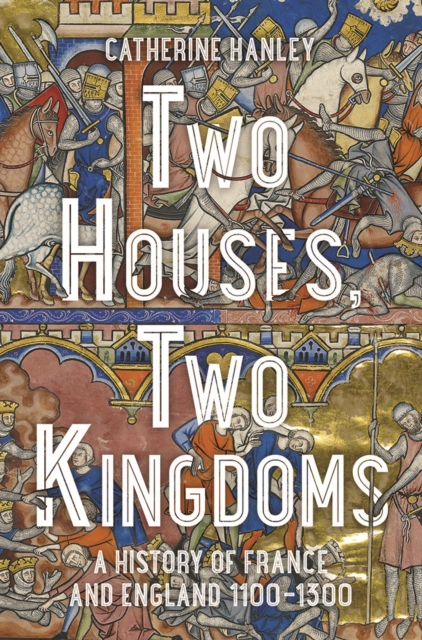
An exhilarating, accessible chronicle of the ruling families of France and England, showing how two dynasties formed one extraordinary story The twelfth and thirteenth centuries were a time of personal monarchy, when the close friendship or petty feuding between kings and queens could determine the course of history.
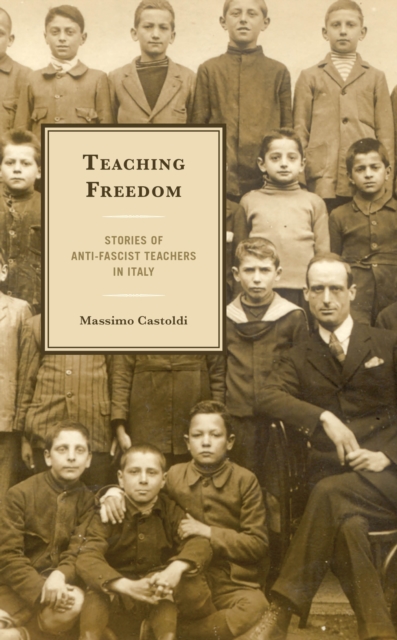
Starting in the early 1900s, male and female elementary schoolteachers in Italy gained increasing awareness of the role of social workers in the fight against illiteracy and in creating civic consciousness based on widespread, qualified education.
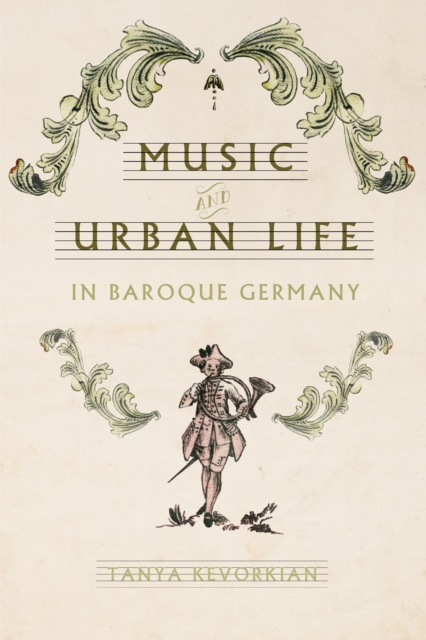
Music and Urban Life in Baroque Germany offers a new narrative of Baroque music, accessible to non-music specialists, in which Tanya Kevorkian defines the era in terms of social dynamics rather than style and genre development.
Political Vanity aims to illuminate the central debates over the historical, moral, and political legitimacy of market capitalism as though still profoundly theological in character.
No one can read far in the Old Testament without encountering numerous acts of violence that are sanctioned in the text and attributed to both God and humans.
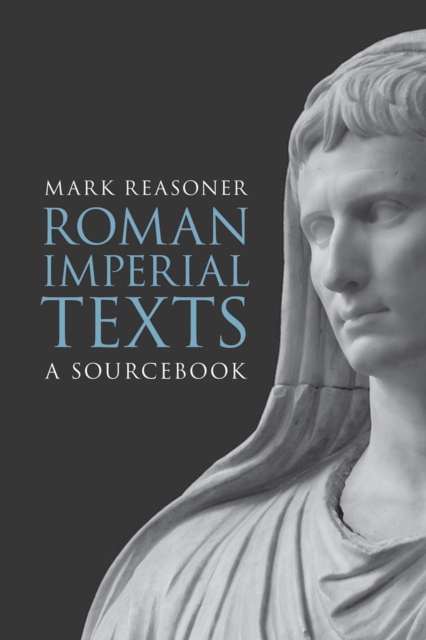
A selection of the most important sources for the cultural and political context of the early Roman Empire and the New Testament writings, Roman Imperial Texts includes freshly translated public speeches, official inscriptions, annals, essays, poems, and documents of veiled protest from the Empire’s subject peoples —all introduced by Mark Reasoner.