An engaging and authoritative history of Scotland’s influence in the world and the world’s on Scotland, from the Thirty Years’ War to the present day Scotland is one of the oldest nations in the world, yet by some it is hardly counted as a nation at all.
A new history that overturns the received wisdom that science displaced magic in Enlightenment Britain—named a Best Book of 2020 by the Financial Times In early modern Britain, belief in prophecies, omens, ghosts, apparitions and fairies was commonplace.
A fascinating life of Sergei Shchukin, the great collector who changed the face of Russia’s art world Sergei Shchukin was a highly successful textiles merchant in the latter half of the nineteenth century, but he also had a great eye for beauty.
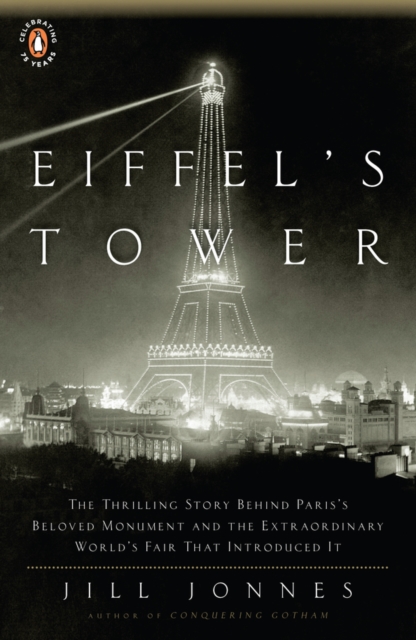
The story of the world-famous monument and the extraordinary world’s fair that introduced it, by the author of Conquering Gotham and Urban Forests
In this first general history of the Eiffel Tower in English, Jill Jonnes-acclaimed author of Conquering Gotham-offers an eye- opening look not only at the construction of one of the modern world''s most iconic structures, but also the epochal event that surrounded its arrival as a wonder of the world.
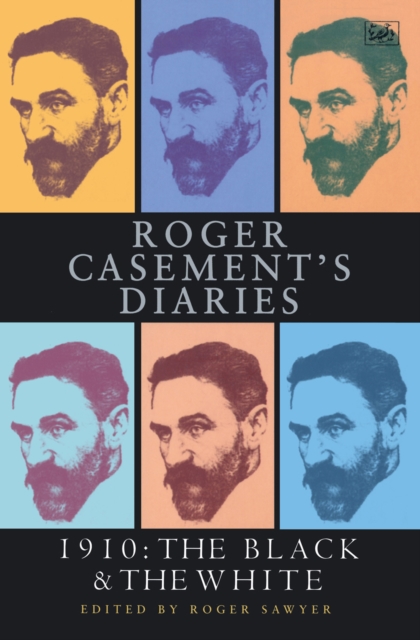
Born in Ireland in 1864 Roger Casement acted as British Consul in various parts of Africa (1895-1904) and Brazil (1906-11) where he denounced atrocities among Congolese and Putumayo rubber workers.
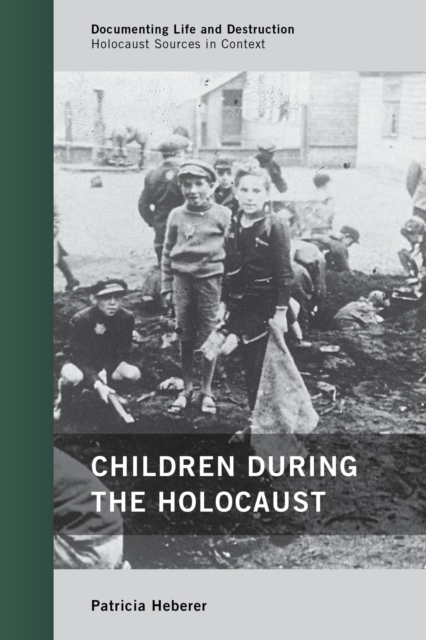
Children during the Holocaust, from the United States Holocaust Memorial Museum's Center for Advanced Holocaust Studies, tells the story of the Holocaust through the eyes, and fates, of its youngest victims.
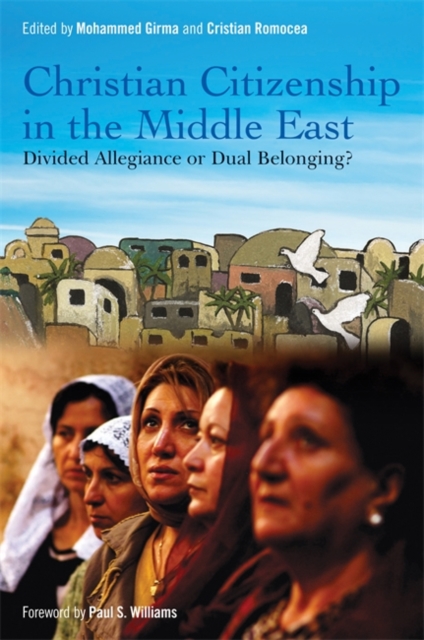
For Christians living as a persecuted minority in the Middle East, the question of whether their allegiance should lie with their faith or with the national communities they live in is a difficult one.
For Christians living as a persecuted minority in the Middle East, the question of whether their allegiance should lie with their faith or with the national communities they live in is a difficult one.
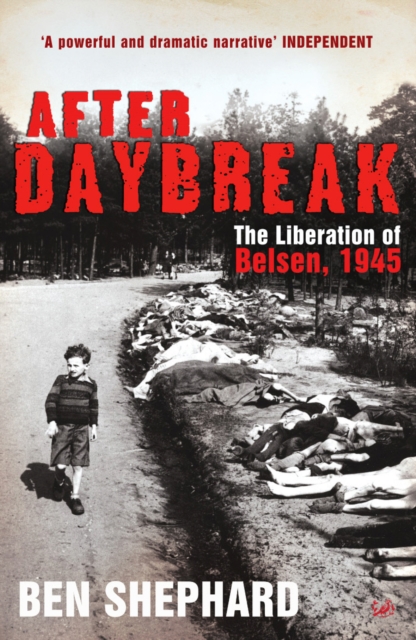
'The things I saw completely defy description': when British troops entered Bergen-Belsen concentration camp in April 1945, they uncovered scenes of horror and depravity that shocked the world.
*A New Statesman Best Summer Read*'A book to underline endlessly, to carry around until battered, and then to tell all your friends to buy because you're too reluctant to give up your own copy.
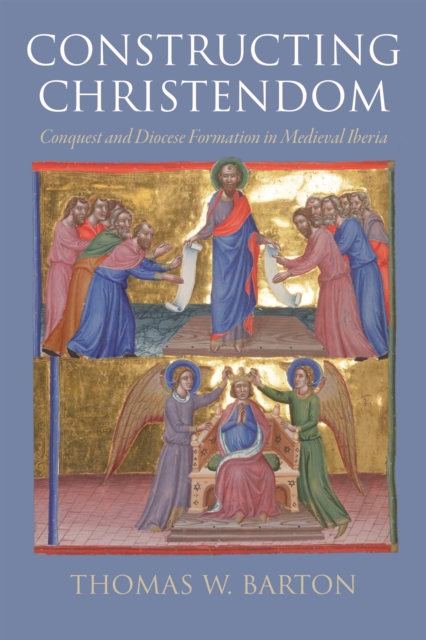
An examination of how church leaders partnered with lay rulers to integrate lands conquered from the Muslims in the Iberian Peninsula from the ninth through the fourteenth centuriesIn Constructing Christendom, Thomas W.
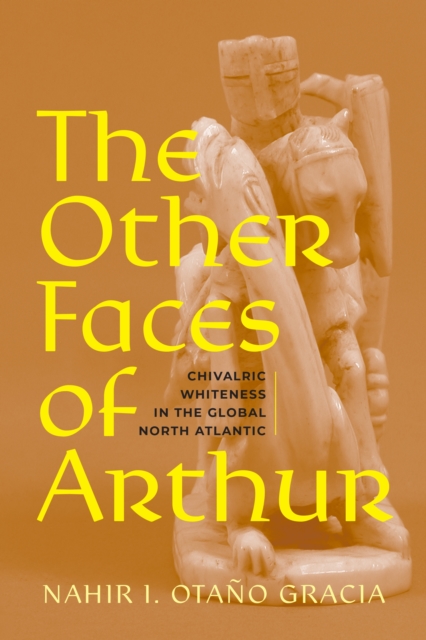
Reveals the role of Arthuriana in the racial logics of medieval Europe through an analysis of the construction of chivalric whitenessThe Other Faces of Arthur reveals the role of Arthuriana in the racial logics of medieval Europe through an analysis of the construction of whiteness in the global North Atlantic: Scandinavia, Britain, Iberia, and North Africa.
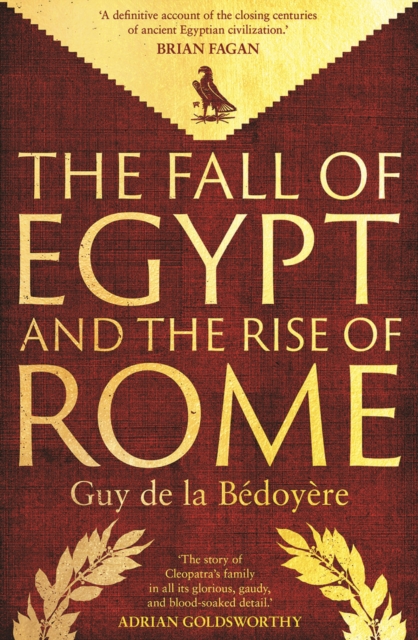
A compelling history of the Ptolemies, the decline of Egypt, and the rising power of the Roman Empire The Ptolemaic era, Egypt's last and one of its longest dynasties, was in many ways a gilded age.
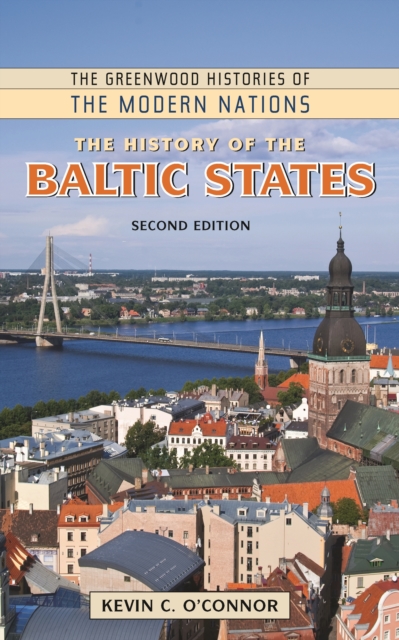
Updating the popular 2003 first edition, this book is a narrative history of the Baltic States with particular focus on the events of the 20th and 21st centuries.
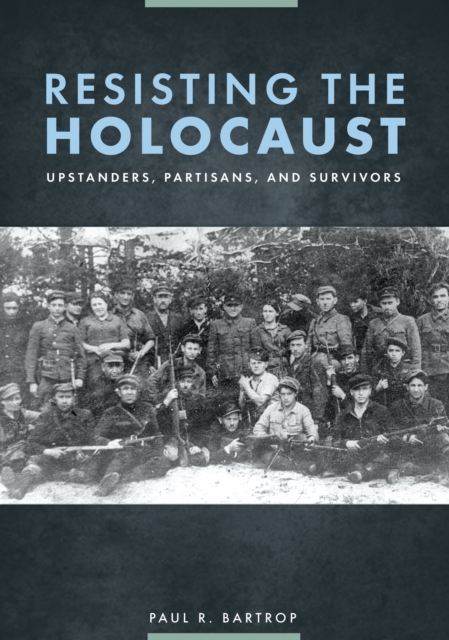
This book enables readers to learn about upstanders, partisans, and survivors from first-hand perspectives that reveal the many forms of resistance-some bold and defiant, some subtle-to the Nazis during the Holocaust.
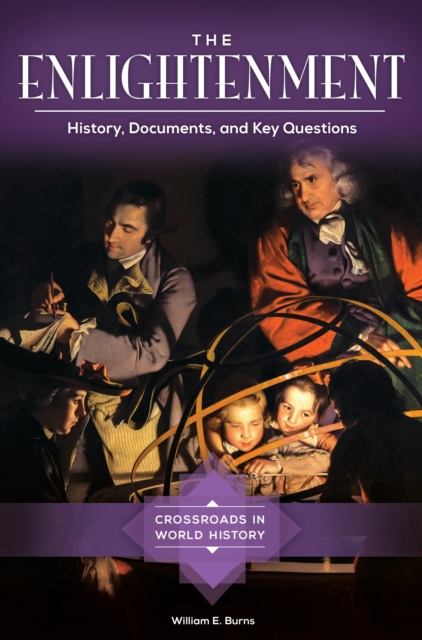
Based on the most recent scholarship, this book provides students and interested lay readers with a basic introduction to key facts and current controversies concerning the Enlightenment.
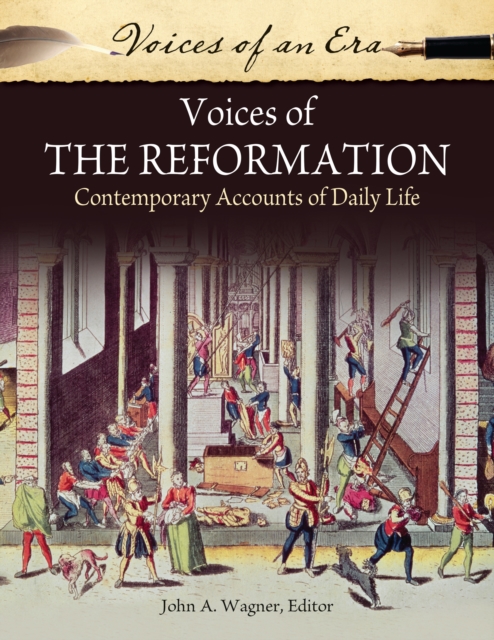
This fascinating collection of primary source documents furnishes the accounts-in their own words-of those who initiated, advanced, or lived through the Reformation.
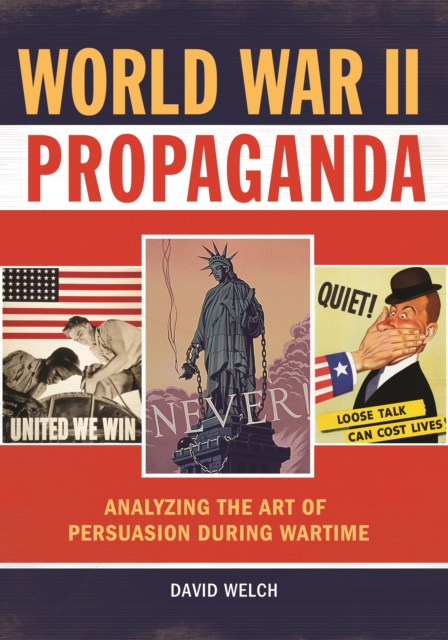
Shows in illuminating detail how the Allied and Axis forces used visual images and other propaganda material to sway public opinion during World War II.
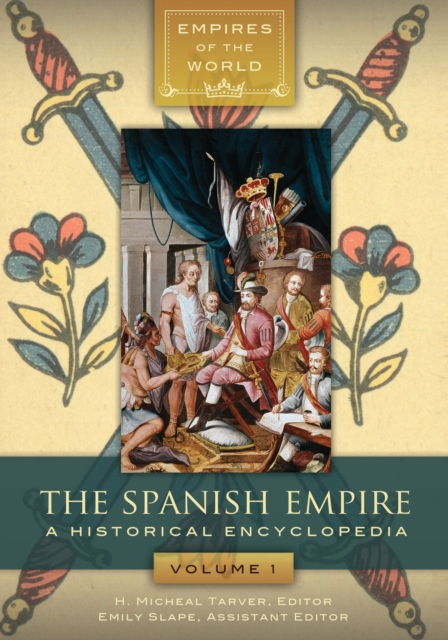
Through reference entries and primary documents, this book surveys a wide range of topics related to the history of the Spanish Empire, including past events and individuals as well as the Iberian kingdom's imperial legacy.
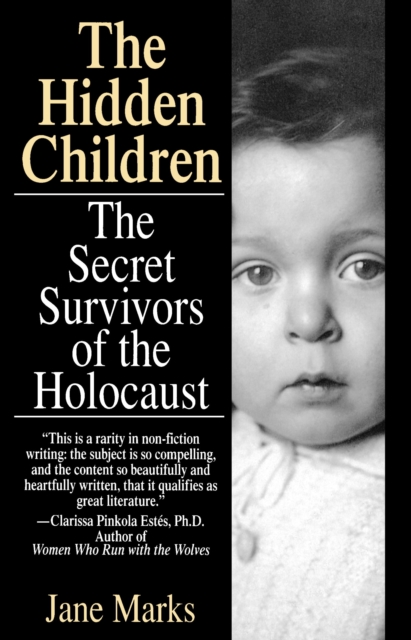
They hid wherever they could for as long as it took the Allies to win the war -- Jewish children, frightened, alone, often separated from their families.
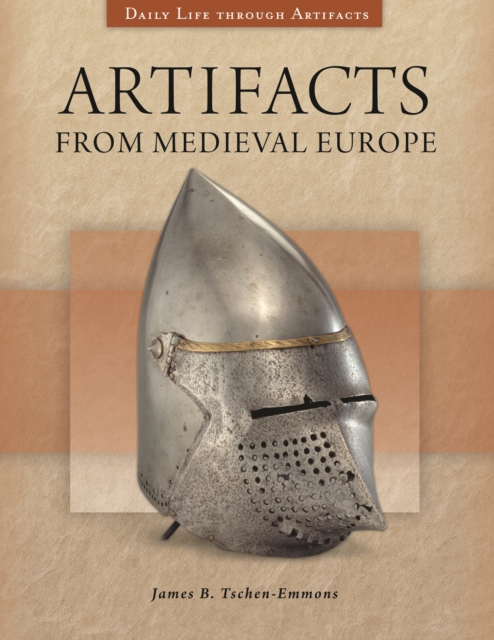
Using artifacts as primary sources, this book enables students to comprehensively assess and analyze historic evidence in the context of the medieval period.
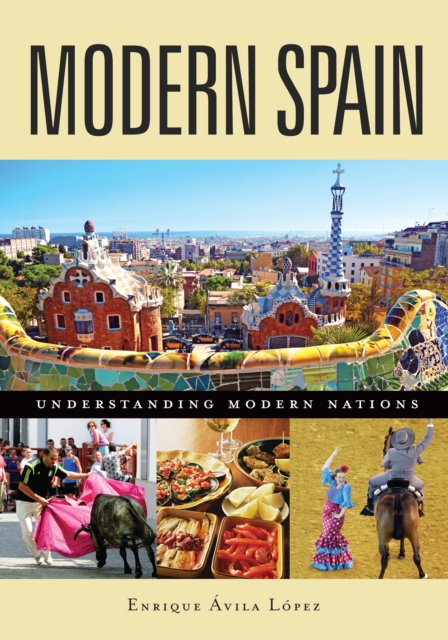
Fulfilling the need for English-source material on contemporary Spain, this book supplies readers with an in-depth, interdisciplinary guide to the country of Spain and its intricate, diverse culture.
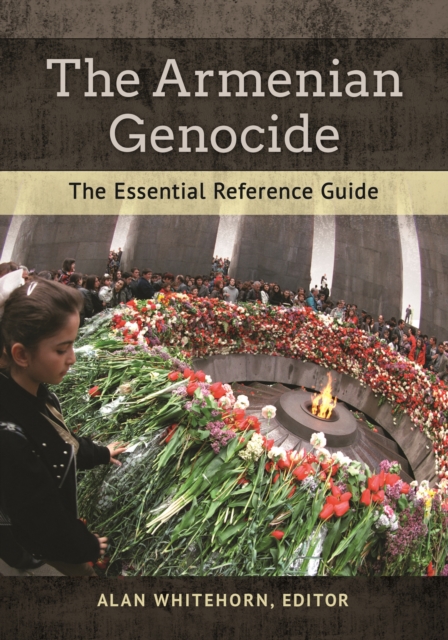
With its analytical introductory essays, more than 140 individual entries, a historical timeline, and primary documents, this book provides an essential reference volume on the Armenian Genocide.
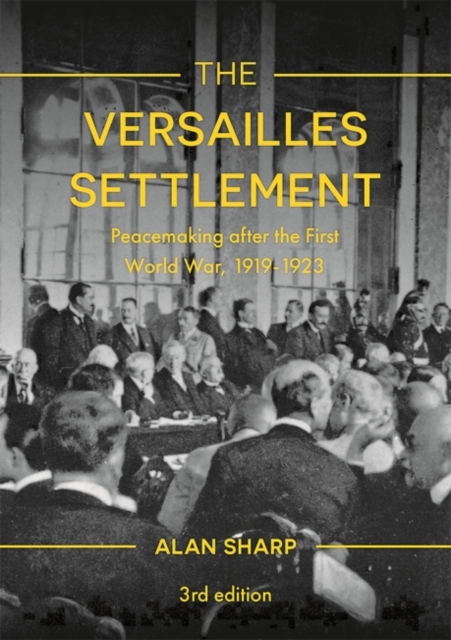
The third edition of this acclaimed textbook on peace-making after the First World War advances that the responsibility for the outbreak of a new, even more ruinous, war in 1939 cannot be ascribed entirely to the planet's most powerful men and their meeting in Paris in January 1919 to reassemble a shattered world.
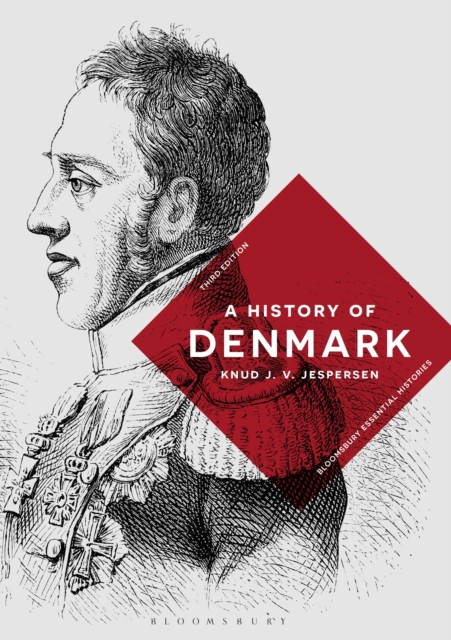
In this introductory guide, Knud Jespersen traces the process of disintegration and reduction that helped to form the modern Danish state, and the historical roots of Denmark's international position.
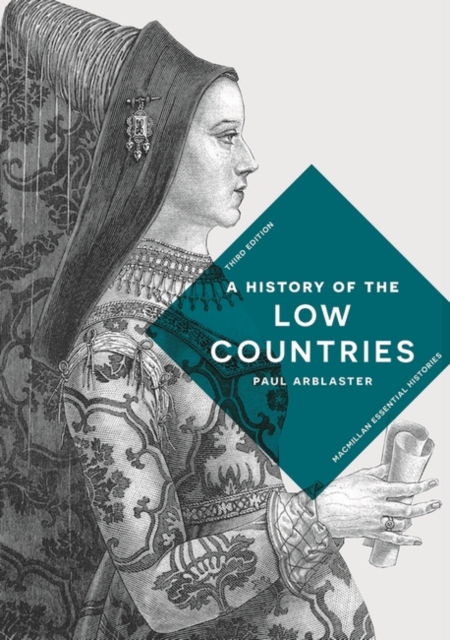
This introductory overview of the Low Countries' history traces their development since Roman times, providing equal weighting to the Netherlands, Belgium and Luxembourg.
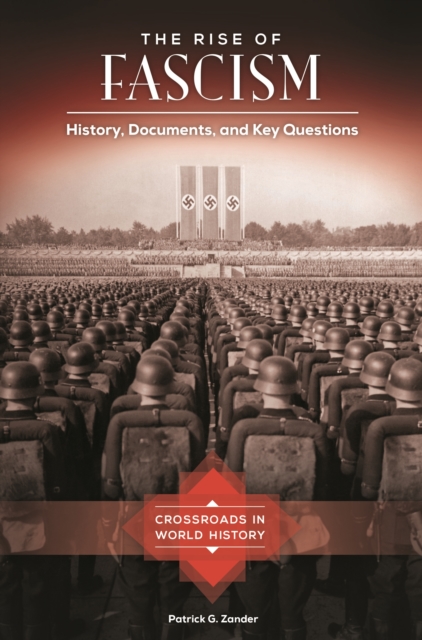
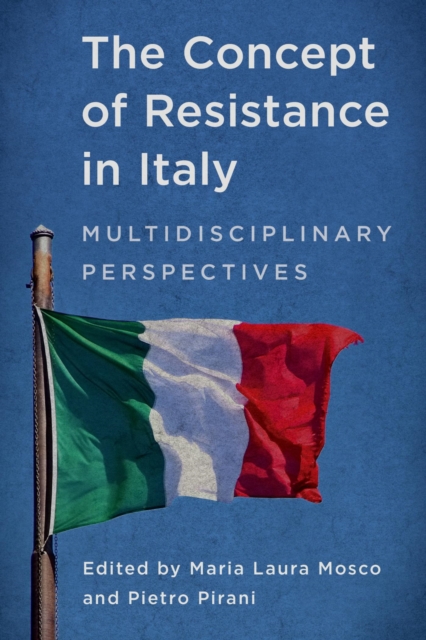
The Concept of Resistance in Italy brings together experts from different fields to reflect in a new, comprehensive critical approach, on an event that has shaped the young Italian nation from the onset of Fascism in the early 20s.
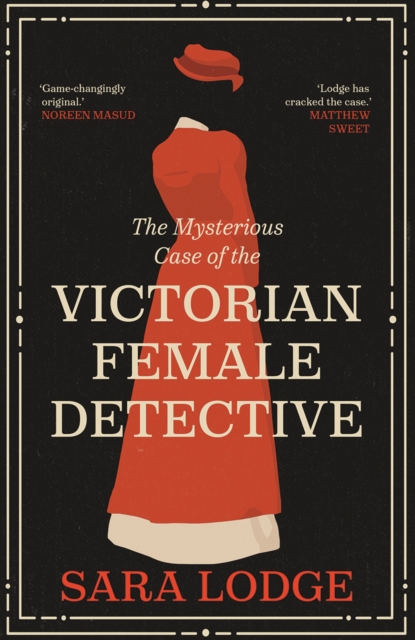
A revelatory history of the women who brought Victorian criminals to account-and how they became a cultural sensation From Wilkie Collins to the adventures of Sherlock Holmes, the traditional image of the Victorian detective is male.
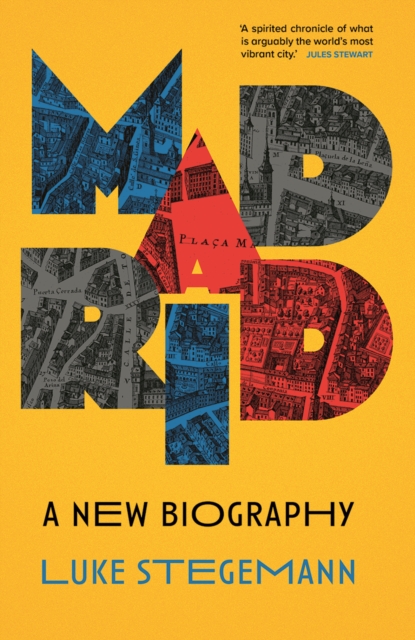
The miraculous story of Madrid-how a village became a great world city For centuries Madrid was an insignificant settlement on the central Iberian plateau.
This easy-to-use reference explores the people and events that shaped Russian military history-and impacted Europe, Asia, and the world-over the past eight centuries.
The two great Western technological revolutions of the past, the invention of movable type in the fifteenth century and the Industrial Revolution of the eighteenth century, changed the course of economies and societies and radically altered how humans interacted with each other and their world.
Their own origins myths put them at the scene of the Crucifixion, deprived of a home of their own, doomed to a life of wandering, and granted by God the right to steal from other people in order to survive.
German film is diverse and multi-faceted; its history includes five distinct German governments (Wilhelmine Germany, the Weimar Republic, the Third Reich, the Federal Republic of Germany, and the German Democratic Republic), two national industries (Germany and Austria), and a myriad of styles and production methods.
For more than 1,300 years Slovenes had lived in Eastern Europe without having a separate Slovene state, but in December of 1990, they voted for independence, or, put more appropriately, for "e;disassociation"e; from Yugoslavia.
The political map of Eastern Europe changed dramatically in December 1991 when the leaders of Belarus, Russia, and Ukraine huddled together in a Bielavieza Forest retreat and decided to dissolve the 15 union republics, which composed the Union of Soviet Socialist Republics (USSR).
At a crucial point in the twentieth century, as Nazi Germany prepared for war, negotiations between Britain, France, and the Soviet Union became the last chance to halt Hitler's aggression.
The A to Z of Slovakia offers an up to date series of cross-referenced dictionary entries on Slovak political, social, and economic development since the creation of the second Slovak Republic in 1993 until its admission into the European Union in 2004.