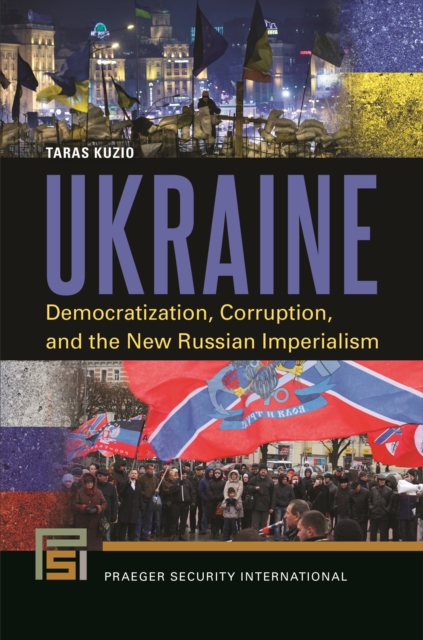
A definitive contemporary political, economic, and cultural history from a leading international expert, this is the first single-volume work to survey and analyze Soviet and post-Soviet Ukrainian history since 1953 as the basis for understanding the nation today.
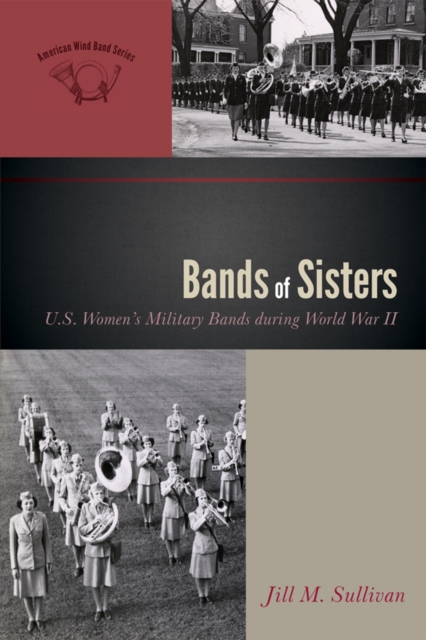
On Saturday, November 14, 1944, radio listeners heard an enthusiastic broadcast announcer describe something they had never heard before: Women singing the "e;Marines' Hymn"e; instead of the traditional all-male United States Marine Band.
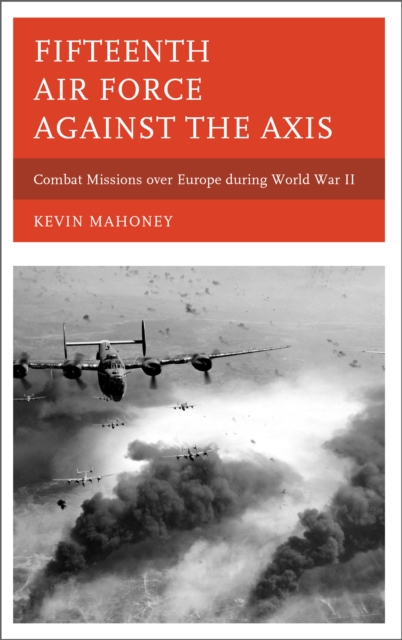
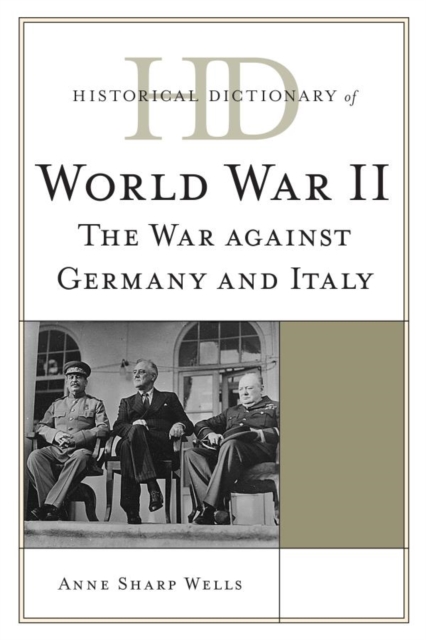
This dictionary covers the complex and costly conflict that began when Germany, ruled by Adolf Hitler and the Nazi Party, invaded neighboring Poland on 1 September 1939; and concluded when Germany surrendered on 7-9 May 1945, leaving much of the European continent in ruins and its population devastated.
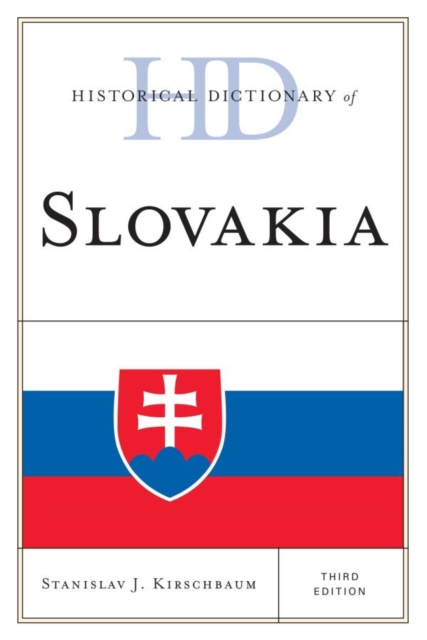
On the stroke of midnight on 1 January 2013, the inhabitants of Slovakia celebrated a major milestone in their history: two decades of democratic government and personal freedom.
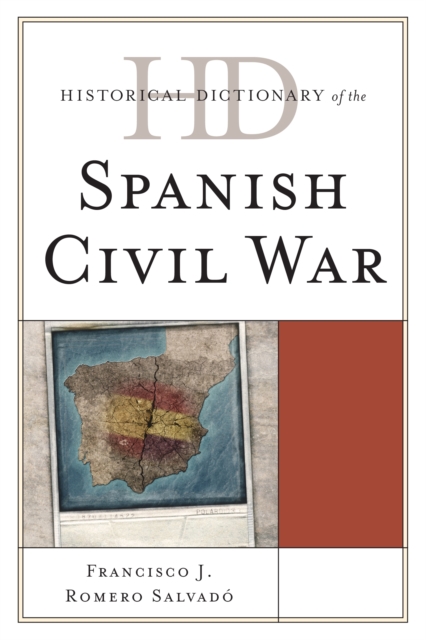
The tragedy that devastated Spain for 33 months from July 1936 to April 1939, was, first and foremost, a brutal fratricidal conflict, the product of the fatal clash between diametrically opposed views of Spain and an attempt to settle crucial issues which had divided Spaniards for generations: agrarian reform, recognition of the identity of the historical regions (Catalonia, the Basque Country), and the roles of the Catholic Church and the armed forces in a modern state.
This reference seeks to identify and briefly annotate a wide range of subjects relating to English musical culture, largely from the early 15th century through 1958, dates that reflect the coalescence of an identifiable English style in the early Renaissance and the death of the iconic Ralph Vaughan Williams in the mid-20th century.
British foreign policy has always been based on distinctive principles since the setting up of the Foreign Office in 1782 as one of the two original offices of state, the other being the Home Office.
All places undergo change, but in few has this change been quite as sweeping as Ireland - both the independent Republic of Ireland and dependent Northern Ireland - so it is good to see where it is heading at present.
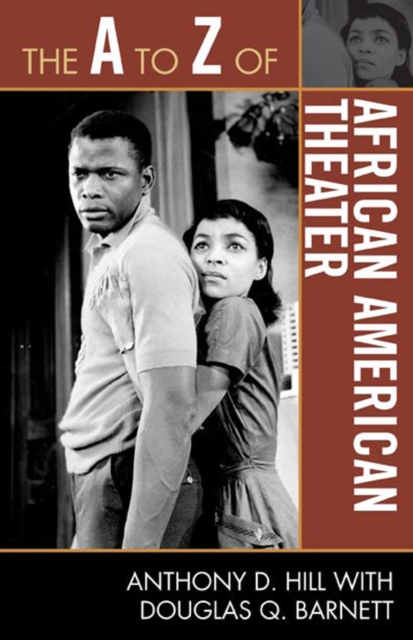
African American Theater is a vibrant and unique entity enriched by ancient Egyptian rituals, West African folklore, and European theatrical practices.
Czechoslovakia has been at the center of some of the most difficult-and tragic-episodes of modern European history: its sacrifice to Nazi Germany at Munich; the Communist Coup of 1948; and the military crushing of the Prague Spring.
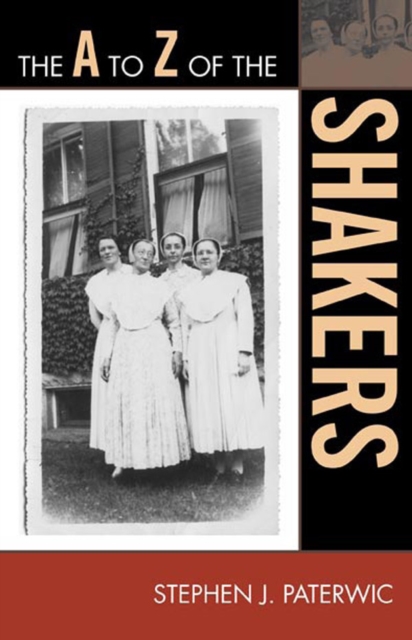
The United Society of Believers in Christ's Second Appearing, commonly known as the Shakers, followed Mother Ann Lee to the United States in 1774 when life in England became difficult.
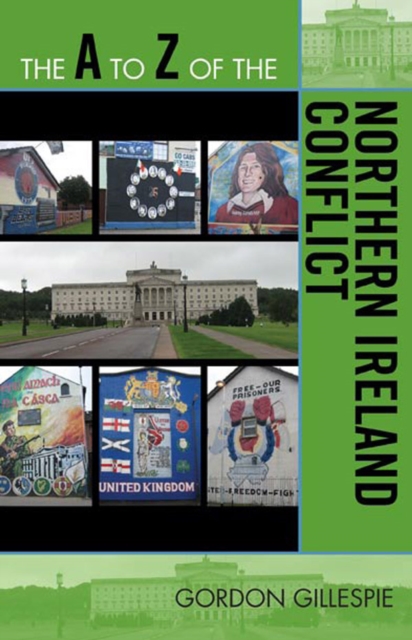
For nearly four decades the conflict in Ireland has embittered relations between the communities living there and spoiled relations between the Republic of Ireland and Great Britain.
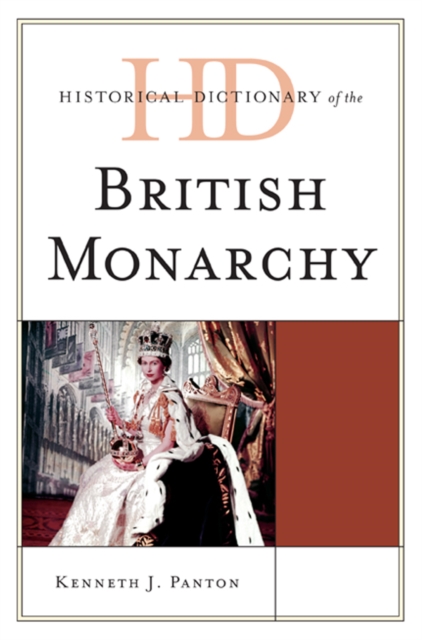
For much of the nineteenth and early twentieth centuries, Britain was the dominant world power, its strength based in large part on its command of an Empire that, in the years immediately after World War I, encompassed almost one-quarter of the earth's land surface and one-fifth of its population.
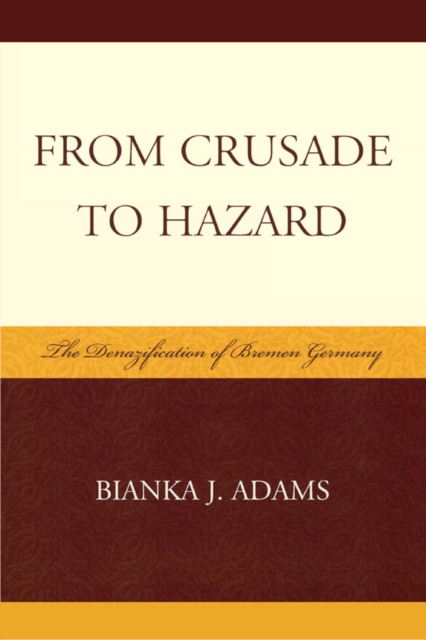
From Crusade to Hazard: The Denazification of Bremen Germany relates how the American and British combat forces and military government officers occupied, administered, and denazified Bremen and its environs from 1945 to 1947.
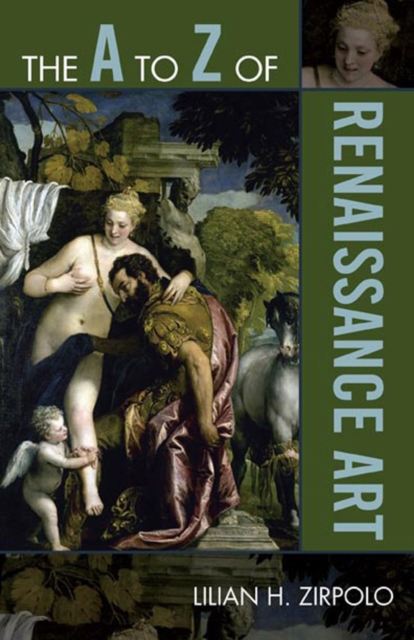
The Renaissance era was launched in Italy and gradually spread to the Netherlands, Germany, Spain, France, and other parts of Europe and the New World, with figures like Robert Campin, Jan van Eyck, Rogier van der Weyden, Albrecht Durer, and Albrecht Altdorfer.
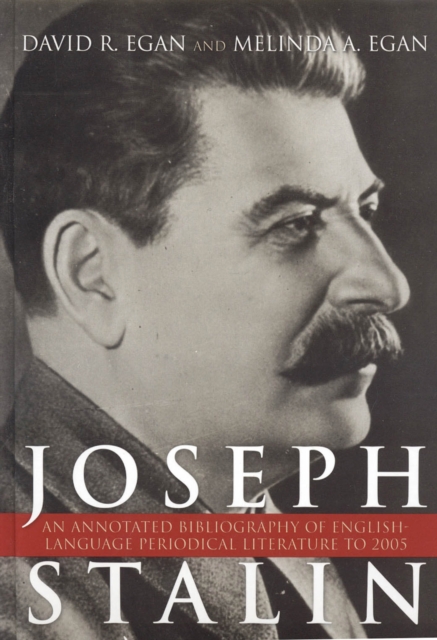
With the opening of Russian and communist-bloc archives dating from the Soviet-era, there has been a significant increase of scholarly writings pertaining to Joseph Stalin.
History is full of surprises, but rarely has there been a turnaround as unexpected, and momentous as what occurred to a formative Russia during the medieval period.
This resource strategically traces Greek warfare from 720 to 30 BC and its specific and extensive details-the wars, the troops, the armor, the military tactics, and other factors either affecting or affected by the wars.
The Enlightenment Movement changed society forever, driving it forward through new and fresh ways of thinking about science, religion, history, politics, and culture.
In the years immediately following World War II, information was disclosed about what has been termed the shadow war of the existence of hitherto secret agencies.
Cornelius Tacitus brilliantly chronicles the moral decline and rampant civil unrest in the Roman Empire in a period when the earliest foundations of modern Europe were being laid.
During the late 11th through the early 14th centuries at least seven major expeditions were made between Western Europe and the Holy Land with the goal of ending Muslim control of Jerusalem.
Covering the Millerite movement of the 1830s and 1840s, sabbatarian Adventism prior to organization of the denomination, and the Seventh-day Adventist Church since its organization in 1861-63, this volume provides a comprehensive history of the denomination.