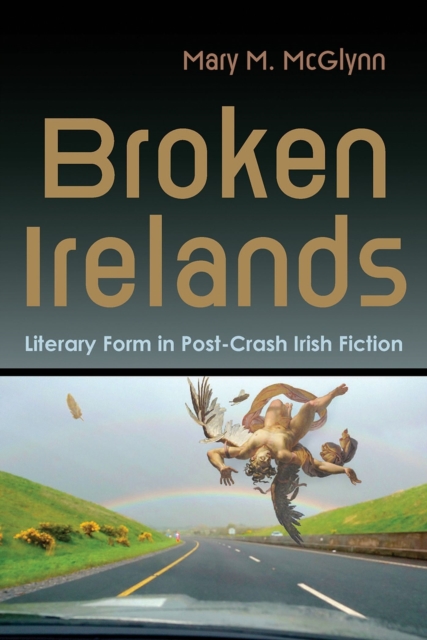
While the national narrative coming out of Ireland since the 2008 economic crisis has been relentlessly sanguine, fiction has offered a more nuanced perspective from both well-established and emerging authors.
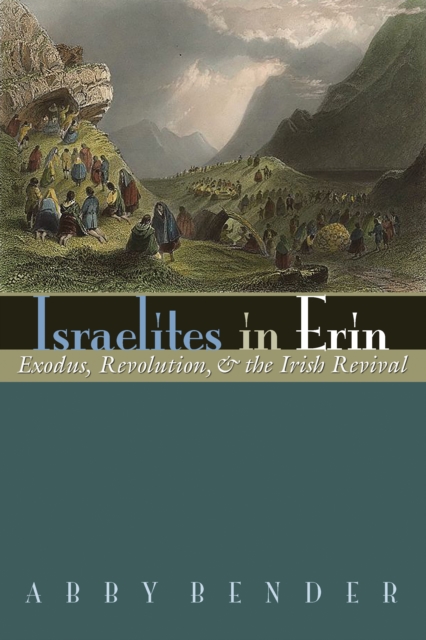
From the late nineteenth century through the early twentieth century, the story of the Israelites' liberation from bondage in Egypt served as the archetypal narrative for the birth of the Irish nation.
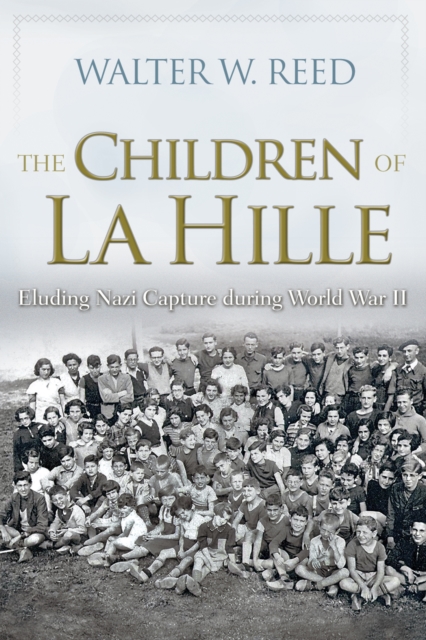
Following the horrors of Kristallnacht in November of 1938, frightened parents were forced to find refuge for their children, far from the escalating anti-Jewish violence.
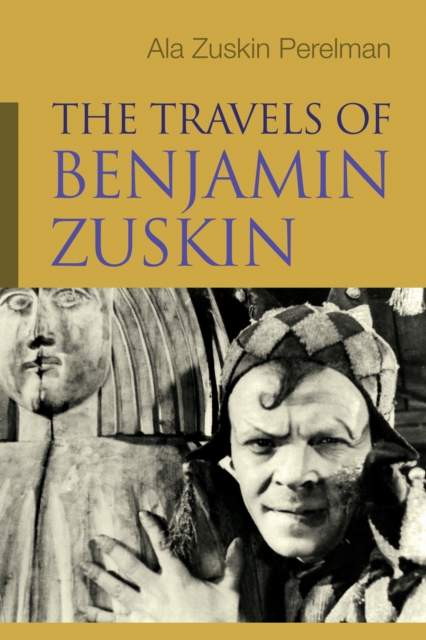
Described by theater critics as one of the twentieth century's greatest talents, Benjamin Zuskin (1899-1952) was a star of the Moscow State Jewish Theater.
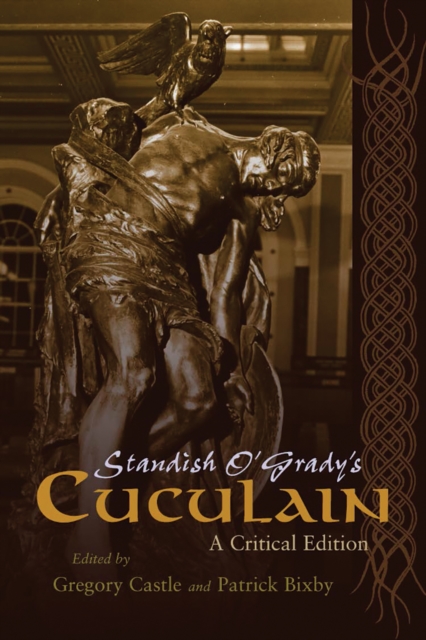
Between 1878 and 1881, Standish O'Grady published a three-volume History of Ireland that simultaneously recounted the heroic ancient past of the Irish people and helped to usher in a new era of cultural revival and political upheaval.
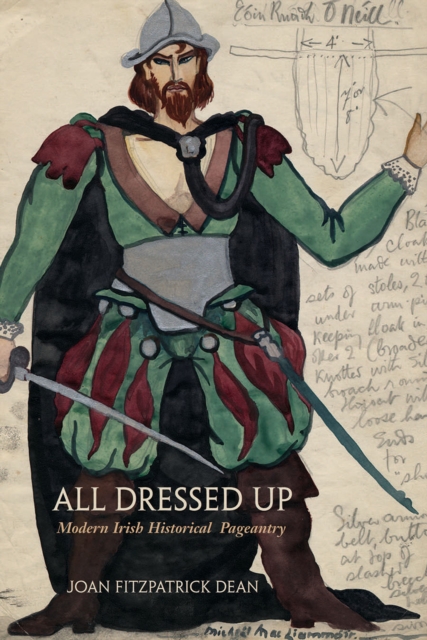
In the early twentieth century, publicly staged productions of significant historical, political, and religious events became increasingly popular-and increasingly grand-in Ireland.
In the fourth and final volume of the Memory Ireland series, Frawley and O'Callaghan explore the manifestations and values of cultural memory in Joyce's Ireland, both real and imagined.
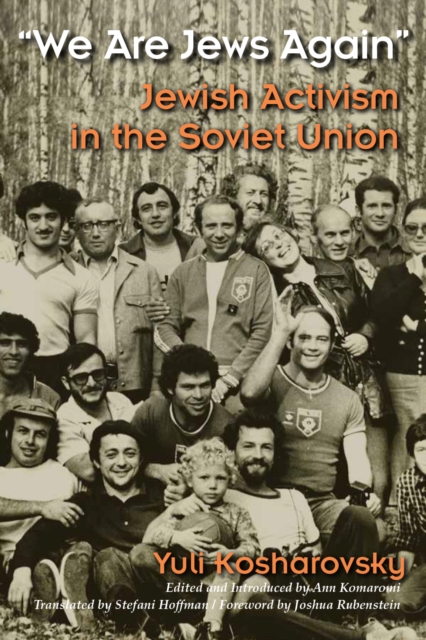
Kosharovsky's authoritative four-volume history of the Jewish movement in the Soviet Union is now available in a condensed and edited volume that makes this compelling insider's account of Soviet Jewish activism after Stalin available to a wider audience.
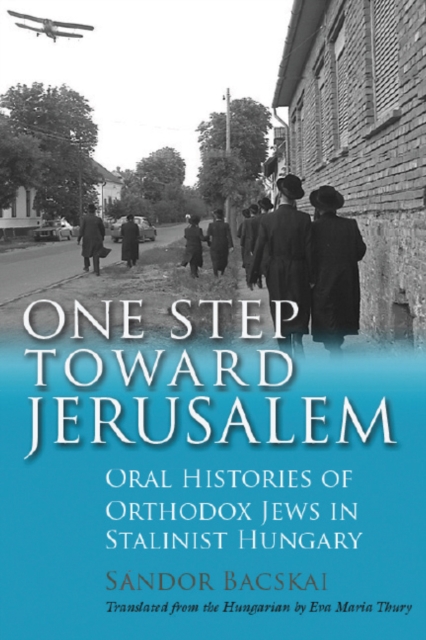
Originally published in 1997, Bacskai's powerful ethnography portrays the political, religious, and individual forces that came to bear on the Orthodox Jewish tradition as it struggled for survival in the aftermath of the Holocaust in Hungary.
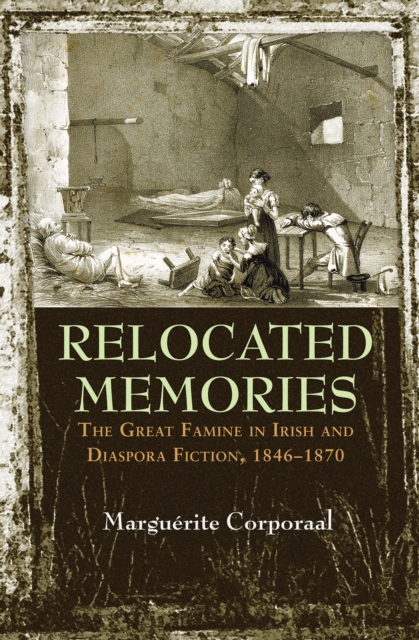
The Great Famine radically transformed Ireland; nearly one million people of the rural countryside died, and the eviction of farmers led to massive emigration.
Located in the often-contentious center of the European continent, German territory has regularly served as a primary tool through which to understand and study Germany's economic, cultural, and political development.
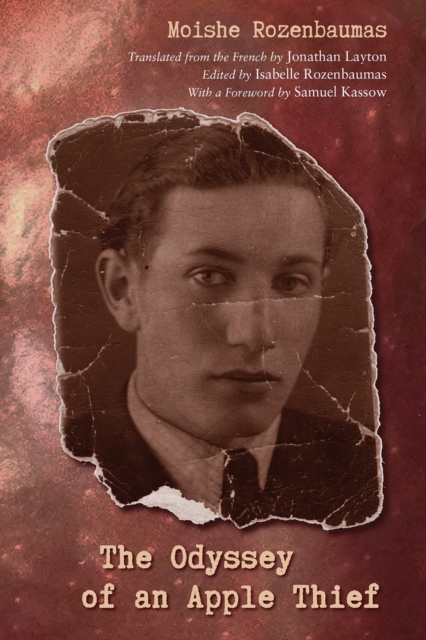
In The Odyssey of an Apple Thief, Moishe Rozenbaumas (1922-2016) recounts his fascinating life, from his Lithuanian boyhood, to the fraught experiences that take him across Europe and Central Asia and back again, to his daring escape from Soviet Russia to build a new life in Paris.
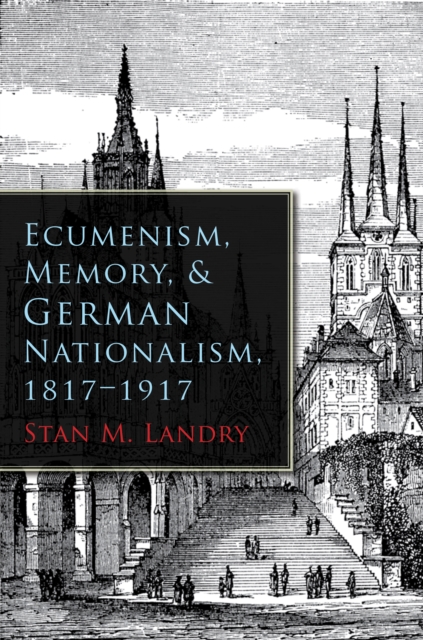
Explores the relationship among the German confessional divide, collective memories of religion, and the construction of German national identity and difference.
Jews in Nazi-occupied Warsaw during the 1940s were under increasing threat as they were stripped of their rights and forced to live in a guarded ghetto away from the non-Jewish Polish population.
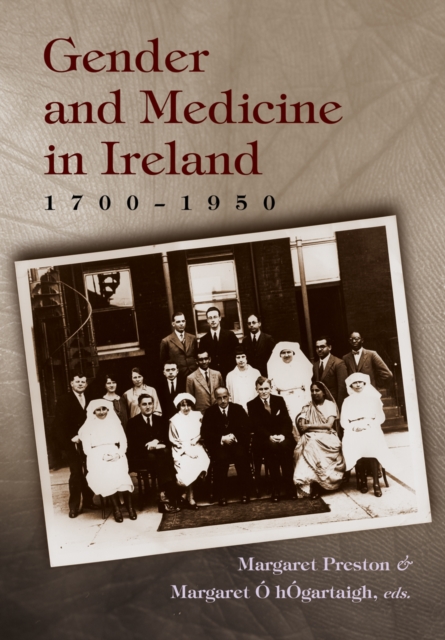
The essays in this collection examine the intersections between gender, medicine, and conventional economic, political, and social histories in Ireland between 1700 and 1950.
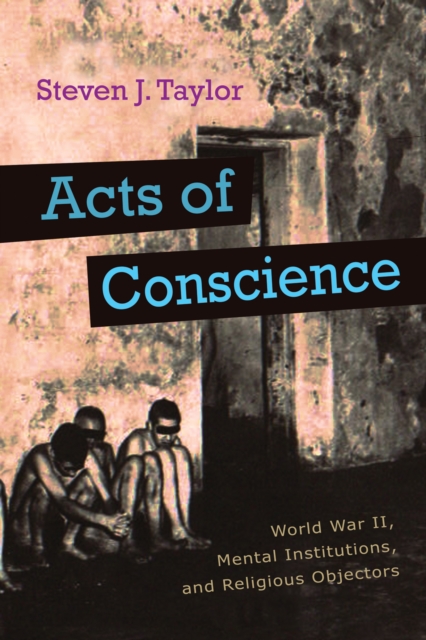
In the mid- to late 1940s, a group of young men rattled the psychiatric establishment by beaming a public spotlight on the squalid conditions and brutality in our nation's mental hospitals and training schools for people with psychiatric and intellectual disabilities.
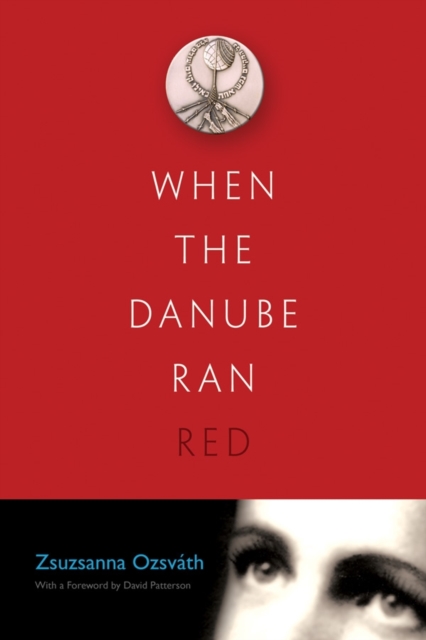
Opening with the ominous scene of one young school girl whispering an urgent account of Nazi horror to another over birthday cake, Ozsvath's extraordinary and chilling memoir tells the story of her childhood in Hun-gary, living under the threat of the Holocaust.
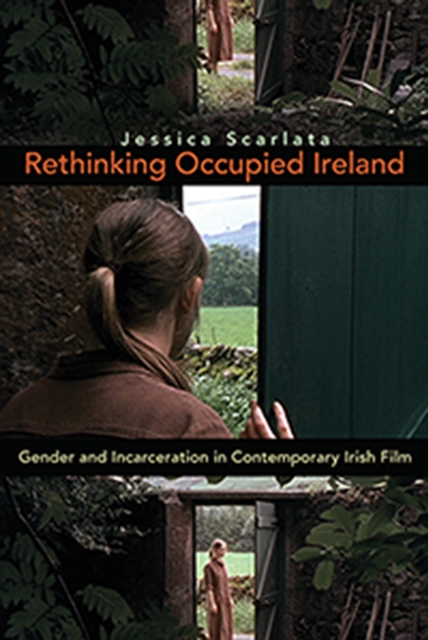
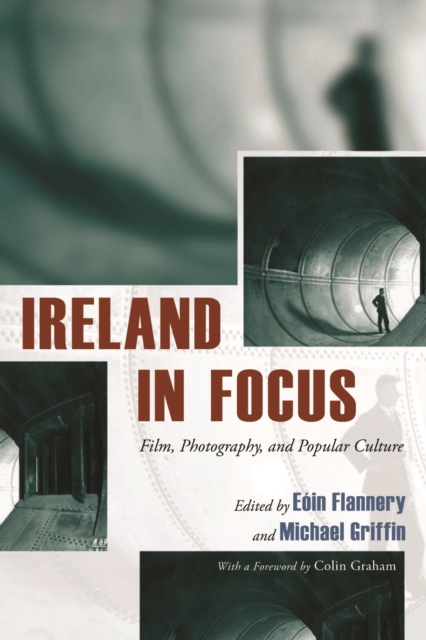
From an analysis of the Guinness brand's reflection of Irish identity to an exploration of murals and film portrayals of political prisoners, this pioneering collection of essays seeks to present Ireland's relationship to visual culture as a whole.
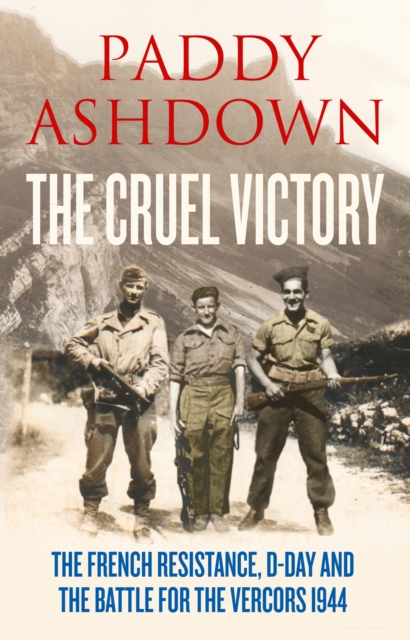
From the bestselling and prize-winning author of 'A Brilliant Little Operation' comes the long neglected D-Day story of the largest action by the French Resistance during WWII, published to coincide with the 70th anniversary of the Normandy landings.
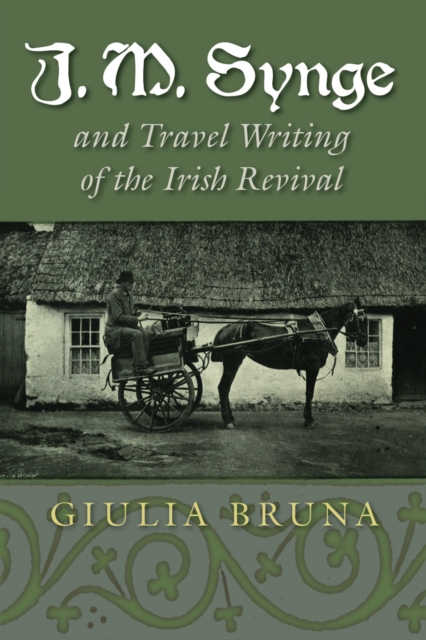
Between the late 1890s and the early 1900s, the young Irish writer John Millington Synge journeyed across his home country, documenting his travels intermittently for ten years.
In The Odyssey of an Apple Thief, Moishe Rozenbaumas (1922-2016) recounts his fascinating life, from his Lithuanian boyhood, to the fraught experiences that take him across Europe and Central Asia and back again, to his daring escape from Soviet Russia to build a new life in Paris.
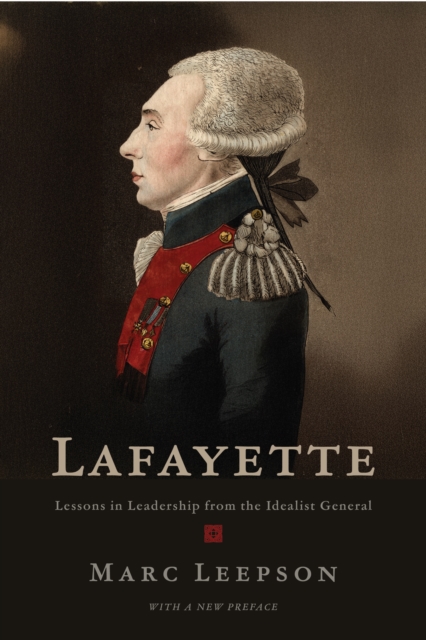
Assessing the legendary Frenchman and his remarkable military career on both sides of the Atlantic The Marquis de Lafayette is an icon of both American and French history.
This collection of essays seeks to shed light on the politics of those people who are normally thought of as being excluded from the political nation in early modern England.
"I first began to appreciate fully all we owed the World War II generation while I was covering the fortieth and fiftieth anniversaries of D-Day for NBC News.