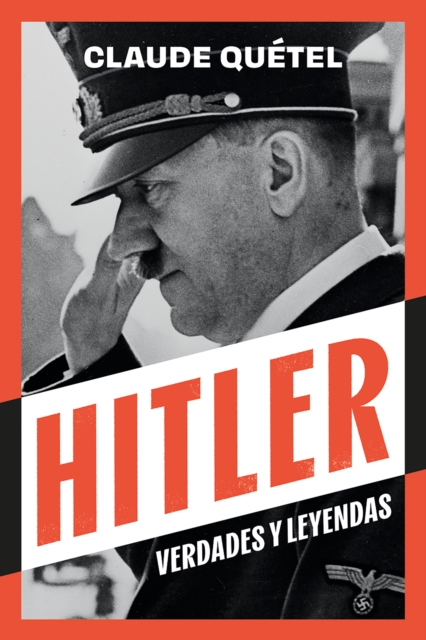
Aunque mucho se ha escrito sobre Hitler, faltaba una historia clara y concisa para no especialistas que pusiera al dia lo que verdaderamente sabemos sobre su vida y su personalidad: su infancia, sus influencias, su ambigua sexualidad, su actitud ante la religion, asi como la verdadera efectividad de sus politicas en una Alemania devastada por el desempleo y la hiperinflacion.
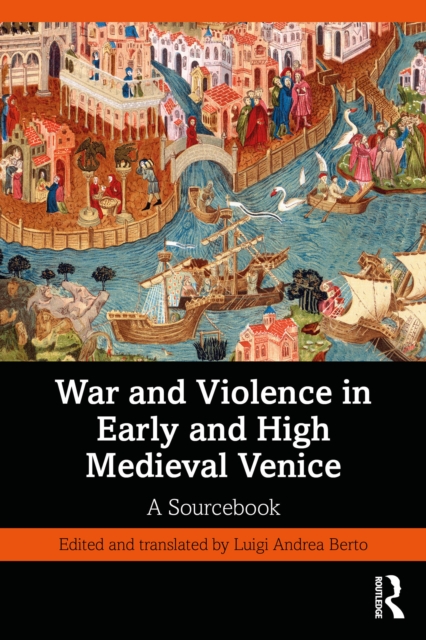
War and Violence in Early and High Medieval Venice presents a comprehensive collection of primary sources, providing insight into all aspects of Venetian warfare and internal conflict during this formative period.
This comparative study of elite formation and social mobility in Central and Eastern Europe in the 19th and early 20th centuries focuses on Bohemia and Transylvania as representatives of different administrative systems - Cisleithanian and Transleithanian - within the Habsburg Monarchy.
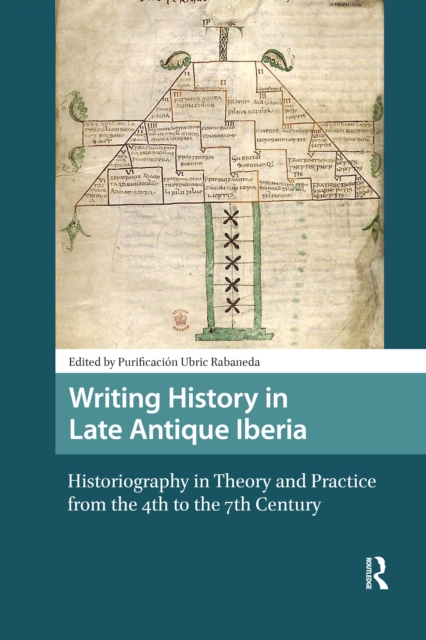
This volume reflects on the motivations underpinning the writing of history in Late Antique Iberia, emphasising its theoretical and practical aspects and outlining the social, political and ideological implications of the constructions and narrations of the past.
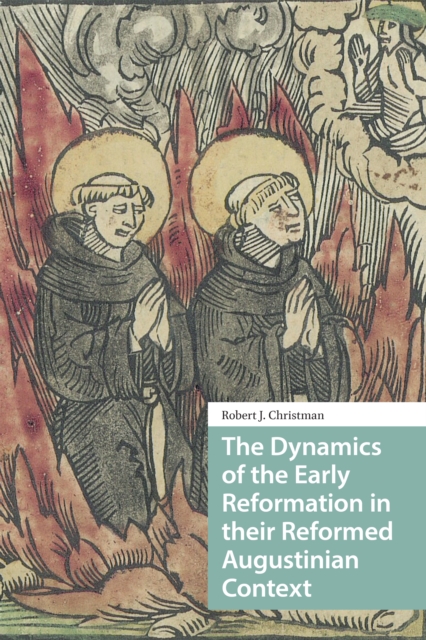
On 1 July 1523, Johann van den Esschen and Hendrik Voes, two Augustinian friars from Antwerp, were burned on the Grand Plaza in Brussels, thereby becoming the first victims of the Reformation.
This study of ludic literary society in sixteenth-century France addresses Italianate practices of philosophical and literary sociability as they took root there.
This volume presents a batch of incisive new essays on the relationship between Roman imperial power and ideology and Christian and Jewish life and thought within the empire.
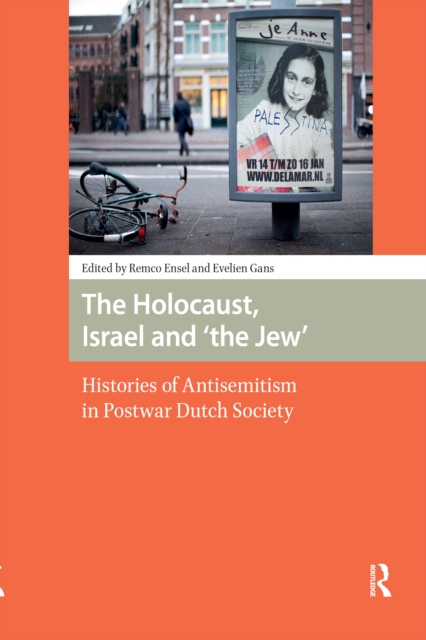
When the Allied Forces arrived in the Netherlands after Operation Market Garden, the country's long-awaited liberation from National Socialist occupation finally came in the summer of 1945.
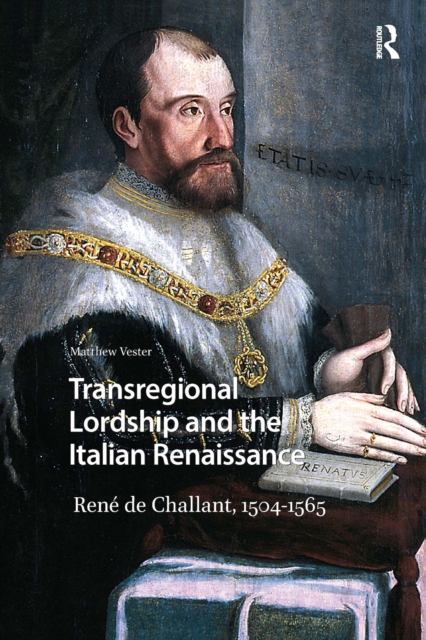
Rene de Challant, whose holdings ranged from northwestern Italy to the Alps and over the mountains into what is today western Switzerland and eastern France, was an Italian and transregional dynast.
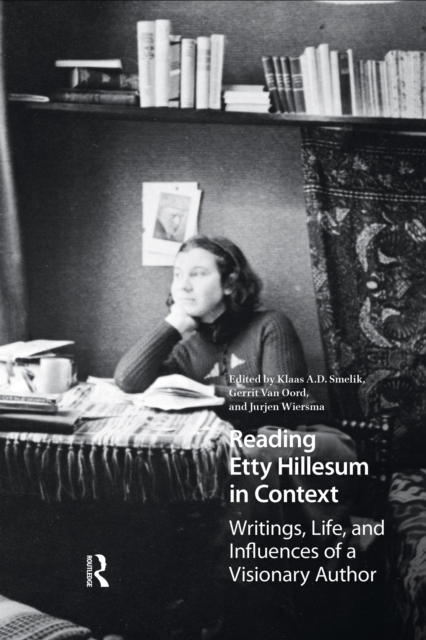
The diaries and letters of Etty Hillesum (1914-1943) have a special place among the Jewish-Dutch testimonies of the Shoah, so much so that Etty Hillesum studies has become its own field.
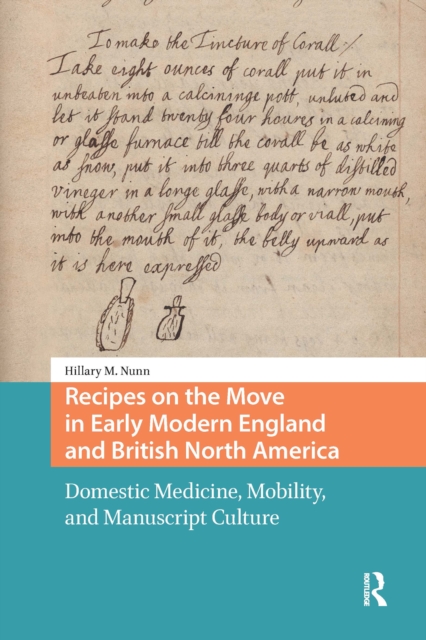
Using feminist and ecocritical approaches alongside recent historical work on early modern trade and commerce, this volume focuses on early modern manuscripts whose travels can be traced from one location to another.
Rereading Huizinga: Autumn of the Middle Ages, a Century Later explores the legacy and historiographical impact of Johan Huizinga's 1919 masterwork a century after its publication.
Fosterage was a central feature of medieval Irish society, yet the widespread practice of sending children to another family to be cared for until they reached adulthood is a surprisingly neglected topic.
Through an examination of Dutch Reformed church records and theological texts, Kyle Dieleman explores the local dynamics of religious life in the early modern Dutch Republic.
This volume approaches three key concepts in Roman history - gender, memory and identity - and demonstrates the significance of their interaction in all social levels and during all periods of Imperial Rome.
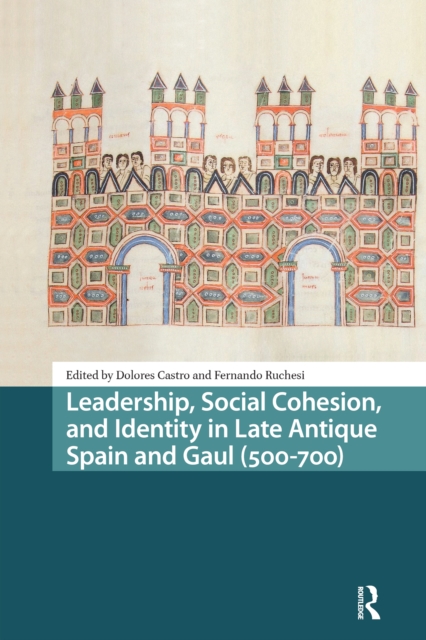
The replacement of the Roman Empire in the West with emerging kingdoms like Visigothic Spain and Merovingian Gaul resulted in new societies, but without major population displacement.
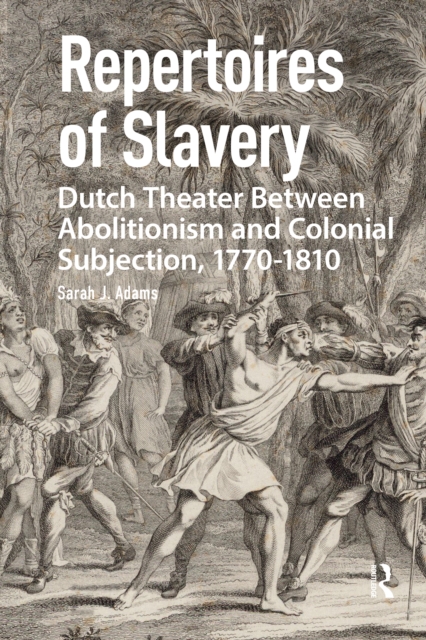
Through the lens of a hitherto unstudied repertoire of Dutch abolitionist theatre productions, Repertoires of Slavery prises open the conflicting ideological functions of antislavery discourse within and outside the walls of the theatre and examines the ways in which abolitionist protesters wielded the strife-ridden question of slavery to negotiate the meanings of human rights, subjecthood, and subjection.
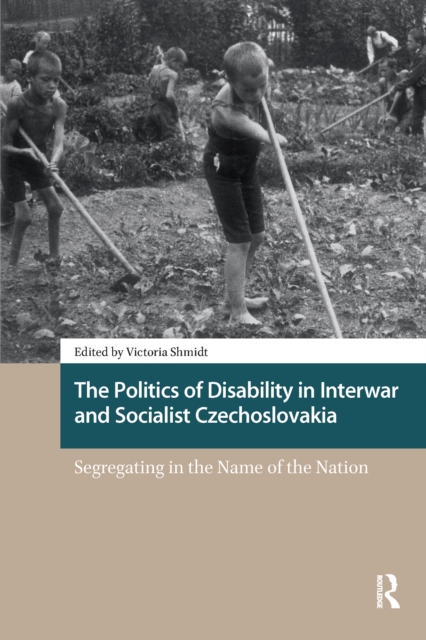
By focusing on the politics of disability as a pillar of Czechoslovak identity, The Politics of Disability in Interwar and Socialist Czechoslovakia: Segregating in the Name of the Nation reflects upon the vicissitudes of nation building over the twentieth century that led to extreme forms of institutional violence against minorities, mainly the Roma, such as forced sterilization.
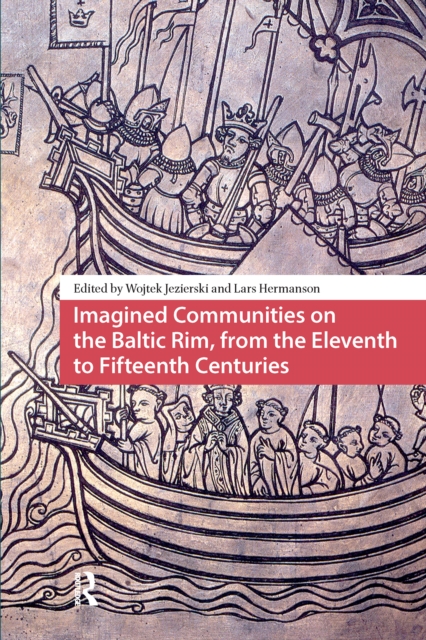
Prior to the high Middle Ages, the Baltic Rim was largely terra incognita-but by the late Middle Ages, it was home to diverse small and large communities.
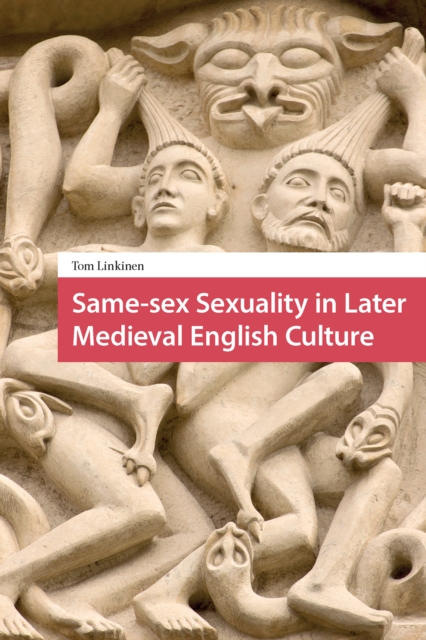
This volume investigates the state of same-sex relations in later medieval England, drawing on a remarkably rich array of primary sources from the period that include legal documents, artworks, theological treatises, and poetry.
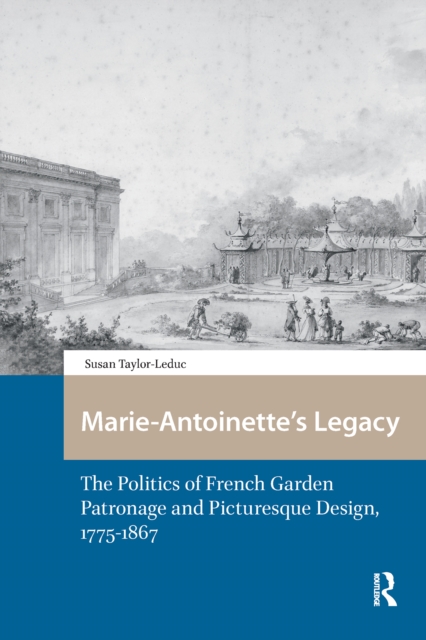
Challenging the established historiography that frames the French picturesque garden movement as an international style, this book contends that the French picturesque gardens from 1775 until 1867 functioned as liminal zones at the epicenter of court patronage systems.