This book examines how the Iberian empires of the early-modern period were structured around population control, segregation, and racial policies rather than nation-state characteristics.
This volume charts the history of transnational and transatlantic fascism in East Central and Southeastern Europe, a lesser-known phenomenon that occurred throughout the twentieth century into the present.
Religious and Identity-Based Roots of the War in Ukraine critically analyses the religious and identity-based roots of the Russo-Ukrainian War from a long-term historical perspective.
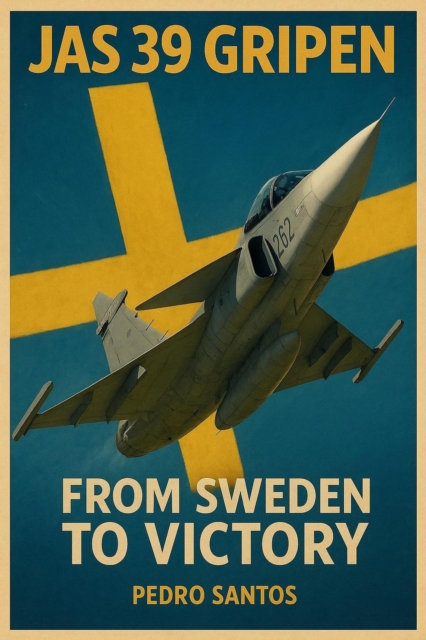
From the author of COTS and the Battlefield, Weapons of Iran, Tactical Robotics: The Age of Drone Warfare, 7 Wonder Weapons of Russia, and No Bars: If the World Couldn't Connect, comes the definitive exploration of the Swedish JAS 39 Gripen.
Das Buch beschreibt den positiven Trend, dass westeuropäische Gesellschaften in den letzten Jahrzehnten deutlich liberaler und emanzipatorischer geworden sind.
This book explores understudied aspects of eunuchs in Byzantium from the sixth through mid-eleventh centuries, with a particular emphasis on the imperial attitudes toward eunuchs and castration reflected in imperial legislation.
This book explores the political ideas, cultural practices and geostrategic actions that gave rise to transatlantic monarchism in Europe and the Americas.
This book provides a comprehensive overview of the Poznan School of Archaeology, an original mode of archaeological thought that emerged in Poznan in the 1960s and 1970s.
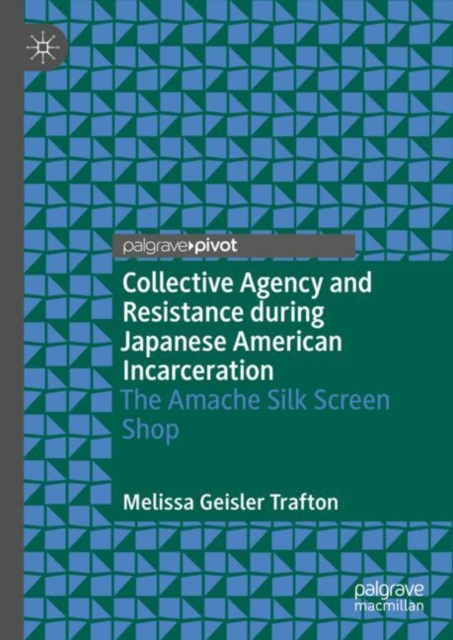
This book provides the first history of the Silk Screen Shop (1943-45) at the Granada War Relocation Center (“Amache”) in Colorado, a World War II incarceration site for Japanese Americans.
This book provides a comprehensive overview of the Poznan School of Archaeology, an original mode of archaeological thought that emerged in Poznan in the 1960s and 1970s.
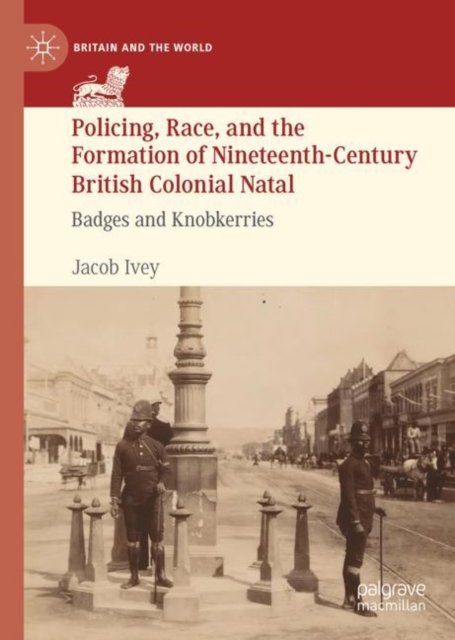
This book traces the creation, implementation, and evolution of the police institutions within British colonial Natal during ‘the formative period’ of the colony between 1845 and 1899.
This book explores the political ideas, cultural practices and geostrategic actions that gave rise to transatlantic monarchism in Europe and the Americas.
This book provides the first history of the Silk Screen Shop (1943-45) at the Granada War Relocation Center (“Amache”) in Colorado, a World War II incarceration site for Japanese Americans.
This book examines the relationship between the emergence of Byzantine archaeology and British colonialism during the period of the British Mandate in Palestine.
This book covers the period from the approach of Allied and Soviet armies to the Reich frontiers in late summer 1944 right up to the final collapse in May 1945.
This book documents, via oral history, experiences of the emotions of parenthood during the Covid-19 pandemic, focusing on testimonies collected during a time of crisis and exploring how parents' feelings and reflections shifted and changed with the passage of time at an important and unique juncture in history.
This book encounters the figure of the royal woman in the early modern period and explores how she enables and complicates the key moment at which England was emerging as an ideology, a nation, and an empire.
This book examines the relationship between the emergence of Byzantine archaeology and British colonialism during the period of the British Mandate in Palestine.
This book encounters the figure of the royal woman in the early modern period and explores how she enables and complicates the key moment at which England was emerging as an ideology, a nation, and an empire.
This book explores understudied aspects of eunuchs in Byzantium from the sixth through mid-eleventh centuries, with a particular emphasis on the imperial attitudes toward eunuchs and castration reflected in imperial legislation.
This book documents, via oral history, experiences of the emotions of parenthood during the Covid-19 pandemic, focusing on testimonies collected during a time of crisis and exploring how parents' feelings and reflections shifted and changed with the passage of time at an important and unique juncture in history.
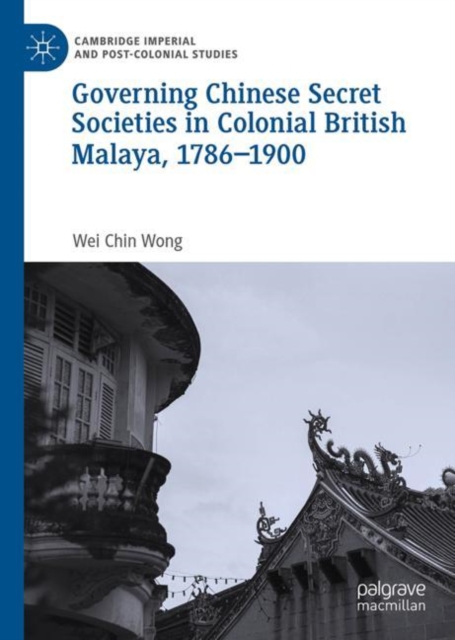
This book explores the changing relations between Chinese secret societies in British Malaya and the British colonial government, examining how and why British attitudes towards Chinese migrants changed over the nineteenth century, from welcoming them at the century’s start, to suppressing them by the end of the century.
This book covers the period from the approach of Allied and Soviet armies to the Reich frontiers in late summer 1944 right up to the final collapse in May 1945.
This book explores the changing relations between Chinese secret societies in British Malaya and the British colonial government, examining how and why British attitudes towards Chinese migrants changed over the nineteenth century, from welcoming them at the century’s start, to suppressing them by the end of the century.
This book analyzes the relation between the Churches’ official teachings regarding ‘desired’ and forbidden forms of sexual behaviour on the one hand, and mundane practice on the other hand, focusing on perspectives ‘from below’.