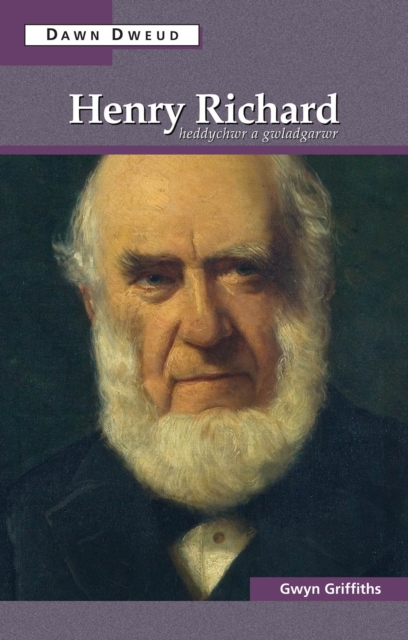
In the present era of warring and debate relating to Britain's intervention in Afghanistan and Iraq, this volume highlights how contemporary are the arguments of Henry Richard in the 19th century, and how progressive were his efforts for Wales, for education and for the Welsh language.