Seminar paper from the year 2000 in the subject History of Europe - Middle Ages, Early Modern Age, grade: 1,0, University of Sussex, language: English, abstract: Throughout recent years, in the discipline of historical sciences an extensive evolution has taken place.
This ground-breaking volume brings together contributions from scholars across a range of disciplines (including literary studies, history, geography and archaeology) to investigate questions of space, place and identity in the medieval city.
The Elect Methodists is the first full-length academic study of Calvinistic Methodism, a movement that emerged in the eighteenth century as an alternative to the better known Wesleyan grouping.
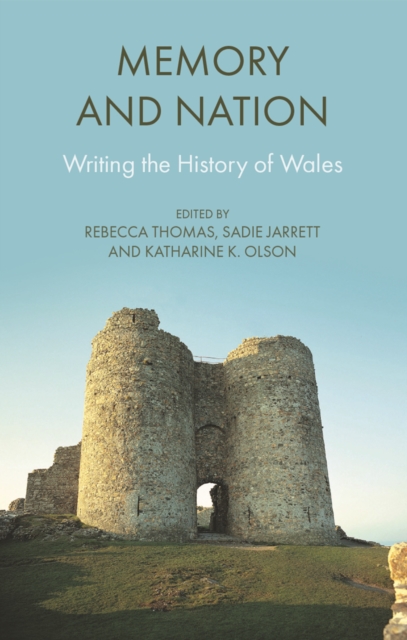
Written in honour of Professor Huw Pryce, this volume brings together exciting new research on writing and performing the history of Wales, from the Middle Ages to the modern period.
The Brexit debates confirmed how Wales's relationship to Europe has for too long been discussed exclusively, narrowly and suffocatingly in terms of its social, political and economic aspects.
Street processions were a defining feature of life in the Victorian town, and this book examines how those events created new civic identities in the growing towns of nineteenth-century south Wales.
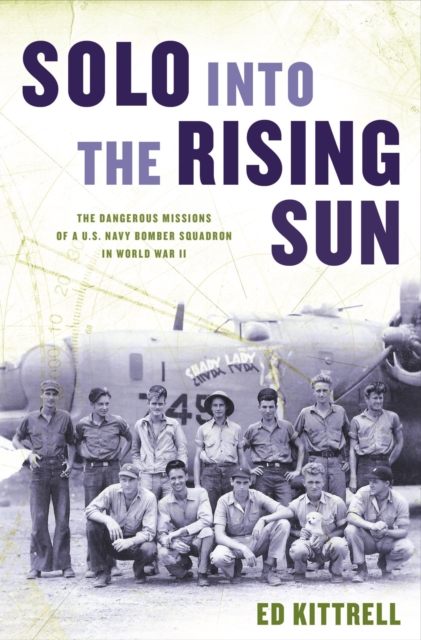
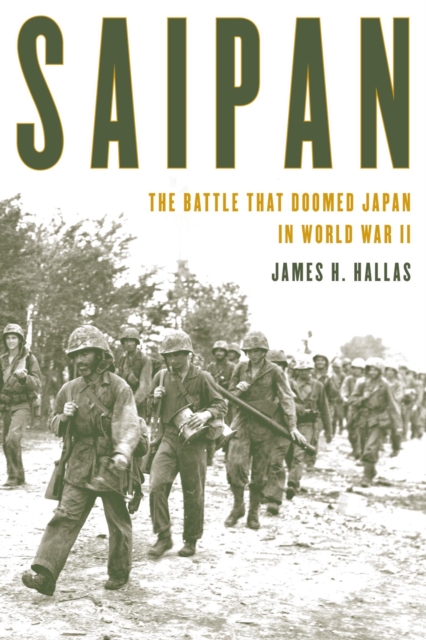
When we think about World War II bombers, we picture formations of scores of bombers, escorted and protected by fighters, flying into enemy territory and bombing the hell out of the enemy.
The booming coal industry of the nineteenth and early twentieth centuries was the main reason behind the creation of modern south Wales and its miners were central to shaping the economics, politics and society of south Wales during the twentieth century.
Mae’r gyfrol hon yn rhoi cipolwg ar gyfoeth hanes syniadau yng Nghymru dros hanner canrif cynhyrfus rhwng diwedd y Rhyfel Byd Cyntaf a marwolaeth yr athronydd disglair J.
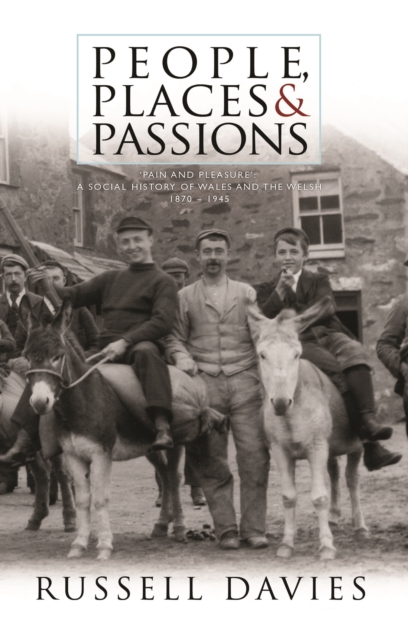
The first of two volumes on the social history of Wales in the period 1870-1948, People, Places and Passions concentrates on the social events and changes which created and forged Wales into the mid-twentieth century.
When we think about World War II bombers, we picture formations of scores of bombers, escorted and protected by fighters, flying into enemy territory and bombing the hell out of the enemy.
This book brings together the most current interpretations of the Wooing Group from scholars currently working on the fields of medieval spirituality, gender, and the anchoritic tradition, providing literary, theological, linguistic, and cultural context for the works associated with the Wooing Group (a collection of texts in English written by an unknown author in the late twelfth to early thirteenth centuries).
Monastic Wales - new approaches is an interdisciplinary collection of essays written by some of the leading scholars working on aspects of medieval Welsh history.
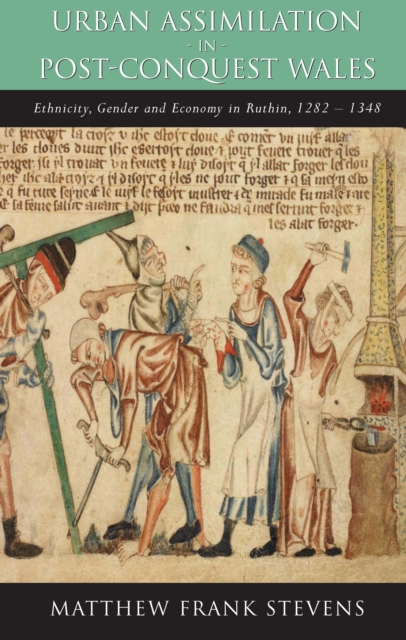
This book uses, principally but not only, a case study of the Denbighshire town of Ruthin to discuss both the significance of Englishness versus Welshness and of gender distinctions in the network of small Anglo-Welsh urban centres which emerged in north Wales following the English conquest of 1282.
In an era of commemoration, France's Colonial Legacies contributes to the debates taking place in France about the place of empire in the contemporary life of the nation, debates that have been underway since the 1990s and that now reach across public life and society with manifestations in the French parliament, media and universities.
Bachelor Thesis from the year 2006 in the subject History of Europe - Newer History, European Unification, grade: A, Marshall University, course: History - Senior Seminar, language: English, abstract: Since the beginning of modern nationhood, nationalism has been an important factor in building a nation.
This book comprises of a re-publication of Thomas Matthew's 1910 edition of Welsh documents held in the Archives Nationale of France, together with new introductions to the original work and to its editor.
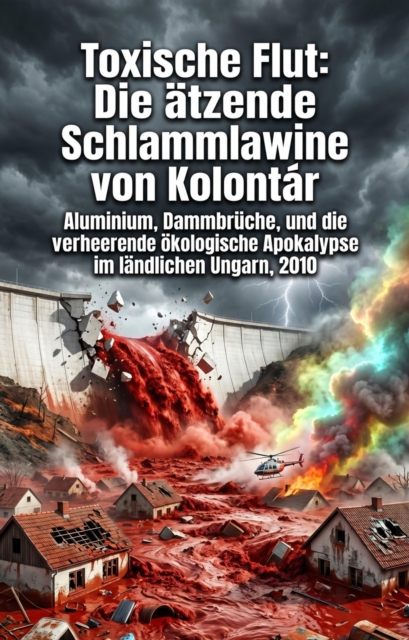
Was passiert, wenn der Damm eines gewaltigen industriellen Ruckhaltebeckens bricht und uber eine Million Kubikmeter eines stark atzenden, hochgiftigen Nebenprodukts der Aluminiumherstellung sich unaufhaltsam uber ahnungslose Dorfer ergieen?
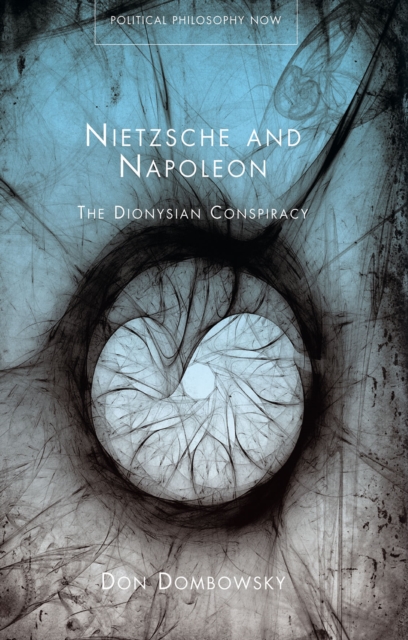
This book argues that Nietzsche's political thought and his own proposed model of governance is Bonapartist in conception: autocratic will in the guise of popular rule.
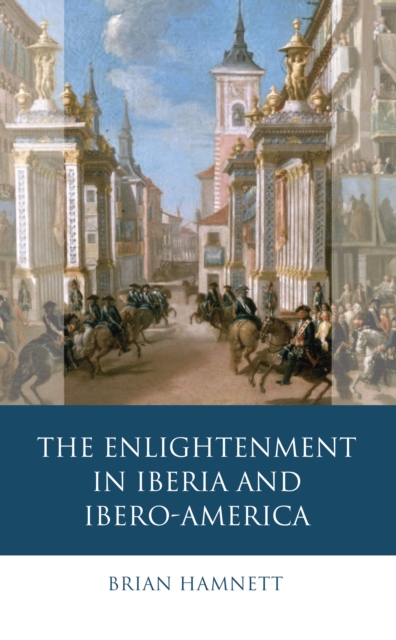
This book discusses responses to the challenges faced by two different Iberian imperial systems in their struggle to sustain territorial integrity and economic interests in the face of international competition.
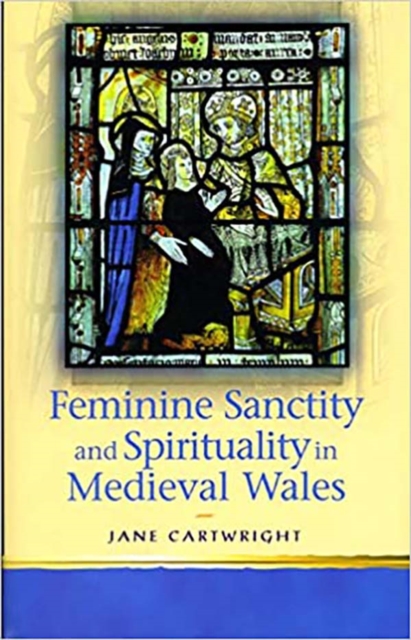
This illuminating volume sheds light on the religious women of medieval Wales, drawing on a wide range of sources from saints' lives and native poetry to holy wells and visual imagery.
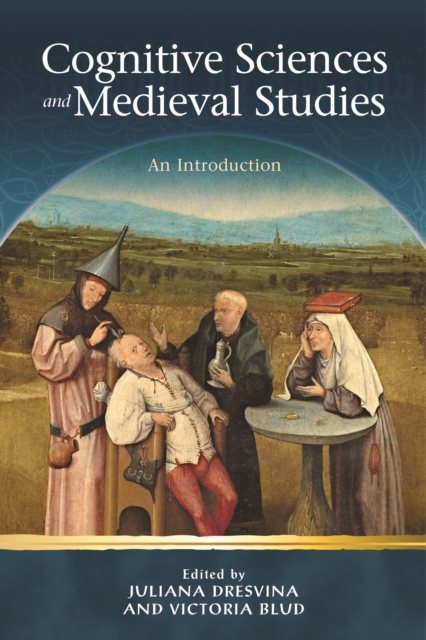
With the rapid development of the cognitive sciences and their importance to how we contemplate questions about the mind and society, recent research in the humanities has been characterised by a 'cognitive turn'.
This is the first book-length study to analyse and problematize the notion of literary texts as `sites of memory' with regard to the representation of the Algerian War of Independence (1954-62), and memories of it, in the work of French authors of Algerian origin.
Was geschieht, wenn lokale Politiker und machtige Baukonzerne heimlich paktieren, um ein eigentlich sinnvolles stadtisches Infrastrukturprojekt in einen gnadenlosen, milliardenschweren Selbstbedienungsladen zu verwandeln?
The Social Life of the Early Modern Protestant Clergy provides unexpected new insights on the lives of the early modern English and Swedish clergy through case studies and broader surveys.
This original study, focussing on the impact of the crusading movement in medieval Wales, considers both the enthusiasm of the Welsh and those living in Wales and its borders for the crusades, as well as the domestic impact of the movement on warfare, literature, politics and patronage.
Christianity, in its Catholic, Protestant and Nonconformist forms, has played an enormous role in the history of Wales and in the defining and shaping of Welsh identity over the past two thousand years.
This collection of twelve essays describes aspects of town life in medieval Wales, from the way people lived and worked to how they spent their leisure time.