The Casablanca Connection examines France’s colonial policy in Morocco from the Popular Front to the end of the Vichy regime in North Africa, relating it to overall French imperial policy and placing it in a European and world context.
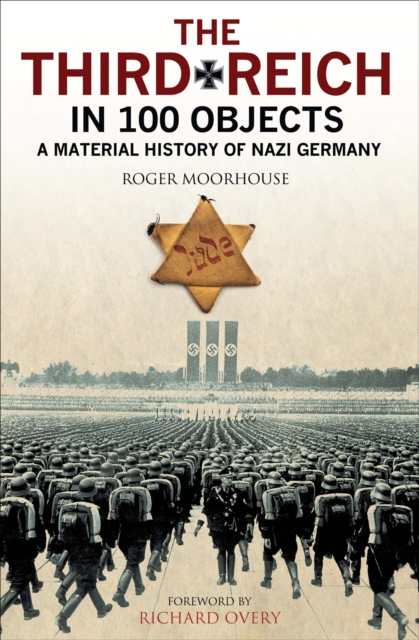
Between November 1945 and October 1946, the InternationalMilitary Tribunal in Nuremberg tried some of the most notoriouspolitical and military figures of Nazi Germany.
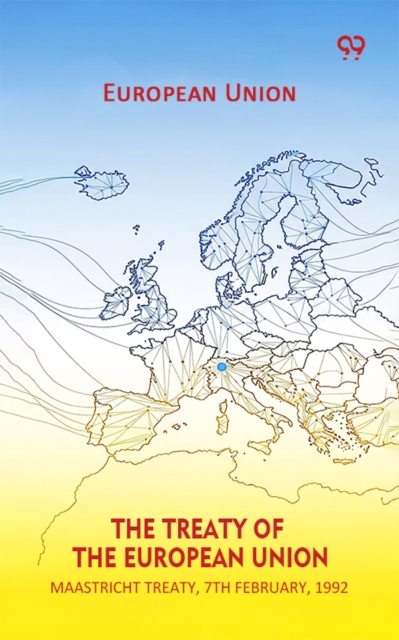
The treaty of the European Union, Maastricht Treaty, 7th february, 1992 is a foundational legal document that established the European Union and set the framework for deeper European integration.
The Casablanca Connection examines France’s colonial policy in Morocco from the Popular Front to the end of the Vichy regime in North Africa, relating it to overall French imperial policy and placing it in a European and world context.
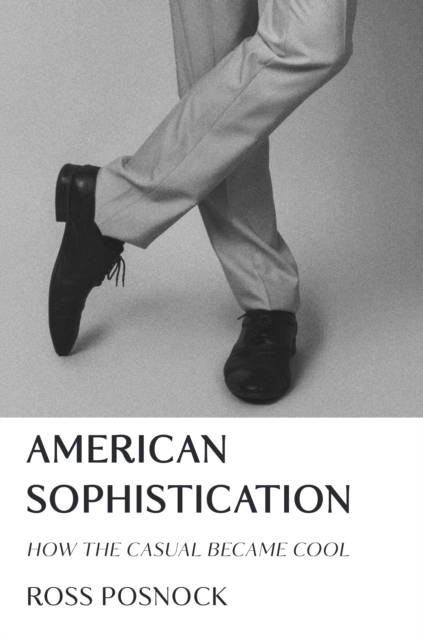
The fascinating story of sophistication in the United States, from the founding to the presentIs there such a thing as ';American sophistication'or is it a contradiction in terms?
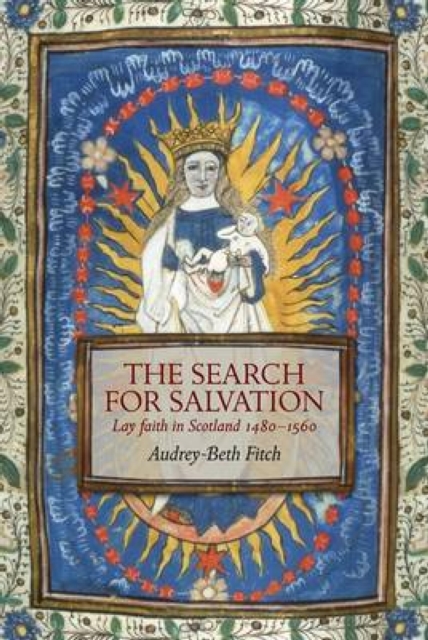
The Search for Salvation is an innovative and interdisciplinary study of lay faith in Scotland in the later Milddle Ages, examining both the religious ideas and practices of the people, and the ways in which these were shaped by images in literature, art, and church writings.
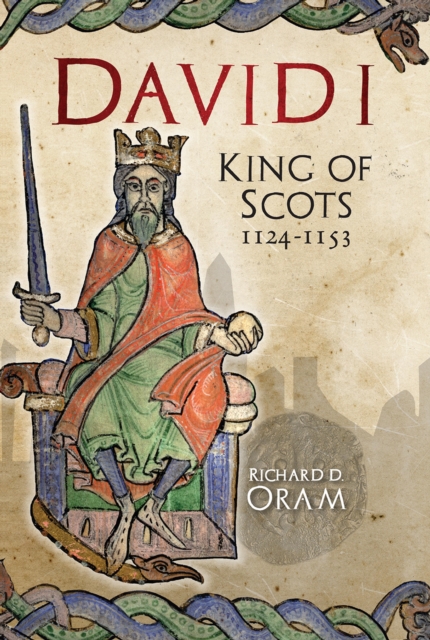
David I was never expected to become king, but on succeeding to the Scottish throne in 1124 he quickly demonstrated that he had the skills, ruthlessness and ambition to become one of the kingdom's greatest rulers.
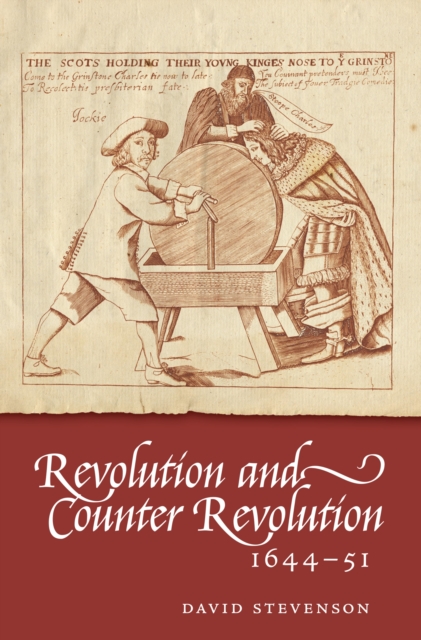
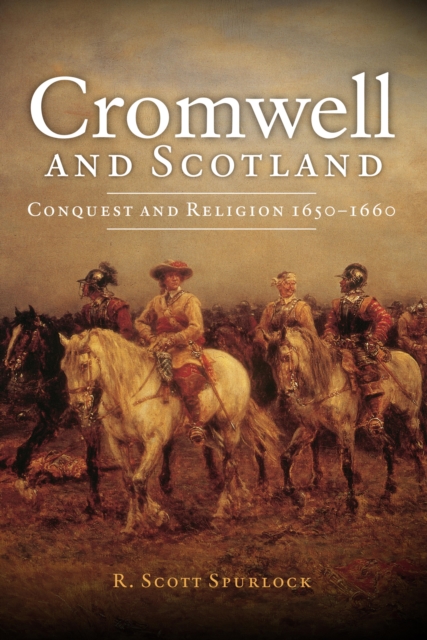
In 1644 a massive Scottish army of Scottish Covenanters moved over the border into England, claiming they were not invading their neighbour but acting to save its liberties, by helping ensure that the absolutist King Charles I did not win the civil war he was fighting with the English parliament.
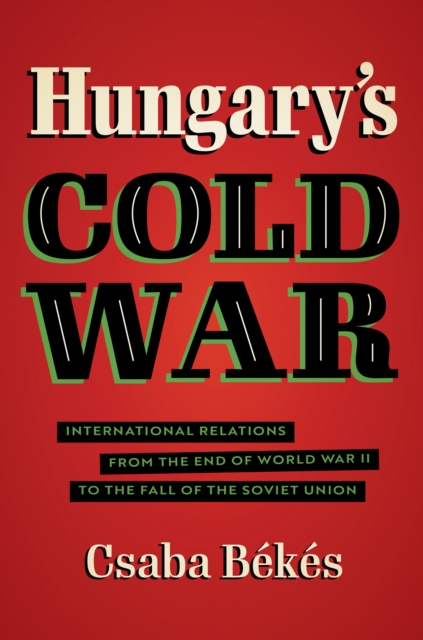
In this magisterial and pathbreaking work, Csaba Bks shares decades of his research to provide a sweeping examination of Hungarys international relations with both the Soviet Bloc and the West from the end of World War II to the dissolution of the Soviet Union in 1991.
This impressive collection of essays is based on a two-year seminar series of the Research centre in Scottish History at the University of Strathclyde.
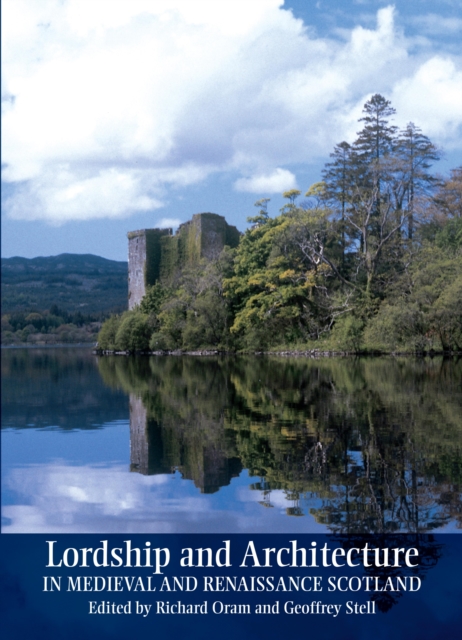
These essays constitute the first radical reassessment since the nineteenth century of the role of architecture as an expression of lordship and status among Scottish secular and ecclesiastical elites in the period c.
Medieval Europe offers a structured examination of the long transformation of the European world from classical foundations toward emerging modern systems.
On the cusp of memory and history, the story of Scotland's twentieth-century is contested territory: international yet parochial; prosperous yet ailing; and, passionate yet temperate.
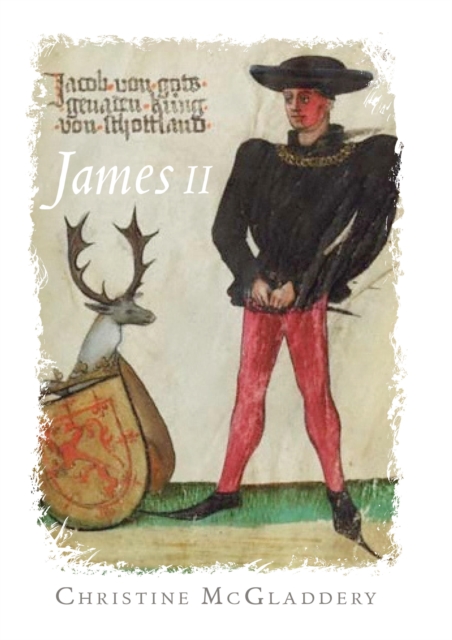
In this study of the reign of James II of Scotland, the king is viewed in the context of the Stewart monarchy, from his struggles to overcome his early adversity and the legacy of his father's style of kingship, to the serious political crises of his reign.
In this magisterial and pathbreaking work, Csaba Bks shares decades of his research to provide a sweeping examination of Hungarys international relations with both the Soviet Bloc and the West from the end of World War II to the dissolution of the Soviet Union in 1991.
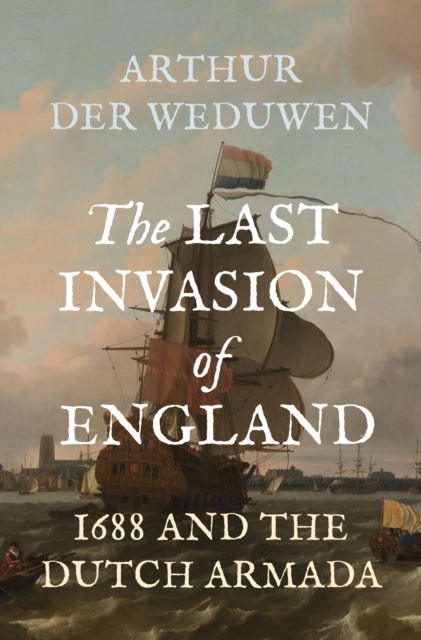
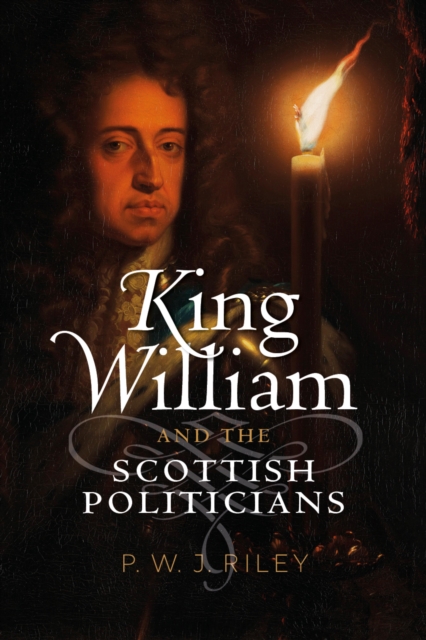
An electrifying narrative history that reframes Britain's constitutional revolution as a full-scale Dutch invasionIn popular accounts of the Glorious Revolution of 1688, the autocratic Catholic King James II was ousted by his subjects and replaced by his Protestant daughter Mary Stuart, wife of James's nephew, the Dutch William III of Orange.
First published in 1931, reissuing the second edition of 1957, Thought and Letters in Western Europe explores the education, literary criticism, and history of medieval Europe, shedding light on the period's intellectual and cultural transformations.
First published in 1931, reissuing the second edition of 1957, Thought and Letters in Western Europe explores the education, literary criticism, and history of medieval Europe, shedding light on the period's intellectual and cultural transformations.
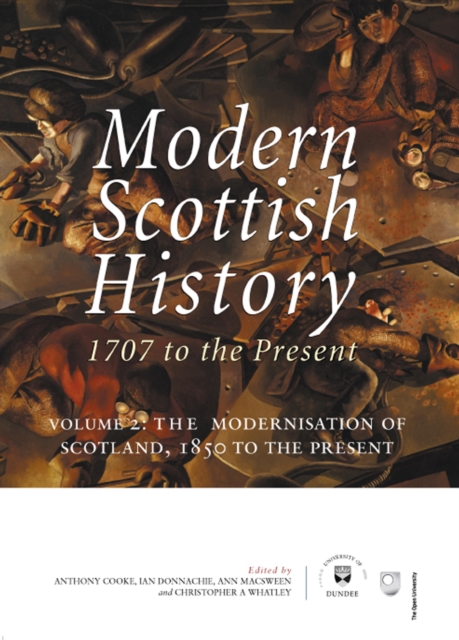
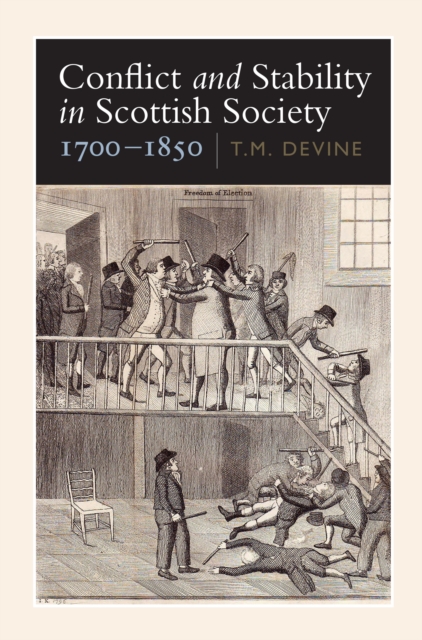
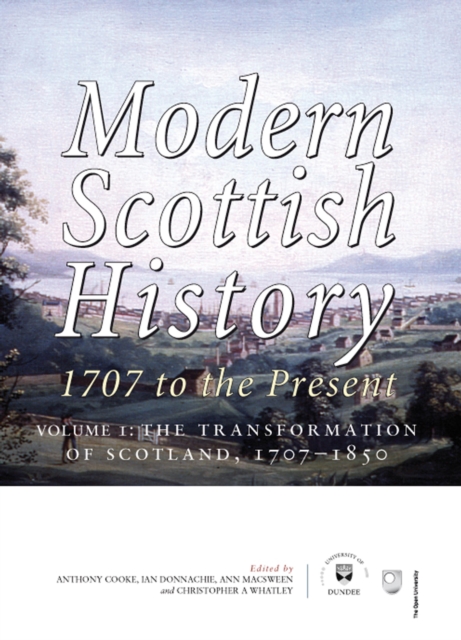
Between the early eighteenth and the middle decades of the nineteenth century, Scottish society was transformed by industrialisation, urbanisation and major changes in agriculture and rural society.
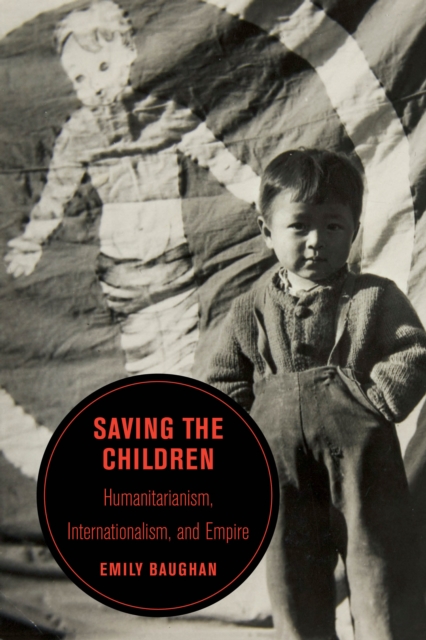
Saving the Childrenanalyzes the intersection of liberal internationalism and imperialism through the history of the humanitarian organization Save the Children, from its formation during the First World War through the era of decolonization.
Moscow and the New Left is a detailed exploration of the Soviet Union's reaction to the emergence of the New Left movement in the West during the 1960s and early 1970s.
Saving the Childrenanalyzes the intersection of liberal internationalism and imperialism through the history of the humanitarian organization Save the Children, from its formation during the First World War through the era of decolonization.
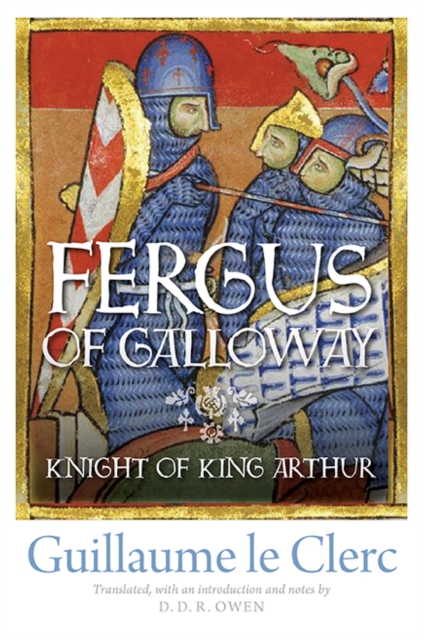
The popular Arthurian legends, such as the grail quests of Perceval and Galahad, and the love of Lancelot for Queen Guenevere, have largely overshadowed Scotland's own Arthurian romance.
Moscow and the New Left is a detailed exploration of the Soviet Union's reaction to the emergence of the New Left movement in the West during the 1960s and early 1970s.
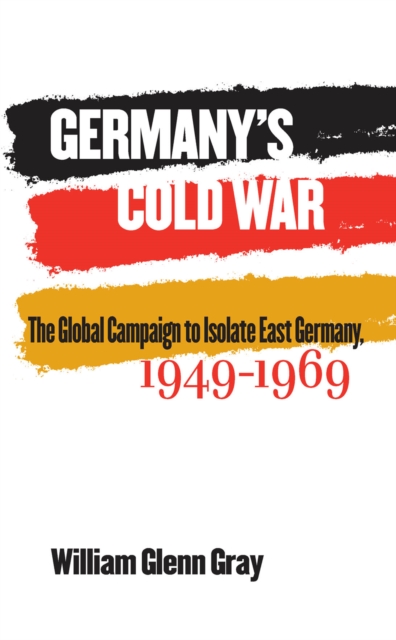
Using newly available material from both sides of the Iron Curtain, William Glenn Gray explores West Germanys efforts to prevent international acceptance of East Germany as a legitimate state following World War II.
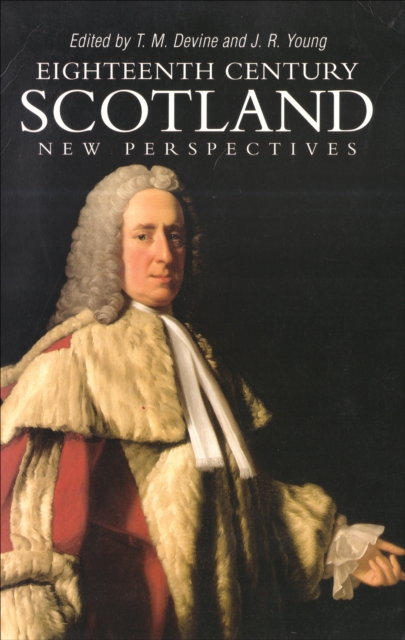
The constitutional and religious settlement in Scotland after the revolution of 1688 largely determined the nature of Scottish politics and of Anglo-Scottish relations up to the union of 1707.
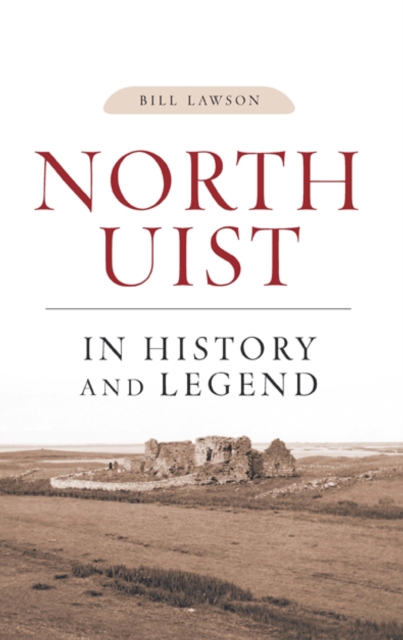
Like all the Hebrides, North Uist has a fascinating history and a landscape scattered with historic sites, from Neolithic burial chambers, Iron Age forts and medieval churches to battle-sites and townships forged in the days of kelp trade and deserted during the subsequent traumas of clearance and emigration.
Using newly available material from both sides of the Iron Curtain, William Glenn Gray explores West Germanys efforts to prevent international acceptance of East Germany as a legitimate state following World War II.
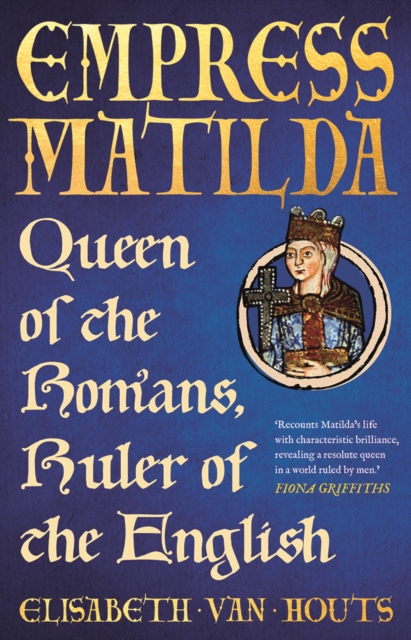
An authoritative new biography of Empress Matilda Born in 1102, Empress Matilda combined the blood of two dynasties: the house of Wessex and their conquerors, the dukes of Normandy.
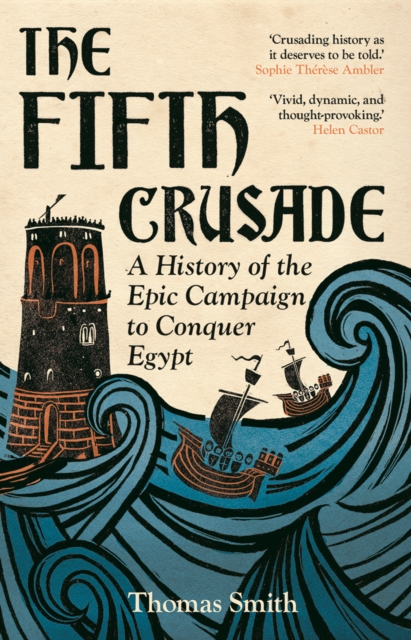
A fascinating account of the Fifth Crusade, the campaign to conquer Egypt and regain the Holy LandIn 1217, the crusader states were in a highly fragile condition.
Reinhold Wagnleitner argues that cultural propaganda played an enormous part in integrating Austrians and other Europeans into the American sphere during the Cold War.
Reinhold Wagnleitner argues that cultural propaganda played an enormous part in integrating Austrians and other Europeans into the American sphere during the Cold War.