In laying the groundwork for a fresh and challenging reading of Roman satire, Kirk Freudenburg explores the literary precedents behind the situations and characters created by Horace, one of Rome's earliest and most influential satirists.
In a fresh reading of Montaigne's Essais, David Quint portrays the great Renaissance writer as both a literary man and a deeply engaged political thinker concerned with the ethical basis of society and civil discourse.
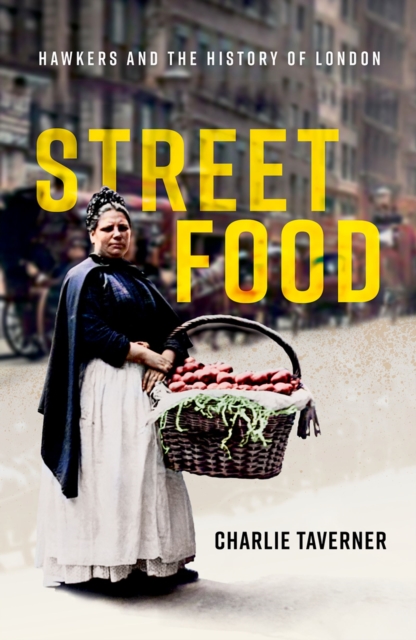
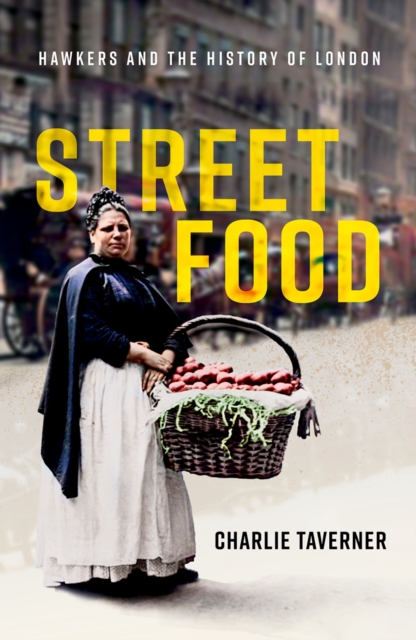
This is the story of the women, men, boys, and girls who hawked oysters, cherries, cabbages, and pies on London's streets, feeding the capital throughout its transformation from medieval city to global metropolis.
Robert Moeller investigates the German peasantrys rejection of the Weimar Republic in the 1920s and provides a new interpretation of Catholic peasant conservatism in western Germany.
This discerning and timely study revitalizes Webers ideas, applying them to welfare state redistributions and synthesizing them with major issues in political science, law, public administration, social welfare policy, and philosophy.
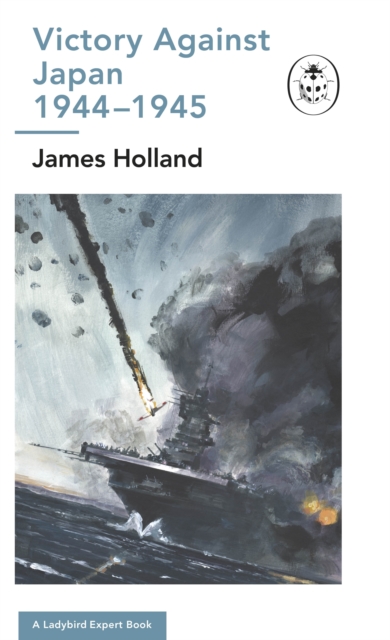
BOOK 12 OF THE LADYBIRD EXPERT HISTORY OF THE SECOND WORLD WAR, FROM AWARD-WINNING HISTORIAN JAMES HOLLANDFeaturing stunning illustrations from Keith Burns, bringing the story to life in vivid detailWhy did Japan decide to attack at Pearl Harbour?
This is the story of the women, men, boys, and girls who hawked oysters, cherries, cabbages, and pies on London's streets, feeding the capital throughout its transformation from medieval city to global metropolis.
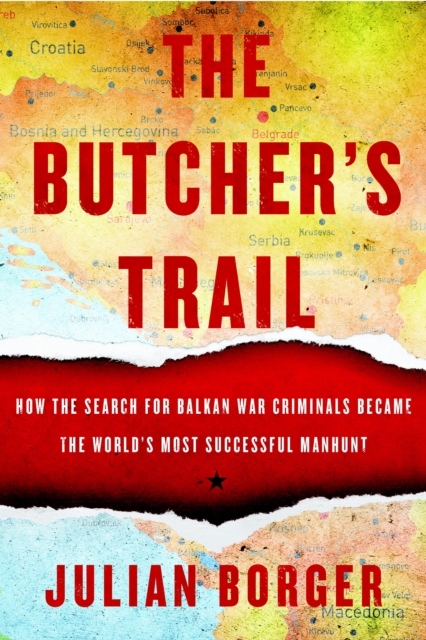
The gripping, untold story of The International Criminal Tribunal for the former Yugoslavia and how the perpetrators of Balkan war crimes were captured by the most successful manhunt in history
Written with a thrilling narrative pull, The Butcher’s Trail chronicles the pursuit and capture of the Balkan war criminals indicted by the International Criminal Tribunal in The Hague.
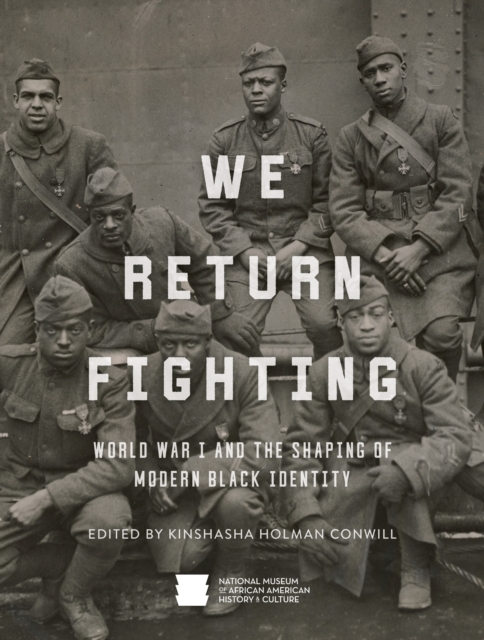
A richly illustrated commemoration of African Americans'' roles in World War I highlighting how the wartime experience reshaped their lives and their communities after they returned home.
In order to describe how the elites in two political systems grappled with the potentially explosive influx of foreign labor, Gary Freeman analyzes and compares the ways in which the British and the French governments responded to immigration and racial conflict over a thirty-year period during the post-war era.
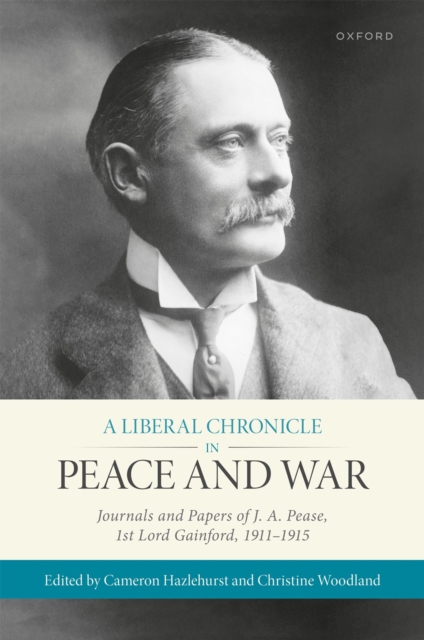
Jack Pease was at the heart of the British Liberal government from 1908 to 1915, holding the position of Chief Whip through two general elections, and a member of the Cabinet confronting domestic tumult, international tensions, and war.
Throughout the 1800s the process of industrialization contributed to painful social upheaval and wrenching political readjustments in the Kingdom of Prussia, traditionally viewed as Europe's great, modernizing, economic leader.
Though Ireland is a relatively small island on the northeastern fringe of the Atlantic, 70 million people worldwide including some 45 million in the United States claim it as their ancestral home.
White reassesses Anglo-American trade with Soviet Russia immediately following the Bolshevik Revolution to show that, unlike diplomatic relations, commercial ties were not severed by ideological differences.
Integrating politics, economics, and law, Freedman traces the origin, development, and the role of joint-stock companies in France from the prerevolutionary Old Regime to the reorganization of the corporation under the legislation of 1867.
Focusing on peasant family life in Upper Austria, this study moves beyond generalizations about the growth of the modern state to ask what social relations existed in the early modern period and how they worked.
The excavation of the earliest Roman port and fishery known establishes Cosa as the center for the flourishing commercial activities of the powerful Sestius family and extends the international trading picture of the Romans back to at least the early second century B.
This book traces the development of the Communists unique approach to postwar German democratization, showing how the Soviet Union approached the German problem primarily as a task of social and economic restructuring.
The basic concern of the author is to find the reason for the persistent leftist character of French working-class politics in a period of rapid industrialization and improving living standards.
This work examines education in both theory and practice during the Enlightenment and the French Revolution when educators aimed at nothing less than reforming humanity and creating a new society.
The evolution of the office of the ambassador from the primitive messenger (nuncius) through the Roman law procurator to the nearly modern resident ambassador is traced in this study of the ambassador of representative institutions to the relations among states in the Middle Ages.
In the early twentieth century, an elite group of modern-minded scientists in Germany, led by the eminent organic chemist Emil Fischer, set out to create new centers and open new sources of funding for chemical research.
Lawyers at work-in diplomacy, in relations with the Church, in territorial government, in the formulation of policy, in administration, and in the political struggle provide the unifying theme in this analysis of the exercise of political power in Renaissance Florence.
In June 1940 the French Army that Europe had known and feared since Louis XIV vanished in the most overwhelming defeat ever suffered by the military force of a modern nation.
In the late seventeenth century the role of printed propaganda in manipulating public consciousness became increasingly explicit, and governments developed systematic controls over the printed word.
When John Maitland accepted the office of Secretary of State to James VI of Scotland in 1584, he accepted the challenge of three of the most extraordinary and persistent threats to the power of the crown that a king's principal advisor ever faced: the Scottish aristocracy, the Kirk, and Queen Elizabeth of England.
Through a comprehensive case study of the twelfth-century Crusaders' Kingdom of Jerusalem, the author shows how a changing international system encourages or retards the development of social structures, thereby relating the Crusaders' experience to contemporary affairs.