How a vast network of shadow credit financed European growth long before the advent of bankingPrevailing wisdom dictates that, without banks, countries would be mired in poverty.
Walter McDougall offers an original analysis of Versailles diplomacy from the standpoint of the power that had the most direct interest and took the first initiatives in the search for a solution to the German problem.
By exploring how children and their families became unprecedented objects of governmental policy in the early decades of France's Third Republic, Sylvia Schafer offers a fresh perspective on the self-fashioning of a new governmental order.
Professor Kent is concerned with one of the major questions posed by historical research on the later Middle Ages and the Renaissance: did these periods witness the nuclearization of the aristocratic family?
Robert Darnton, Roger Chartier, and others have written much on the history of reading in the Old Regime, but this is the first broad study of reading to focus on the period after 1800.
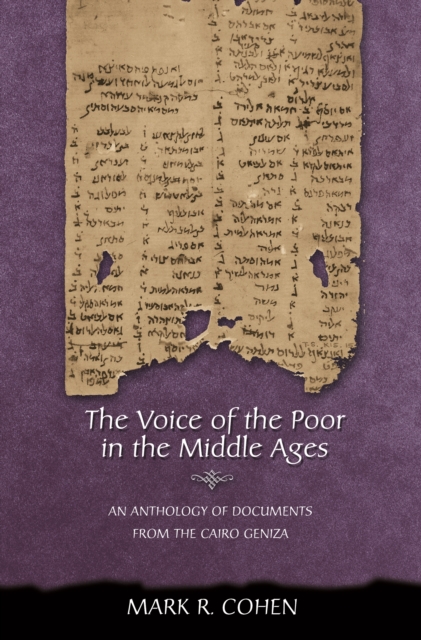
They are voices that have been silent for centuries: those of captives and refugees, widows and orphans, the blind and infirm, and the underclass of the "e;working poor.
First serious examination of the curious demise of Reichsfuhrer SS Heinrich Himmler that also investigates an extraordinary web of secret deals and international intrigue.
In the years between the Great Famine of the 1840s and the First World War, Ireland experienced a drastic drop in population: the percentage of adults who never married soared from 10 percent to 25 percent, while the overall population decreased by one third.
This detailed account of ethnic minority politics explains when and how European institutions successfully used norms and incentives to shape domestic policy toward ethnic minorities and why those measures sometimes failed.
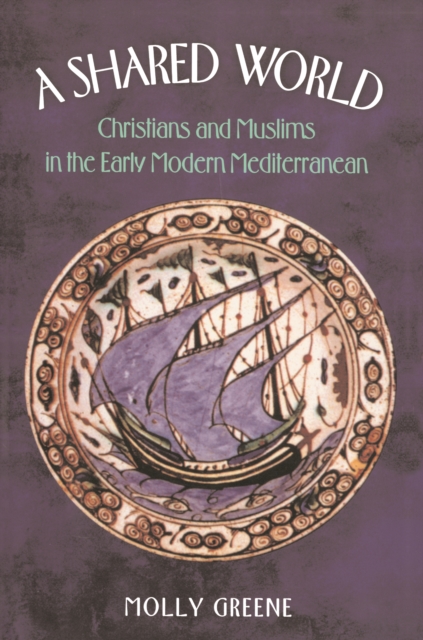
Here Molly Greene moves beyond the hostile "e;Christian"e; versus "e;Muslim"e; divide that has colored many historical interpretations of the early modern Mediterranean, and reveals a society with a far richer set of cultural and social dynamics.
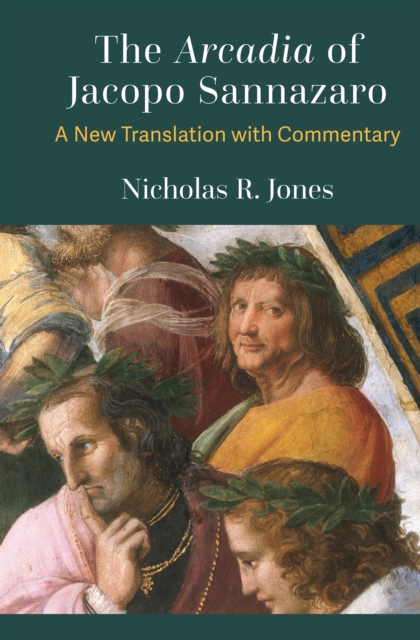
Five hundred years ago, working from hints in classical Greek and Latin poets, the young author Jacopo Sannazaro crafted the book called Arcadia, a narrative in richly descriptive Italian prose interwoven with elegant and passionate poems.
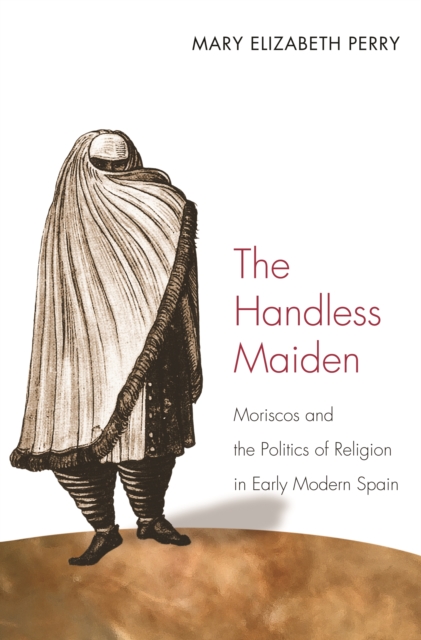
In 1502, a decade of increasing tension between Muslims and Christians in Spain culminated in a royal decree that Muslims in Castile wanting to remain had to convert to Christianity.
The first monograph on English medieval county courts, this book provides a major revision of traditional conceptions of the character of these courts and the organization of English society from the twelfth to the fourteenth century.
The reign of Philip the Fair marks both the culmination of the medieval French monarchy and the beginning of the transition from the medieval to the modern period.
Prostitution was a serious problem for nineteenth-century Europe: a threat to public health and public order and, at the same time, a prop to morality, allowing society to protect the purity of most women by sacrificing that of only a few.
Written by one of the foremost historians of the Roman Empire, this collection of both new and previously published essays forms a colorful picture of daily life in the Mediterranean world between A.
Jean-Paul Bertaud is the leading French authority on the army of the French Revolution, and La Revolution armee is the authortative treatment of the firest great national, patriotic, revolutionary, and mass army, engaged in what has been called the first total war: that between revolutionary France and the other European powers.
The centuries-long economic and military decline of the Byznatine Empire, which culminated in its political disappearance as a state in 1459, was, paradoxically, accompanied by high levels of cultural achievement.
Matthias Wissmann kann auf eine äußerst erfolgreiche politische Laufbahn zurückblicken: In jungen Jahren bei der Jungen Union, dann als Abgeordneter des Deutschen Bundestags und schließlich als Mitglied des Bundeskabinetts unter Helmut Kohl – zunächst als Forschungs- und dann als Bundesverkehrsminister.
In this colorful depiction of daily political life in Baroque Rome, Laurie Nussdorfer argues that the lay persons managed to sustain a civic government under the increased papal absolutism of Urban VIII (1623-1644), who oversaw both sacred and secular life.
Focusing on an area roughly equivalent to the contemporary state of North Rhine-Westphalia, this description of popular religious life between 1830 and 1880 revises established postitions of German historiography.
Focusing on the role of the landowning gentry in the First Russian Revolution of 1905-1907, Roberta Manning explores the complex relationship between this traditional social and political elite and the imperial Russian government in the period between the abolition of serfdom and the February Revolution of 1917.
Women in contemporary Greek society have been conventionally depicted as oppressed and socially inferior, circumscribed in behavior and segregated from the world of men.
The first book-length presentation of Roger Chartier's work in English, this volume provides a vivid example of the new directions of cultural history in France.
A collective biography of France's first generation of female secondary schoolteachers, this book examines the conflict between their public and private lives and places their new professional standing wtihin the political culture of the Third Republic.
Between Friends offers the first extended close reading of the most famous epistolary dialogue of the Renaissance, the letters exchanged from 1513 to 1515 by Niccolo Machiavelli and Francesco Vettori.
In February 1920 the civil war that had ravaged Russia in the wake of the Bolshevik seizure of power was all but over, and with it the attempt of foreign governments to intervene on behlf of the anti-Communist forces.
Late nineteenth-century England witnessed the emergence of a vociferous and well-organzied movement against the use of living animals in scientific research, a protest that threatened the existence of experimental medicine.
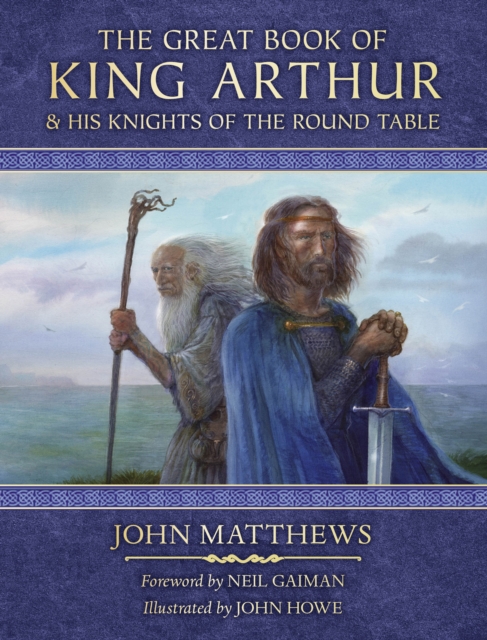
The most famous and influential work of English fantasy ever published, reimagined for a new generation of readers by John Matthews, one of the world's leading Arthurian experts, and illustrated by internationally acclaimed Tolkien artist, John Howe.
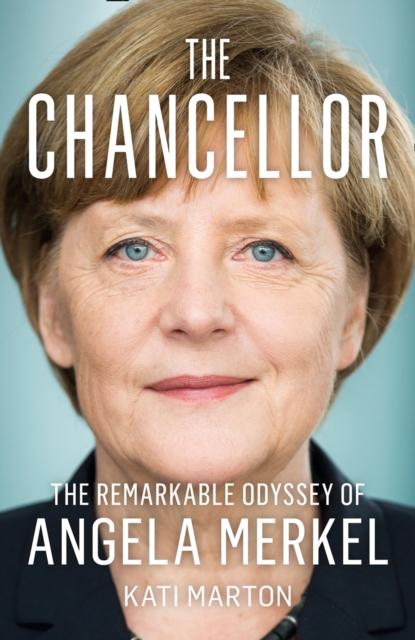
'An intimate, insightful portrait of an extraordinarily private leader' WALTER ISAACSONFrom the bestselling author of Enemies of the PeopleAn intimate and deeply researched account of the extraordinary rise and political brilliance of the most powerful - and elusive - woman in the world.
This analysis of the intellectual life of German universities in the fifteenth and early sixteenth centuries demonstrates that humanist-scholastic relations were not the titanic struggles depicted in the humanists' own arguments or the many modern chronicles.
Peter Godman presents the first intellectual history of Florentine humanism from the lifetime of Angelo Poliziano in the later fifteenth century to the death of Niccolo Machiavelli in 1527.
The third volume of The Oxford History of British and Irish Catholicism examines the period from the defeat of the Jacobite army at the battle of Culloden in 1746 to the enactment of Catholic emancipation in 1829.
Alltagsgeschichte, or the history of everyday life, emerged during the 1980s as the most interesting new field among West German historians and, more recently, their East German colleagues.