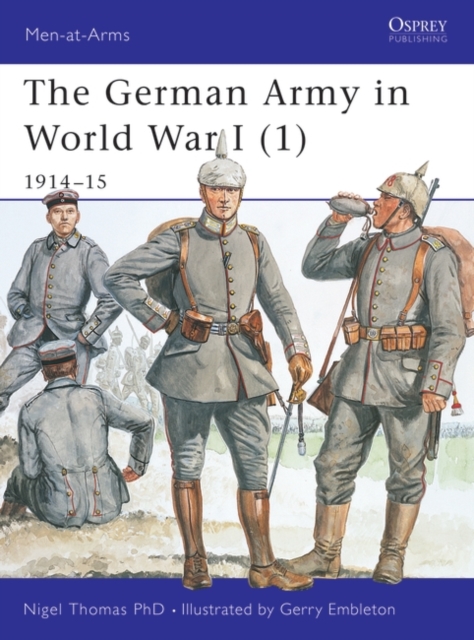
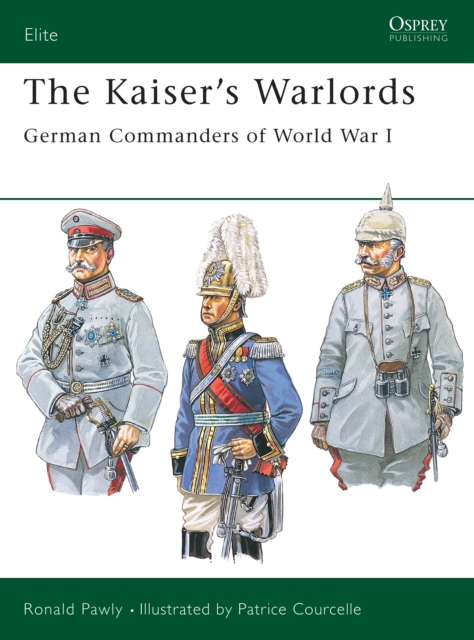
In August 1914 the mobilization of Imperial Germany's 800,000-strong army ushered in the first great war of the modern age - a war which still stands as the greatest slaughter of soldiers in history.
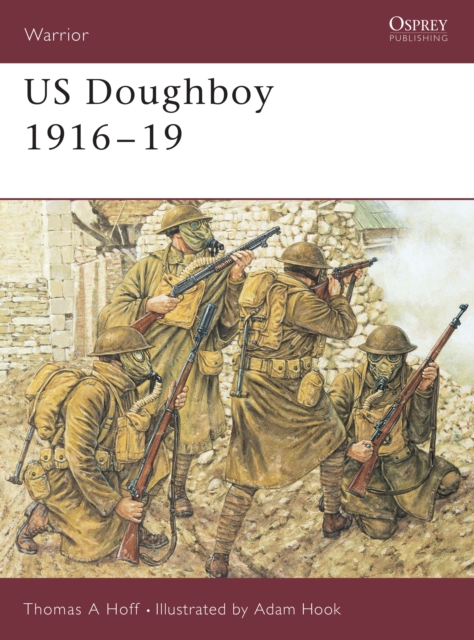
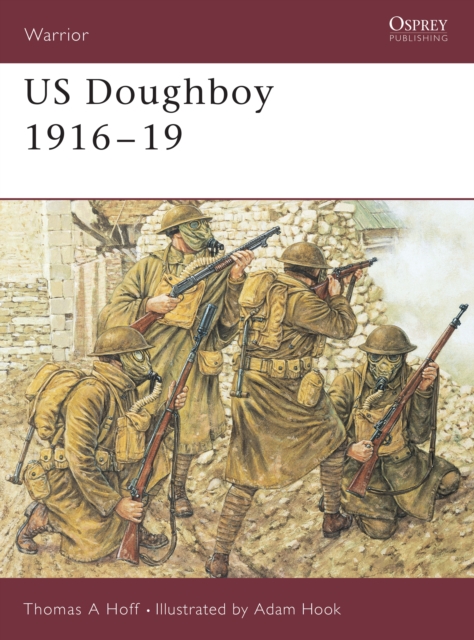
Dedicated to the life of the average US soldier during World War I, this book follows the doughboy during the course of the war: from conscription, arrival at a training facility, transportation to Europe, and finally into combat in the trenches.
Dedicated to the life of the average US soldier during World War I, this book follows the doughboy during the course of the war: from conscription, arrival at a training facility, transportation to Europe, and finally into combat in the trenches.
The origins of what would become the German General Staff of the late 19th and 20th centuries - probably the most professional military machine in the world - can be traced to the Prussian Army of the French Revolutionary and Napoleonic Wars.
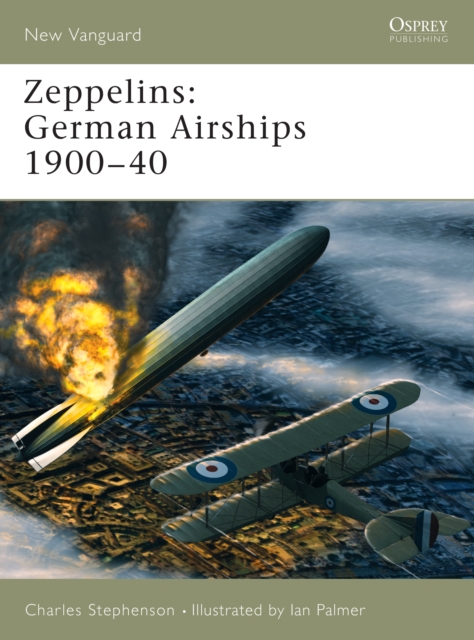
On 2 July 1900 the people of Friedrichshafen, Germany, witnessed a momentous occasion - the first flight of LZ 1, Count Ferdinand von Zeppelin's first airship.
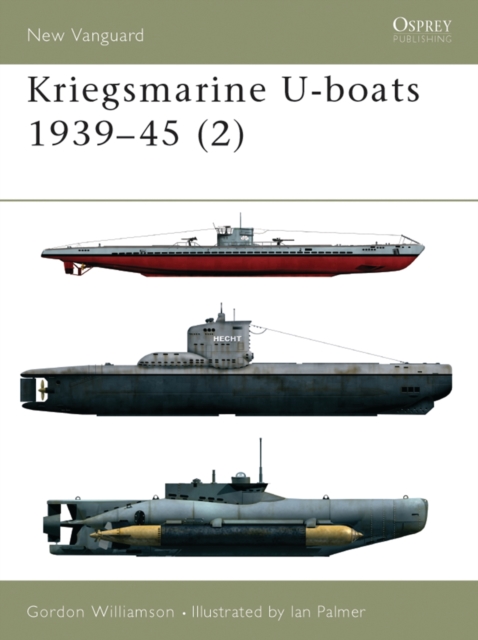
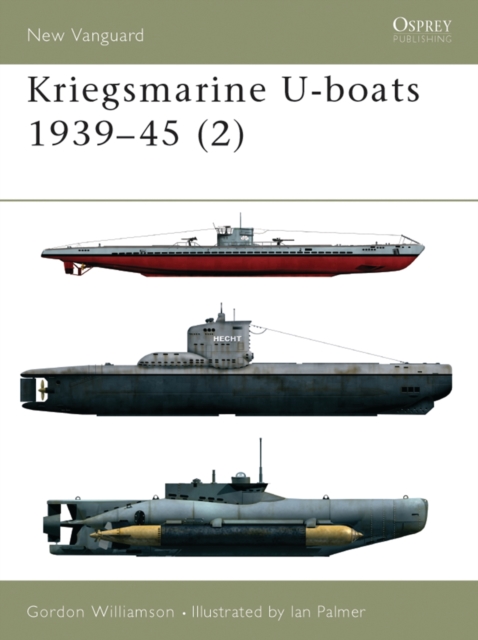
Following on from New Vanguard 51: Kriegsmarine U-boats 1939 45 (1), this book charts the continuing development of the U-boat in German service, including the evolution of the Type IX as a long range 'cruiser' intended for solo operations in distant waters.
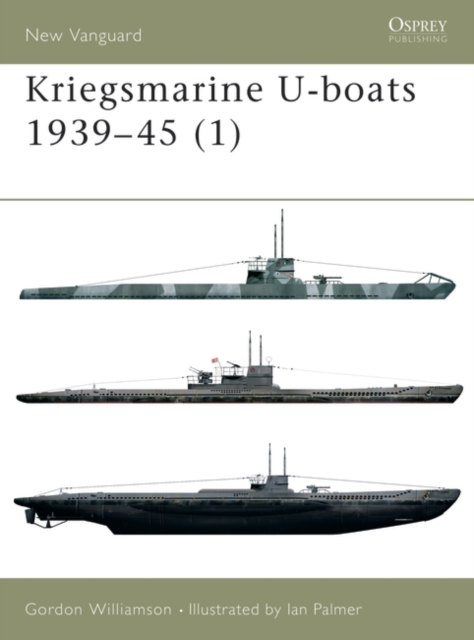
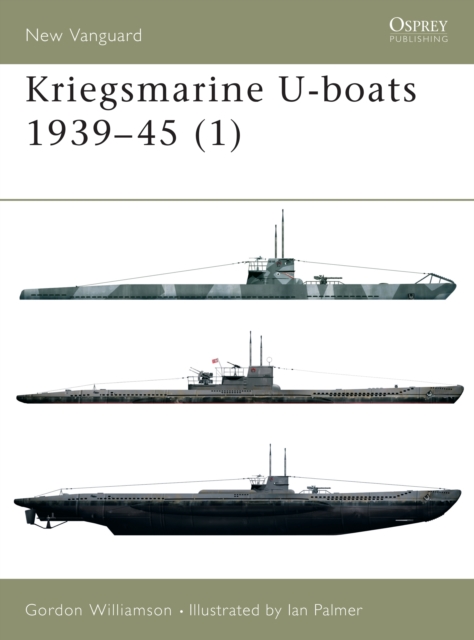
This, the first of two volumes on Germany's World War II U-boats, traces their development from the early U-boats of the Kaiser's Navy, culminating in the formation of the 1st U-boat Flotilla in 1935 with the modern Type II.
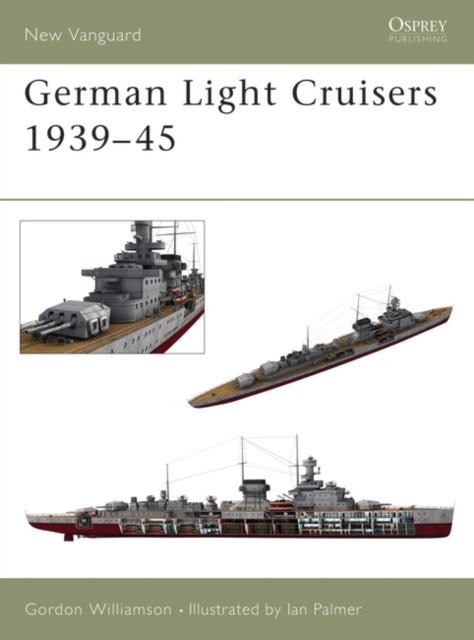
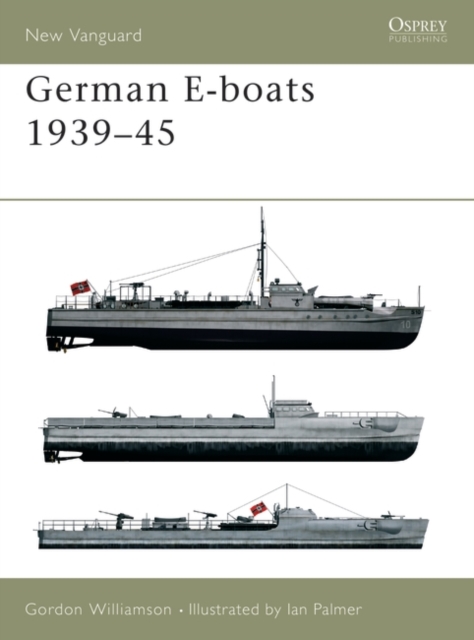
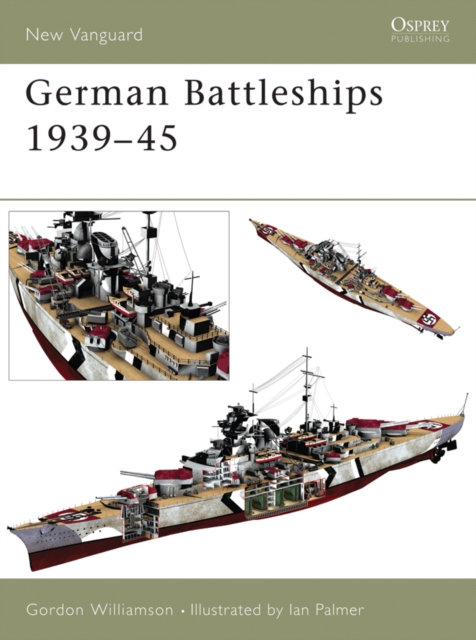
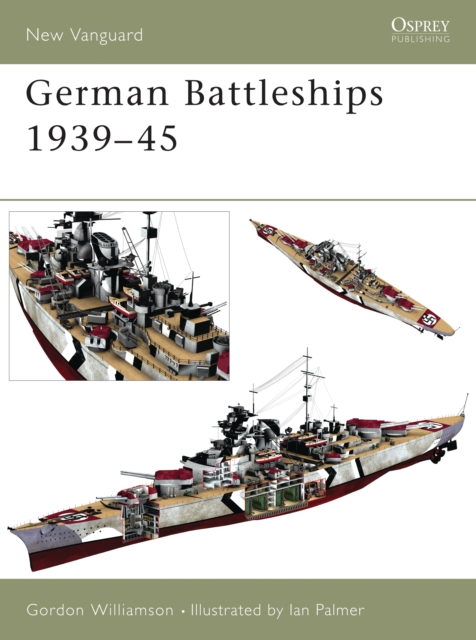
By the outbreak of World War II, Germany had done much to replace the Kaiser's High Seas Fleet, which was scuttled following their surrender at the end of World War I.
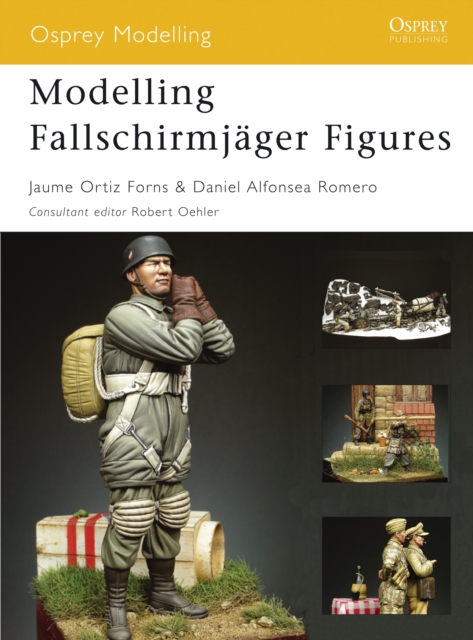
The first book to address the subject of German paratroopers for the figure modeller, this detailed guide covers painting, superdetailing, and conversion techniques from simple to advanced.
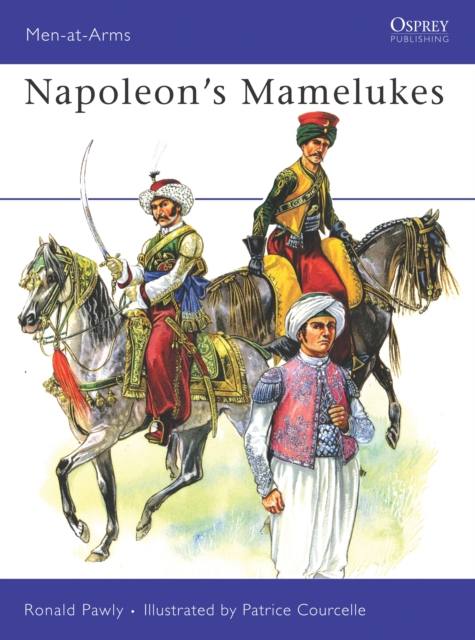
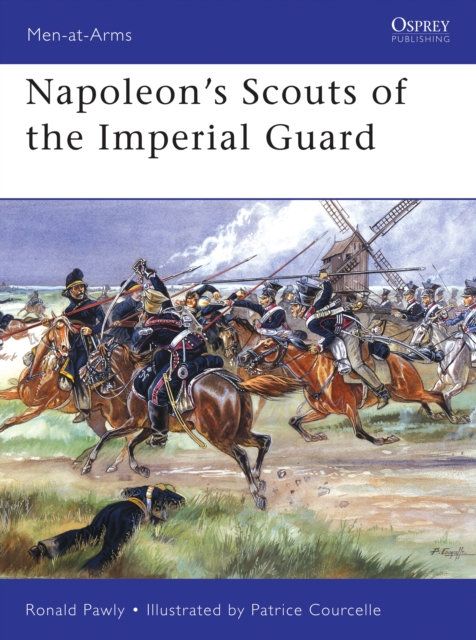
A key part of Napoleon's Imperial Guard were undoubtedly the Mamelukes the bodyguard of Turkish cavalry which remained with his Mounted Chasseurs regiment throughout the First Empire.
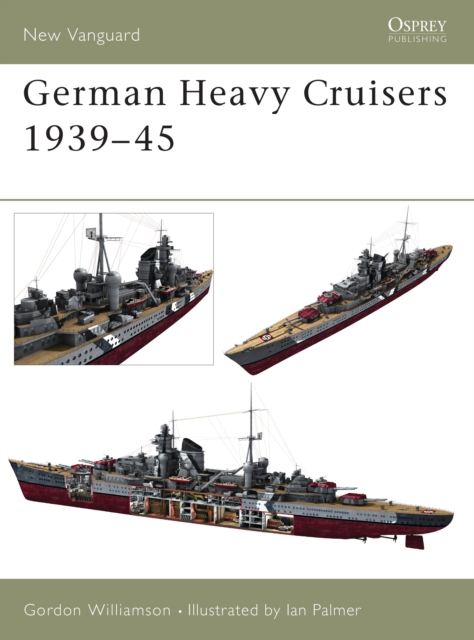
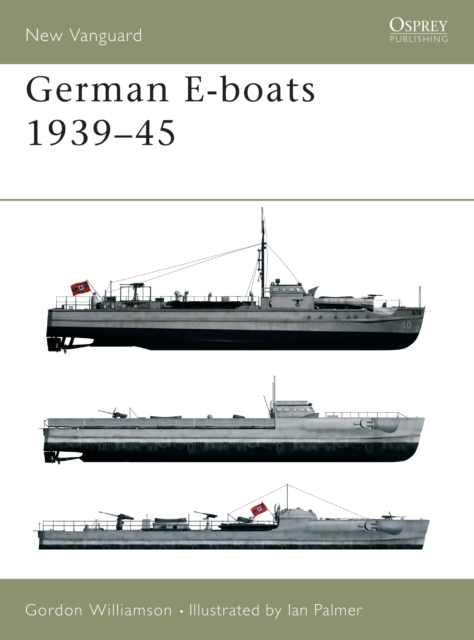
The development of this excellent and successful class of warship only became possible after the Anglo-German naval agreement of 1935 eased restrictions on the types of ship Germany could build.
Following on from New Vanguard 51: Kriegsmarine U-boats 1939 45 (1), this book charts the continuing development of the U-boat in German service, including the evolution of the Type IX as a long range 'cruiser' intended for solo operations in distant waters.
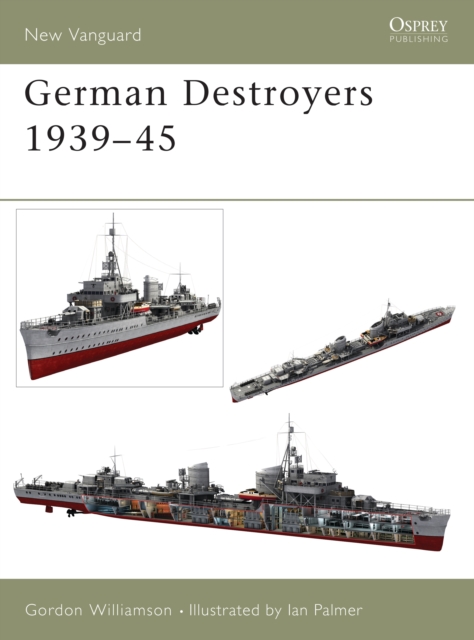
The German destroyer fleet of World War II consisted of nine classes: the Diether Von Roeder Class, the Leberecht Maas Class and the wartime classes Z23, Z35, Z37, Z40, Z43, Z46 and Z52.
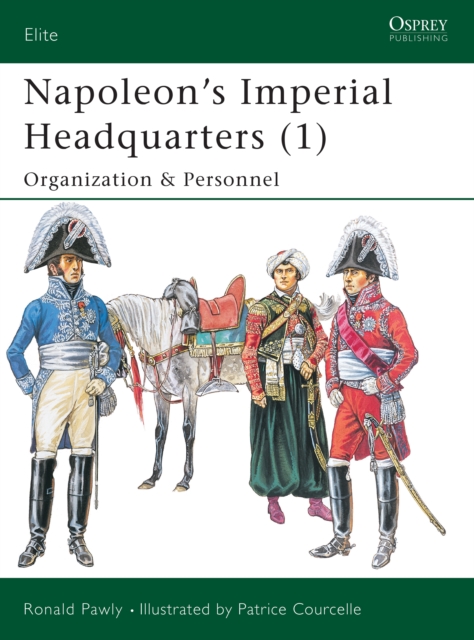
Following Elite 115 which described the composition of Napoleon's military and civil 'households', and Marshal Berthier's army general headquarters this title offers an intimate glimpse of the Emperor's entourage in the field.
This, the first of two volumes on Germany's World War II U-boats, traces their development from the early U-boats of the Kaiser's Navy, culminating in the formation of the 1st U-boat Flotilla in 1935 with the modern Type II.
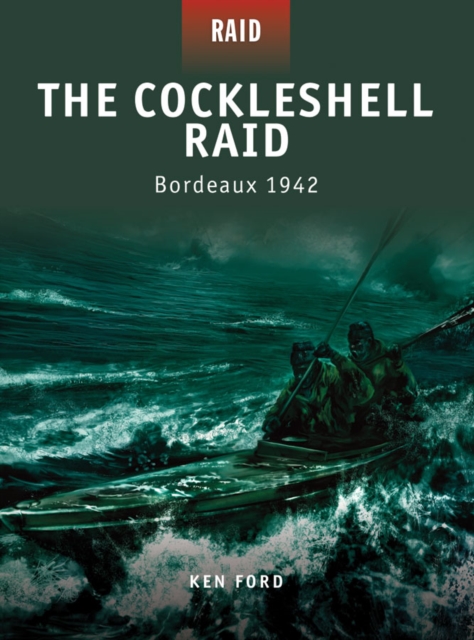
On the night of December 7, 1942, five canoes were launched off the mouth of the Gironde river, each containing a pair of British commandoes tasked with slipping into the port of Bordeaux and destroying as many of the merchant ships as possible.
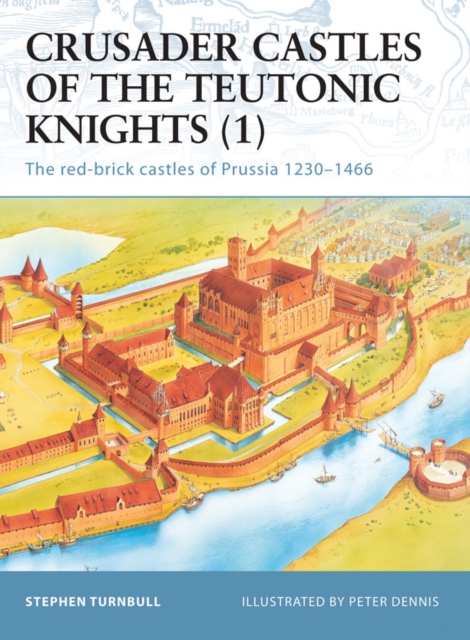
Throughout their stormy history the Teutonic Knights of Germany have always been the most controversial brotherhood ever to call themselves 'Knights of Christ'.
By the outbreak of World War II, Germany had done much to replace the Kaiser's High Seas Fleet, which was scuttled following their surrender at the end of World War I.
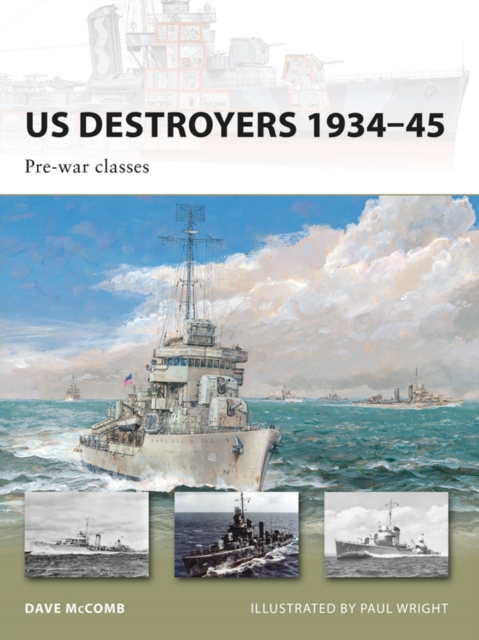
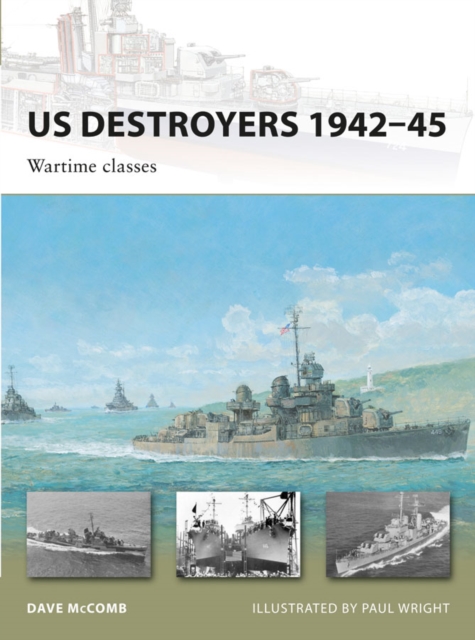
Since the beginning of the 20th century, destroyers have been all-purpose ships, indispensable from delivering the mail at sea to screening other vessels and, where larger ships were not present, forming the front line in battle.
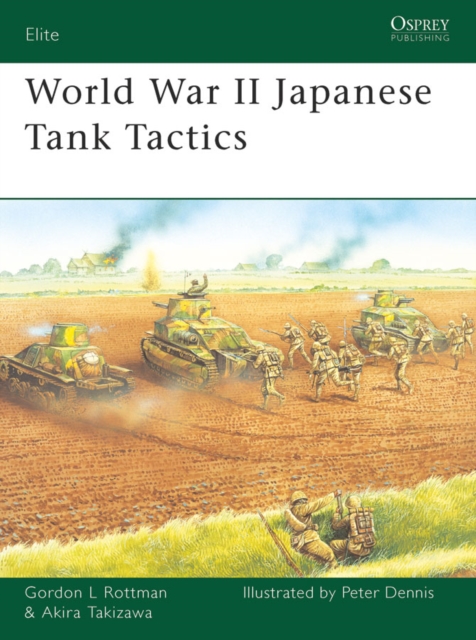
Expert author and tactician Gordon L Rottman & Akira Takizawa provide the first English-language study of Japanese Army and Navy tank units, their tactics and how they were deployed in action.
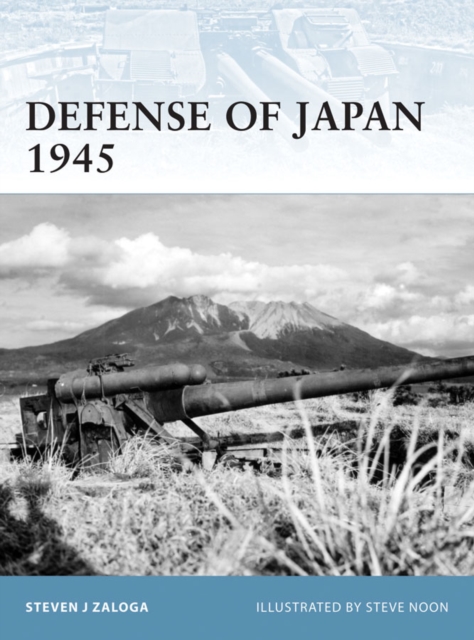
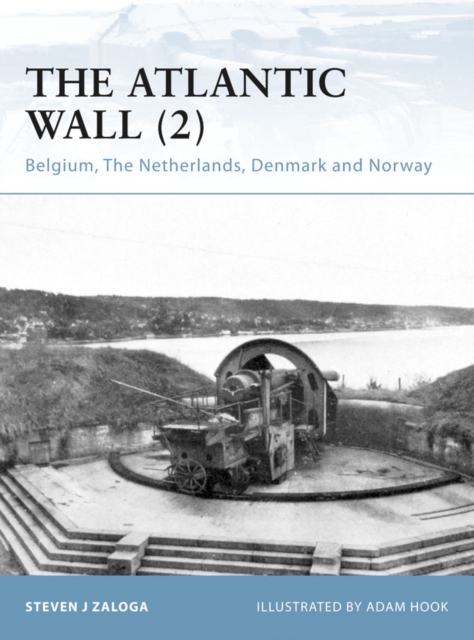
In 1945, with her fleet destroyed and her armies beaten, the only thing that stood between Japan and an Allied invasion was the numerous coastal defence positions that surrounded the islands.
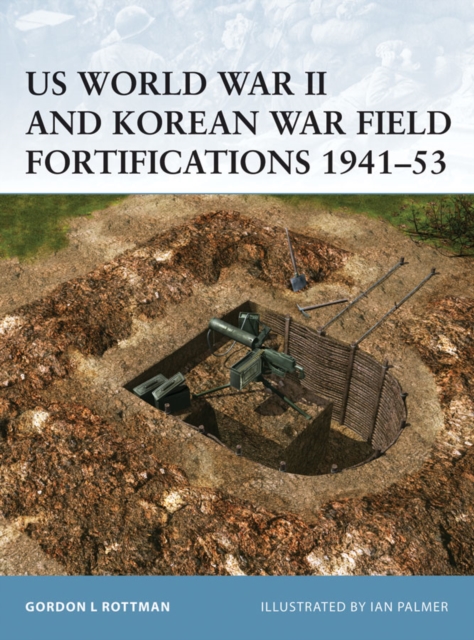
Gordon L Rottman explores the design development and combat history of the US Army's field fortifications during these two major wars, alongside illustrations and diagrams throughout.