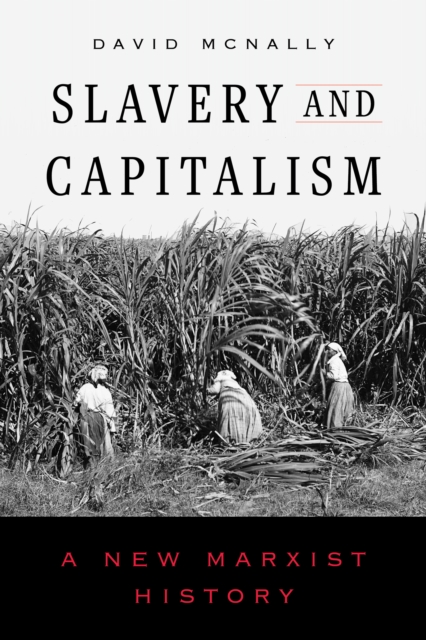
Reflecting the growing interest of historians in memory studies, this edited collection examines the relationship between memory and global social movements from 1848 to the present.
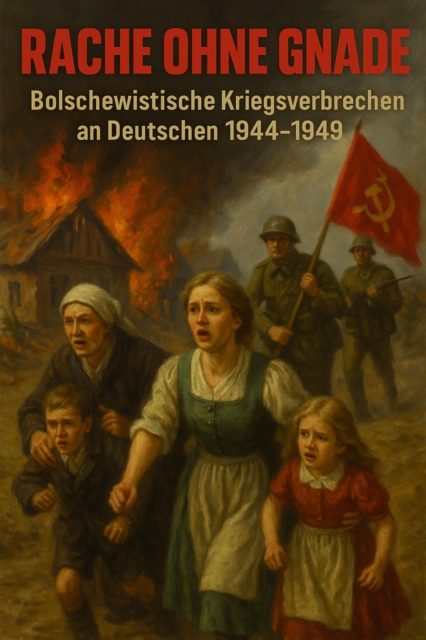
"Vergessene Opfer – Die Wahrheit über die sowjetischen Kriegsverbrechen an Deutschen"Das Ende des Zweiten Weltkriegs markierte nicht nur den Sieg über den Nationalsozialismus, sondern auch den Beginn eines dunklen Kapitels deutscher Geschichte, das lange verschwiegen wurde: die systematischen Kriegsverbrechen der Roten Armee an der deutschen Zivilbevölkerung und Kriegsgefangenen.
Pressure to share research findings in the form of academic publications has meant that doctoral candidates are encouraged to develop skills that will help them engage with the competitive publication market.
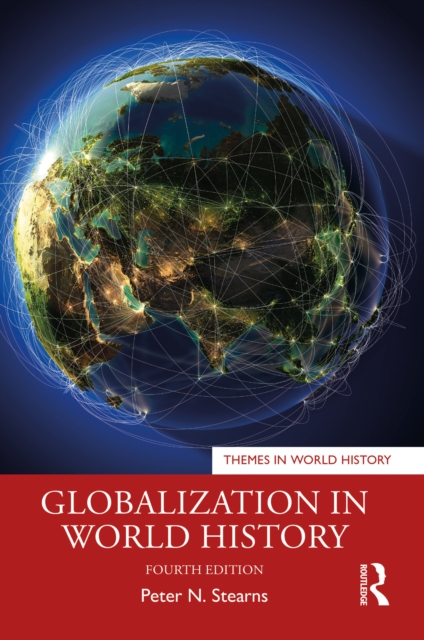
In this fully revised fourth edition, this book treats globalization from several vantage points, showing how these help grasp the nature of globalization both in the past and today.
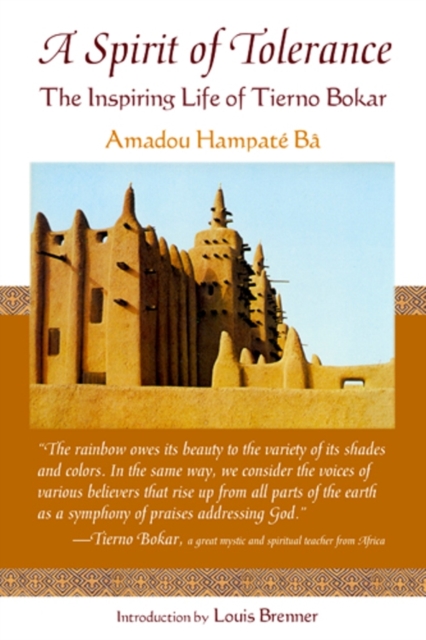
Tierno Bokar (1875-1939), African mystic and Muslim spiritual teacher, was remarkable for the drama of his life story (which was made into a recent play directed by Peter Brook).
Seit der Corona-Pandemie, anhaltenden Anstieg der Sterblichkeit (Ende 2022 wies Deutschland eine Übersterblichkeit von 50% auf), der Krieg in der Ukraine und die Sanktionen gegen Rußland geht es mit der Gesellschaft mehr denn je bergab.
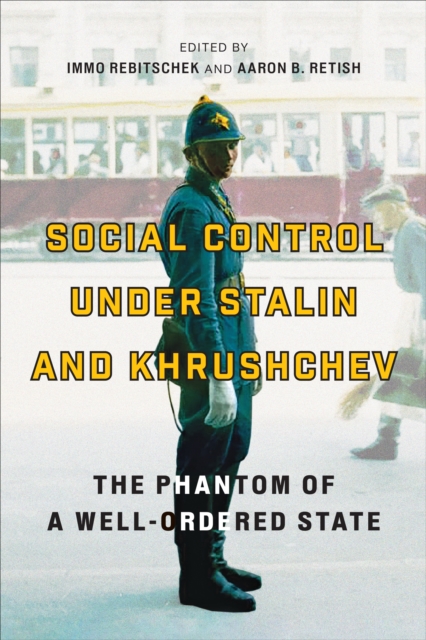
Escribir libremente, crear obras artísticas sin seguir los cánones establecidos o informarobjetivamente fueron actividades de alto riesgo en los países comunistas.
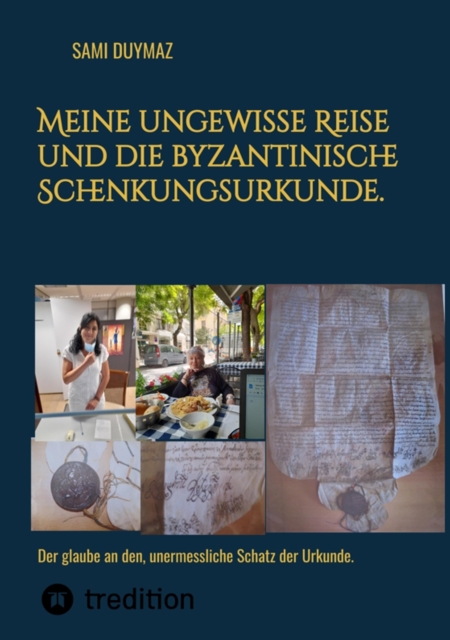
In "Geheimnisse der Schenkungsurkunde: Eine Forschungsreise nach Thessaloniki" begibt sich der Leser auf eine spannende Reise in die Welt der Byzantinischen Geschichte und skurrilen Intrigen.
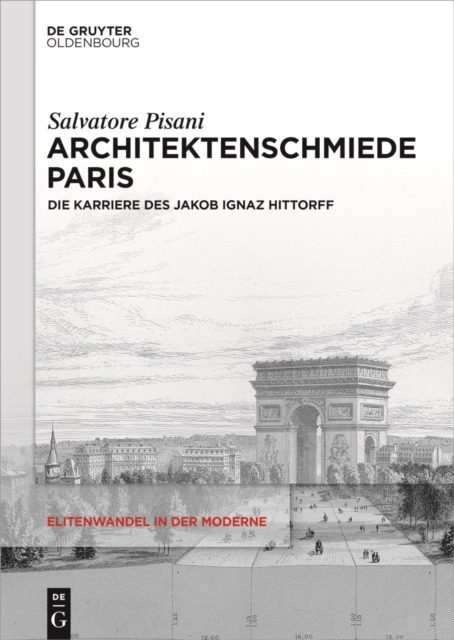
Es wird der unterschlagenen Frage nachgegangen, welche Rolle der Elitismus der französischen Architektenschaft für Frankreichs Wandel zu einem modernen Staatsgebilde spielte.
Nach den erstaunlichen Umwandlungen, die sich kürzlich in unserer Welt vollzogen haben, werden wir in nächster Zukunft Zeugen einer kontinuierlichen Folge von sehr auffälligen Veränderungen werden, die tiefe Einschnitte in aller unser Leben bringen werden.
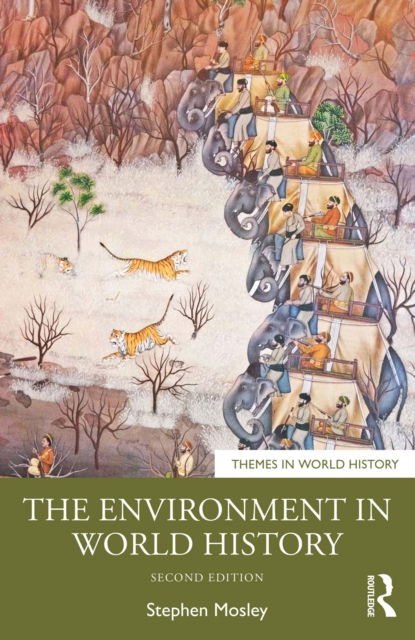
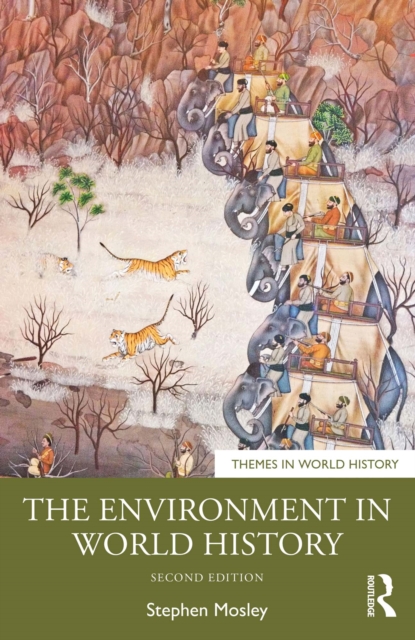
Now in its second edition and refreshed by a decade of new research, The Environment in World History uncovers the deep-rooted causes of interconnected climate, biodiversity, and ecological crises that have brought the environment to the top of the global political agenda in the twenty-first century.
Now in its second edition and refreshed by a decade of new research, The Environment in World History uncovers the deep-rooted causes of interconnected climate, biodiversity, and ecological crises that have brought the environment to the top of the global political agenda in the twenty-first century.
Kunst im Spannungsfeld zwischen Freiheit – Politik - PublikumWie Rechtsradikale wegen Schnitzlers "Reigen" die Wiener Kammerspiele verwüsteten – warum die Kirche wegen eines Besuchs von Josephine Baker Bußgottesdienste veranstaltete – warum Österreichs Regierung 1933 die Bücherverbrennung in Deutschland bejubelte – wie Stefan Zweig aus Österreich vertrieben wurde – welche Autoren schon früh zu den Nazis überliefen – wer das miefige Kulturklima der Nachkriegsjahre zu verantworten hatte – wie Valie Export, Hermann Nitsch, Peter Turrini und viele andere um ihr Werk kämpfen mussten.