Juan Antonio Tirado traza en este libro una crónica periodística de la Transición española centrada en siete personajes que fueron claves en la consecución de lo que Raúl del Pozo llama «el logro más importante de la España del siglo XX».
Este libro de Óscar Alarcón Núñez tiene documentos que por primera vez se divulgan y que demuestran como en distintas épocas se planteó la posibilidad de que Panamá fuera capital de Colombia.
Cautiverio feliz, publicado en 1673 por el maestro de campo Francisco Nunez de Pineda y Bascunan, relata su vida en manos de los mapuche tras ser capturado en la batalla de Las Cangrejeras en 1629.
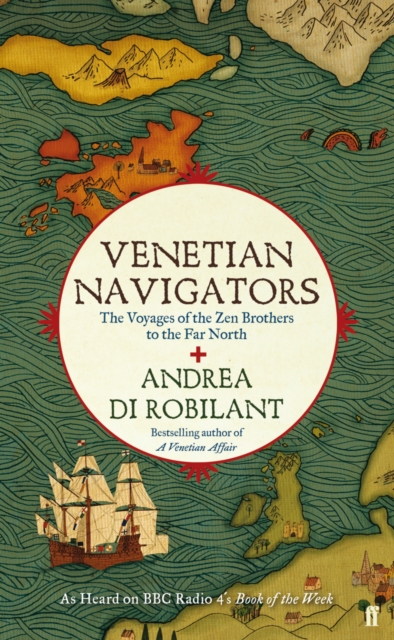
In the 1380s and 90s, Nicolo and Antonio Zen journeyed from Venice up the North Atlantic, encountering warrior princes, fighting savage natives and, just possibly, reaching the New World a full century before Columbus.
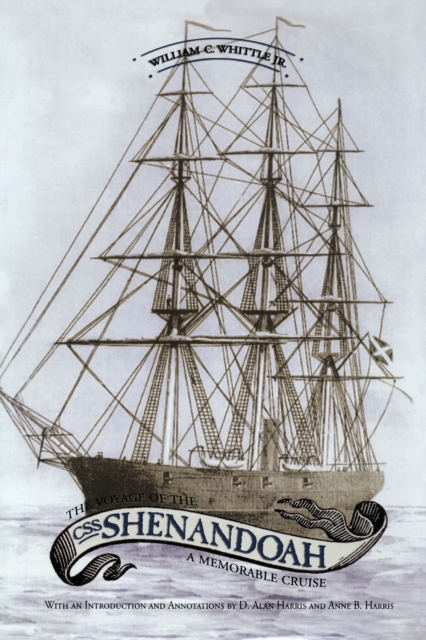
The only Confederate ship to circumnavigate the globe The Confederate cruiser Shenandoah was the last of a group of commerce raiders deployed to prey on Union merchant ships.
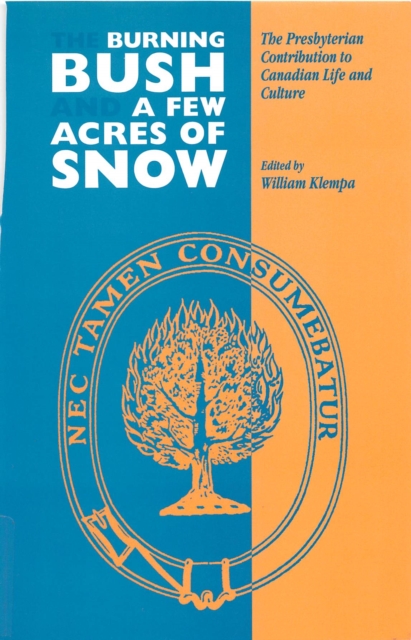
The twelve essays collected here explore the formative influence Presbyterianism has had on Canadian religious heritage and culture, including education, church/state relations, literature and music.
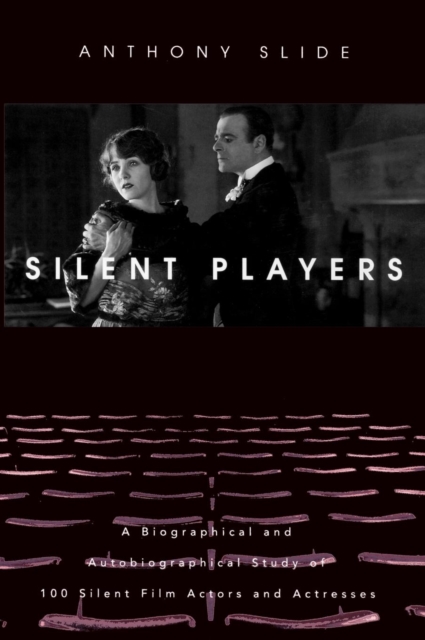
" From his unique perspective of friendship with many of the actors and actresses about whom he writes, silent film historian Anthony Slide creates vivid portraits of the careers and often eccentric lives of 100 players from the American silent film industry.
Full of facts and trivia for every day of the yearDo you know when the Duke of Albemarle arranged Britain's first boxing match, between his butler and his butcher?
A prize-winning scholar offers a sweeping exploration of the role doors have played in history Exploring a chapter not yet probed in the cultural history of the West, The Strait Gate demonstrates how doors, gates, and related technologies such as the key and the lock have shaped the way we perceive and navigate the domestic and urban spaces that surround us in our everyday lives.
Whilst the greatest effort has been made to ensure the quality of this text, due to the historical nature of this content, in some rare cases there may be minor issues with legibility.
Whilst the greatest effort has been made to ensure the quality of this text, due to the historical nature of this content, in some rare cases there may be minor issues with legibility.
Consisting of the full text of eight papal social encyclicals dating back to 1891 and the papacy of Leo XIII, and one important papal radio address on Christian social ethics, this reference work also introduces, outlines, and summarizes the texts in a clear, understandable language.
Whilst the greatest effort has been made to ensure the quality of this text, due to the historical nature of this content, in some rare cases there may be minor issues with legibility.
The Divine Covenants is a careful expository study of the covenants in Scripture: Everlasting, Adamic, Noahic, Abrahamic, Siniatic, Davidic, and Messianic (the New Covenant).
The Marine Corps Way of War examines the evolving doctrine, weapons, and capability of the United States Marine Corps during the four decades since our last great conflict in Asia.
Catkiller 3-2 provides unique insights into the role of the tactical air controller, airborne (TACA) in I Corps as seen through the eyes of one of the pilots who flew low-flying, unarmed, single-engine aircraft in support of Marine ground units during the Vietnam War.
Focusing on Britain's peasants, shopkeepers, and other commoners, this history of the deadly Black Plague is a "e;local account of the countrywide calamity"e; (The Times).
'Outstanding' TIMES'Gripping' ECONOMISTSHORTLISTED FOR THE RSL CHRISTOPHER BLAND PRIZESHORTLISTED FOR THE PUSHKIN HOUSE BOOK PRIZESHORTLISTED FOR THE EDWARD STANFORD TRAVEL BOOK OF THE YEAREmotionally scarred after witnessing the bloody climax of the Beslan school siege in Russia's North Caucasus, in which 314 hostages died, Tom Parfitt set out on a journey.
Bobby Kennedy's last campaignan homage to a leader who might have changed history and a reconstruction of the conspiracy to stop him, in a magisterial feat of epic investigative poetry.
The Communist Economic Challenge (1965) examines the substantial industrial development in the Soviet Union, and its European satellites, and China, looking at Khrushchev's boast that by 1970 the USSR's industrial output would surpass that of the USA.
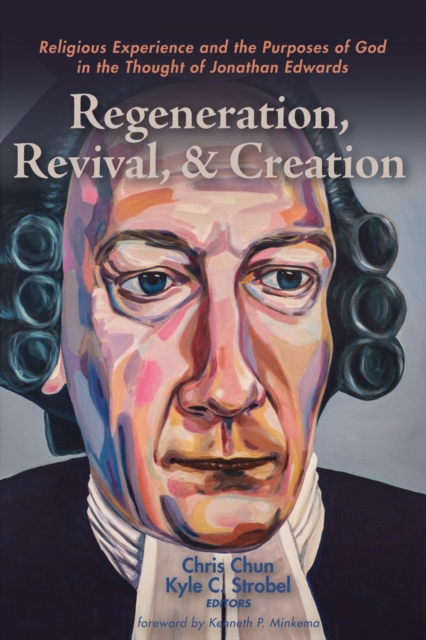
Jonathan Edwards (1703-58) is considered one of the greatest theologians and philosophers of evangelicalism, who also served as a pastor, missionary, and revival leader.
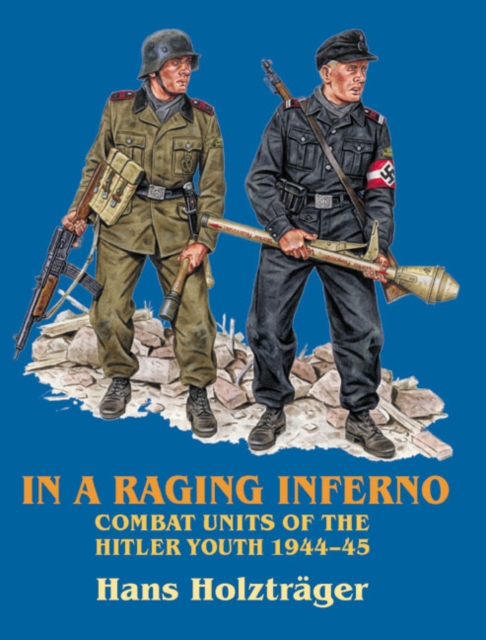
Translated from German, In a Raging Inferno is the first English-language book ever to recount the story of the Hitler Youth and its combat role at the end of World War II.
This popular volume on the culture of hair through human history and around the globe has been updated and revised to include even more entries and current information.
A groundbreaking book that gathers key wartime intelligence reportsDuring the Second World War, three prominent members of the Frankfurt School-Franz Neumann, Herbert Marcuse, and Otto Kirchheimer-worked as intelligence analysts for the Office of Strategic Services, the wartime forerunner of the CIA.