From the construction of Notre Dame and the Eiffel Tower to the Fall of the Bastille and the Declaration of the Rights of Man and the Citizen to Napoleon Bonaparte's defeat at Waterloo to Albert Camus' L'Etranger and the existentialism of Jean-Paul Sartre, France has been a part of some of the greatest and most memorable events in human history.
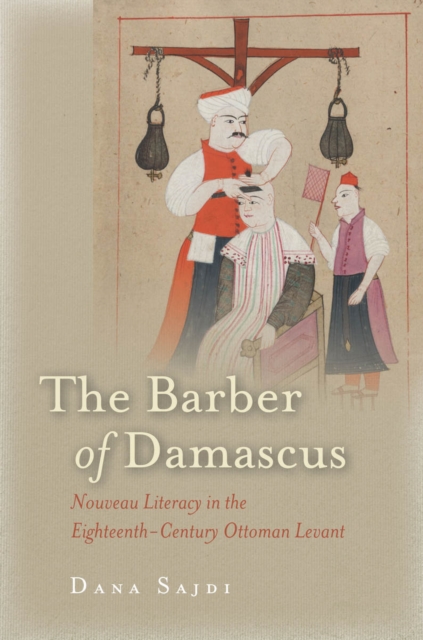
This book is about a barber, Shihab al-Din Ahmad Ibn Budayr, who shaved and coiffed, and probably circumcised and healed, in Damascus in the 18th century.
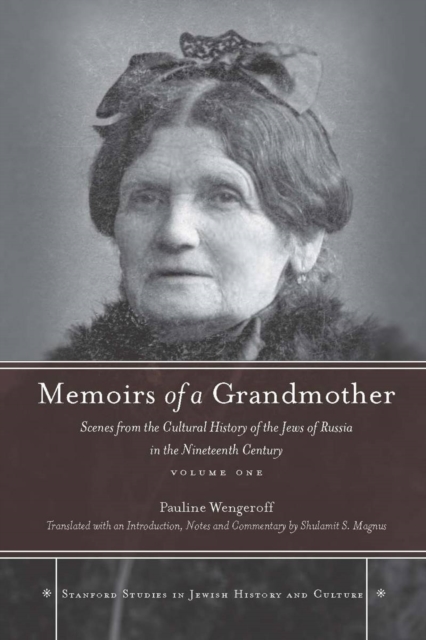
Pauline Wengeroff, the only nineteenth-century Russian Jewish woman to publish a memoir, sets out to illuminate the "e;cultural history of the Jews of Russia"e; in the period of Jewish "e;enlightenment,"e; when traditional culture began to disintegrate and Jews became modern.
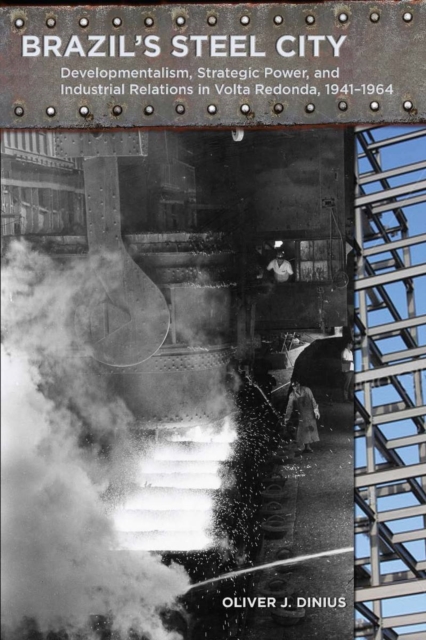
Brazil's Steel City presents a social history of the National Steel Company (CSN), Brazil's foremost state-owned company and largest industrial enterprise in the mid-twentieth century.
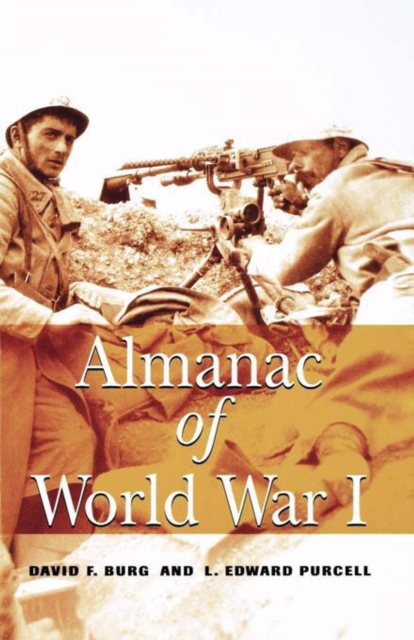
Provides a day-by-day account of the action on all fronts and of the events surrounding the conflict, from the guns of August 1914 to the November 1918 Armistice and its troubled aftermath.
Scottish Migration since 1750: Reasons and Results begins a fresh chapter in migration studies using new methods and unpublished sources to map the course of Scottish migration between 1750 and 1990.
" From his unique perspective of friendship with many of the actors and actresses about whom he writes, silent film historian Anthony Slide creates vivid portraits of the careers and often eccentric lives of 100 players from the American silent film industry.
Marigold presents the first rigorously documented, in-depth story of one of the Vietnam War's last great mysteries: the secret peace initiative, codenamed "e;Marigold,"e; that sought to end the war in 1966.
From the assertion of the Monroe Doctrine in 1823 to the Reagan Doctrine of the 1980s, the United States has presumed a position of political leadership and pre-eminence in the Western Hemisphere.
The "e;Arab Spring"e; was heralded and publicly embraced by foreign leaders of many countries that define themselves by their own historic revolutions.
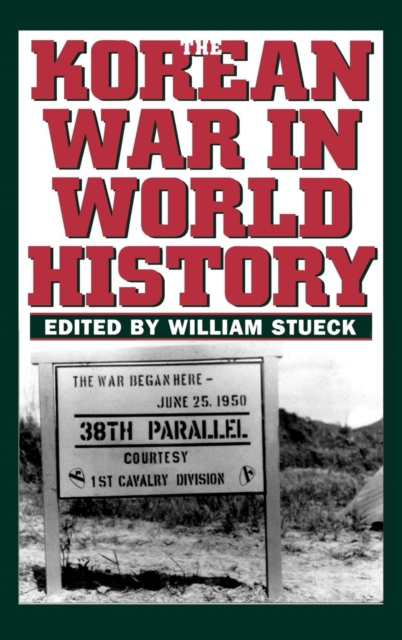
The Korean War in World History features the accomplishments of noted scholars over the last decade and lays the groundwork for the next generation of scholarship.
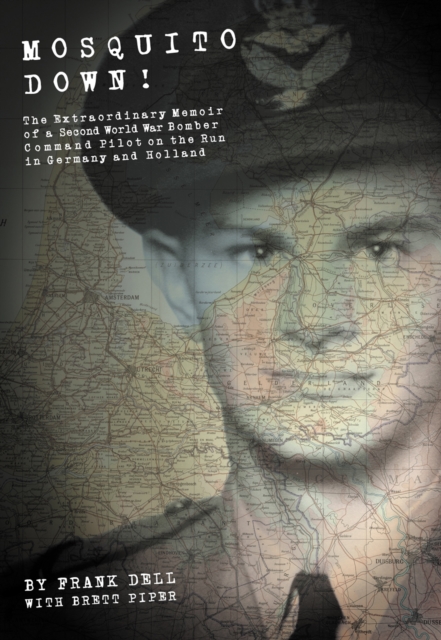
Frank Dell’s experience as a Second World War pilot with the Royal Air Force’s Light Night Striking Force takes an even more dramatic turn when his Mosquito is shot down over Germany on the night of 14/15 October 1944.
Old World, New World: America and Europe in the Age of Jefferson grew out of workshops in Salzburg and Charlottesville sponsored by Monticello's International Center for Jefferson Studies, and revisits a question of long-standing interest to American historians: the nature of the relationship between America and Europe during the Age of Revolution.
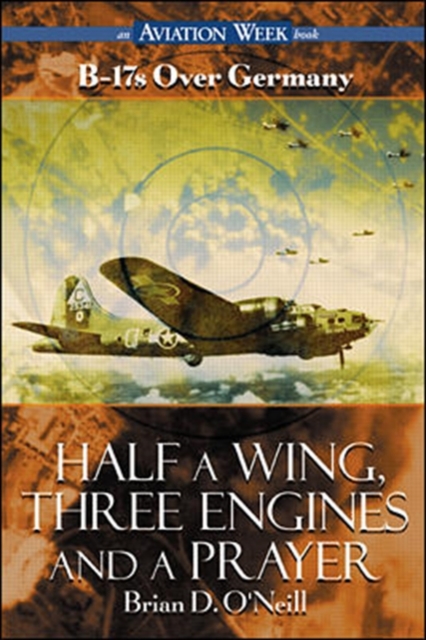
Incorporating a wealth of new material, here is the riveting story of the bombing raids that broke the back of Nazi Germany, praised as "e;a well-researched, highly readable account of a B-17 combat crew's experience .
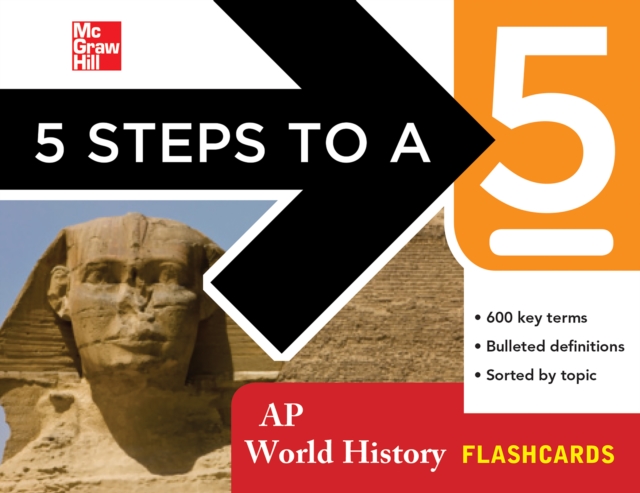
Skill-building flashcards that provide 600 essential AP terms for easy memorization using the convenience of on-the-go study 5 Steps to a 5: AP World History Flashcards features 600 key terms that expert author Peggy Martin has selected as ones that frequently appear on AP World History exams.
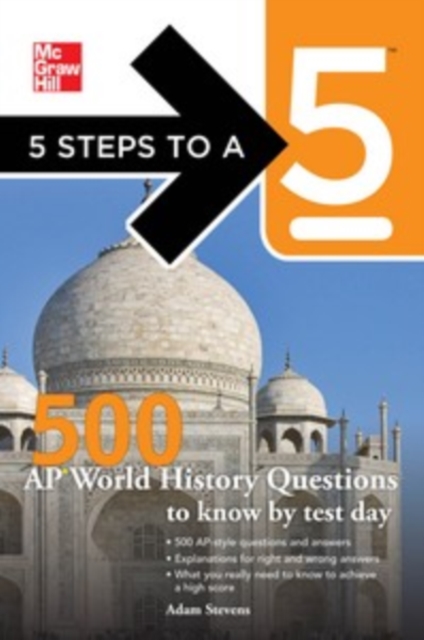
Organized for easy reference and crucial practice, coverage of all the essential topics presented as 500 AP-style questions with detailed answer explanations5 Steps to a 5: 500 AP World History Questions to Know by Test Day is tailored to meet your study needs--whether you ve left it to the last minute to prepare or you have been studying for months.
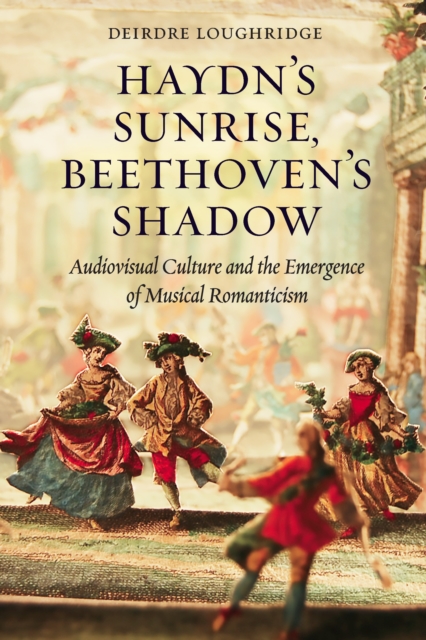
The years between roughly 1760 and 1810, a period stretching from the rise of Joseph Haydn's career to the height of Ludwig van Beethoven's, are often viewed as a golden age for musical culture, when audiences started to revel in the sounds of the concert hall.
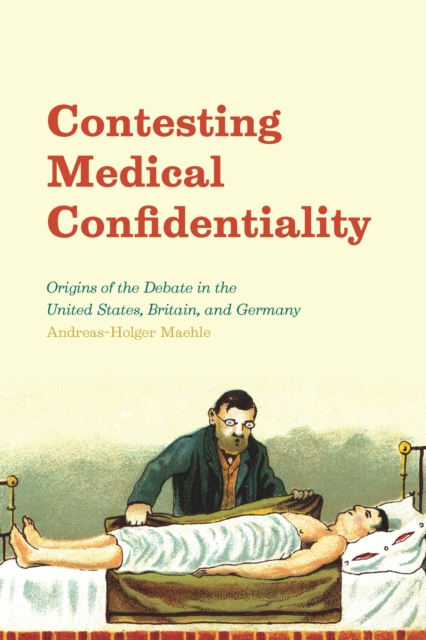
Medical confidentiality is an essential cornerstone of effective public health systems, and for centuries societies have struggled to maintain the illusion of absolute privacy.
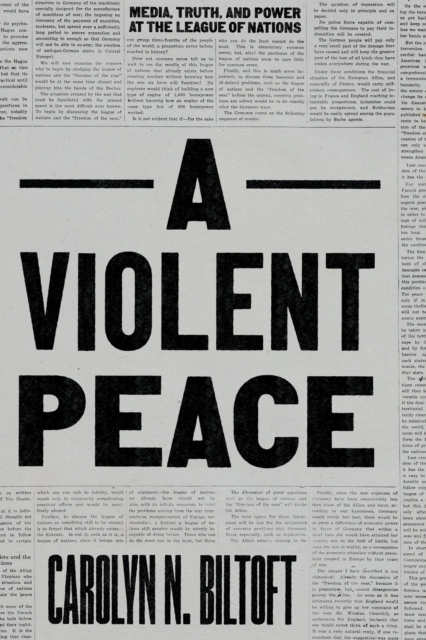
The newly born League of Nations confronted the post-WWI world-from growing stateless populations to the resurgence of right-wing movements-by aiming to create a transnational, cosmopolitan dialogue on justice.
Kindred Spirits takes us inside a remarkable network of Catholic historians, theologians, poets, and activists who pushed against both the far-right surge in interwar Europe and the secularizing tendencies of the leftist movements active in the early to mid-twentieth century.
More than just colorful clickbait or pragmatic city grids, maps are often deeply emotional tales: of political projects gone wrong, budding relationships that failed, and countries that vanished.