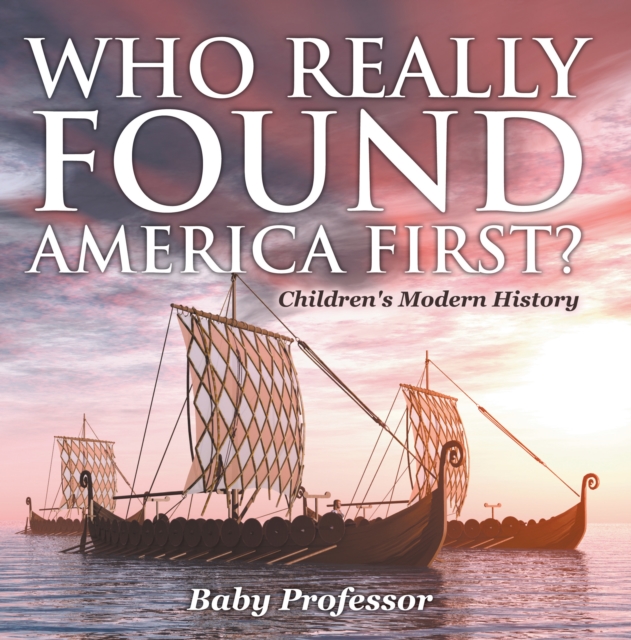
In 1913, an expedition was sent to the Arctic, funded by the American Museum of Natural History, the American Geographical Society and the University of Illinois.
A soldier's eye view of Vietnam's fiercest close-quarters battle upon its 50th anniversaryKhe Sanh's Hill Fights of 1967as experienced by co-author Bobby Maras and told in this hour-by-hour, day-by-day accountwere carnage on the ground, much of it hand-to-hand fighting in the dark.
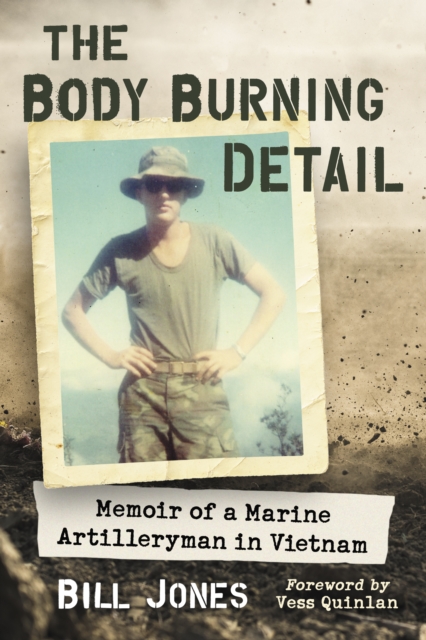
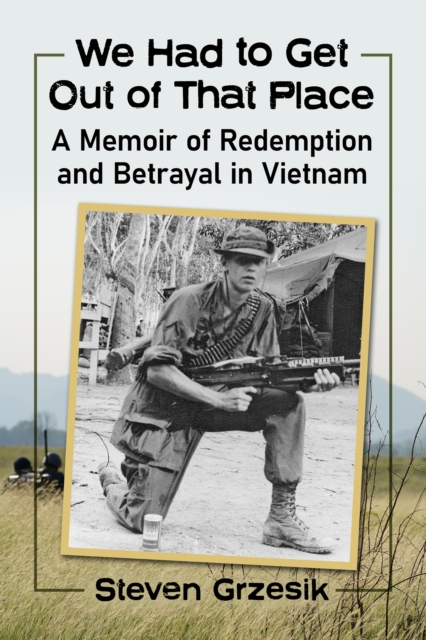
A poignant memoir that recounts the author's hair-raising--and occasionally hilarious--experiences as a young, not especially gung-ho Marine artilleryman in Vietnam.
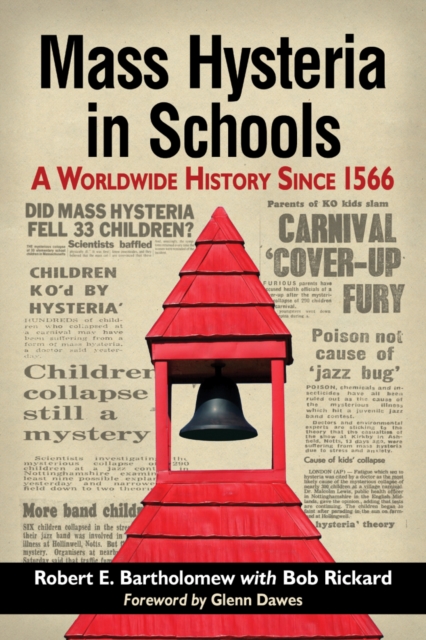
This book comprehensively surveys the colorful history of mass hysteria and kindred phenomena in schools, documenting outbreaks of demonic possession during witchcraft scares, to modern incidents of collapsing bands, itching frenzies, ghost panics and mystery illnesses.
The story of the legendary producer, Neil Bogart, founder of Casablanca Records, who made superstars of the 1970's that have stood the test of time: KISS, Donna Summer, the Village People, and Parliament-Funkadelic.
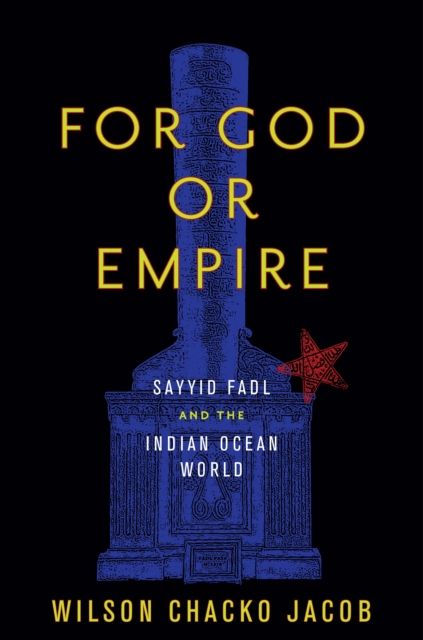
Sayyid Fadl, a descendant of the Prophet Muhammad, led a unique life-one that spanned much of the nineteenth century and connected India, Arabia, and the Ottoman Empire.
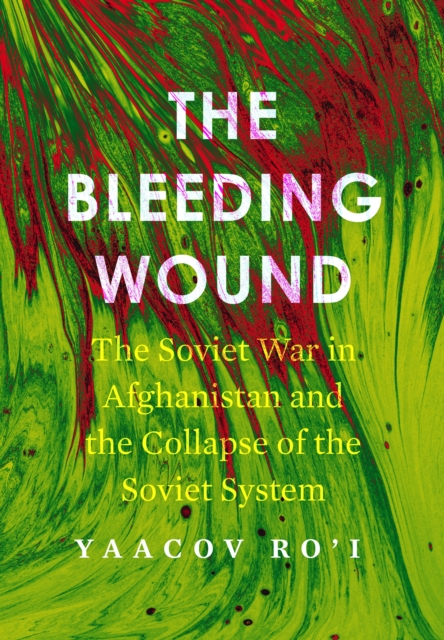
By the mid-1980s, public opinion in the USSR had begun to turn against Soviet involvement in Afghanistan: the Soviet-Afghan War (1979-1989) had become a long, painful, and unwinnable conflict, one that Mikhail Gorbachev referred to as a "e;bleeding wound"e; in a 1986 speech.
In The Atlantic Realists, intellectual historian Matthew Specter offers a boldly revisionist interpretation of "e;realism,"e; a prevalent stance in post-WWII US foreign policy and public discourse and the dominant international relations theory during the Cold War.
This book is a comprehensive portrait of the British colony in Egypt, which also takes a fresh look at the examples of colonial cultures memorably enshrined in Edward W.
Far from always having been an isolated nation and a pariah state in the international community, North Korea exercised significant influence among Third World nations during the Cold War era.
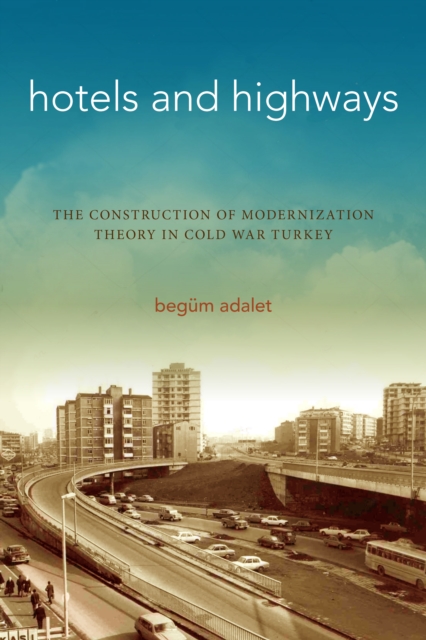
The early decades of the Cold War presented seemingly boundless opportunity for the construction of "e;laboratories"e; of American society abroad: microcosms where experts could scale down problems of geopolitics to manageable size, and where locals could be systematically directed toward American visions of capitalist modernity.
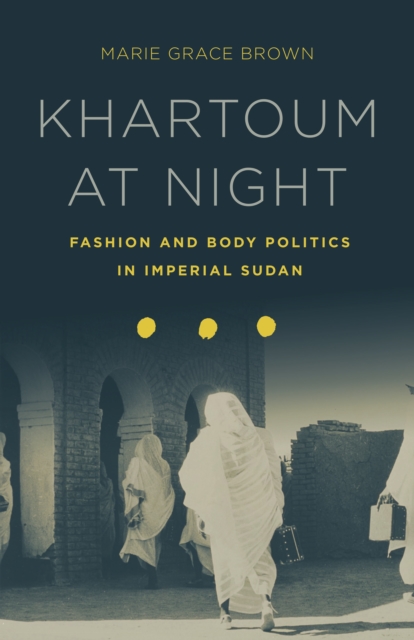
In the first half of the twentieth century, a pioneering generation of young women exited their homes and entered public space, marking a new era for women's civic participation in northern Sudan.
This collection offers a timely reappraisal of the origins and nature of the first British empire, in response to the 'cultural turn' in historical scholarship and the 'new imperial history'.
Household anthologies of seventeenth-century Isfahan collected everyday texts and objects, from portraits, letters, and poems to marriage contracts and talismans.
Mexico City's public markets were integral to the country's economic development, bolstering the expansion of capitalism from the mid-nineteenth to mid-twentieth centuries.
A lively examination of the life and work of one of the great Enlightenment intellectualsPhilosopher, translator, novelist, art critic, and editor of the Encyclopedie, Denis Diderot was one of the liveliest figures of the Enlightenment.
The Discovery of Iran examines the history of Iranian nationalism afresh through the life and work of Taghi Arani, the founder of Iran's first Marxist journal, Donya.
In the centuries before Europeans crossed the Atlantic, social and material relations among the indigenous Guarani people of present-day Paraguay were based on reciprocal gift-giving.
Translated for the first time from the original Persian into English, these selected treatises from Aziz O-Din Nasafi's thirteenth-century work The Perfect Being provide a fascinating and rare, yet applicable, introduction to Sufism.
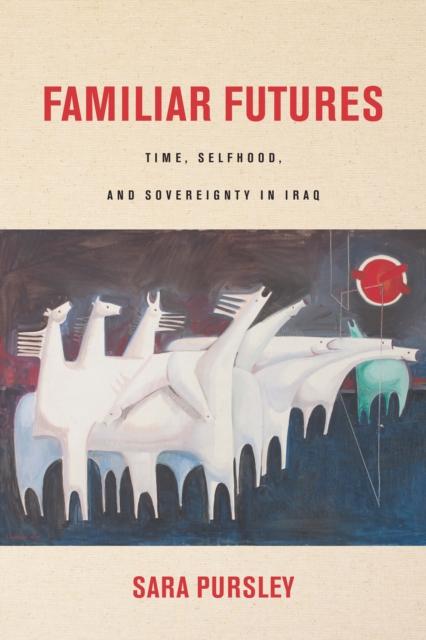
Iraq was the first postcolonial state recognized as legally sovereign by the League of Nations amid the twentieth-century wave of decolonization movements.
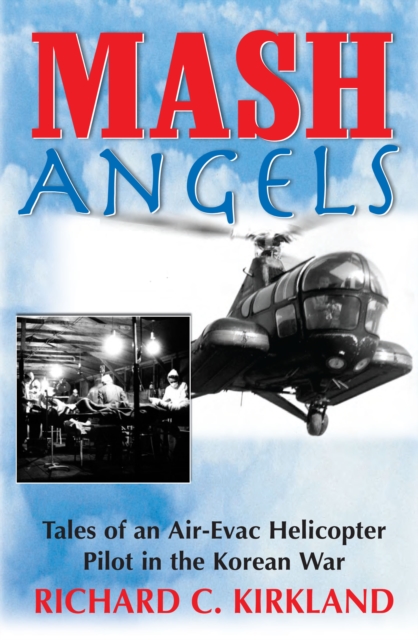
An inspiring first-hand account by military aviation pioneer Richard Kirkland recounts how he and a handful of daring helicopter pilots revolutionized battlefield medical evacuation and blazed the trail for modern air-evac flying.