This volume investigates the emergence and spread of maritime commerce and interconnectivity across the Indian Ocean World-the world's first "e;global economy"e;-from a longue duree perspective.
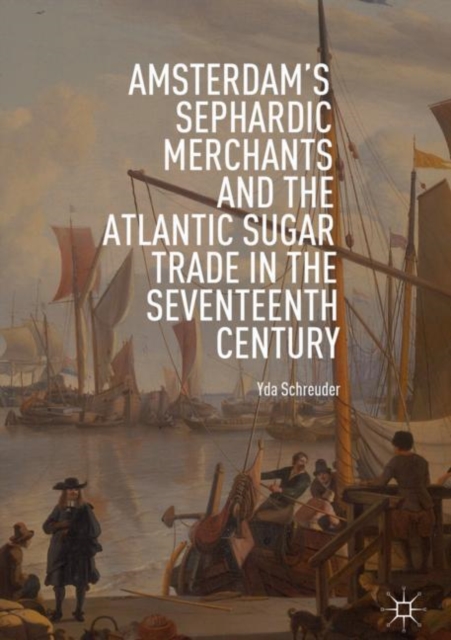
This book surveys the role of Amsterdam's Sephardic merchants in the westward expansion of sugar production and trade in the seventeenth-century Atlantic.
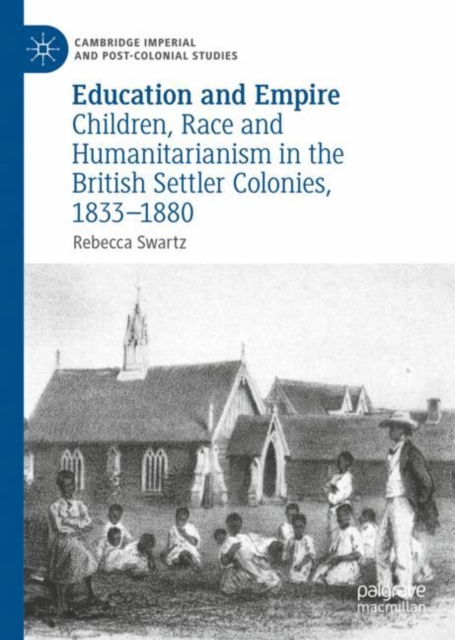
This book tracks the changes in government involvement in Indigneous children's education over the nineteenth century, drawing on case studies from the Caribbean, Australia and South Africa.
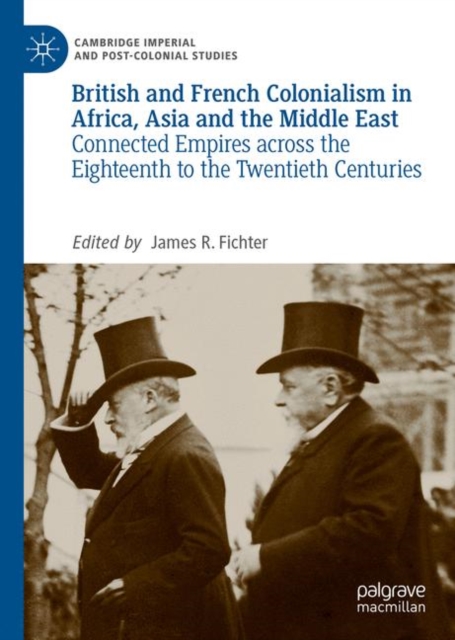
This book examines the connections between the British Empire and French colonialism in war, peace and the various stages of competitive cooperation between, in which the two empires were often freres ennemis.
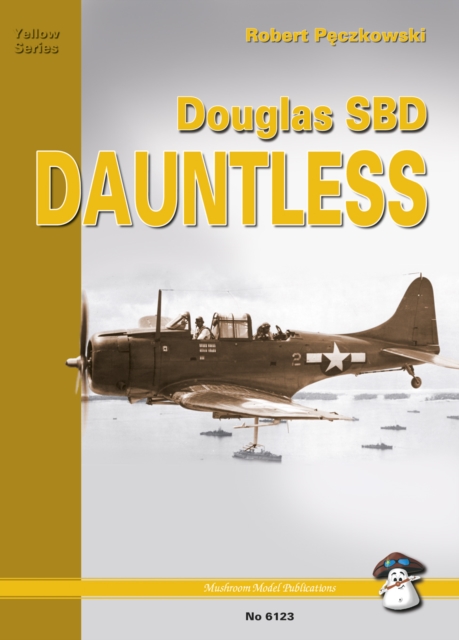
The “Slow But Deadly” Dauntless was the US Navy’s premier carrier-borne dive bomber, and proved immensely successful in all the major Pacific naval campaigns of WW2.
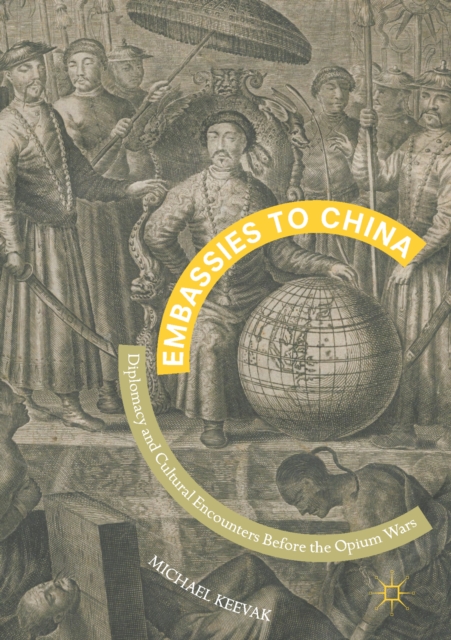
This text is a timely and wide-ranging study providing essential background to the development of global modernity through the European encounter with China.
This book is one of the first to systematically explore cultural interactions between the Northern Zone of China and the Eurasian Steppe, with a focus on the formation process of the Xiongnu Confederation and the Silk Road.
"Bauernaufstände in Deutschland und ihre Auswirkungen auf Europa"Entdecken Sie ein faszinierendes Kapitel der europäischen Geschichte, das die Grundlagen unserer modernen Gesellschaft nachhaltig geprägt hat.
This book engages the diverse meanings and interpretations of Islamic and Western law which have affected people and societies across the globe, past and present, in correlation to the epistemological groundings of those meanings and interpretations.
Bubonic Plague was an ongoing epidemic that sickened and killed many in Europe and beyond beginning in the mid-fourteenth century and continuing in the days of Martin Luther's sixteenth-century Germany.
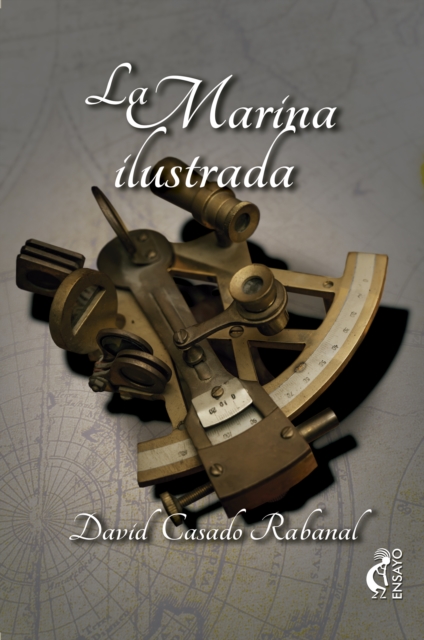
España fundó la primera navegación global de la historia, dibujó continentes desconocidos e inventó las máquinas maravillosas que hicieron posible aquella primera globalización.
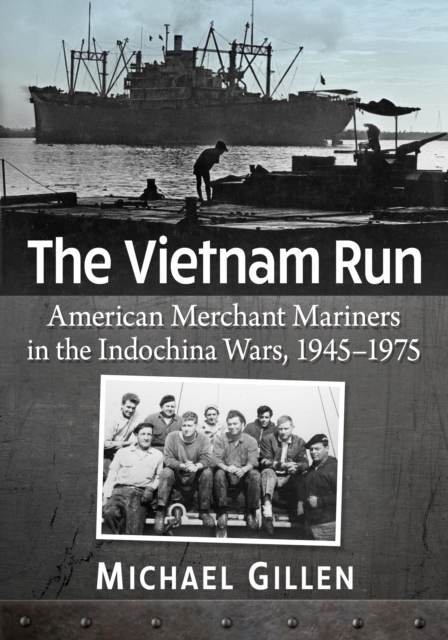
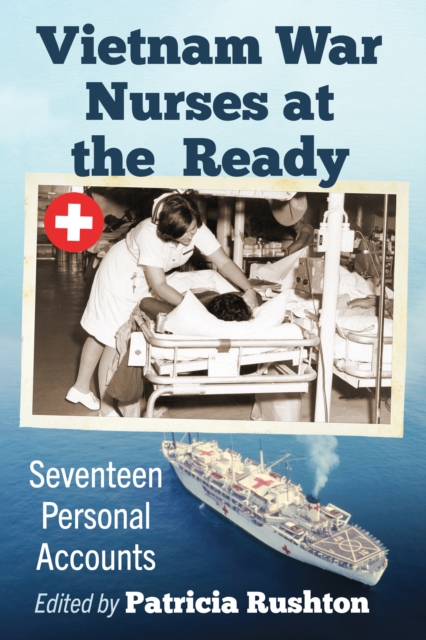
"e;This book will add to the long and distinguished collection of marine history and is well worth the read for anyone interested in personal accounts of modern combat.
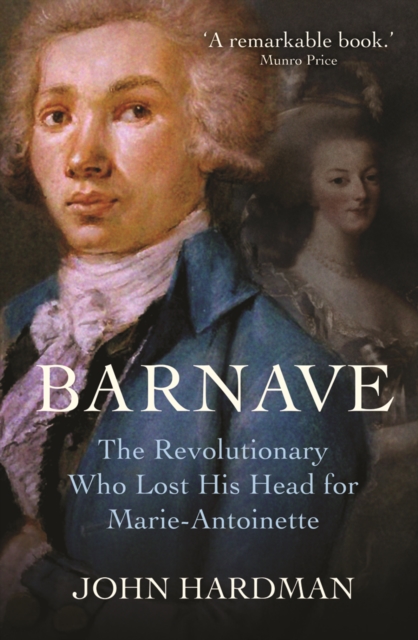
A major new biography of Antoine Barnave-the politician and writer who advocated for a constitutional monarchy in revolutionary France Antoine Barnave was one of the most influential statesmen in the early French Revolution.
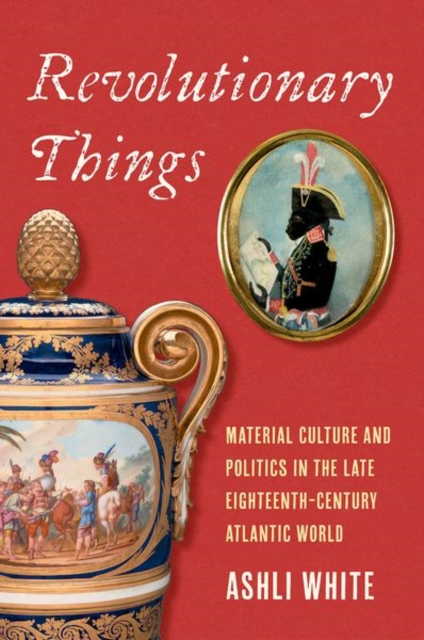
How objects associated with the American, French, and Haitian revolutions drew diverse people throughout the Atlantic world into debates over revolutionary ideals "e;By excavating the power of material objects and visual images to express the fervor and fear of the revolutionary era, Ashli White brings us closer to more fully embodied, more fully human, figures.
Adopting the perspective of anthropology of art and combining it with global academic insights, this book helps the readers to recognize that "e;history is, in great measure, the record of human activity which spreads from the local to the regional, from the regional to the global, and from the global to the universal.
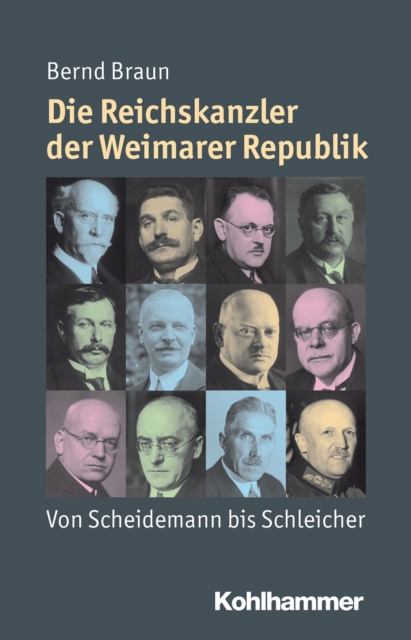
Die Kanzler der Weimarer Republik wirkten in einer Epoche, den "Goldenen Zwanzigern", die durch extreme Gegensätze gekennzeichnet war: Kriegsniederlage, wirtschaftliche Dauerkrise und langsam heraufziehende Diktatur auf der einen Seite, demokratischer Neuanfang, Aufbruch in die Moderne und kulturelle Blüte auf der anderen Seite.
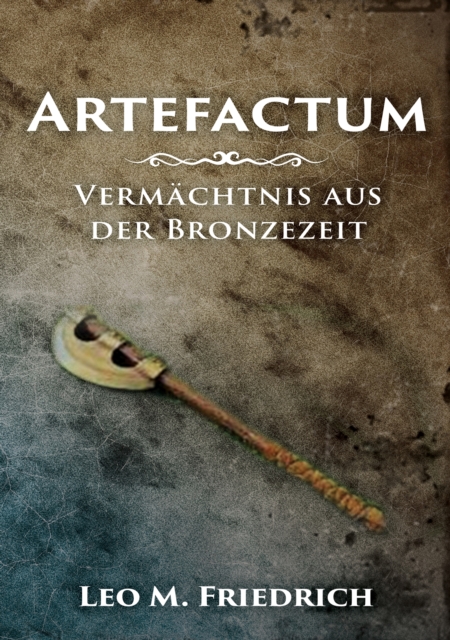
Das Buch erzählt vom Weg einer bronzezeitlichen Axt, vor über dreitausend Jahren erschaffen in einem Dorf am Rande der Karpaten, bis in die Gegenwart und berichtet von Kämpfen, Kriegen und den persönlichen Schicksalen ihrer Besitzer.
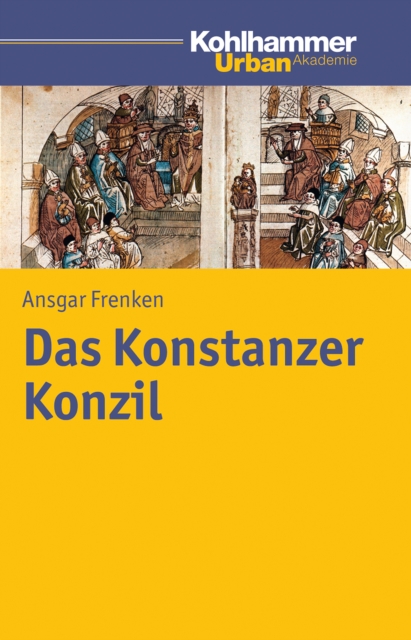
The Constance Council has stayed in the mind due to overcoming the schism, the resignation or dismissal of the three schism pontiffs, as well as the new election of a generally recognised pontiff, furthermore the conviction and burning of Jan Hus, but also due to its reform-orientated decision-making.
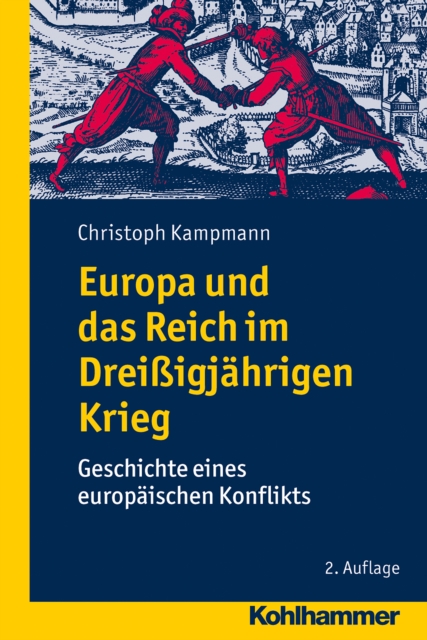
Der Dreißigjährige Krieg nahm seinen Ausgang von politisch-konfessionellen Streitfragen im römisch-deutschen Reich, entwickelte sich dann aber zu einer der größten Kriegskatastrophen der Neuzeit, an der zahlreiche europäische Mächte beteiligt waren.