Captain Dynamite Johnny O'Brien sailed the seven seas for over sixty years, starting in the late 1860s in India and ending in the early 1930s on the U.
At the end of a century of unfathomable suffering, societies are facing anew the question of how events that shock, resist assimilation, and evoke contradictory and complex responses should be remembered.
Filip Muller came to Auschwitz with one of the earliest transports from Slovakia in April 1942 and began working in the gassing installations and crematoria in May.
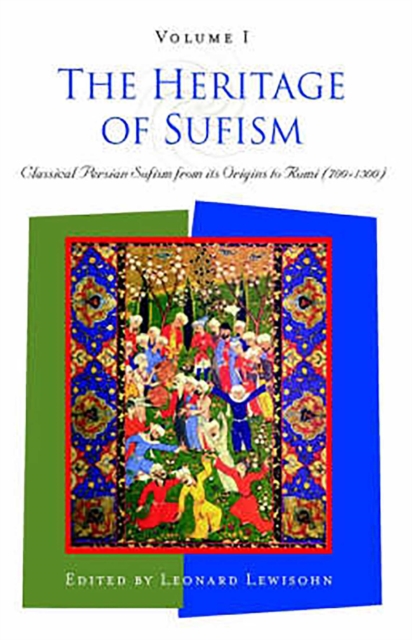
The first volume in a three-volume set, this is a study of the rise of Persian Sufi spirituality and literature in Islam during the first six Muslim centuries.
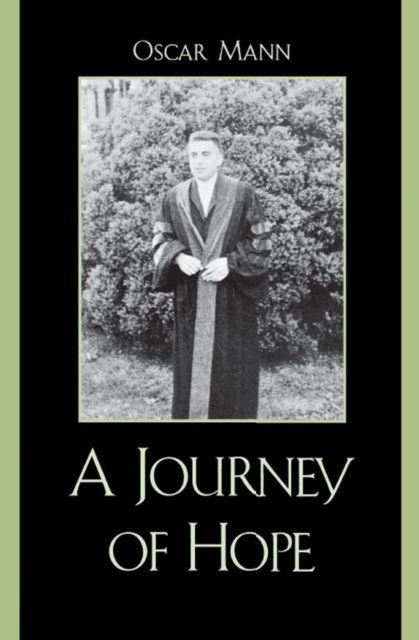
In this touching and courageous memoir, Oscar Mann recounts his boyhood in France, the onset of World War II and the Holocaust, his immigration to America, and his years in the military and as a doctor.
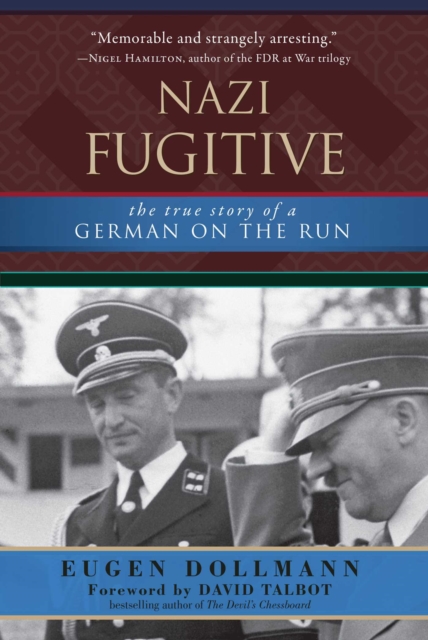
An SS colonel goes underground at the end of WWIIEugen Dollmann was a scholar and member of the SS whose connections among Italian society led to a posting as a liaison officer attached to Mussolini during World War II.
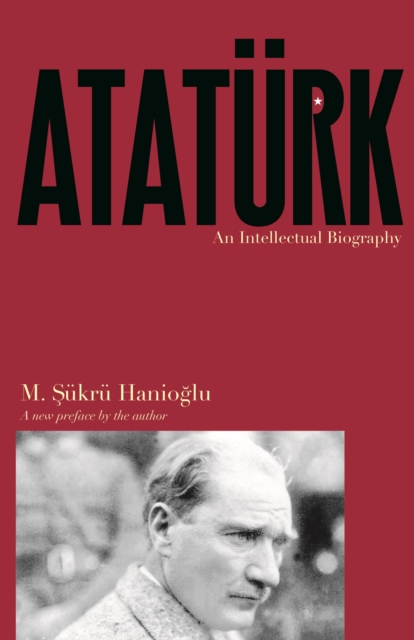
A biography of the founder of modern Turkey that chronicles the ideas that shaped himWhen Mustafa Kemal Ataturk became the first president of Turkey in 1923, he set about transforming his country into a secular republic where nationalism sanctified by science-and by the personality cult Ataturk created around himself-would reign supreme as the new religion.
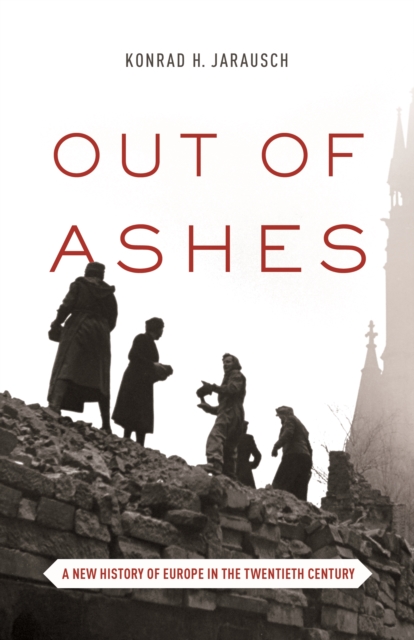
A sweeping history of twentieth-century Europe that examines its unprecedented destruction-and abiding promiseA sweeping history of twentieth-century Europe, Out of Ashes tells the story of an era of unparalleled violence and barbarity yet also of humanity, prosperity, and promise.
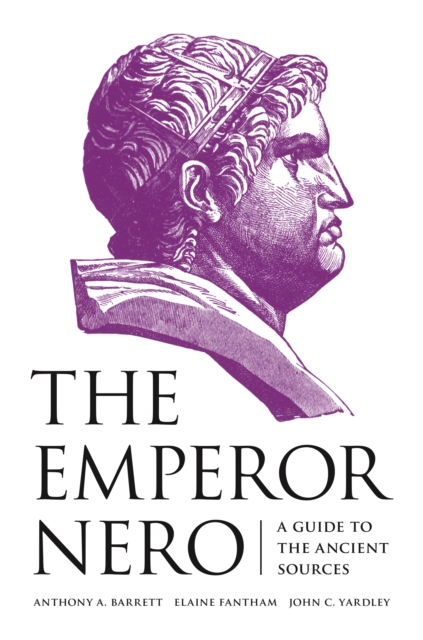
Nero's reign (AD 54-68) witnessed some of the most memorable events in Roman history, such as the rebellion of Boudica and the first persecution of the Christians-not to mention Nero's murder of his mother, his tyranny and extravagance, and his suicide, which plunged the empire into civil war.
In Atom-Smashing Power of Mind, Charles Fillmore interprets the discoveries of modern science through the lens of Christian metaphysics, arguing that the forces revealed by atomic physics have their spiritual analogue in disciplined thought, prayer, and realization of divine substance.
An ambitious global history that fundamentally alters our understanding of MalthusThe New Worlds of Thomas Robert Malthus is a sweeping global and intellectual history that radically recasts our understanding of Malthus's Essay on the Principle of Population, the most famous book on population ever written or ever likely to be.
The first book to trace the evolution of Russian politics from the Bolsheviks to PutinWhen the Soviet Union collapsed, many hoped that Russia's centuries-long history of autocratic rule might finally end.
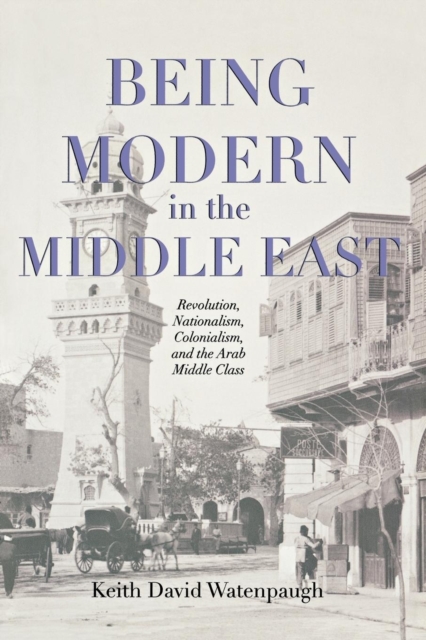
Like a great dynasty that falls to ruin and is eventually remembered more for its faults than its feats, Arab nationalism is remembered mostly for its humiliating rout in the 1967 Six Day War, for inter-Arab divisions, and for words and actions distinguished by their meagerness.
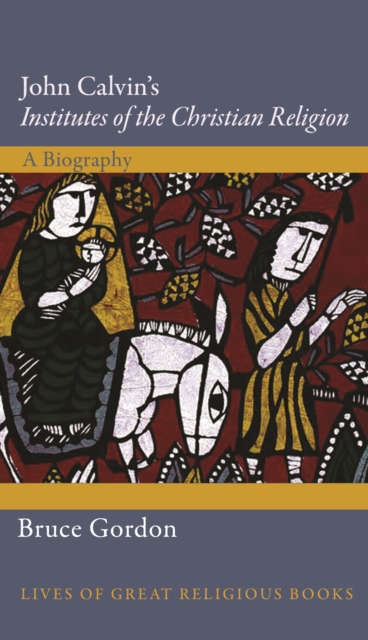
An essential biography of the most important book of the Protestant ReformationJohn Calvin's Institutes of the Christian Religion is a defining book of the Reformation and a pillar of Protestant theology.
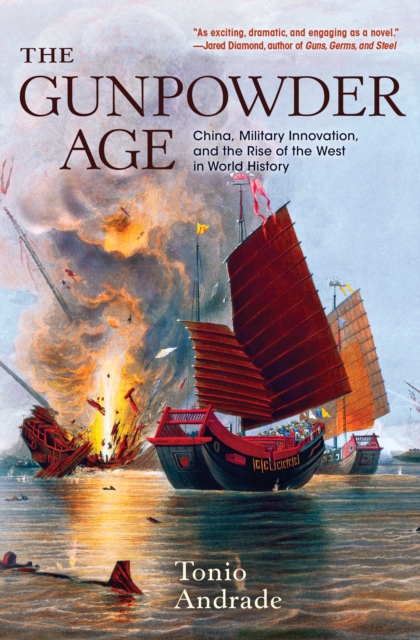
A first look at gunpowder's revolutionary impact on China's role in global historyThe Chinese invented gunpowder and began exploring its military uses as early as the 900s, four centuries before the technology passed to the West.
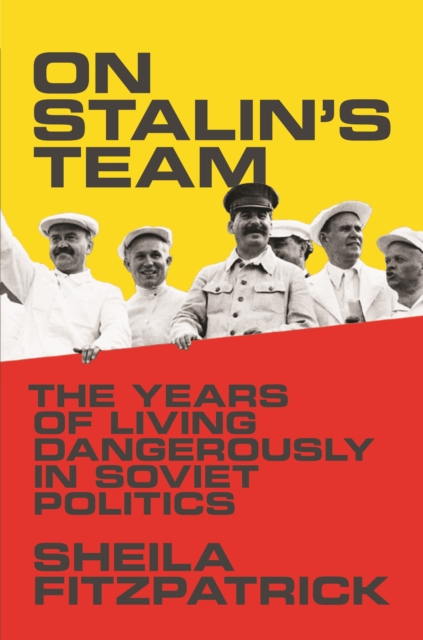
The first chronicle of Stalin's inner political and social circle-from a leading Soviet historianStalin was the unchallenged dictator of the Soviet Union for so long that most historians have dismissed the officials surrounding him as mere yes-men and political window dressing.
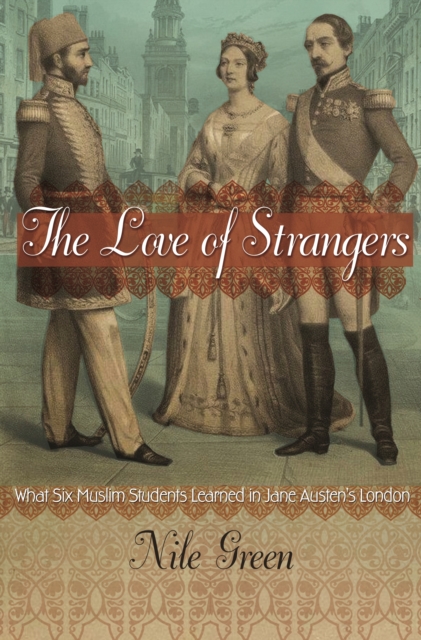
How a group of Iranian students sought love and learning in Jane Austen's LondonIn July 1815, six Iranian students arrived in London under the escort of their chaperone, Captain Joseph D'Arcy.
An accessible and innovative look at Irish history by some of today's most exciting historians of IrelandThis book brings together some of today's most exciting scholars of Irish history to chart the pivotal events in the history of modern Ireland while providing fresh perspectives on topics ranging from colonialism and nationalism to political violence, famine, emigration, and feminism.
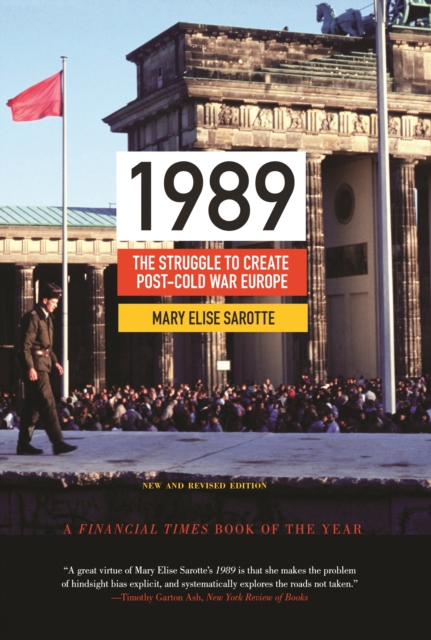
How the political events of 1989 shaped Europe after the Cold War1989 explores the momentous events following the fall of the Berlin Wall and the effects they have had on our world ever since.
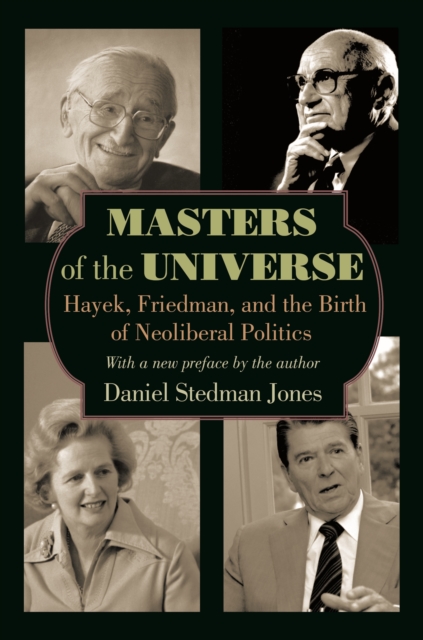
How radical free-market ideas achieved mainstream dominance in postwar America and BritainBased on archival research and interviews with leading participants in the movement, Masters of the Universe traces the ascendancy of neoliberalism from the academy of interwar Europe to supremacy under Reagan and Thatcher and in the decades since.
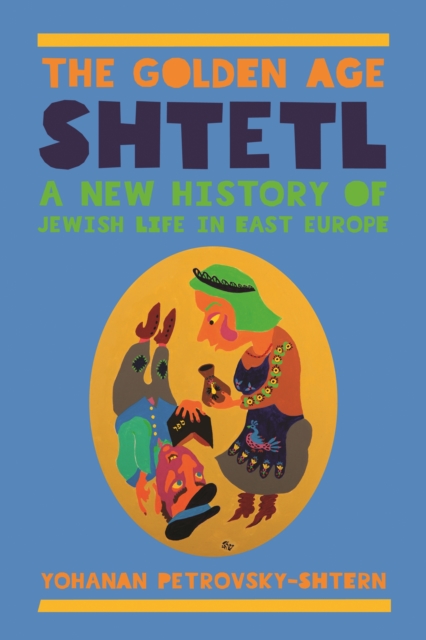
A major history of the shtetl's golden ageThe shtetl was home to two-thirds of East Europe's Jews in the eighteenth and nineteenth centuries, yet it has long been one of the most neglected and misunderstood chapters of the Jewish experience.
States are more likely to engage in risky and destabilizing actions such as military buildups and preemptive strikes if they believe their adversaries pose a tangible threat.
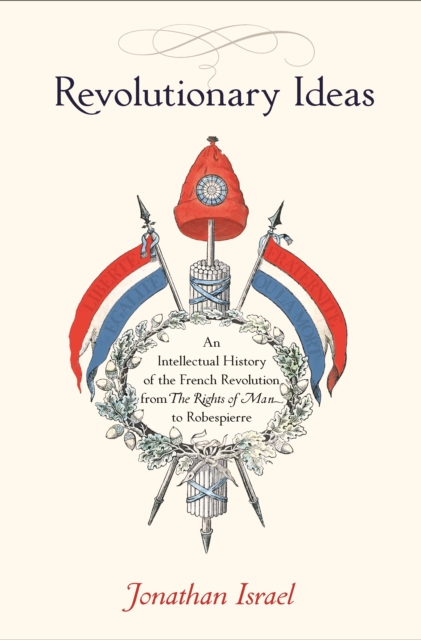
For the Western world, the period from 1760 to 1800 was the great revolutionary era in which the outlines of the modern democratic state came into being.
How the Radical Enlightenment inspired and shaped the French RevolutionHistorians of the French Revolution used to take for granted what was also obvious to its contemporary observers-that the Revolution was shaped by the radical ideas of the Enlightenment.
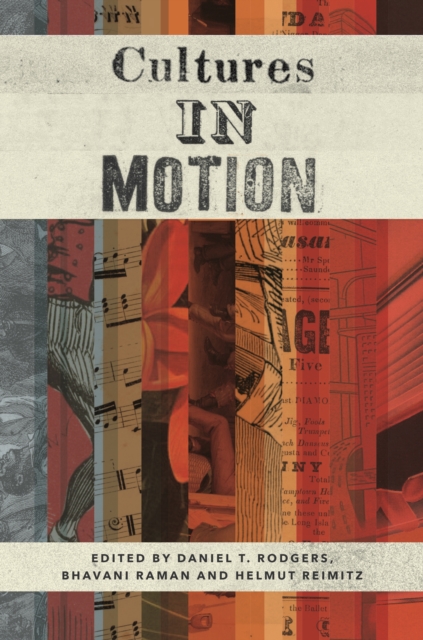
In the wide-ranging and innovative essays of Cultures in Motion, a dozen distinguished historians offer new conceptual vocabularies for understanding how cultures have trespassed across geography and social space.
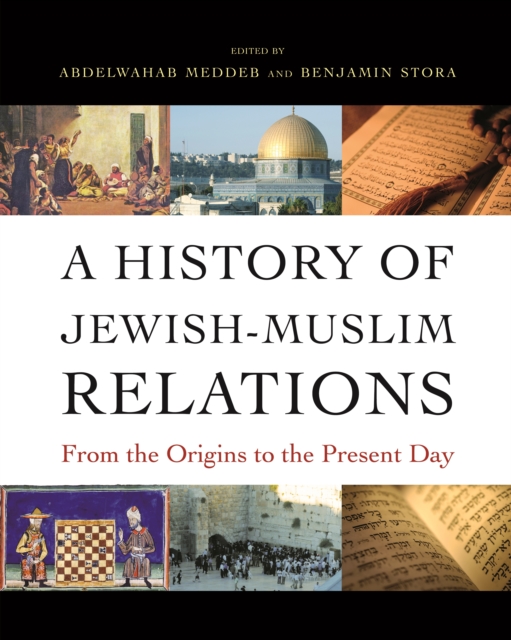
The first encylopedic guide to the history of relations between Jews and Muslims around the worldThis is the first encyclopedic guide to the history of relations between Jews and Muslims around the world from the birth of Islam to today.
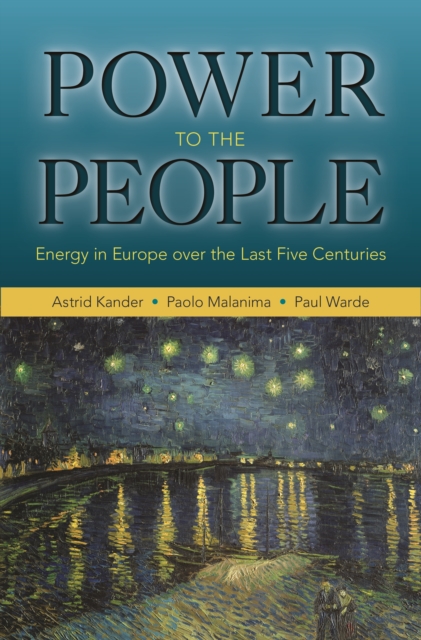
Power to the People examines the varied but interconnected relationships between energy consumption and economic development in Europe over the last five centuries.
How civility has shaped and been shaped by historical and social forces, and why it is in danger todayCivility is desirable and possible, but can this fragile ideal be guaranteed?
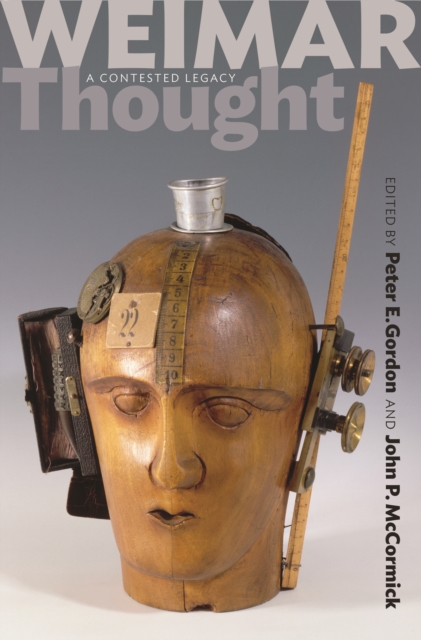
A comprehensive look at the intellectual and cultural innovations of the Weimar periodDuring its short lifespan, the Weimar Republic (1918-33) witnessed an unprecedented flowering of achievements in many areas, including psychology, political theory, physics, philosophy, literary and cultural criticism, and the arts.
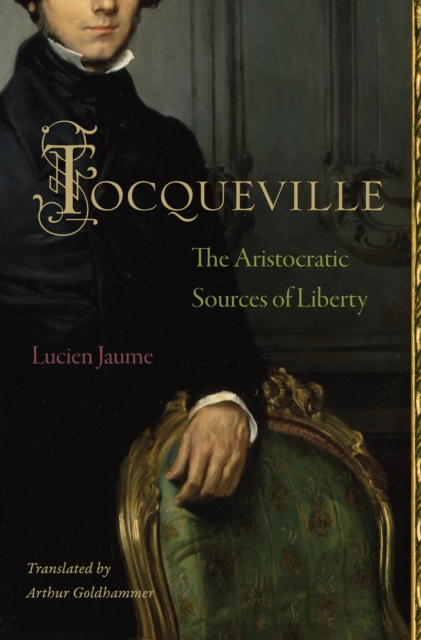
A major intellectual biography of Toqueville that restores democracy in America to its essential contextMany American readers like to regard Alexis de Tocqueville as an honorary American and democrat-as the young French aristocrat who came to early America and, enthralled by what he saw, proceeded to write an American book explaining democratic America to itself.
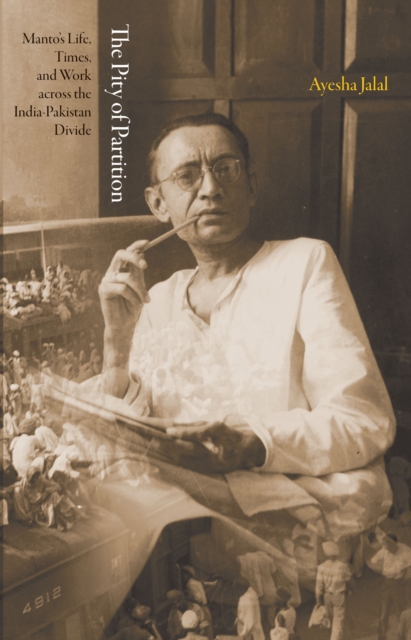
A history of partition seen through the life and fiction of one of the subcontinent's most important modern writersSaadat Hasan Manto (1912-1955) was an established Urdu short story writer and a rising screenwriter in Bombay at the time of India's partition in 1947, and he is perhaps best known for the short stories he wrote following his migration to Lahore in newly formed Pakistan.
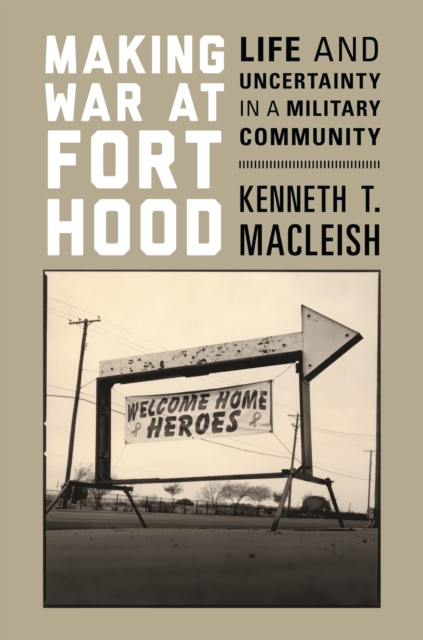
An intimate look at war through the lives of soldiers and their families at Fort HoodMaking War at Fort Hood offers an illuminating look at war through the daily lives of the people whose job it is to produce it.