Praised for its ability to kill insects effectively and cheaply and reviled as an ecological hazard, DDT continues to engender passion across the political spectrum as one of the worlds most controversial chemical pesticides.
Seminar paper from the year 2002 in the subject History of Europe - Ages of World Wars, grade: 1 (A), University of Birmingham (Centre for Russian and East European Studies), course: Soviet Social and Economic History, language: English, abstract: This essay outlines the development of Stalin's policies on Soviet ethnic and national groups.
In a dazzling array of the most recent research and writing, the contributors deal with Wilsons approach to the Mexican and Russian revolutions; his Polish policy; his relationship with the European Left, world order, and the League of Nations; and Wilson and the problems of world peace.
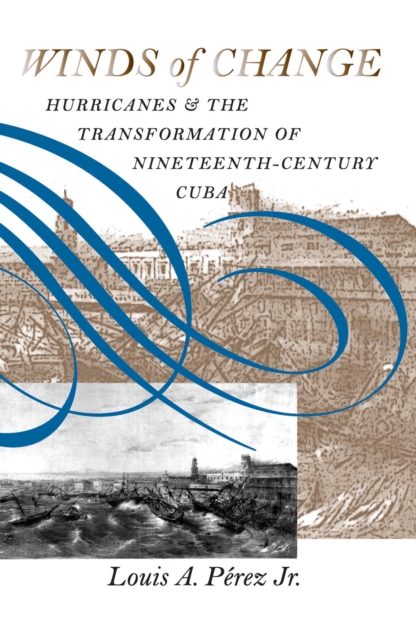
The first book to establish hurricanes as a key factor in the development of modern Cuba, Winds of Change shows how these great storms played a decisive role in shaping the economy, the culture, and the nation during a critical century in the islands history.
This book deals with the quest for a preventive to lynching which can be undertaken only after one has an understanding of what it is that is to be prevented.
This is the story of a revolution the factors influencing managements decision to sell, the extent of the sales, procedures followed in the various sales, psychological effects upon the worker, effects upon labor-management relations, the reaction of the union, and the changes in mill village life resulting from the sales.
Turners work documents New Hampshires transition from colony to state, including the development of the state constitution, the contests between constantly mutating political parties, and the conquering of the New England wilderness.
The Conservatives won control of the Virginia state government in 1869 and goverened for ten years on a program of integrating their homeland into the structure of the contemporary United States by adopting Yankee institutions and ideas: industrial capitalism, American nationalsim, Gilded-Age political practices, and a system of race relations that made the Afro-American a free man and officially a citizen but not an equal.
Botsch samples current attitudes of southern blue-collar workers, both black and white, toward work and race and questions whether these workers can overcome racial barriers to form a populist-style coalition aimed at improving their shared economic condition.
Billings disputes the assumption that an incipient merchant class built the states cotton mills; he reveals that a majority of the early mills was owned by prominent planters and agrarians.
This book constructs the model of economic development implicit in the historical experience of the Soviet Union, and the agricultural, industrial, and social strategies followed are shown to fit into a logical and coherent pattern.
In order to systematize regional studies, the authors view the southern United States as an integrated system of economic, political, social, and educational institutions.
Thirty-seven life histories of real people selected from among whites and blacks in three basic fields of work in the South farm laborers and owners, factory and mill workers, people engaged in service occupations and those on relief.
Recent years have witnessed a resurgence of biological research into the causes of crime, but the origins of this kind of research date back to the late nineteenth century.
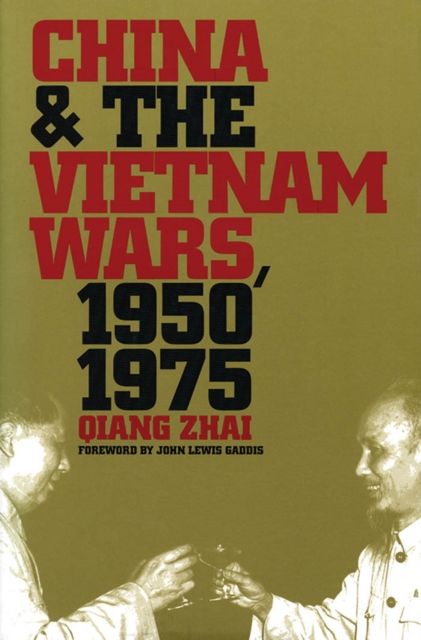
In the quarter century after the founding of the Peoples Republic of China in 1949, Beijing assisted Vietnam in its struggle against two formidable foes, France and the United States.
Significant as a political, economic, and social organization, the southern Farmers' Alliance was the largest and most influential farmers' organization in the history of the United States until the rise of the American Farm Bureau Federation.
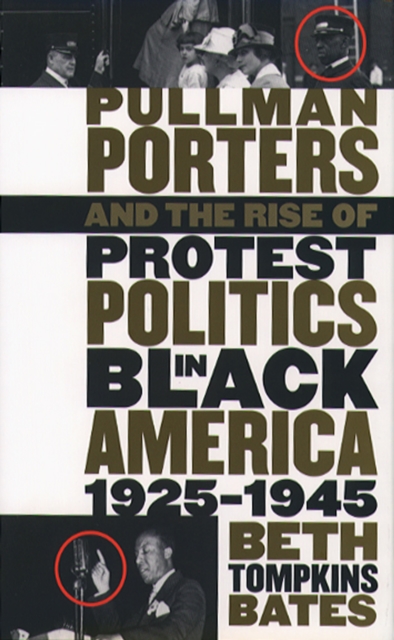
Between World War I and World War II, African Americans' quest for civil rights took on a more aggressive character as a new group of black activists challenged the politics of civility traditionally embraced by old-guard leaders in favor of a more forceful protest strategy.
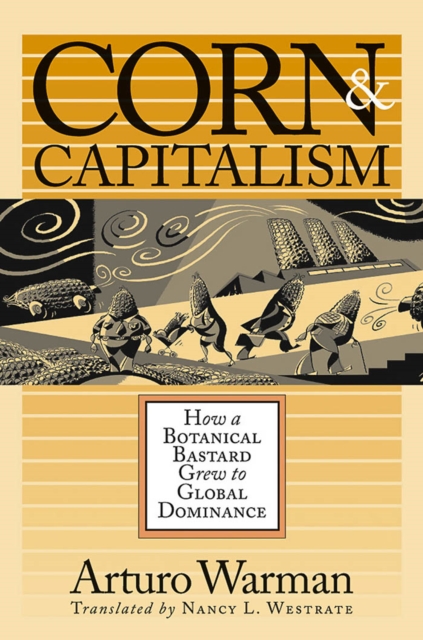
Exploring the history and importance of corn worldwide, Arturo Warman traces its development from a New World food of poor and despised peoples into a commodity that plays a major role in the modern global economy.
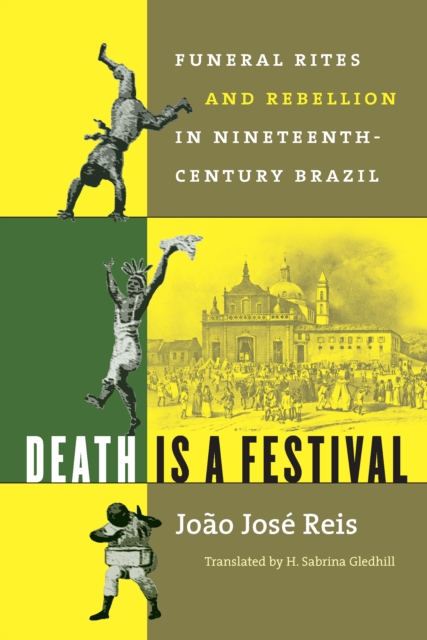
This award-winning social history of death and funeral rites during the early decades of Brazils independence from Portugal focuses on the Cemiterada movement in Salvador, capital of the province of Bahia.
Under the Eisenhower Doctrine, the United States pledged to give increased economic and military aid to receptive Middle Eastern countries and to protect with U.
Focusing on a single county at a time when the population grew from 24,000 to 246,000, the authors combine statistical analysis of documentary sources, contemporary newspaper accounts, and exploration in criminal case files to give a detailed reconstruction of the operations of the countys entire criminal justice system.
Abbotts book deals with the Freedmens Bureau, the agency that faced the main challenge of defining the meaning of freedom for four million slaves after the Civil War.
A gifted teller of tales sketches a lively picture of his boyhood in the old tobacco section of Person County, North Carolina, just south of the Virginia line.
In the simple unpretentious dignity of everyday speech, elderly Tar Heels share their fascinating and touching stories of North Carolinas past, a time when activities and cares were closely associated with extracting a living from the soil.
This is an intensive examination of the financial and political considerations that shaped North Carolinas public financial policy during the confederation.
During Poland's century-long partition and in the interwar period of Poland's reemergence as a state, Polish writers on both sides of the ocean shared a preoccupation with national identity.
A rebellious Indian proclaiming noble ancestry and entitlement, a military lieutenant foreshadowing the coming of revolution, a blasphemous Creole embroiderer in possession of a bundle of sketches brimming with pornography.
By the late 1960s, what had been widely heralded as the best qualified, best-trained army in US history was descending into crisis as the Vietnam War raged without end.
Assessing the grand American evangelical missionary venture to convert the world, this international group of leading scholars reveals how theological imperatives have intersected with worldly imaginaries from the nineteenth century to the present.
This book constructs the model of economic development implicit in the historical experience of the Soviet Union, and the agricultural, industrial, and social strategies followed are shown to fit into a logical and coherent pattern.