Like Fidel Castro and Che Guevara, Peruvian Vctor Ral Haya de la Torre (18951979) was one of Latin Americas key revolutionary leaders, well known across national boundaries.
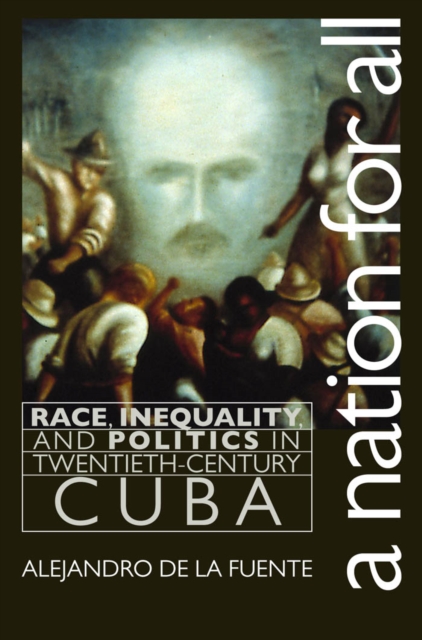
After thirty years of anticolonial struggle against Spain and four years of military occupation by the United States, Cuba formally became an independent republic in 1902.
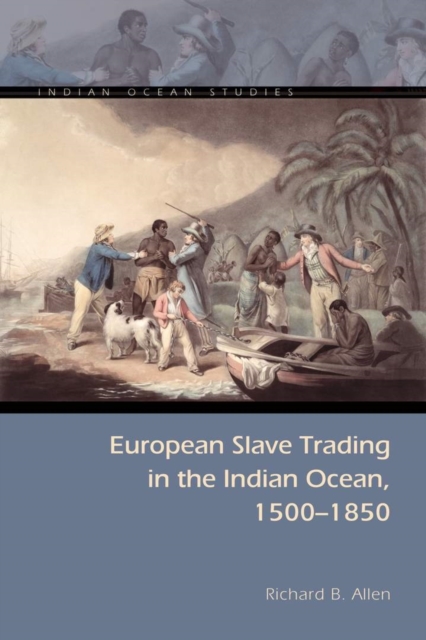
Between 1500 and 1850, European traders shipped hundreds of thousands of African, Indian, Malagasy, and Southeast Asian slaves to ports throughout the Indian Ocean world.
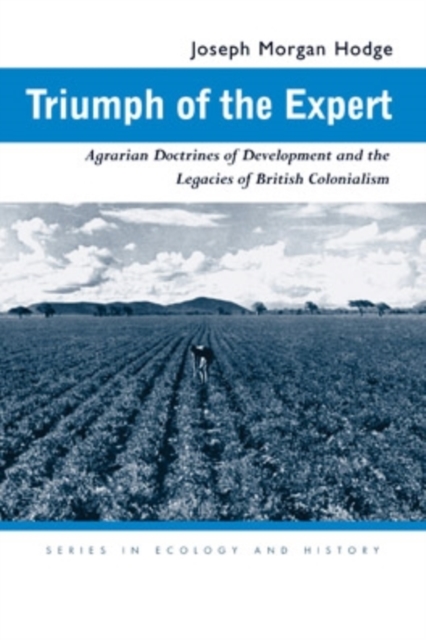
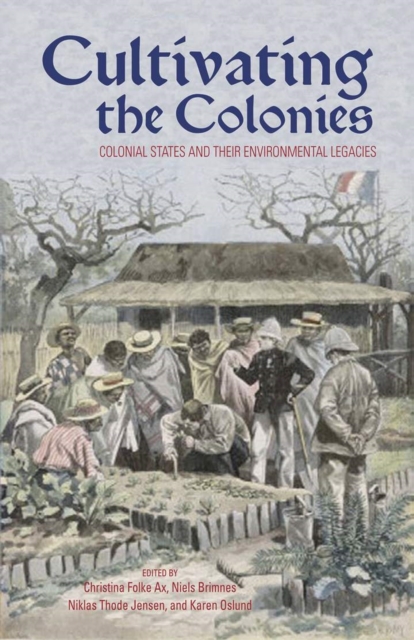
The most striking feature of British colonialism in the twentieth century was the confidence it expressed in the use of science and expertise, especially when joined with the new bureaucratic capacities of the state, to develop natural and human resources of the empire.
In vorliegendem Buch begibt sich der Autor Robert Lorenz auf die Spur des Schlesischen und seiner Konstrukteure an der Neiße in Vergangenheit und Gegenwart.
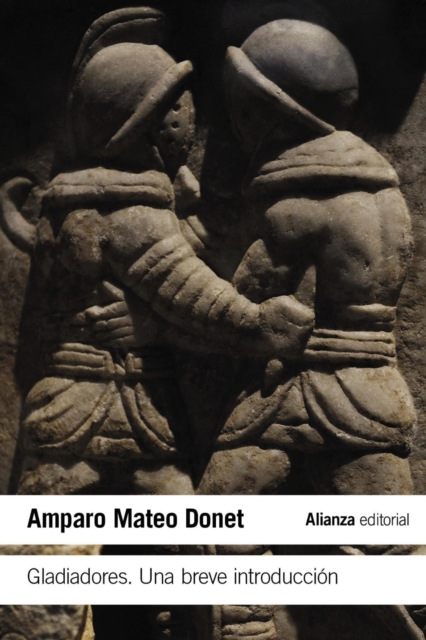
Nacidos originalmente como parte de la liturgia funeraria en Etruria, los combates de gladiadores fueron adquiriendo progresivamente a partir del siglo III a.
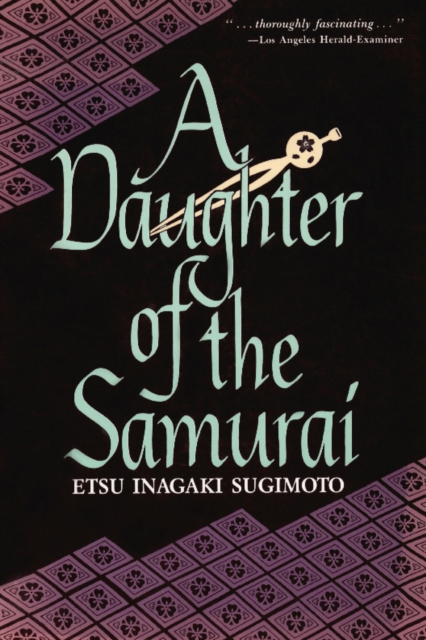
A Daughter of the Samurai tells the true story of a samurai's daughter, brought up in the strict traditions of feudal Japan, who was sent to America to meet her future husband.
"e;This is a freaking great book and I highly recommend itif you are passionate about the history of 'the world's greatest city,' this book is something you must have in your collection.
"e;This is a freaking great book and I highly recommend itif you are passionate about the history of 'the world's greatest city,' this book is something you must have in your collection.
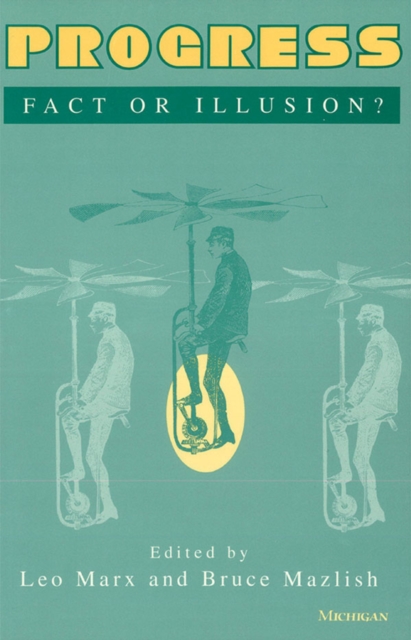
Progress, perhaps the fundamental secular belief of modern Western society, has come under heavy fire recently because, after three centuries, advances in science and technology seem increasingly to bring problems in their wake: alienation, environmental degradation, the threat of nuclear destruction.
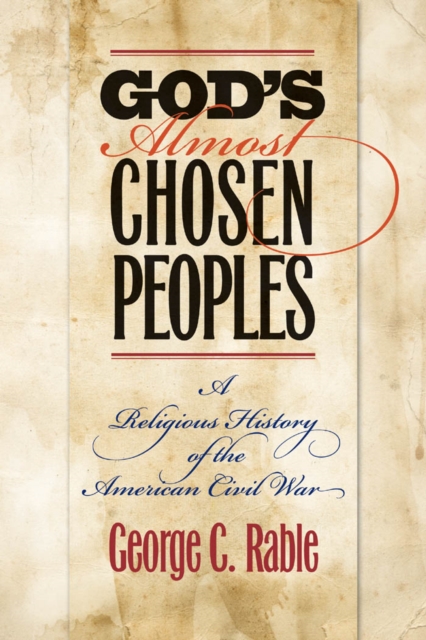
Throughout the Civil War, soldiers and civilians on both sides of the conflict saw the hand of God in the terrible events of the day, but the standard narratives of the period pay scant attention to religion.
In 1958, Shepard Stone, then directing the Ford Foundation's International Affairs program, suggested that his staff "e;measure"e; America's cultural impact in Europe.
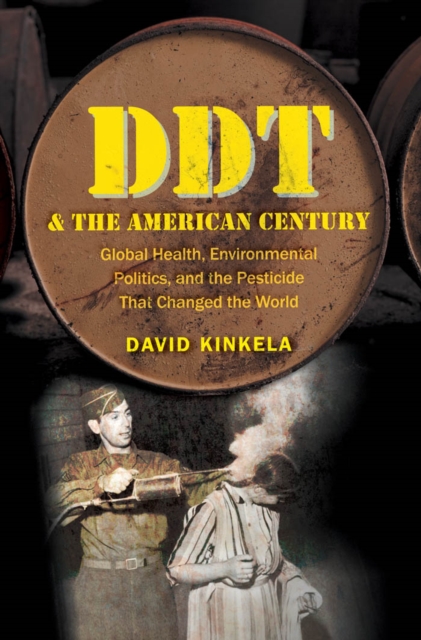
Praised for its ability to kill insects effectively and cheaply and reviled as an ecological hazard, DDT continues to engender passion across the political spectrum as one of the worlds most controversial chemical pesticides.
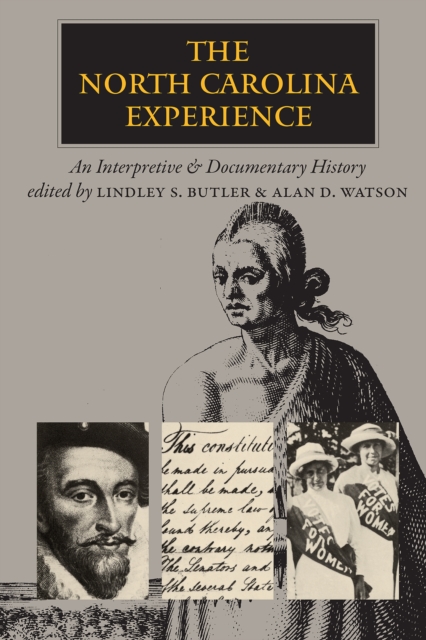
This collection of nineteen original essays on selected topics and epochs in North Carolina history offers a broad survey of the state from its discovery and colonization to the present.
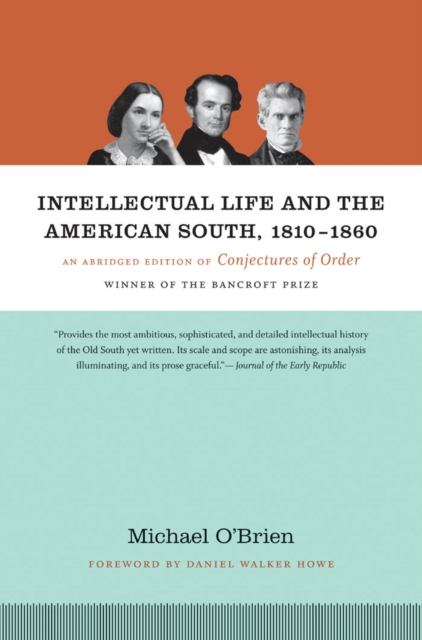
Michael O'Brien has masterfully abridged his award-winning two-volume intellectual history of the Old South, Conjectures of Order, depicting a culture that was simultaneously national, postcolonial, and imperial, influenced by European intellectual traditions, yet also deeply implicated in the making of the American mind.
After thirty years of anticolonial struggle against Spain and four years of military occupation by the United States, Cuba formally became an independent republic in 1902.
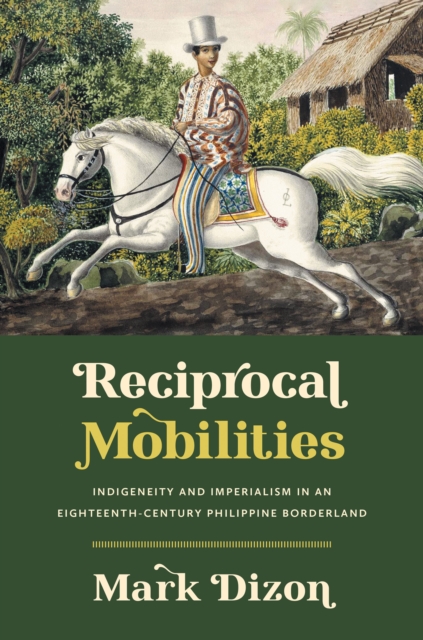
Throughout the eighteenth century, independent Indigenous people from the borderlands of the Philippines visited the centers of Spanish colonial rule in the archipelago.
Throughout the eighteenth century, independent Indigenous people from the borderlands of the Philippines visited the centers of Spanish colonial rule in the archipelago.
Phu Rieng was one of many French rubber plantations in colonial Vietnam; Tran Tu Binh was one of 17,606 laborers brought to work there in 1927, and his memoir is a straightforward, emotionally searing account of how one Vietnamese youth became involved in revolutionary politics.
Assessing the grand American evangelical missionary venture to convert the world, this international group of leading scholars reveals how theological imperatives have intersected with worldly imaginaries from the nineteenth century to the present.
This is the story of a revolution the factors influencing managements decision to sell, the extent of the sales, procedures followed in the various sales, psychological effects upon the worker, effects upon labor-management relations, the reaction of the union, and the changes in mill village life resulting from the sales.
The gripping, untold story of The International Criminal Tribunal for the former Yugoslavia and how the perpetrators of Balkan war crimes were captured by the most successful manhunt in history
Written with a thrilling narrative pull, The Butcher’s Trail chronicles the pursuit and capture of the Balkan war criminals indicted by the International Criminal Tribunal in The Hague.
Franco Venturi, premier European interpreter of the Enlightenment, is still completing his acclaimed multivolume work Settecento Riformatore, a grand synthesis of Western history before the French Revolution as seen through the perceptive eyes of Italian observers.
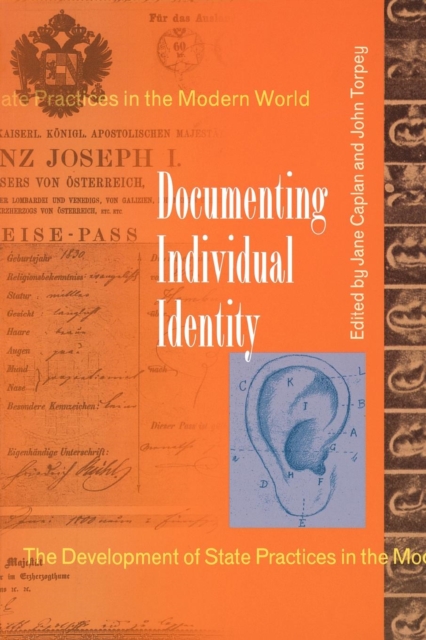
This book addresses one of the least studied yet most pervasive aspects of modern life--the techniques and mechanisms by which official agencies certify individual identity.
In the simple unpretentious dignity of everyday speech, elderly Tar Heels share their fascinating and touching stories of North Carolinas past, a time when activities and cares were closely associated with extracting a living from the soil.
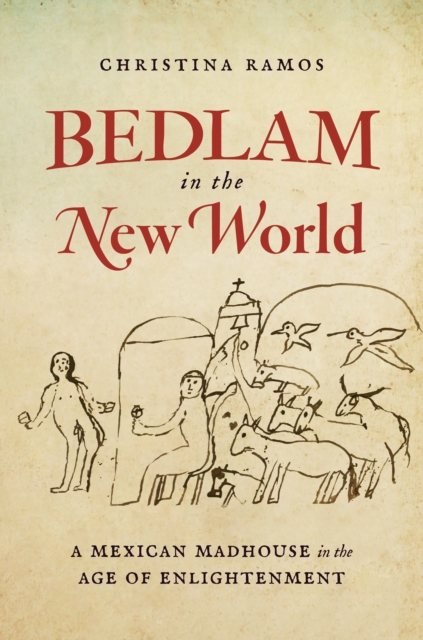
A rebellious Indian proclaiming noble ancestry and entitlement, a military lieutenant foreshadowing the coming of revolution, a blasphemous Creole embroiderer in possession of a bundle of sketches brimming with pornography.
Billings disputes the assumption that an incipient merchant class built the states cotton mills; he reveals that a majority of the early mills was owned by prominent planters and agrarians.