In this volume a diverse group of leading historians analyzes the future needs of their craft and suggests the many ways in which scholars of the near future will interpret the events of earlier years.
Botsch samples current attitudes of southern blue-collar workers, both black and white, toward work and race and questions whether these workers can overcome racial barriers to form a populist-style coalition aimed at improving their shared economic condition.
Turners work documents New Hampshires transition from colony to state, including the development of the state constitution, the contests between constantly mutating political parties, and the conquering of the New England wilderness.
In order to systematize regional studies, the authors view the southern United States as an integrated system of economic, political, social, and educational institutions.
In order to understand the transition between the revolutionary movement that propelled the Abbasids to power and the imperial government that later took root, Jacob Lassner studies those elements that served to shape the political attitudes and institutions of the emerging regime during its formative years.
International lawyers and distinguished scholars consider the question: Is it legally justifiable to treat the Vietnam War as a civil war or as a peculiar modern species of international law?
Professor Havens analyzes the efforts of Japanese antiwar organizations to portray the war as much more than a fire across the sea"e; and to create new forms of activism in a country where individuals have traditionally left public issues to the authorities.
This new and abridged edition of Scenarios of Power is a concise version of Richard Wortman's award-winning study of Russian monarchy from the seventeenth century until 1917.
Oil palms are ubiquitousgrown in nearly every tropical country, they supply the world with more edible fat than any other plant and play a role in scores of packaged products, from lipstick and soap to margarine and cookies.
Studying the changing strategies used by the nineteenth-century southern leaders to justify their direction of the Souths economy and politics, Shore shows how leaders before, during, and after the Civil War attempted to set standards of success in southern society and to clarify the relations between those standards and national prosperity.
Abbotts book deals with the Freedmens Bureau, the agency that faced the main challenge of defining the meaning of freedom for four million slaves after the Civil War.
Significant as a political, economic, and social organization, the southern Farmers' Alliance was the largest and most influential farmers' organization in the history of the United States until the rise of the American Farm Bureau Federation.
Focusing on a single county at a time when the population grew from 24,000 to 246,000, the authors combine statistical analysis of documentary sources, contemporary newspaper accounts, and exploration in criminal case files to give a detailed reconstruction of the operations of the countys entire criminal justice system.
The Conservatives won control of the Virginia state government in 1869 and goverened for ten years on a program of integrating their homeland into the structure of the contemporary United States by adopting Yankee institutions and ideas: industrial capitalism, American nationalsim, Gilded-Age political practices, and a system of race relations that made the Afro-American a free man and officially a citizen but not an equal.
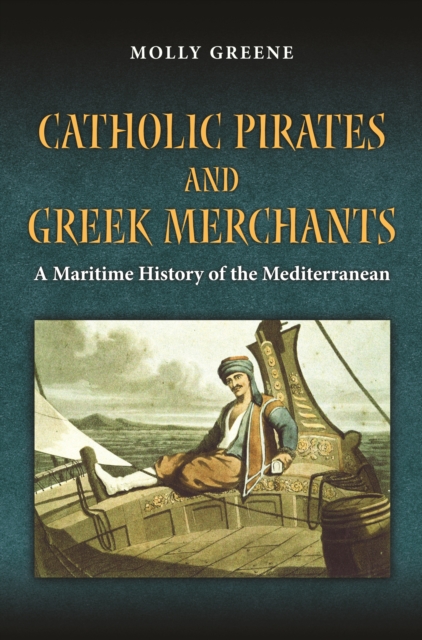
A new international maritime order was forged in the early modern age, yet until now histories of the period have dealt almost exclusively with the Atlantic and Indian oceans.
Miss Lucy went to the North Carolina mountains in 1920 as an apprentice teacher, but she soon discovered that the kind of teaching that she wanted to do was not in the fields in which she was trained.
In a dazzling array of the most recent research and writing, the contributors deal with Wilsons approach to the Mexican and Russian revolutions; his Polish policy; his relationship with the European Left, world order, and the League of Nations; and Wilson and the problems of world peace.
This volume completes the three-volume collection of Fergus Millars essays, which, together with his books, transformed the study of the Roman Empire by shifting the focus of inquiry onto the broader Mediterranean world and beyond.
This book deals with the quest for a preventive to lynching which can be undertaken only after one has an understanding of what it is that is to be prevented.
Thirty-seven life histories of real people selected from among whites and blacks in three basic fields of work in the South farm laborers and owners, factory and mill workers, people engaged in service occupations and those on relief.
A gifted teller of tales sketches a lively picture of his boyhood in the old tobacco section of Person County, North Carolina, just south of the Virginia line.
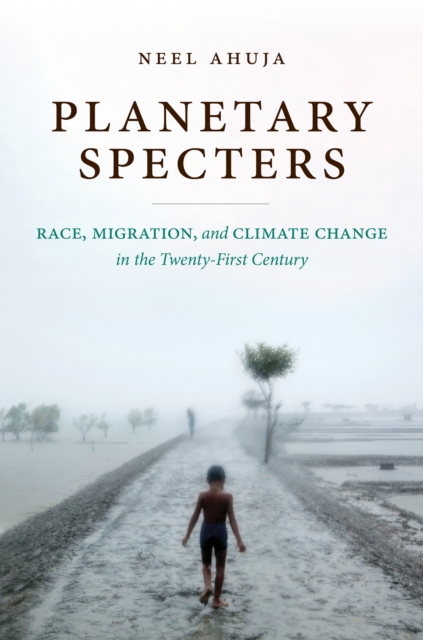
Neel Ahuja tracks the figure of the climate refugee in public media and policy over the past decade, arguing that journalists, security experts, politicians, and nongovernmental organizations have often oversimplified climate change and obfuscated the processes that drive mass migration.
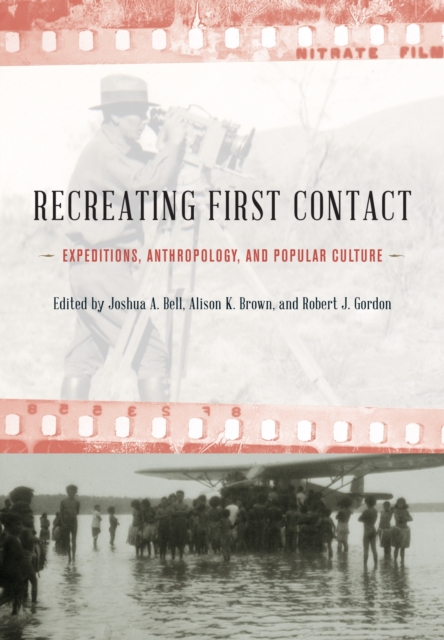
Recreating First Contact explores themes related to the proliferation of adventure travel which emerged during the early twentieth century and that were legitimized by their associations with popular views of anthropology.
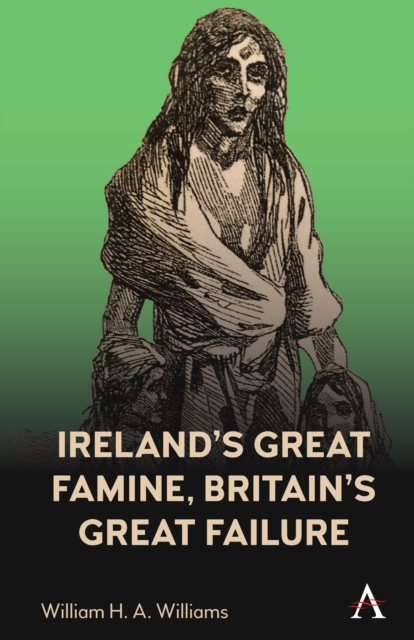
Most books about the Irish Famine tend to take Ireland's reliance on potato for granted and treat the arrival of the deadly blight in 1845 as merely the trigger event that launched a humanitarian crisis-one that the British government famously failed to manage.
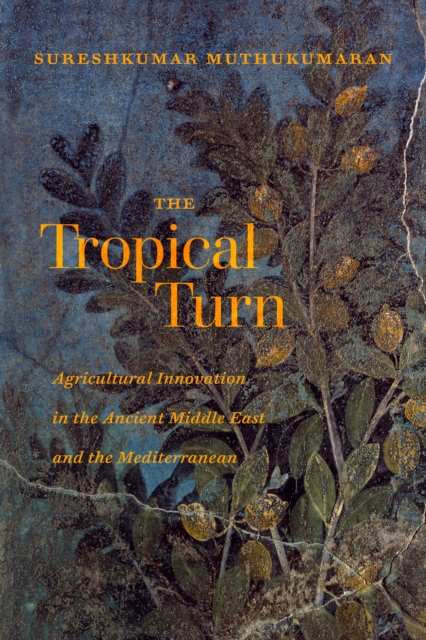
This book chronicles the earliest histories of familiar tropical Asian crops in the ancient Middle East and the Mediterranean, from rice and cotton to citruses and cucumbers.
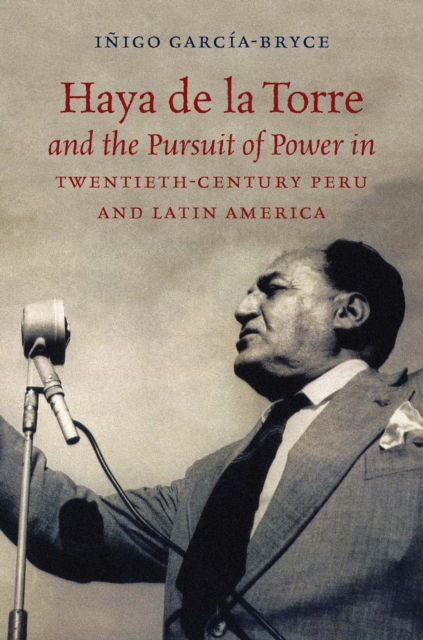
Like Fidel Castro and Che Guevara, Peruvian Vctor Ral Haya de la Torre (18951979) was one of Latin Americas key revolutionary leaders, well known across national boundaries.
This is the story of a revolution the factors influencing managements decision to sell, the extent of the sales, procedures followed in the various sales, psychological effects upon the worker, effects upon labor-management relations, the reaction of the union, and the changes in mill village life resulting from the sales.
Abbotts book deals with the Freedmens Bureau, the agency that faced the main challenge of defining the meaning of freedom for four million slaves after the Civil War.
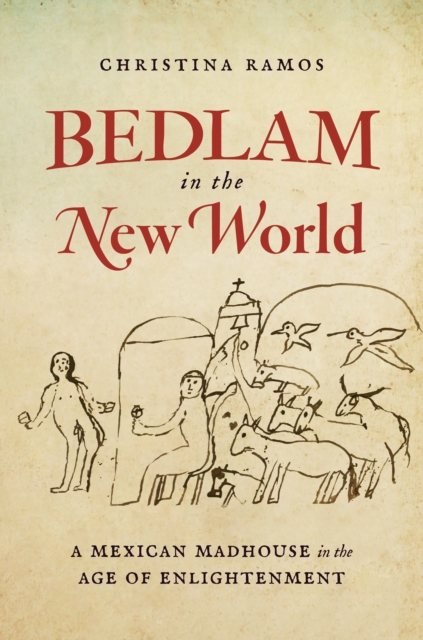
A rebellious Indian proclaiming noble ancestry and entitlement, a military lieutenant foreshadowing the coming of revolution, a blasphemous Creole embroiderer in possession of a bundle of sketches brimming with pornography.
Neel Ahuja tracks the figure of the climate refugee in public media and policy over the past decade, arguing that journalists, security experts, politicians, and nongovernmental organizations have often oversimplified climate change and obfuscated the processes that drive mass migration.
Oil palms are ubiquitousgrown in nearly every tropical country, they supply the world with more edible fat than any other plant and play a role in scores of packaged products, from lipstick and soap to margarine and cookies.
A gifted teller of tales sketches a lively picture of his boyhood in the old tobacco section of Person County, North Carolina, just south of the Virginia line.
Turners work documents New Hampshires transition from colony to state, including the development of the state constitution, the contests between constantly mutating political parties, and the conquering of the New England wilderness.
The Conservatives won control of the Virginia state government in 1869 and goverened for ten years on a program of integrating their homeland into the structure of the contemporary United States by adopting Yankee institutions and ideas: industrial capitalism, American nationalsim, Gilded-Age political practices, and a system of race relations that made the Afro-American a free man and officially a citizen but not an equal.
Botsch samples current attitudes of southern blue-collar workers, both black and white, toward work and race and questions whether these workers can overcome racial barriers to form a populist-style coalition aimed at improving their shared economic condition.
In order to systematize regional studies, the authors view the southern United States as an integrated system of economic, political, social, and educational institutions.
Studying the changing strategies used by the nineteenth-century southern leaders to justify their direction of the Souths economy and politics, Shore shows how leaders before, during, and after the Civil War attempted to set standards of success in southern society and to clarify the relations between those standards and national prosperity.