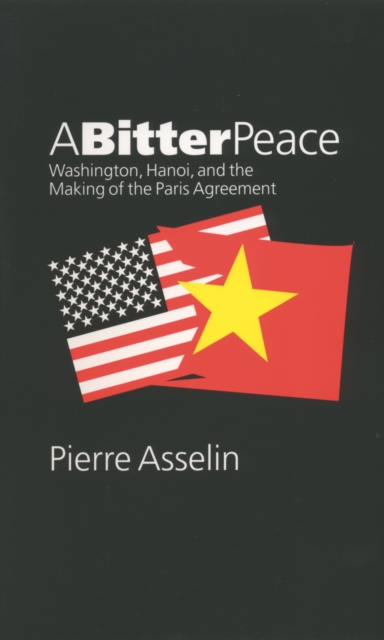
Demonstrating the centrality of diplomacy in the Vietnam War, Pierre Asselin traces the secret negotiations that led up to the Paris Agreement of 1973, which ended Americas involvement but failed to bring peace in Vietnam.
This book deals with the quest for a preventive to lynching which can be undertaken only after one has an understanding of what it is that is to be prevented.
In a dazzling array of the most recent research and writing, the contributors deal with Wilsons approach to the Mexican and Russian revolutions; his Polish policy; his relationship with the European Left, world order, and the League of Nations; and Wilson and the problems of world peace.
Billings disputes the assumption that an incipient merchant class built the states cotton mills; he reveals that a majority of the early mills was owned by prominent planters and agrarians.
Significant as a political, economic, and social organization, the southern Farmers' Alliance was the largest and most influential farmers' organization in the history of the United States until the rise of the American Farm Bureau Federation.
Focusing on a single county at a time when the population grew from 24,000 to 246,000, the authors combine statistical analysis of documentary sources, contemporary newspaper accounts, and exploration in criminal case files to give a detailed reconstruction of the operations of the countys entire criminal justice system.
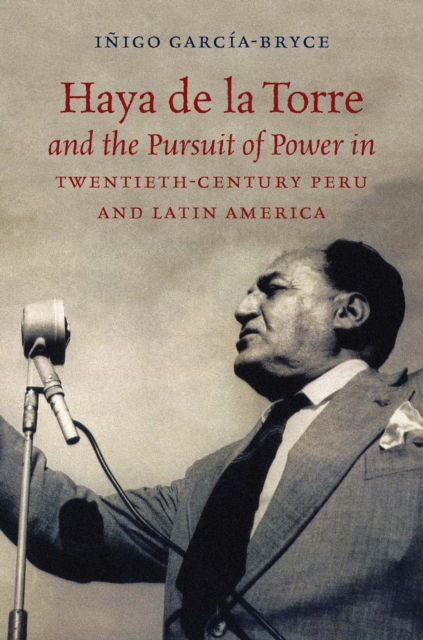
Like Fidel Castro and Che Guevara, Peruvian Vctor Ral Haya de la Torre (18951979) was one of Latin Americas key revolutionary leaders, well known across national boundaries.
Thirty-seven life histories of real people selected from among whites and blacks in three basic fields of work in the South farm laborers and owners, factory and mill workers, people engaged in service occupations and those on relief.
In the simple unpretentious dignity of everyday speech, elderly Tar Heels share their fascinating and touching stories of North Carolinas past, a time when activities and cares were closely associated with extracting a living from the soil.
Miss Lucy went to the North Carolina mountains in 1920 as an apprentice teacher, but she soon discovered that the kind of teaching that she wanted to do was not in the fields in which she was trained.
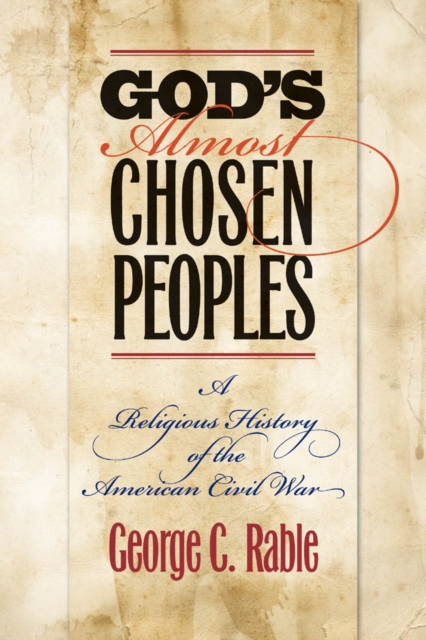
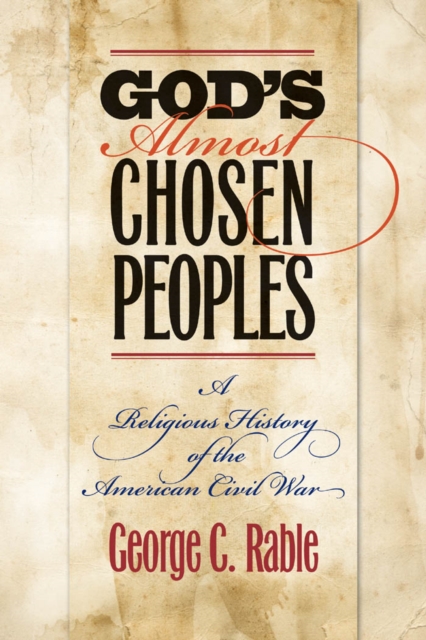
Throughout the Civil War, soldiers and civilians on both sides of the conflict saw the hand of God in the terrible events of the day, but the standard narratives of the period pay scant attention to religion.
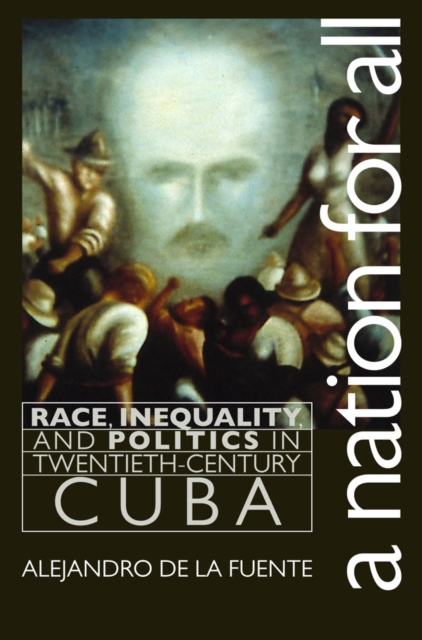
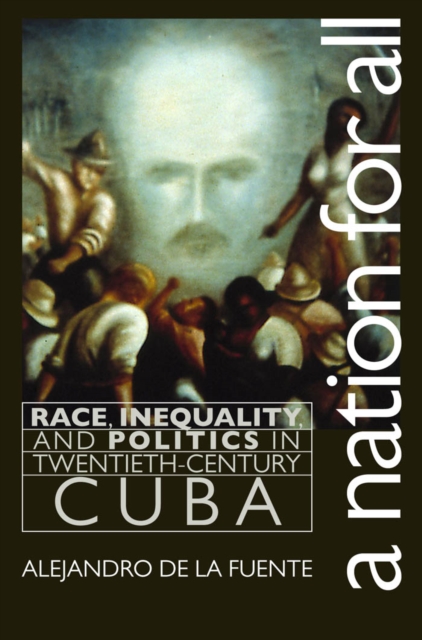
After thirty years of anticolonial struggle against Spain and four years of military occupation by the United States, Cuba formally became an independent republic in 1902.
This volume completes the three-volume collection of Fergus Millars essays, which, together with his books, transformed the study of the Roman Empire by shifting the focus of inquiry onto the broader Mediterranean world and beyond.
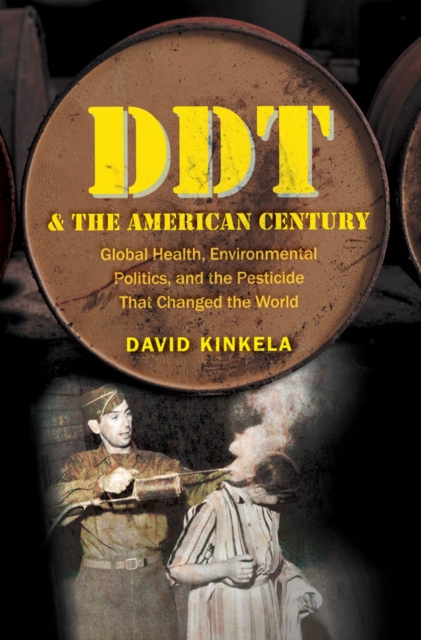
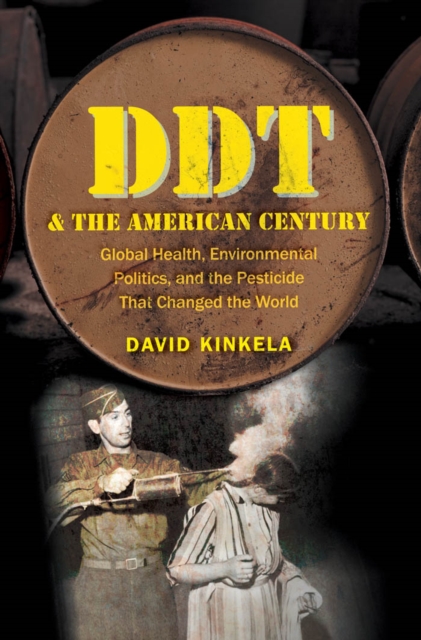
Praised for its ability to kill insects effectively and cheaply and reviled as an ecological hazard, DDT continues to engender passion across the political spectrum as one of the worlds most controversial chemical pesticides.
Between 1500 and 1850, European traders shipped hundreds of thousands of African, Indian, Malagasy, and Southeast Asian slaves to ports throughout the Indian Ocean world.
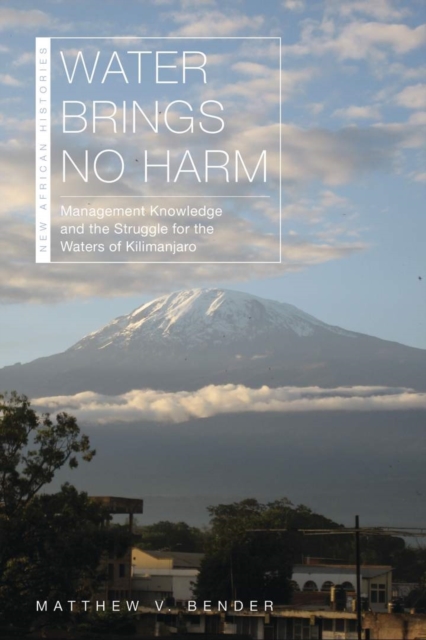
The most striking feature of British colonialism in the twentieth century was the confidence it expressed in the use of science and expertise, especially when joined with the new bureaucratic capacities of the state, to develop natural and human resources of the empire.
During Poland's century-long partition and in the interwar period of Poland's reemergence as a state, Polish writers on both sides of the ocean shared a preoccupation with national identity.
Throughout the Civil War, soldiers and civilians on both sides of the conflict saw the hand of God in the terrible events of the day, but the standard narratives of the period pay scant attention to religion.
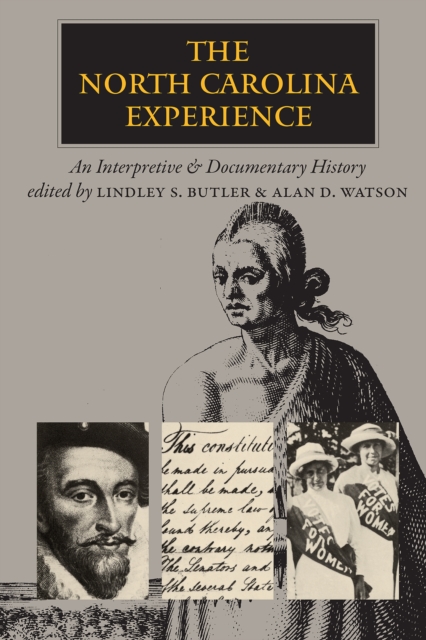
This collection of nineteen original essays on selected topics and epochs in North Carolina history offers a broad survey of the state from its discovery and colonization to the present.
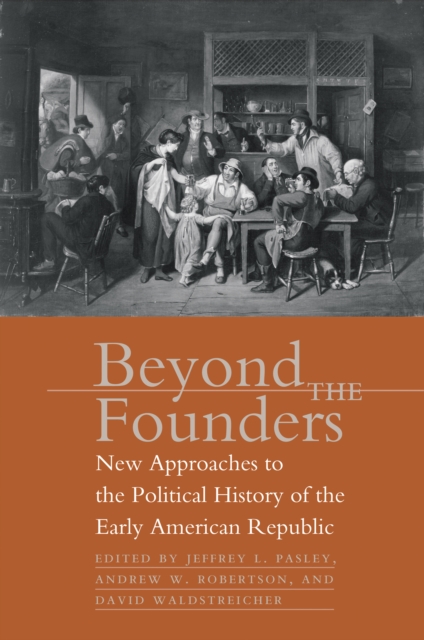
In pursuit of a more sophisticated and inclusive American history, the contributors to Beyond the Founders propose new directions for the study of the political history of the republic before the Civil War.
After thirty years of anticolonial struggle against Spain and four years of military occupation by the United States, Cuba formally became an independent republic in 1902.
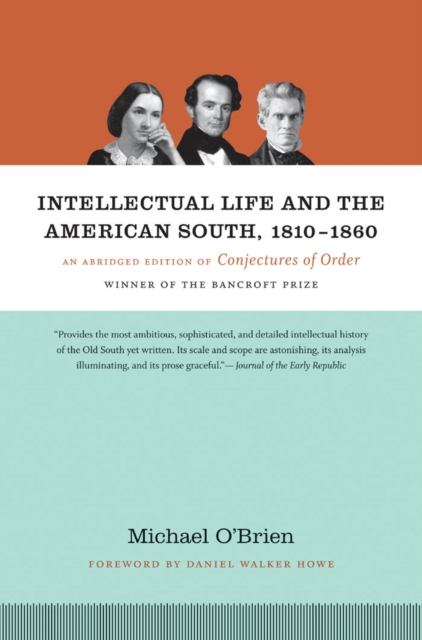
Michael O'Brien has masterfully abridged his award-winning two-volume intellectual history of the Old South, Conjectures of Order, depicting a culture that was simultaneously national, postcolonial, and imperial, influenced by European intellectual traditions, yet also deeply implicated in the making of the American mind.
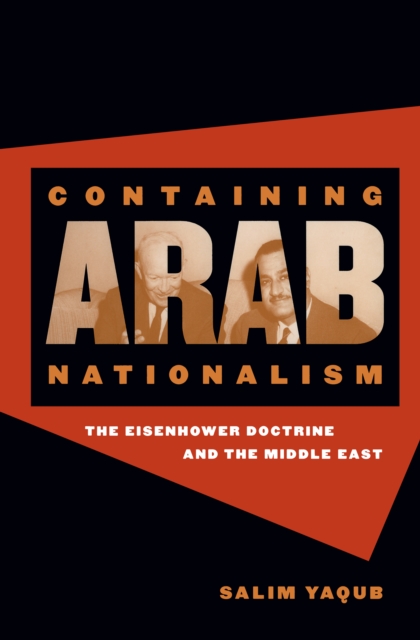
Under the Eisenhower Doctrine, the United States pledged to give increased economic and military aid to receptive Middle Eastern countries and to protect with U.
Under the Eisenhower Doctrine, the United States pledged to give increased economic and military aid to receptive Middle Eastern countries and to protect with U.
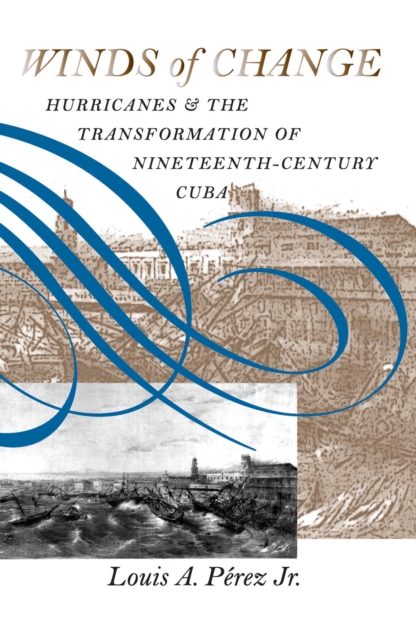
The first book to establish hurricanes as a key factor in the development of modern Cuba, Winds of Change shows how these great storms played a decisive role in shaping the economy, the culture, and the nation during a critical century in the islands history.
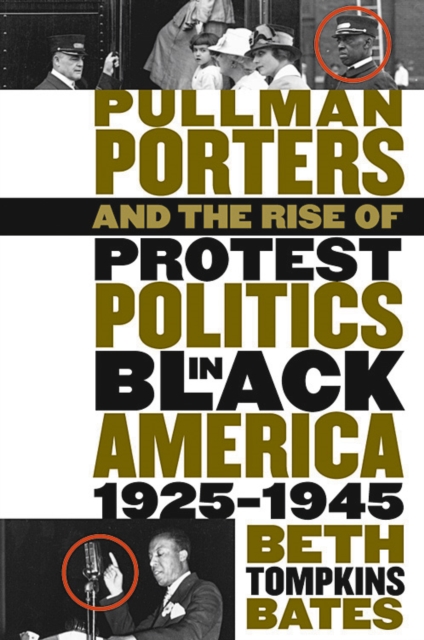
Between World War I and World War II, African Americans' quest for civil rights took on a more aggressive character as a new group of black activists challenged the politics of civility traditionally embraced by old-guard leaders in favor of a more forceful protest strategy.
Praised for its ability to kill insects effectively and cheaply and reviled as an ecological hazard, DDT continues to engender passion across the political spectrum as one of the worlds most controversial chemical pesticides.
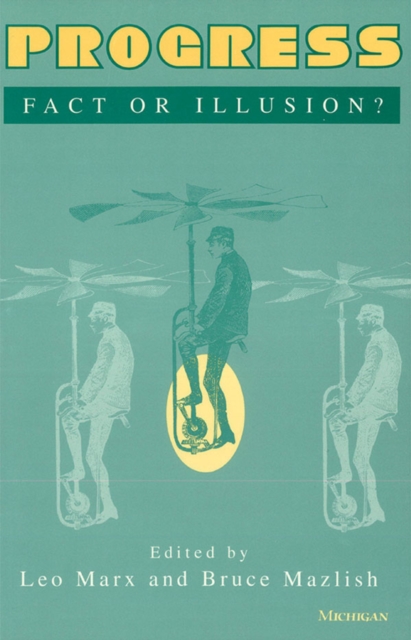
Progress, perhaps the fundamental secular belief of modern Western society, has come under heavy fire recently because, after three centuries, advances in science and technology seem increasingly to bring problems in their wake: alienation, environmental degradation, the threat of nuclear destruction.