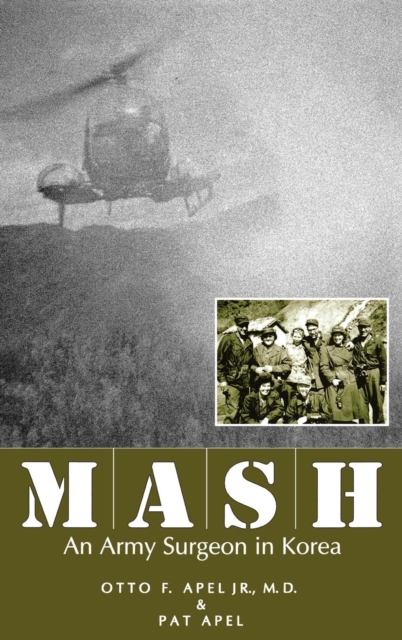
When North Korean forces invaded South Korea on June 25, 1950, Otto Apel was a surgical resident living in Cleveland, Ohio, with his wife and three young children.
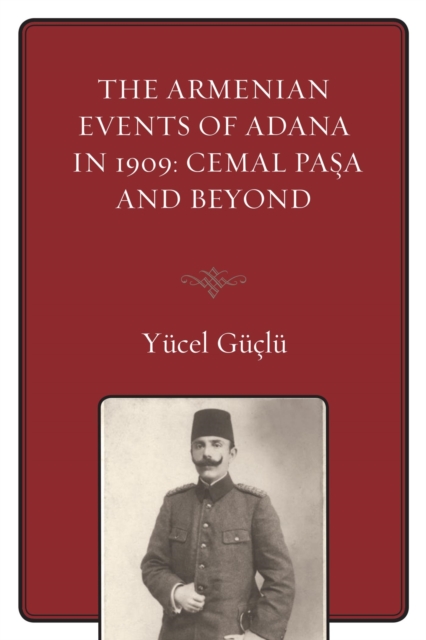
The purpose of the book is twofold: first, to give an accurate and reasonably complete narrative account of the Armenian events of 1909 and their aftermath in the province of Adana and the developments leading up to and following them; and equally importantly, to provide an interpretive framework that makes some sense out of this episode in Ottoman history.
Paris nimmt unter den im Zweiten Weltkrieg besetzten Stadten einen besonderen Platz ein: Fur die deutschen Besatzer war die Stadt ein von vielerlei Klischees besetzter Sehnsuchtsort, fur die Pariser ein Raum gefahrlicher Balance zwischen Widerstand und Kollaboration.
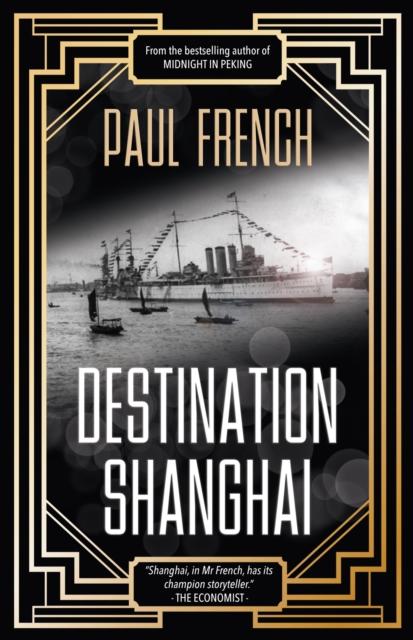
New York Times bestselling author Paul French (Midnight in Peking) returns to the Chinese capital to tell 18 true stories of fascinating people - many Americans among them - who visited the city in the first half of the 20th century.
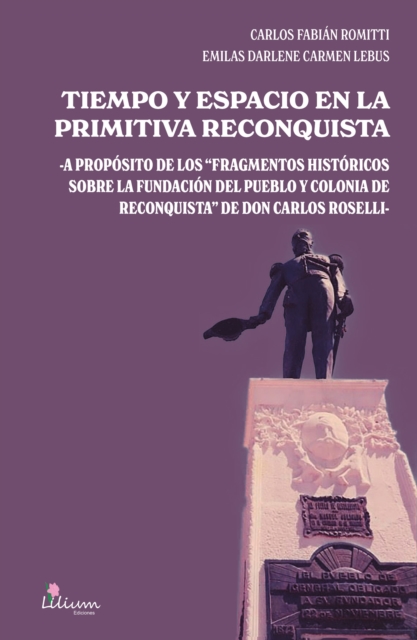
Los libros histórico-geográficos suelen ser comúnmente de dos tipos: o se centran en un hecho local, puntual, abordado como una singularidad muy específica, o bien, analizan procesos amplios para explicarlos desde la universalidad.
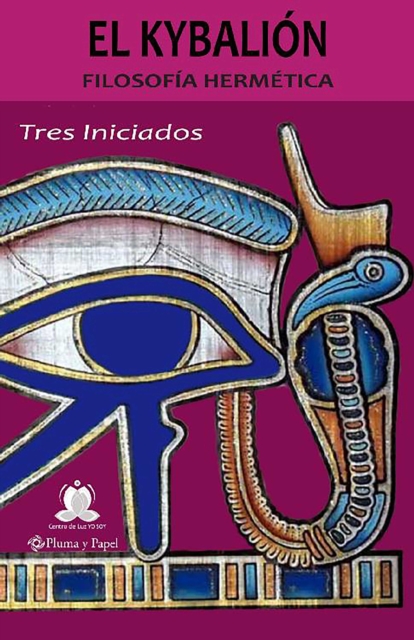
La obra del Maestro saint Germain es la base del conocimiento de la Nueva Era, es un medio imprescindible para entender los fundamentos metafísicos de la Sabiduría Universal: La palabra de Dios reúne noventa y nueve discursos transmitidos por la Jerarquía Espiritual —entre ellos el Maestro Ascendido Saint Germain, la Amada Madre María, el Ángel de la Unidad Micah, los Maestros Kuthumi, El Morya, Serapis Bey, Sanat Kumara y numerosos Seres de Luz— compilados para entregar al lector las enseñanzas fundamentales de la Nueva Era.
Clásico indiscutible de la historiografía argentina contemporánea, "Revolución y guerra" aborda la trama de múltiples procesos desde la crisis final del imperio español hasta el avance del nuevo orden económico y mercantil en el espacio atlántico, y su impacto tanto sobre el equilibrio étnico, económico y militar entre las regiones antes dominadas por la Corona –de Quito a Buenos Aires– como sobre el cambiante clima de ideas e ideologías que acompañó el tránsito de la autoridad de la monarquía católica a la de una veintena de estados sucesores.
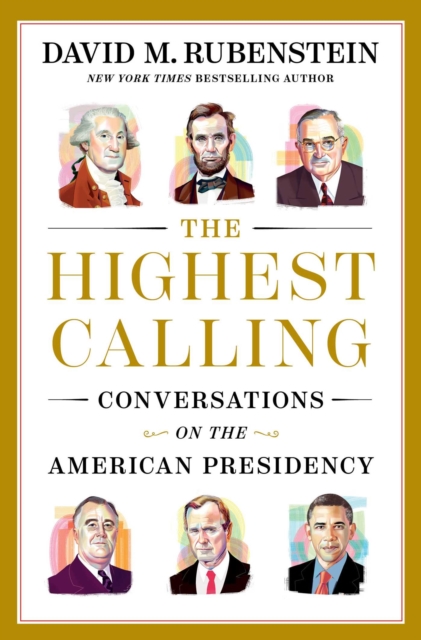
A NEW YORK TIMES BESTSELLER From the New York Times bestselling author of The American Story and How to Lead and host of PBS's History with David RubensteinDavid Rubenstein interviews living American presidents and top historians and journalists who reflect on the US presidency, including Joe Biden, Barack Obama, George W.
This book is one of the first to systematically explore cultural interactions between the Northern Zone of China and the Eurasian Steppe, with a focus on the formation process of the Xiongnu Confederation and the Silk Road.
This remarkable collection commemorates the 70th anniversary of the 1951 San Francisco Peace Conference by revisiting the important legacies of both the Peace Treaty and the US-Japan Security Treaty have had on the peace and stability of the Asia-Pacific.
This book presents the welfare regime of societies of Chinese heritage as a liminal space where religious and state authorities compete with each other for legitimacy.
This book attempts to reveal historical dynamism of transforming contemporary Maritime Asia and to identify key driving forces or agencies for the evolution and transformation of Maritime Asia in the context of global history studies.
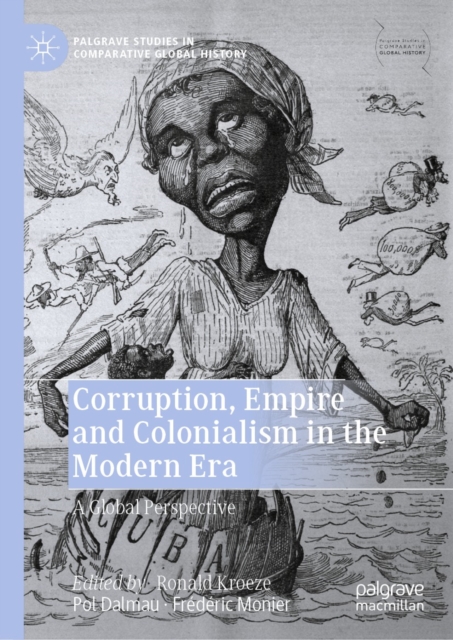
Answering the calls made to overcome methodological nationalism, this volume is the first examination of the links between corruption and imperial rule in the modern world.
This volume analyses the transition of Chinese medicine during the modern era, and the development of product and service niches in selected countries: China, Malaysia, Japan and the Philippines.
This book engages the diverse meanings and interpretations of Islamic and Western law which have affected people and societies across the globe, past and present, in correlation to the epistemological groundings of those meanings and interpretations.
This book presents the welfare regime of societies of Chinese heritage as a liminal space where religious and state authorities compete with each other for legitimacy.
This remarkable collection commemorates the 70th anniversary of the 1951 San Francisco Peace Conference by revisiting the important legacies of both the Peace Treaty and the US-Japan Security Treaty have had on the peace and stability of the Asia-Pacific.
Written by the Director of the Tokyo Trial Research Centre at China's Shanghai Jiao Tong University, this book provides a unique analysis of war crime trials in Asia-Pacific after World War II.
This book explores the factors and mechanisms that may have influenced the dynamic behaviors of earliest civilizations, focusing on both environmental (geographic) factors on which traditional historic analyses are based and human (behavioral) factors on which anthropological analyses are usually based.
Using Australian history as a case study, this collection explores the ways national identities still resonate in historical scholarship and reexamines key moments in Australian history through a transnational lens, raising important questions about the unique context of Australia's national narrative.
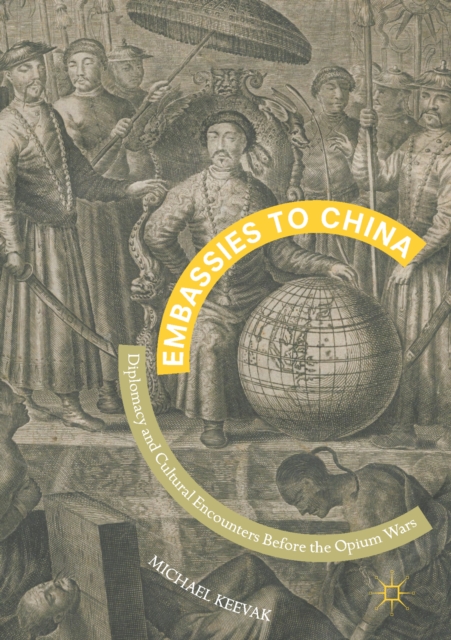
This text is a timely and wide-ranging study providing essential background to the development of global modernity through the European encounter with China.
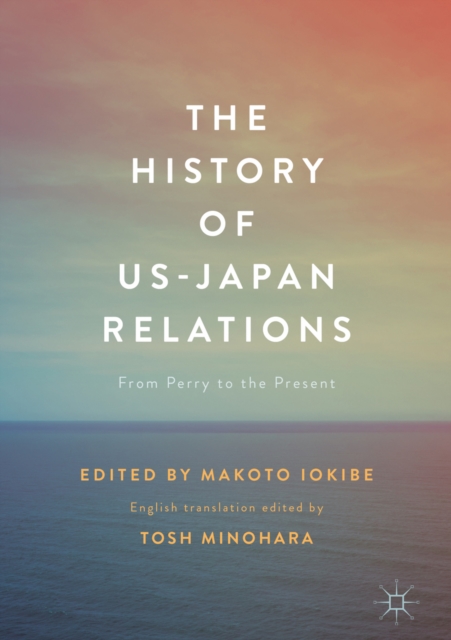
Examining the 160 year relationship between America and Japan, this cutting edge collection considers the evolution of the relationship of these two nations which straddle the Pacific, from the first encounters in the 19th century to major international shifts in a post 9/11 world.
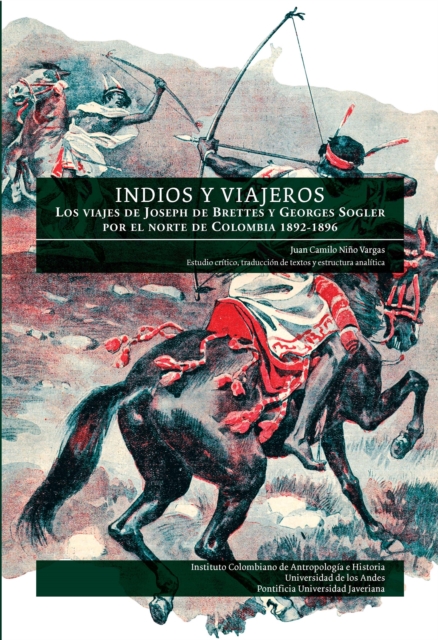
Aunque desde finales del siglo XVIII hasta principios del XX Colombia fue visitada por cientos de viajeros y exploradores, muy pocos se interesaron tan profundamente por las poblaciones indígenas como los franceses Joseph de Brettes y Georges Sogler.