Both traditions recognize and draw theological and historical lessons from some of the same narrative sources, but this is the first comparative resource to provide interdisciplinary coverage of the history and textual sources associated with prophets and prophecy.
At a crucial point in the twentieth century, as Nazi Germany prepared for war, negotiations between Britain, France, and the Soviet Union became the last chance to halt Hitler's aggression.
The A to Z of Slovakia offers an up to date series of cross-referenced dictionary entries on Slovak political, social, and economic development since the creation of the second Slovak Republic in 1993 until its admission into the European Union in 2004.
The Hong Kong Special Administrative Region of the People's Republic of China is located on the southeastern coast of China, and the Macao SAR can be found off of China's southern coast.
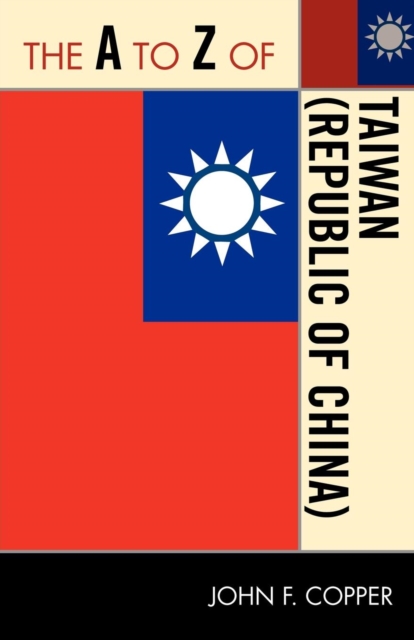
Taiwan, an island located off the east coast of southern China, is the largest piece of territory under the jurisdiction of the "e;nation"e; known officially as the Republic of China.
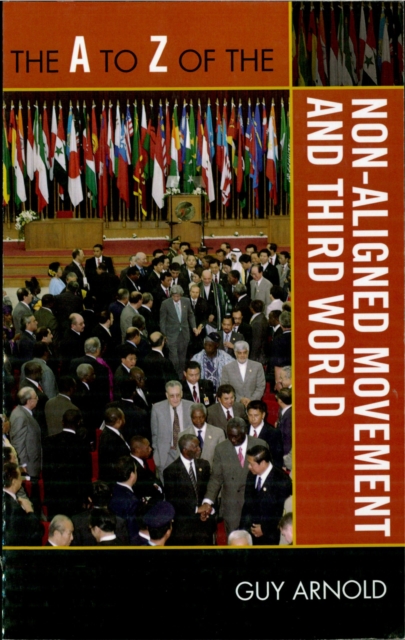
During the long period when the world was divided between East and West and the Cold War threatened to turn hot with devastating consequences, the Non-Aligned Movement was one of the few institutions that consistently sought other outcomes not in its own interest, but that of all humanity.
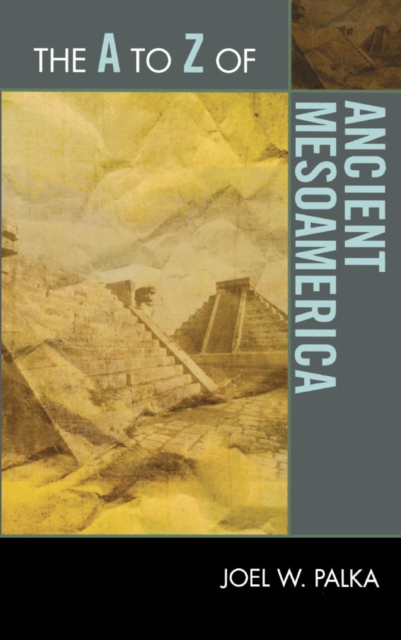
Ancient Mesoamerica drew world interest in the 19th century when photographs, drawings, and descriptions of discoveries of ruined cities in exotic locations in Mexico and Central America were published.
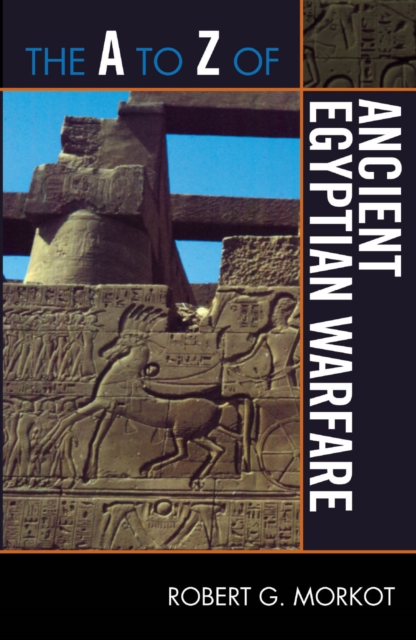
The A to Z of Ancient Egyptian Warfare covers the period from the emergence of the Egyptian state around 3000 BC to the Arab conquest in the mid-7th century AD.
While Iceland is the second largest inhabited island in Europe, with only 313,000 inhabitants in 2007, the Icelanders form one of the smallest independent nations in the world.
Now in a revised and updated edition with added original chapters, this acclaimed book provides an interdisciplinary perspective on the complex links between revolutionary struggles and human rights discourses and practices.
In this lively and provocative synthesis, distinguished historian Glen Jeansonne explores the people and events that shaped America in the twentieth century.
In this vivid portrait of one of the South's ablest (and most enigmatic) commanders, Allen Tate portrays the warrior whom Lee would mourn as "e;his right arm.
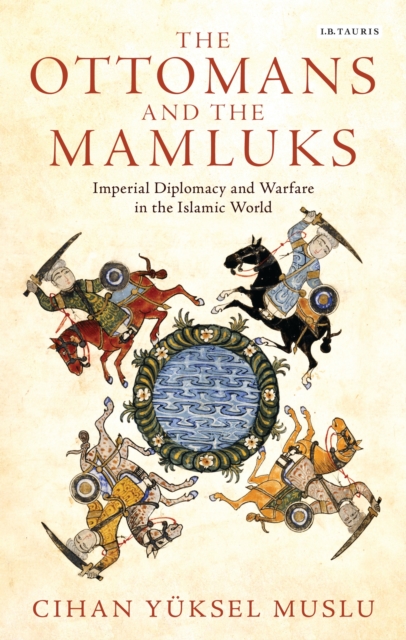
Beginning on the eve of Oceanic exploration, and the first European forays into the Indian Ocean and the Middle East, The Ottomans and the Mamluks traces the growth of the Ottoman Empire from a tiny Anatolian principality to a world power, and the relative decline of the Mamluks - historic defenders of Mecca and Medina and the rulers of Egypt and Syria.
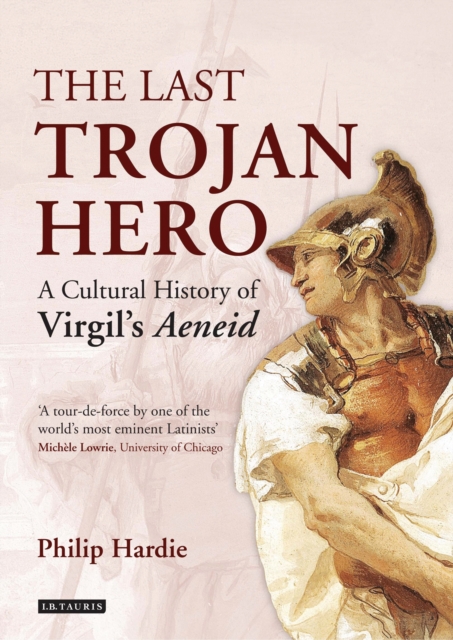
I sing of arms and of a man: his fate had made him fugitive: he was the first to journey from the coasts of Troy as far as Italy and the Lavinian shores.
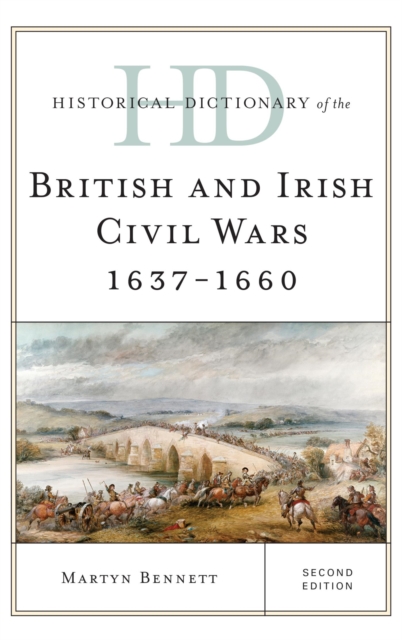
When a large number of the people in Scotland rejected King Charles I's religious policy, they set in motion a train of events that resonated throughout England, Wales, and Ireland and challenged the rule of the king.
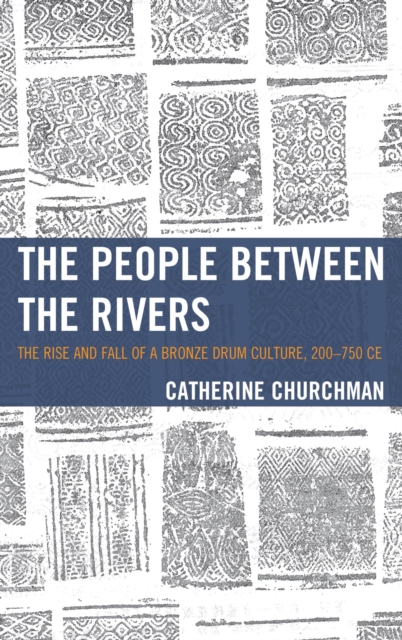
This fundamental study provides the first comprehensive history in any language of the lands between the Red and Pearl Rivers in southern China and the people who resided there over a span of a thousand years.
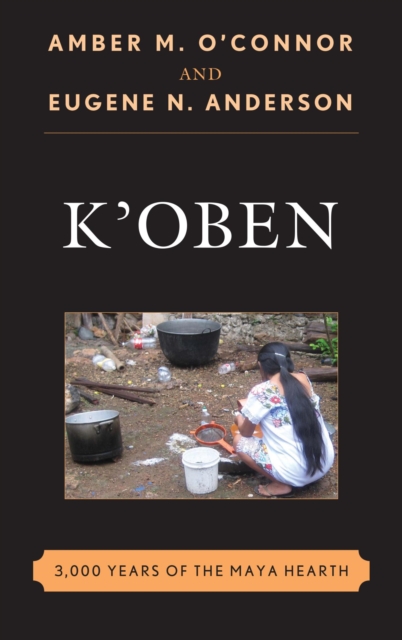
K'Oben traces the Maya kitchen and its associated hardware, ingredients, and cooking styles from the earliest times for which we have archaeological evidence through today's culinary tourism in the area.
After more than a decade of fighting in Afghanistan, the United States and its allies are set to transfer security responsibilities to Afghan forces in 2014.
After more than a decade of fighting in Afghanistan, the United States and its allies are set to transfer security responsibilities to Afghan forces in 2014.
After more than a decade of fighting in Afghanistan, the United States and its allies are set to transfer security responsibilities to Afghan forces in 2014.
This groundbreaking book examines the role of rulers with nomadic roots in transforming the great societies of Eurasia, especially from the thirteenth to sixteenth centuries.
This study represents a significant reinterpretation of literary networks during what is often called the transition from manuscript to print during the early modern period.
Examines the role of the body in Indigenous-language religious texts from colonial Latin AmericaWords Made Flesh examines the role played by corporeality in a series of missionary linguistic and poetic projects from Brazil, Peru, and Mexico in early colonial Latin America.
Providing an invaluable introductory resource for students studying cyber warfare, this book highlights the evolution of cyber conflict in modern times through dozens of key primary source documents related to its development and implementation.
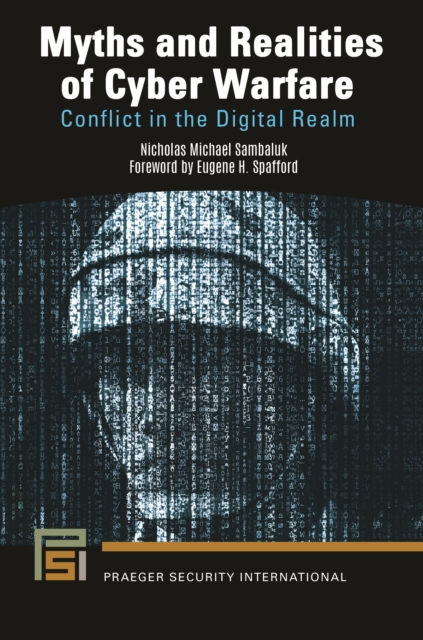
This illuminating book examines and refines the commonplace "e;wisdom"e; about cyber conflict-its effects, character, and implications for national and individual security in the 21st century.
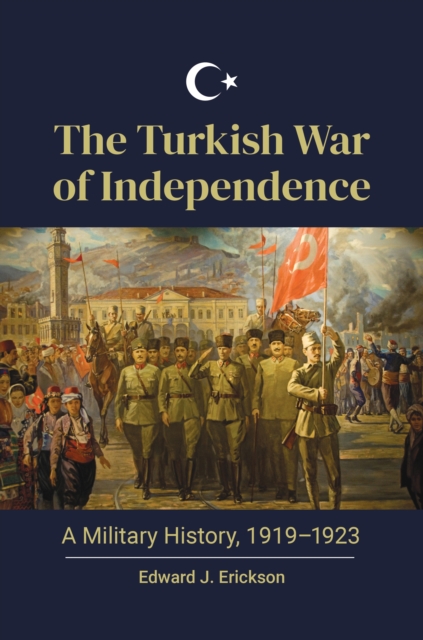
The dramatic story of the turbulent birth of modern Turkey, which rose out of the ashes of the Ottoman Empire to fight off Allied occupiers, Greek invaders, and internal ethnic groups to proclaim a new republic under Mustafa Kemal (Ataturk).
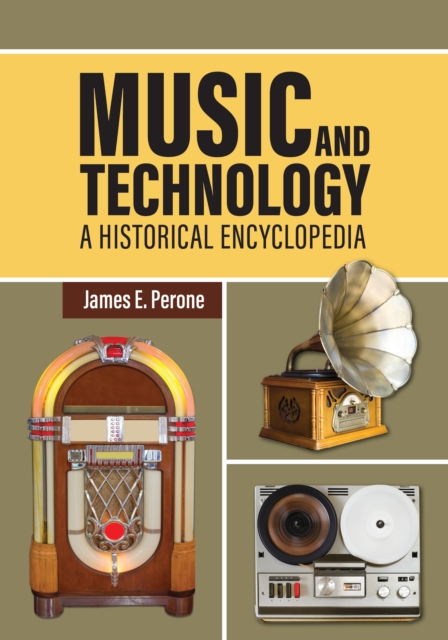
This book introduces readers to the most significant technological developments in music making and listening, including such topics as metronomes and the development of music notation as well as synthesizers, the latest music collaboration apps, and other 21st-century technologies.
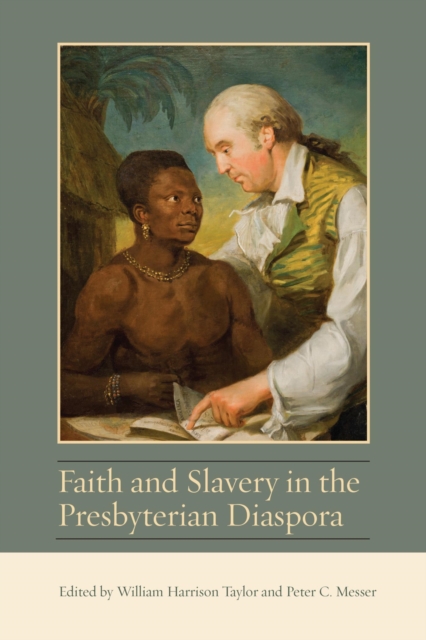
Faith and Slavery in the Presbyterian Diaspora considers how, in areas as diverse as the New Hebrides, Scotland, the United States, and East Central Africa, men's and women's shared Presbyterian faith conditioned their interpretations of and interactions with the institution of chattel slavery.
Pop Goes the Decade: The 2000s comprehensively examines popular culture in the 2000s, placing the culture of the decade in historical context and showing how it not only reflected but also influenced its times.