Dieser Buchtitel ist Teil des Digitalisierungsprojekts Springer Book Archives mit Publikationen, die seit den Anfängen des Verlags von 1842 erschienen sind.
WINNER OF THE JOHN AVERY AWARD AT THE ANDR SIMON AWARDS If we can save the salmon, we can save the world Over the centuries, salmon have been a vital resource, a dietary staple and an irresistible catch.
A unique chronicle of the hundred-year period when the Jewish people changed the world and it changed them ';A riveting, gossipy, action-packed, seam-bursting blast through 100 years of (mainly) European history Impressively wide-ranging in scope and unflaggingly fascinating.
In America today, online spaces serve as critical alternatives for tech-savvy Muslims seeking a place to root their faith, forge religious identity, and build communities.
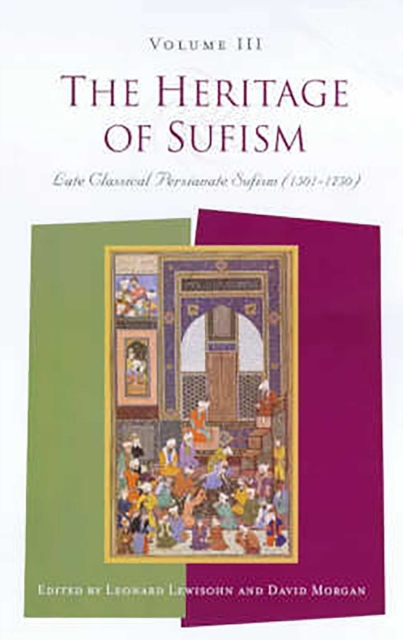
This collection - the second of a three-volume study - examines the roots of the artistic, literary and cultural renaissance of Sufism from the 12th to the 15th centuries.
This comprehensive study is unique in its chronological breadth, intellectual diversity and historical scope and which demonstrates the central role played by Sufism in Persianate culture in Iran, Central Asia and India
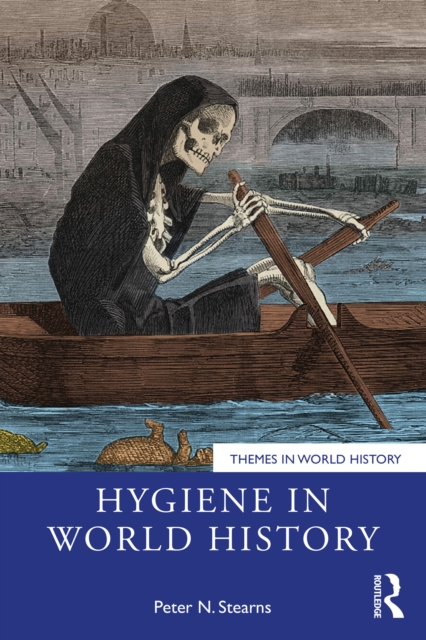
This book features a global, historical analysis of the changes and continuities in one of society's basic functions: seeking to protect itself from disease.
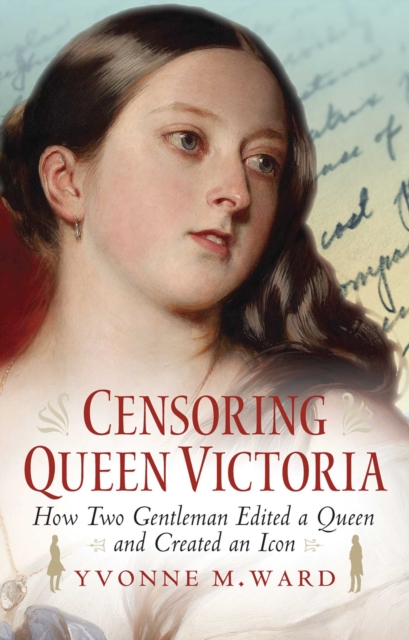
'Fascinating' BBC History 'Remarkable and clever' New York Times 'Original and important' Sir David Cannadine When Queen Victoria died, two gentlemen were commissioned with the monumental task of editing her vast correspondence.
This book examines how the Embassy members approached, selected, and represented information, and how, in doing so, they helped to shape European perceptions of China.
This book is a comprehensive study of the history of pew-renting in the church of England, from the first known rented sittings in the fifteenth century to the system's collapse in the twentieth.
Knowledge production in the Anglosphere depends on the erasure of non-Western ways of knowing especially ways of knowing oneself, the lands and waters, and the relationships between these entities.
A Marine Corps recruiter returns to his old stamping grounds to speak with some of the men he enlisted, their families, and the families of others who were killed in action.
A BBC HISTORY MAGAZINE BOOK OF THE YEAR 2025'A breath-taking history of female sovereignty' -- Alison Weir'Gripping and beautifully crafted' -- Tracy Borman'Filled with fascinating figures from history' -- Gareth RussellThese are the stories of the female kings: women who risked everything, sometimes unwillingly, to find their place in a man's world.
Irish historians have minimized Daniel O'Connell's role in the Irish liberty movement in favor of later nationalist leaders, largely because of his failure in the 1843 movement for repeal of the Act of Union.
Chateaubriand's Travels in America, presented here in its first modern translation, was a reflection of the attitudes of his epoch toward the New World.
In 1979 Robert Penn Warren returned to his native Todd Country, Kentucky, to attend ceremonies in honor of another native son, Jefferson Davis, president of the Confederacy, whose United States citizenship had just been restored, ninety years after his death, by a special act of Congress.
The casual and the serious of American historyfiddlers, yarn spinners, and riverboat gamblers, politicians, educators, and social reformershave all concerned Thomas D.