
General and world history
Sorting
Bestseller Sorting collapsed
Bestseller
Name: A-Z
Name: Z-A
Price ascending
Price descending
Publication Date ascending
Publication Date descending
E-book

????????, ???? ?.
Price
0
4.49 £




E-book
????????, ???? ?.
0
0
Price
4.49 £
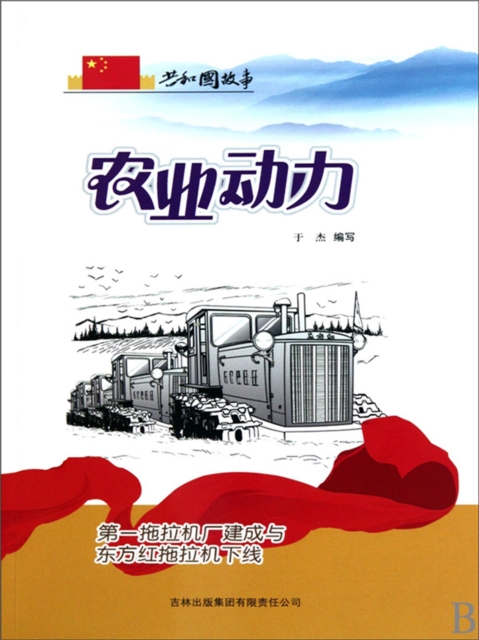
内容简介:《共和国故事:农业动力・第一拖拉机厂建成与东方红拖拉机下线》:介绍了第一拖拉机厂的建设背景、过程以及东方红拖拉机下线的重要意义。讲述了该厂在新中国农业机械化进程中所发挥的重要作用,如何为农业生产提供强大动力,推动了中国农业的现代化发展。作者简介:于杰:是《共和国故事》部分书籍的作者,同时还著有《共同富裕 - 华西村的富民政策与发展》等。在《共和国故事》中,他的作品涵盖了多个领域的历史事件,如《滨海明珠・天津滨海新区开工建设》《打破天荒・建立海南经济特区与洋浦风波》等,从不同角度反映了共和国在经济建设、特区发展等方面的探索与成就。
Read more
E-book
????????, ???? ?.
Price
0
4.49 £
E-book
????????, ???? ?.
0
0
Price
4.49 £
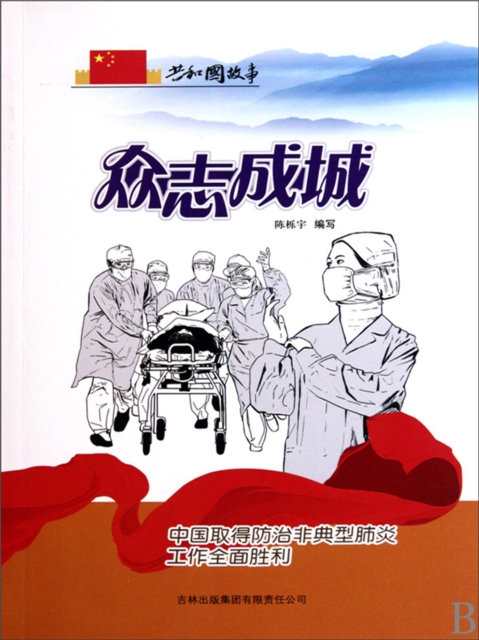
内容简介:《众志成城・中国取得防治非典型肺炎工作全面胜利》:以防治非典型肺炎这一重大公共卫生事件为主题,描述了非典疫情在中国的爆发情况、传播态势以及给社会带来的巨大挑战。同时展现了中国政府、医护人员、科研工作者和全体民众在抗击非典过程中的团结协作、英勇奋战,以及采取的一系列有效防控措施作者简介:陈栎宇在党史、新中国史等方面有一定研究和积累,从而能够承担起撰写 "共和国故事" 系列中相关分册的任务,为读者呈现出精彩的历史故事和深刻的历史内涵。
Read more
E-book
????????, ???? ?.
Price
0
4.49 £
E-book
????????, ???? ?.
0
0
Price
4.49 £
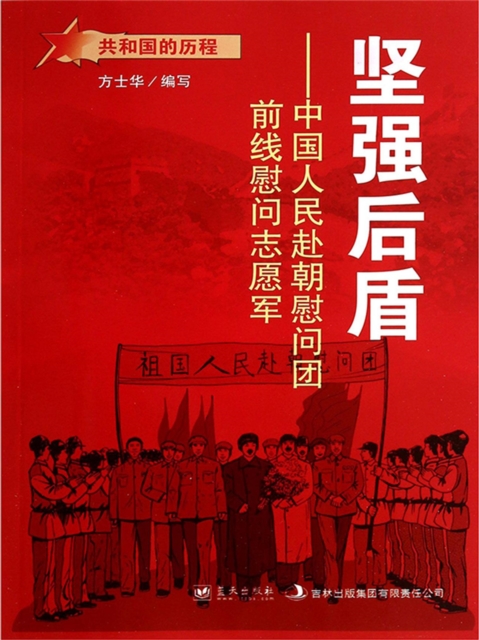
内容简介:本书聚焦于抗美援朝战争中一个重要且残酷的方面,即美军对中朝被俘人员的无理扣留和残害。详细描述了美军违反国际公约和基本人道原则的种种罪行,包括在战俘营中对战俘进行虐待、强制 "甄别"、强迫战俘改变政治立场等行为,揭示了美国在战争中不光彩的一面,以及中朝战俘所遭受的苦难作者简介:方士华出生于 1967 年 8 月,西南师范学院研究生毕业,现为四川省绵阳市中学教师,业余从事自由撰稿工作。编辑出版作品有《梦想的积极心态》《培养孩子的生存能力》《高智商的孩子是教出来》《不打不骂就让孩子听》等。
Read more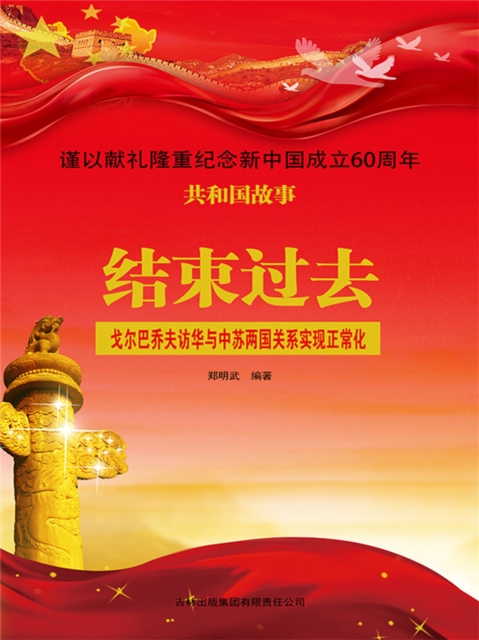
E-book
????????, ???? ?.
Price
0
4.49 £
E-book
????????, ???? ?.
0
0
Price
4.49 £
内容简介:《共和国故事:结束过去・戈尔巴乔夫访华与中苏两国关系实现正常化》:详细介绍了戈尔巴乔夫访华的背景、过程以及对中苏两国关系正常化的重要意义。书中展现了两国在历经多年波折后,通过高层会晤实现关系缓和与正常化的历史进程,对研究中苏关系演变具有重要价值。作者简介:郑明武是一位安徽利辛的新锐青年作家,笔名郑丹石,主要关注中国近现代政治、军事史,著作颇丰。其作品以幽默、流畅的语言风格,独特、深邃的见解引发关注。除了 "共和国故事" 系列,还著有《捍卫蒋介石的敢死卫队》《葬送在蒋介石手下的特种部队》《共和国铁拳内卫》等作品。
Read more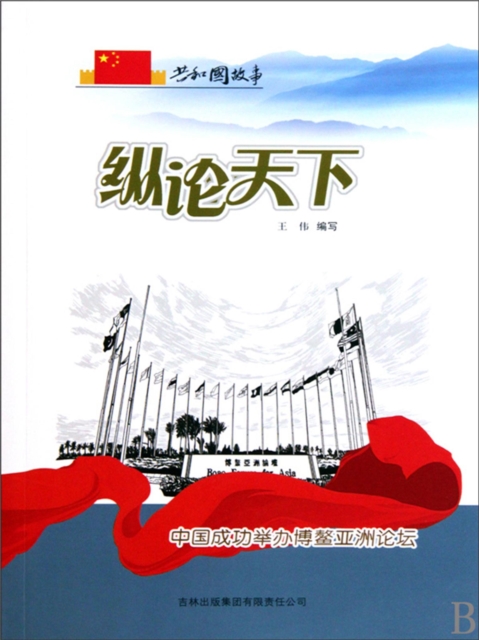
E-book
????????, ???? ?.
Price
0
4.49 £
E-book
????????, ???? ?.
0
0
Price
4.49 £
内容简介:《共和国故事:纵论天下・中国成功举办博鳌亚洲论坛》:详细介绍了博鳌亚洲论坛的创办背景、中国举办该论坛的筹备过程以及论坛举办所产生的广泛影响,体现了中国在国际舞台上积极参与和推动区域合作,为亚洲和世界经济发展贡献智慧和力量的重要作用。作者简介:王伟通过《共和国故事》系列丛书,以丰富的史料、生动的笔触,将共和国发展历程中的众多重大事件进行了系统梳理和详细呈现,让读者能够深入了解共和国在各个领域的发展脉络和取得的辉煌成就。
Read more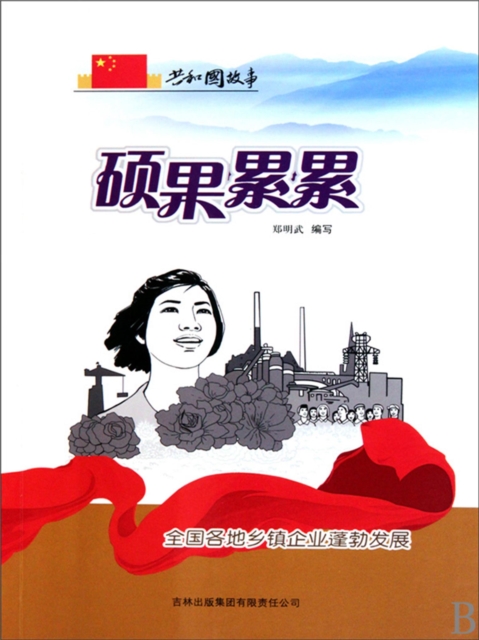
E-book
????????, ???? ?.
Price
0
4.49 £
E-book
????????, ???? ?.
0
0
Price
4.49 £
内容简介:《共和国故事:硕果累累・全国各地乡镇企业蓬勃发展》:记述了全国各地乡镇企业蓬勃发展的历程,包括乡镇企业兴起的背景、政策支持、发展模式以及在推动农村经济发展、增加农民收入、促进城乡一体化等方面所取得的显著成就,展现了乡镇企业在中国经济发展中的重要地位和作用。作者简介:郑明武是一位安徽利辛的新锐青年作家,笔名郑丹石,主要关注中国近现代政治、军事史,著作颇丰。其作品以幽默、流畅的语言风格,独特、深邃的见解引发关注。除了 "共和国故事" 系列,还著有《捍卫蒋介石的敢死卫队》《葬送在蒋介石手下的特种部队》《共和国铁拳内卫》等作品。
Read more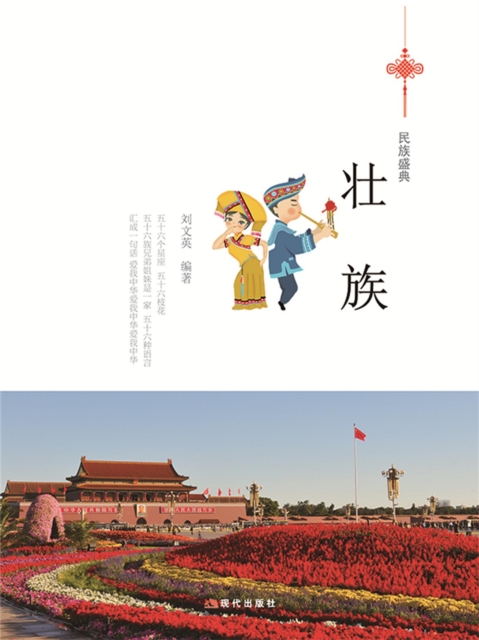
E-book
????????, ???? ?.
Price
0
4.49 £
E-book
????????, ???? ?.
0
0
Price
4.49 £
Description:党的十八大报告指出:"文化是民族的血脉,是人民的精神家园。全面建成小康社会,实现中华民族伟大复兴,必须推动社会主义文化大发展大繁荣,兴起社会主义文化建设新高潮,提高国家文化软实力,发挥文化引领风尚、教育人民、服务社会、推动发展的作用。"Author Biography:刘文英是一位在出版领域和文化研究方面有一定成就的学者。他长期致力于文化传播和出版事业,在相关领域有着深厚的学术积累和丰富的实践经验。他主编的《民族盛典》等书籍,通过对民族文化的系统整理和介绍,为弘扬中华民族文化、促进各民族文化交流和团结做出了积极贡献。
Read more
E-book
Price
0
45.00 £
E-book
0
0
Price
45.00 £
Religion is viewed here as the great cultural force which introduced and preserved civilization in the era of westward expansion from 1776 to the eve of the Civil War.
Read more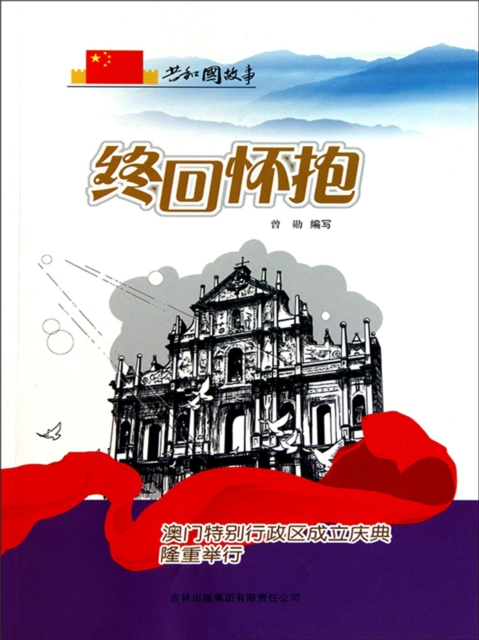
E-book
????????, ???? ?.
Price
0
4.49 £
E-book
????????, ???? ?.
0
0
Price
4.49 £
内容简介:《终回怀抱・澳门特别行政区成立庆典隆重举行》:以澳门回归和澳门特别行政区成立庆典为主题,描述了澳门回归的历史背景、回归过程以及庆典的盛大场面。展现了中国对澳门恢复行使主权的重要意义,标志着中国在完成祖国统一大业的道路上又迈出了重要一步,同时也体现了 "一国两制" 方针在澳门的成功实践。作者简介:曾勋是一位职业作家,1986 年生于四川内江,毕业于中国矿业大学中文系。16 岁开始发表文章,著有《紫土笔记》《思想是我的盐》《孔庆东现象批判》等作品,还与三农学者爱新觉罗・蔚然合著《另一个世界:不能忘却的苦难札记》,曾获《文学报▪新批评》优秀评论新人奖。
Read more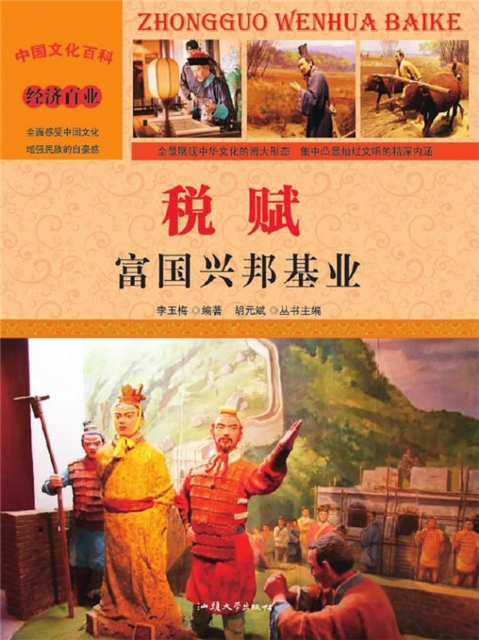
E-book
????????, ???? ?.
Price
0
4.49 £
E-book
????????, ???? ?.
0
0
Price
4.49 £
Description:《中国文化百科经济百业・税赋:富国兴邦基业》是 "中国文化百科经济百业" 丛书中的一本,由李玉梅、胡元斌编著,2015 年由汕头大学出版社出版。该书以中国税赋发展为线索,系统介绍了中国从古代到近代的税赋制度演变。书中内容丰富,涵盖了夏商西周的税赋、春秋时期的税制、战国时期的税制、秦代完整的税赋制度、汉代体系化税赋制度等多个历史时期的税赋情况。通过对不同历史时期税赋制度的详细阐述,展现了税赋在中国历史发展进程中的重要作用,以及其对国家经济、政治、社会等方面的深远影响,让读者了解到税赋如何成为富国兴邦的基业,是一本具有较强系统性、广博性,能全面展现中国税赋文化的读物。Author Biography:李玉梅编著了多本 "中国文化百科经济百业" 系列丛书,如《工业:印纺工业龙头》《职业:百业兴旺景象》《种植:作物栽培耕种》《交通:纵横天地通达》《养殖:畜牧渔业并举》等。这些作品涵盖了经济百业的多个方面,以丰富的内容、系统的编排,展示了各个行业在中国文化背景下的发展历程和特点,具有较强的系统性、广博性,体现出作者深厚的知识积累和对相关领域的深入研究。
Read more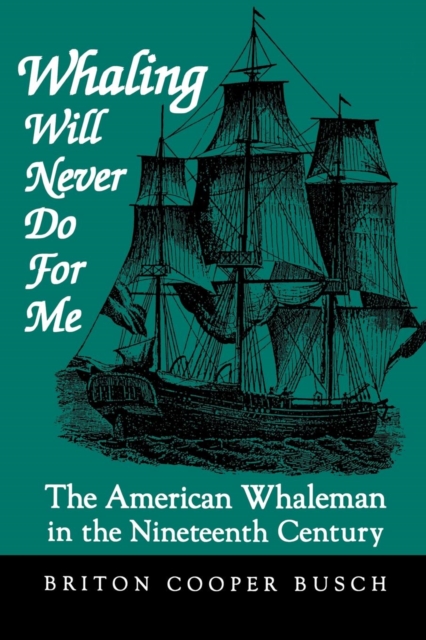
E-book
Price
0
35.00 £
E-book
0
0
Price
35.00 £
"I just begin to find out that whaling will never do for me and have determined to leave the ship here if possible.
Read more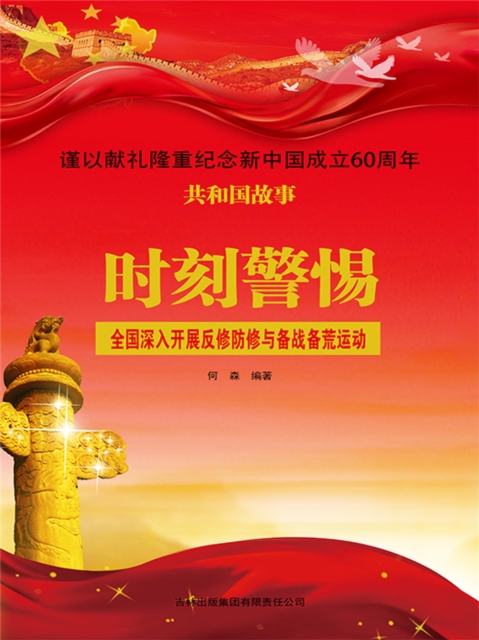
E-book
????????, ???? ?.
Price
0
4.49 £
E-book
????????, ???? ?.
0
0
Price
4.49 £
内容简介:《共和国故事:时刻警惕・全国深入开展反修防修与备战备荒运动》:阐述了全国开展反修防修与备战备荒运动的历史背景、运动的主要内容和具体措施,以及运动对当时中国的政治、经济、社会等方面产生的广泛影响,反映了当时复杂的国际形势下中国的应对策略和全民的精神状态。作者简介:何森是一位陕西韩城人,做过编辑、记者,曾在北京大学讲授国学及历史。他是近年来比较有市场影响力的历史书作家。其主要著述有《走出森林的人类 —— 人类为什么如此痛苦》。在 2011 年,何森编写了《共和国故事》丛书中的多本图书,该丛书是一套反映共和国 60 年伟大建设实践的大型历史故事丛书,从多个视角、多个侧面解读了在中国共产党领导下中国社会主义建设取得的伟大成就。
Read more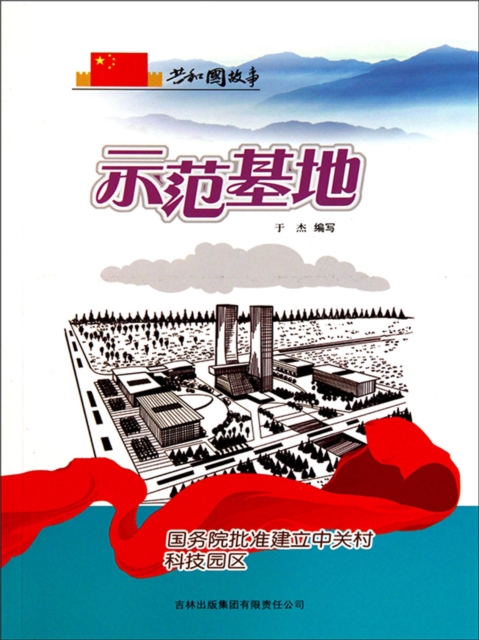
E-book
????????, ???? ?.
Price
0
4.49 £
E-book
????????, ???? ?.
0
0
Price
4.49 £
内容简介:《共和国故事:示范基地・国务院批准建立中关村科技园区》:记述了国务院批准建立中关村科技园区的过程,以及园区在科技创新、企业孵化、人才培养等方面所发挥的示范作用。展现了中关村如何从一个科技产业聚集地发展成为具有国际影响力的科技创新中心,推动了中国高新技术产业的发展。作者简介:于杰:是《共和国故事》部分书籍的作者,同时还著有《共同富裕 - 华西村的富民政策与发展》等。在《共和国故事》中,他的作品涵盖了多个领域的历史事件,如《滨海明珠・天津滨海新区开工建设》《打破天荒・建立海南经济特区与洋浦风波》等,从不同角度反映了共和国在经济建设、特区发展等方面的探索与成就。
Read more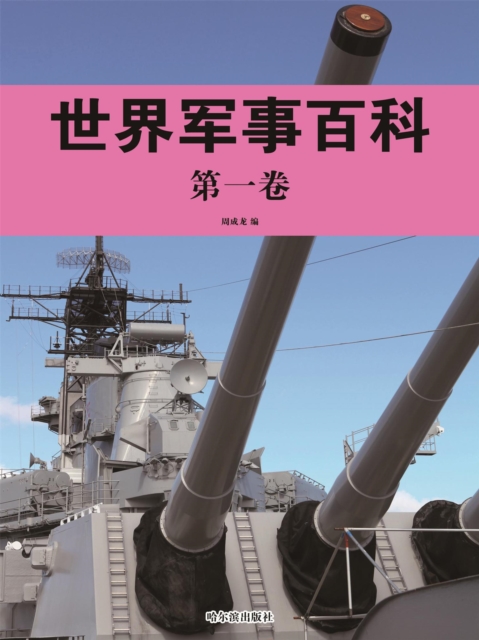
E-book
????????, ???? ?.
Price
0
4.49 £
E-book
????????, ???? ?.
0
0
Price
4.49 £
Description:本套丛书共四册,客观地记录了人类历史上的军事活动,对军事历史上的重要的或具有里程碑意义的战争、战役、将帅、武器,当时的政治格局、兵力部署、攻防态势都有详细的展示,以使读者对该军事事件的大概情形有更为直观的了解。Author Biography:周成龙对军事领域有着浓厚的兴趣和深入的研究,具备丰富的军事知识储备,能够将复杂的军事知识以系统、清晰的方式呈现给读者,使读者在阅读中了解到军事历史的发展脉络、战争背后的谋略以及武器装备的演进等多方面内容。
Read more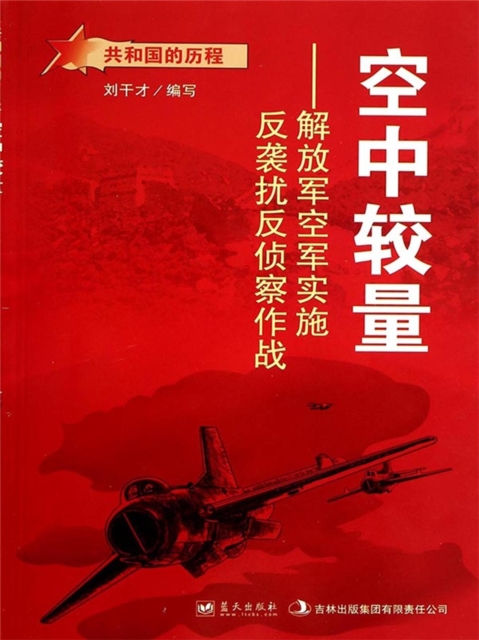
E-book
????????, ???? ?.
Price
0
4.49 £
E-book
????????, ???? ?.
0
0
Price
4.49 £
内容简介:《空中较量・解放军空军实施反袭扰反侦察作战》:着重介绍了解放军空军在面对敌人空中袭扰和侦察时的应对作战。讲述了空军部队如何组建、训练,以及在实战中与敌机进行空中较量,保卫国家领空安全的故事,展现了空军在早期发展阶段的战斗风貌。作者简介:刘干才是一位致力于历史题材创作的作家。他长期从事历史研究和文学创作,对中国近现代历史,尤其是共和国成立前后的历史有着深入的研究和浓厚的兴趣。他通过撰写 "共和国故事" 系列丛书等作品,以生动的文字和丰富的史料,将那些重要的历史事件和英雄事迹呈现给读者,让人们更好地了解共和国的成长历程和光辉岁月。
Read more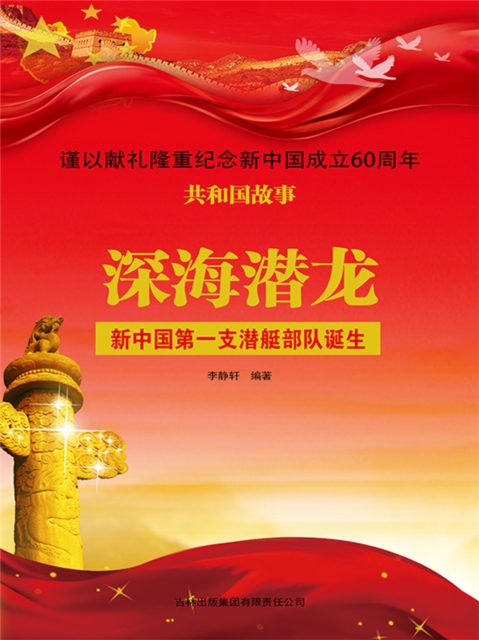
E-book
????????, ???? ?.
Price
0
4.49 £
E-book
????????, ???? ?.
0
0
Price
4.49 £
内容简介:《共和国故事:深海潜龙・新中国第一支潜艇部队诞生》:介绍了新中国第一支潜艇部队的组建背景、训练情况以及在国防建设中的重要作用,展现了中国海军在潜艇领域的发展和进步。作者简介:李静轩对共和国历史有着深入研究和了解,擅长以故事的形式讲述重大历史事件,使读者能够更加生动、形象地了解共和国的发展历程。这些书籍涵盖了政治、外交、体育、军事等多个领域,为读者呈现了一幅丰富多彩的共和国历史画卷。
Read more
E-book
????????, ???? ?.
Price
0
4.49 £
E-book
????????, ???? ?.
0
0
Price
4.49 £
Description:该书是一套大型书系中的一本,书系旨在全景展现中国文化,内容采取讲故事的方式叙述,语言通俗,明白晓畅,图文并茂,形象直观,古风古韵,格调高雅,具有很强的可读性、欣赏性、知识性和延伸性。通过介绍古蕴深厚的千秋建筑、巧夺天工的吉建杰作等多方面内容,充分显示了中华民族厚重的文化底蕴和强大的民族凝聚力。Author Biography:袁凤东是一位作家,编著过多部具有教育意义和文化价值的书籍。他编写了《共和国故事》系列丛书,如《加快步伐:中国进一步开放十四个沿海港口城市》《再次突破:国家新划一百四十个市县为沿海开放区》《重振雄风:振兴东北老工业基地计划启动》《互动发展:促进中部地区崛起战略正式实施》《西部崛起:西部大开发战略正式实施》等。
Read more
E-book
????????, ???? ?.
Price
0
4.49 £
E-book
????????, ???? ?.
0
0
Price
4.49 £
内容简介:《共和国故事:礼仪之师・中国人民解放军三军仪仗队成立》:阐述了三军仪仗队的成立背景、发展历程以及在国内外重大场合执行任务的情况,体现了其作为国家礼仪之师的重要地位和象征意义。作者简介:李静轩对共和国历史有着深入研究和了解,擅长以故事的形式讲述重大历史事件,使读者能够更加生动、形象地了解共和国的发展历程。这些书籍涵盖了政治、外交、体育、军事等多个领域,为读者呈现了一幅丰富多彩的共和国历史画卷。
Read more
E-book
????????, ???? ?.
Price
0
4.49 £
E-book
????????, ???? ?.
0
0
Price
4.49 £
内容简介:《共和国故事》是一部反映共和国60年伟大建设实践的大型历史故事丛书,它从多个视角,多个侧面来解读半个多世纪以来在中国共产党领导下中国在社会主义建设中所取得的伟大成就。全套丛书内容涵盖广泛,涉及政治、经济、思想文化、社会、军事、科技、教育、政策、外交、民生等方面。作者简介:李静轩参与编写了其中多册,该系列丛书是一部反映共和国 60 年伟大建设实践的大型历史故事丛书,涵盖政治、经济、思想文化、社会、军事、科技、教育、政策、外交、民生等方面,李静轩通过对不同历史事件的梳理与编写,为读者呈现了共和国发展的全影和脉络。
Read more
E-book
????????, ???? ?.
Price
0
4.49 £
E-book
????????, ???? ?.
0
0
Price
4.49 £
内容简介:本书主要讲述了抗美援朝战争时期,全国人民团结一致、积极动员起来,成为志愿军坚强后盾的历史过程。书中描绘了当时全国上下高涨的爱国热情,如广大青年踊跃参军,铁路工人、汽车司机、民工和医务工作者志愿到前线担负战地勤务工作等。同时展现了各行各业为抗美援朝所付出的努力作者简介:李奎是一位对新中国历史,尤其是上述涉及的历史事件有浓厚兴趣和深入了解的作者,能够通过自己的创作,将这些重要历史事件较为全面地呈现给读者,让人们更好地了解历史的全貌、背景、过程和意义,展现历史背后的精神力量和经验教训。
Read more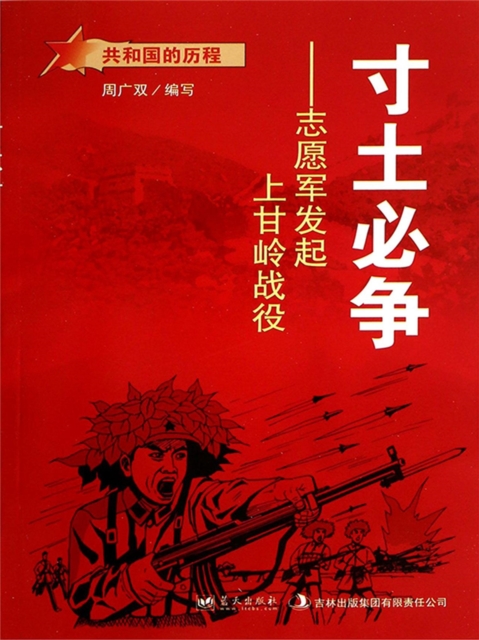
E-book
????????, ???? ?.
Price
0
4.49 £
E-book
????????, ???? ?.
0
0
Price
4.49 £
内容简介:《寸土必争・志愿军发起上甘岭战役》:详细记述了上甘岭战役的背景、过程和意义。书中展现了志愿军战士在极端恶劣的条件下,凭借顽强的意志和卓越的战术,与敌人进行激烈战斗,寸土不让,最终取得战役胜利的英勇事迹,凸显了志愿军的钢铁意志和伟大的抗美援朝精神。作者简介:周广双在写作上展现出了较强的能力,其作品情节跌宕起伏、扣人心弦,情节与文笔俱佳。在《共和国故事》系列中,他以丰富的史料、生动的叙述,展现了新中国成立以来的众多重大历史事件,如志愿军的战役、毛主席纪念堂建设等,让读者能够深入了解这段历史。
Read more
E-book
????????, ???? ?.
Price
0
4.49 £
E-book
????????, ???? ?.
0
0
Price
4.49 £
内容简介:《合肥统战纪事》坚持马克思主义唯物史观和正确党史观,以习近平新时代中国特色社会主义思想为指导,对合肥市统一战线工作的历史进程进行全面梳理和实事求是的记述。全书采用章、节、目的框架结构。全书共分四章,依据中国共产党百年奋斗历程的四个重要时期划分,即新民主主义时期、社会主义革命和建设时期、改革开放和社会主义现代化建设新时期、中国特色社会主义新时代;章节内容基本按时序安排,主要记述不同时期合肥地区统一战线的重要工作、重要事件及其影响,同时对党史中的一些背景资料作了适当铺垫,力求做到史论结合,以史为主,论从史出。作者简介:中共合肥市委统战部是市委主管统一战线工作的职能部门。以下是其详细介绍:主要职责组织贯彻执行党的统战工作方针政策,开展统一战线理论、政策调查研究,向市委反映全市统一战线情况,提出开展统战工作的意见和建议,监督、检查统战政策执行情况,协调统一战线各方面的关系。
Read more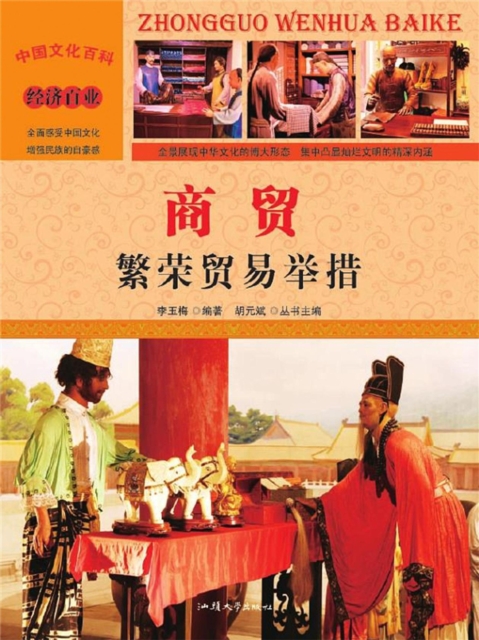
E-book
????????, ???? ?.
Price
0
4.49 £
E-book
????????, ???? ?.
0
0
Price
4.49 £
Description:该书主要介绍了中国历代的商业与市场经济,内容包括被尊为商圣的范蠡、儒商之鼻祖子贡、商人政治家吕不韦等古代著名商人;秦汉时期的商业活动与市场管理、魏晋南北朝的贸易往来、隋代对外贸易的发展、唐代繁荣的对外贸易等不同时期的商业发展状况;五代十国的商贸特点。Author Biography:李玉梅是一位创作领域较为广泛的作者。除了本书外,她还著有《货币:绝代通宝古币》《金融:丰富金融形态》《养殖:畜牧渔业并举》《税赋:富国兴邦基业》等图书,涵盖经济、文化、农业等多个领域。从这些作品可以看出,李玉梅对中国文化和相关行业知识有一定的研究和积累,能够通过文字生动地呈现相关内容,以彩图版的形式,从中华文化的角度出发,展现中国在各个领域的发展历程和丰富内涵。
Read more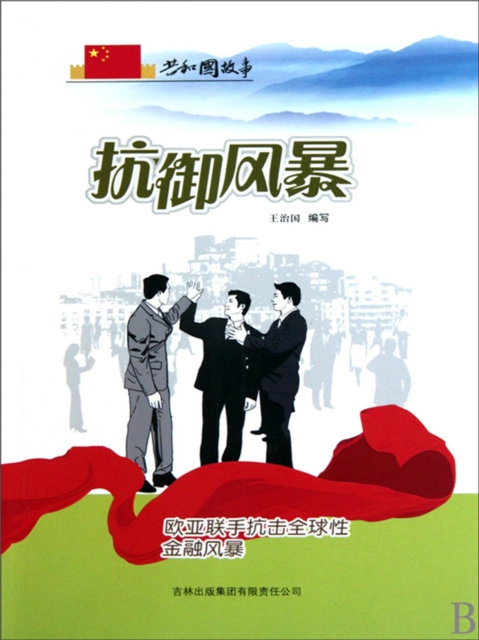
E-book
????????, ???? ?.
Price
0
4.49 £
E-book
????????, ???? ?.
0
0
Price
4.49 £
内容简介:主要聚焦于全球性金融风暴下,中国与欧亚各国携手合作应对危机的过程。书中分析了金融风暴的起因、传播路径以及对全球经济的严重冲击,详细描述了各国采取的应对措施以及相互之间的协作,展现了在经济全球化背景下,国际社会共同抵御风险、维护经济稳定的决心和行动。作者简介:王治国对历史有着浓厚兴趣和深入研究的学者、作家。王治国在创作这些书籍时,想必进行了大量的资料收集和整理工作,通过生动的叙述和详细的描写,将共和国历史上的重要事件和发展历程呈现给读者,让人们能够更好地了解和铭记历史,从中汲取经验和力量。
Read more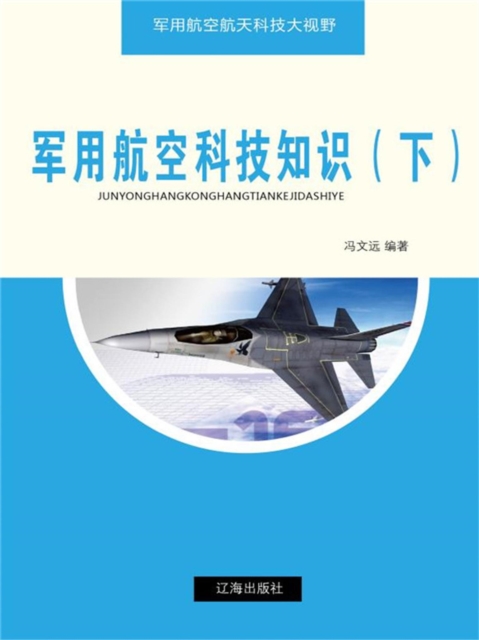
E-book
????????, ???? ?.
Price
0
4.49 £
E-book
????????, ???? ?.
0
0
Price
4.49 £
内容简介:这两本书属于航空航天科技类科普读物,系统地介绍了军用航空领域的相关知识。内容可能涵盖军用飞机的发展历程、不同类型军用飞机的特点与性能,如战斗机、轰炸机、运输机等的研制背景、技术参数、作战用途等,还可能涉及军用航空的飞行原理、航空材料、航空电子设备以及军用航空在现代战争中的地位与作用等方面,具有较强的知识性和系统性,能帮助青少年读者了解军用航空科技的奥秘和发展趋势。作者简介:冯文远编写了多本面向青少年的科普书籍,如 "军用航空航天科技大视野""青少年必知的舰艇航母科技""青少年大开眼界的军事枪械科技""青少年高度关注的导弹武器科技""青少年高度关注的前沿武器科技" 等系列图书。这些作品涵盖了军事领域的多个方面,包括航空、舰艇、枪械、导弹、侦察武器等,内容系统全面,具有较强的知识性和科普性,能够将复杂的军事科技知识以通俗易懂的方式呈现给青少年读者,帮助他们了解军事科技的奥秘和发展趋势,培养对军事科技的兴趣。
Read more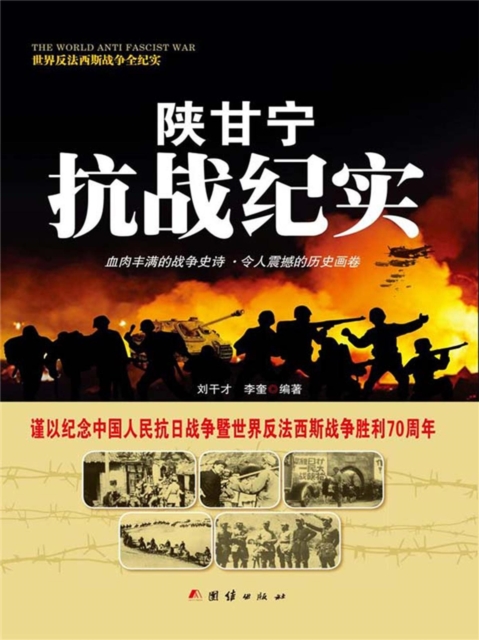
E-book
????????, ???? ?.
Price
0
4.49 £
E-book
????????, ???? ?.
0
0
Price
4.49 £
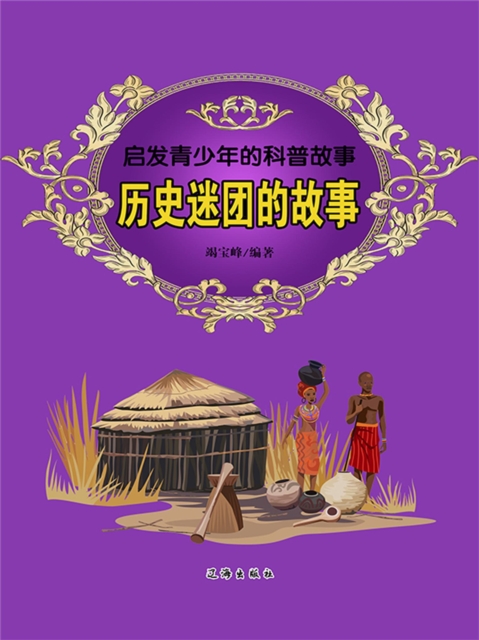
内容简介:《历史谜团的故事》:可能选取了历史上众多悬而未决的谜团进行讲述,比如一些神秘的历史事件、人物的离奇失踪或死亡、古代文明的神秘现象等。通过对这些谜团的剖析,带领读者穿越时空,探索历史的神秘面纱,激发读者对历史的好奇心和探索欲,让读者在了解历史的同时,感受到历史的复杂性和神秘性。作者简介:竭宝峰,男,汉族,1976 年 5 月生,吉林前郭人,大学本科学历,学士学位,助理研究员。以下是对他的具体介绍:职业成就:担任吉林省方志馆馆长,17 年馆长生涯中,策划组织编纂出版《伪满洲国殖民统治机构图志》《长白山民俗丛书》《吉林工业史鉴》等 90 余部书志,填补诸多领域空白。
Read more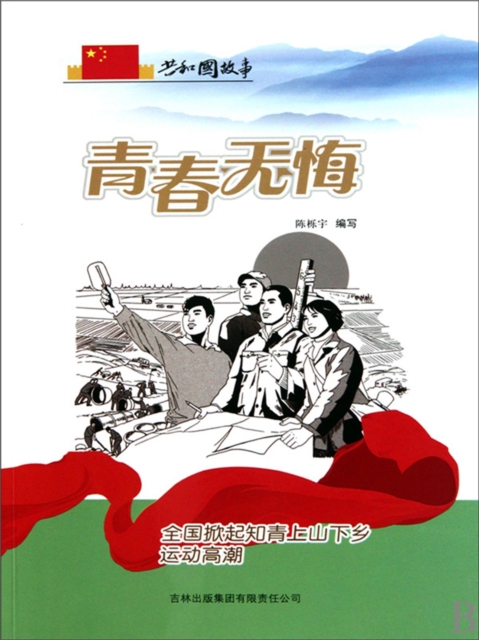
E-book
????????, ???? ?.
Price
0
4.49 £
E-book
????????, ???? ?.
0
0
Price
4.49 £
内容简介:《青春无悔・全国掀起知青上山下乡运动高潮》:主要讲述全国掀起知青上山下乡运动高潮的历史背景、发展过程和影响。介绍了知青上山下乡运动的政策推动、大规模的人员下乡情况,以及知青们在农村和边疆的生活、劳动经历,他们在艰苦环境中的锻炼和成长,以及这一运动对中国社会、文化和经济等方面产生的深远影响。作者简介:陈栎宇在党史、新中国史等方面有一定研究和积累,从而能够承担起撰写 "共和国故事" 系列中相关分册的任务,为读者呈现出精彩的历史故事和深刻的历史内涵。
Read more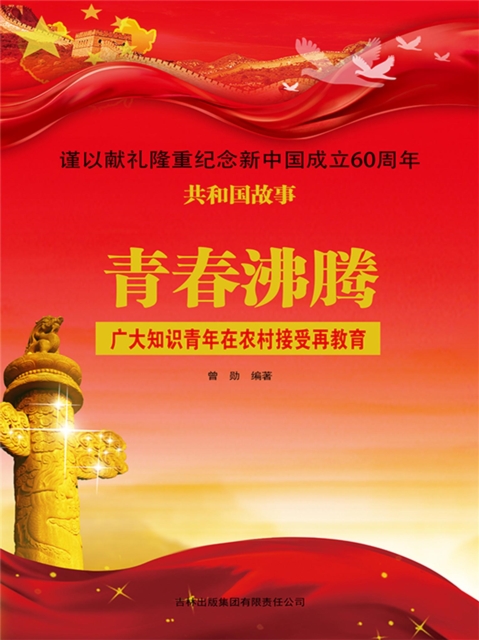
E-book
????????, ???? ?.
Price
0
4.49 £
E-book
????????, ???? ?.
0
0
Price
4.49 £
内容简介:《青春沸腾・广大知识青年在农村接受再教育》:反映了知识青年上山下乡运动的历史背景、具体实践以及对广大知识青年和农村地区产生的深远影响。书中展现了知识青年在农村艰苦环境中的生活、劳动和思想转变,以及他们为农村建设所做出的贡献,同时也反映了这一运动在特定历史时期对中国社会发展的多方面影响。作者简介:曾勋是一位职业作家,1986 年生于四川内江,毕业于中国矿业大学中文系。16 岁开始发表文章,著有《紫土笔记》《思想是我的盐》《孔庆东现象批判》等作品,还与三农学者爱新觉罗・蔚然合著《另一个世界:不能忘却的苦难札记》,曾获《文学报▪新批评》优秀评论新人奖。
Read more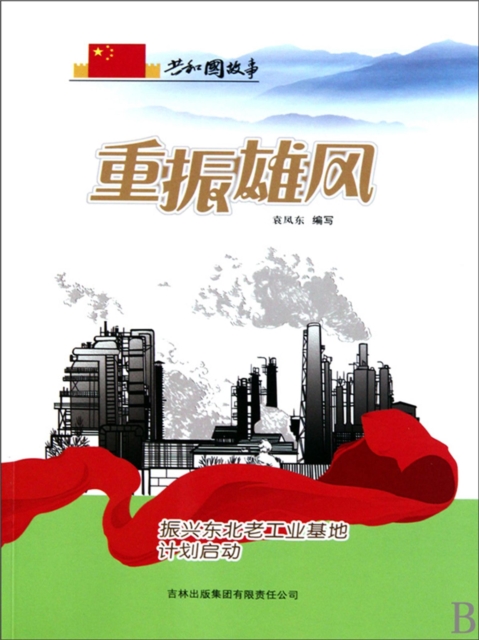
E-book
????????, ???? ?.
Price
0
4.49 £
E-book
????????, ???? ?.
0
0
Price
4.49 £
内容简介:主要讲述了振兴东北老工业基地计划的出台背景、具体内容和实施情况。分析了东北老工业基地在历史上的重要地位以及面临的困境,介绍了通过产业结构调整、国有企业改革、科技创新等措施,推动东北老工业基地实现经济复苏和振兴的过程,展现了东北老工业基地在新时代焕发出的新活力。作者简介:袁凤东是一位关注中国近现代历史和社会发展的作者。他致力于通过 "共和国故事" 系列丛书等作品,以生动的文字和丰富的史料,展现共和国成立以来各个重要历史阶段的重大事件和发展成就。他对历史事件的研究较为深入,能够准确把握事件的脉络和意义,并以通俗易懂的方式呈现给读者,使读者能够更好地了解共和国的发展历程,增强对国家和民族的认同感与自豪感。
Read more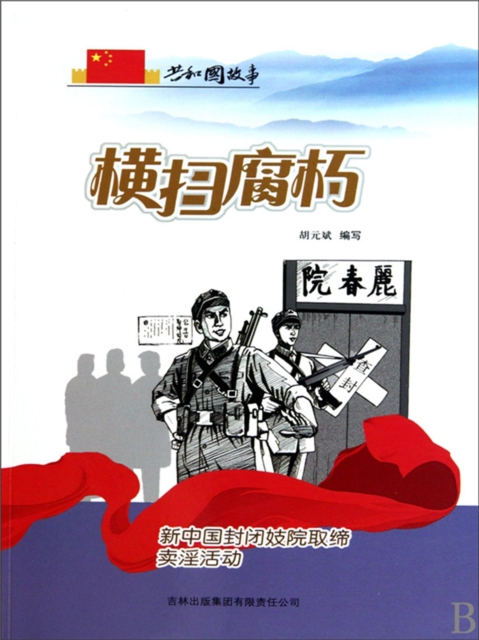
E-book
????????, ???? ?.
Price
0
4.49 £
E-book
????????, ???? ?.
0
0
Price
4.49 £
内容简介:本书主要讲述了新中国成立后封闭妓院、取缔卖淫活动的历史事件。内容包括北京、上海等城市的具体行动,如北京人代会通过封闭妓院决议,公安部展开紧急抓捕行动,组建改造妓女领导班子,对妓女进行感化式教育、医治疾病等;上海的禁娼前准备工作、筹建劳动教养所、各界通过禁娼决议等作者简介:胡元斌,男,1963 年 1 月出生,湖北省房县人,研究生学历。现为北京《学习园地》杂志编审。1983 年开始发表文学作品。他编辑出版了众多作品,内容涵盖人物传记、历史故事、文化知识、启蒙教育等多个领域。如编著有《华盛顿:描写华盛顿传奇的一生》《家庭是远航的归宿》,以及 "传统启蒙教育新讲" 系列丛书等。还著有《游艺:快乐趣味游艺》《体育:古老体育项目》《为了前线:全国蓬勃开展爱国增产节约运动》等作品,其作品可谓是本本精品,情节跌宕起伏、扣人心弦,情节与文笔俱佳。
Read more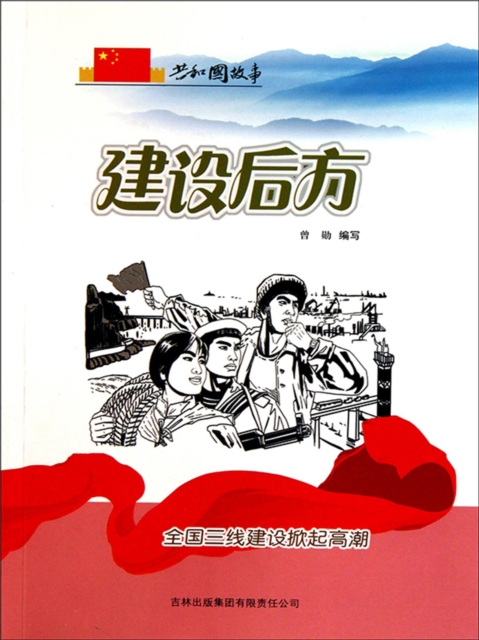
E-book
????????, ???? ?.
Price
0
4.49 £
E-book
????????, ???? ?.
0
0
Price
4.49 £
内容简介:《建设后方・全国三线建设掀起高潮》:介绍了三线建设的背景、决策过程以及建设高潮时期的具体情况,包括大规模的基础设施建设、工业布局调整、人才培养等方面。展现了全国上下为了建设后方战略基地,在艰苦条件下所付出的努力和取得的巨大成就,反映了那个特殊历史时期的国家战略和人民的奉献精神。作者简介:曾勋是一位职业作家,1986 年生于四川内江,毕业于中国矿业大学中文系。16 岁开始发表文章,著有《紫土笔记》《思想是我的盐》《孔庆东现象批判》等作品,还与三农学者爱新觉罗・蔚然合著《另一个世界:不能忘却的苦难札记》,曾获《文学报▪新批评》优秀评论新人奖。
Read more
E-book
????????, ???? ?.
Price
0
4.49 £
E-book
????????, ???? ?.
0
0
Price
4.49 £
内容简介:汉尼拔是古代迦太基杰出的军事家、政治家。他统帅迦太基军队,与古罗马共和国进行了第二次布匿战争。虽然最终迦太基人战败了,但是汉尼拔和他的部队翻越阿尔卑斯山、数次重创罗马军队的战役却永载史册,成为后世了解古代战争的经典案例。作者简介:雅各布・阿伯特(Jacob Abbott,1803 年 11 月 14 日 - 1879 年 10 月 31 日)是美国一位杰出的教育家和作家。他出生于缅因州的哈洛韦尔。1820 年毕业于鲍登学院,之后在安多弗神学院学习,并于 1826 年获得传教许可。1825 年至 1829 年,他担任阿默斯特学院的数学和自然哲学教授。1829 年,他在波士顿创办了弗农山女子学校,并在 1829 年至 1833 年担任校长。
Read more
E-book
????????, ???? ?.
Price
0
4.49 £
E-book
????????, ???? ?.
0
0
Price
4.49 £
内容简介:《人民力量・武汉人民战胜特大洪水》:讲述武汉人民在面对特大洪水时,团结一心、众志成城,与洪水进行顽强斗争的过程,包括抗洪抢险的具体行动、军民协作的感人场景以及战胜洪水所取得的宝贵经验,体现了人民群众在自然灾害面前的强大力量和不屈精神。作者简介:张学亮对共和国历史上的诸多重大事件有着深入的研究和了解,能够以生动的笔触、详实的资料,将这些历史事件呈现在读者面前,让读者更好地了解共和国的发展历程,具有较强的历史研究和写作能力。他编写的《共和国故事》系列丛书,为普及共和国历史知识、传承红色文化做出了一定的贡献。
Read more
E-book
????????, ???? ?.
Price
0
4.49 £
E-book
????????, ???? ?.
0
0
Price
4.49 £
Description:王龙、文海模的 "未解世界的真相" 系列,聚焦自然、宇宙等领域的神秘现象。《大自然有多大》探讨自然尺度的奥秘;《环绕地球看风光》展现地球名胜背后的故事;《奇妙的科学世界》揭示科学领域的奇妙未知;《听花听草说什么》探索植物世界的秘密;《外太空去遨游》《宇宙到底有些啥》着眼宇宙,包含太空旅行、天体构成等内容;《迎接外星人造访》研究外星文明相关谜题。
Read more
E-book
????????, ???? ?.
Price
0
4.49 £
E-book
????????, ???? ?.
0
0
Price
4.49 £
内容简介:本书围绕反分裂国家法的制定和通过展开。阐述了台湾问题的历史由来和现状,以及 "台独" 势力的分裂行径对国家主权和领土完整构成的严重威胁。介绍了全国人大制定反分裂国家法的背景、过程和重要意义,该法为反对和遏制 "台独" 分裂势力、维护台海和平稳定、促进两岸关系和平发展提供了法律保障。作者简介:李琼致力于共和国历史事件和发展历程的记录与呈现,通过 "共和国故事" 系列丛书,以丰富的史料、生动的叙述,将共和国发展过程中的重大事件、重要人物等多方面内容展现给读者,具有一定的历史普及和教育意义,有助于读者更好地了解共和国的发展脉络和取得的辉煌成就。
Read more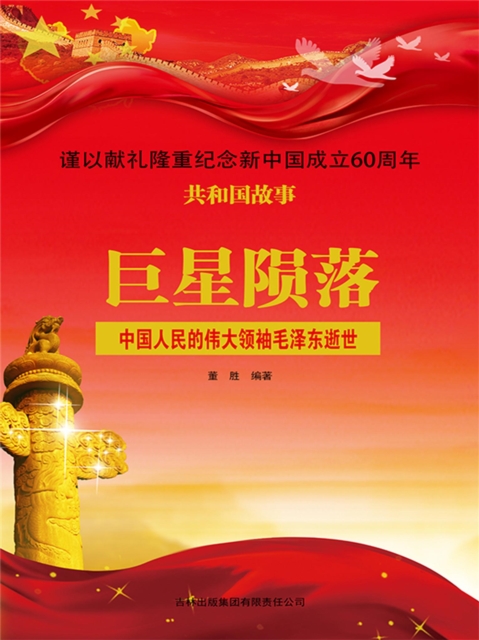
E-book
????????, ???? ?.
Price
0
4.49 £
E-book
????????, ???? ?.
0
0
Price
4.49 £
内容简介:《巨星陨落・中国人民的伟大领袖毛泽东逝世》:记录了毛泽东逝世这一重大历史事件,以及全国人民对领袖的沉痛悼念。书中回顾了毛泽东的丰功伟绩,他带领中国人民经过长期的革命斗争,赢得民族独立和人民解放,创建了新中国,并对社会主义建设进行了积极探索,他的逝世是中国人民的巨大损失。作者简介:董胜是《共和国故事》系列图书的作者之一,通过这些作品,以生动的文字和丰富的史料,展现了新中国成立以来众多重要的历史事件和发展历程,让读者能够深入了解共和国的成长与变迁。他在创作中注重历史细节的挖掘和呈现,使读者能够感受到历史的真实与厚重。
Read more
E-book
Price
0
14.99 £
E-book
0
0
Price
14.99 £
Imaginez une theorie audacieuse reliant l'Atlantide de Platon a une lointaine civilisation au-dela des Colonnes d'Hercule.
Read more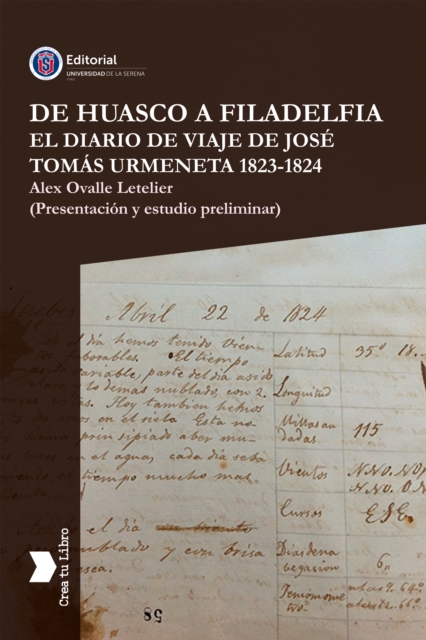
E-book
Price
0
5.49 £
E-book
0
0
Price
5.49 £
Documento conmemorativo del bicentenario que rescata la bitacora de viaje escrita por Jose Tomas Urmeneta a los 15 anos, durante su travesia desde Huasco hasta Filadelfia a bordo del bergantin Mapocho, entre 1823 y 1824.
Read more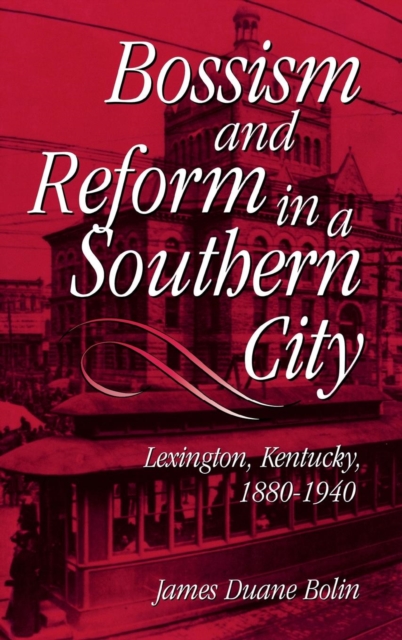
E-book
Price
0
30.00 £
E-book
0
0
Price
30.00 £
William Frederick "Billy" Klair (1875-1937) was the undisputed czar of Lexington, Kentucky, for decades.
Read more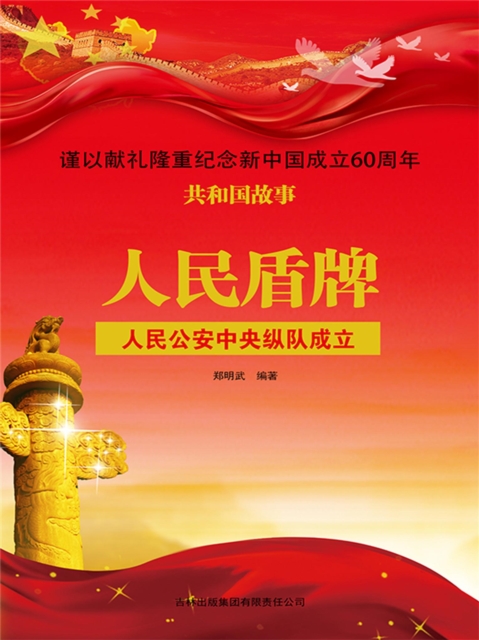
E-book
????????, ???? ?.
Price
0
4.49 £
E-book
????????, ???? ?.
0
0
Price
4.49 £
内容简介:《共和国故事:人民盾牌・人民公安中央纵队成立》:讲述了人民公安中央纵队成立的背景、过程以及其在维护社会治安、保卫党中央和国家重要机关安全等方面所承担的重要任务和发挥的重要作用,体现了人民公安部队在新中国成立初期为巩固政权、保障人民安全所做出的贡献。作者简介:郑明武是一位安徽利辛的新锐青年作家,笔名郑丹石,主要关注中国近现代政治、军事史,著作颇丰。其作品以幽默、流畅的语言风格,独特、深邃的见解引发关注。除了 "共和国故事" 系列,还著有《捍卫蒋介石的敢死卫队》《葬送在蒋介石手下的特种部队》《共和国铁拳内卫》等作品。
Read more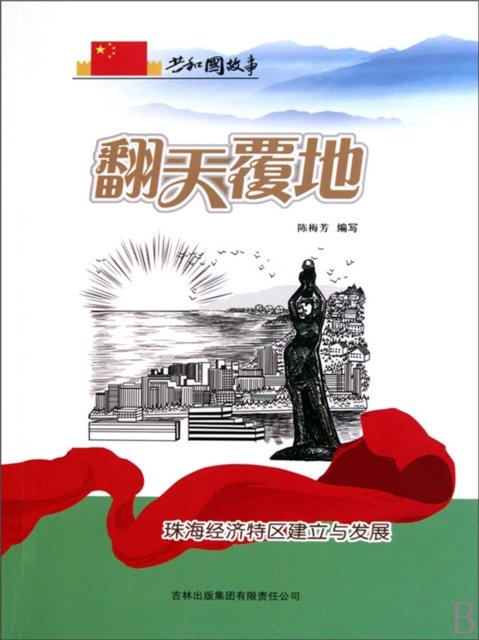
E-book
????????, ???? ?.
Price
0
4.49 £
E-book
????????, ???? ?.
0
0
Price
4.49 £
内容简介:这套丛书是一部书写红色记忆的读物,对于了解共和国的历史、中国共产党的英明领导和中国人民的伟大实践不可或缺。同时,它也是一套普及性读物,既针对重点阅读人群,也适宜在全民中推广,适合装备中小学图书馆、农家书屋、社区书屋、机关及企事业单位职工图书室、连队图书室等。作者简介:陈梅芳是《翻天覆地:珠海经济特区建立与发展》一书的作者
Read more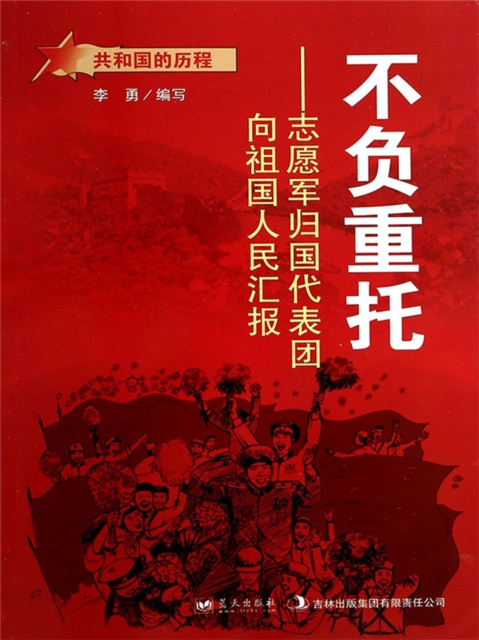
E-book
????????, ???? ?.
Price
0
4.49 £
E-book
????????, ???? ?.
0
0
Price
4.49 £
内容简介:属于《共和国故事》系列图书,由李勇编写。主要讲述了 1952 年 1 月 18 日中国人民志愿军归国代表团和朝鲜人民访华代表团抵达北京后,受到国家相关领导和社会各界热烈欢迎的故事。志愿军归国代表团先后在国内作巡回报告多次,广泛宣传志愿军的英雄事迹,也多次受到党和国家领导人的亲切接见。作者简介:是在相关法律领域有专业知识和研究的人士。有可能是法律学者、专家,或是从事相关法律实务工作,如在土地管理部门、扶贫工作机构、金融监管部门等工作的专业人员,熟悉相关领域的法律法规和政策措施,为了满足实际工作需要或普及法律知识而编写这些书籍。
Read more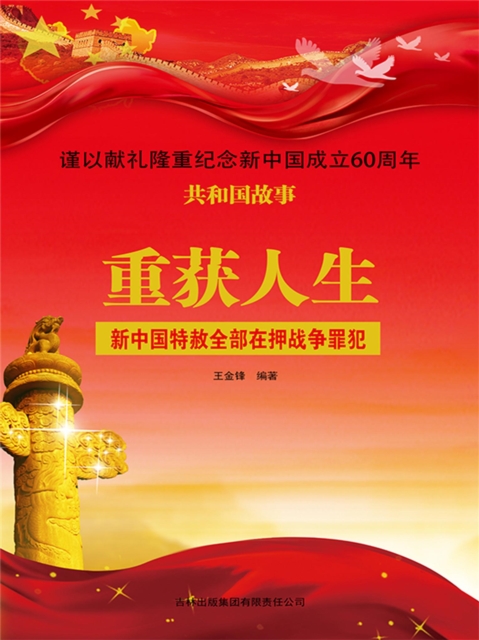
E-book
????????, ???? ?.
Price
0
4.49 £
E-book
????????, ???? ?.
0
0
Price
4.49 £
内容简介:记述了新中国特赦全部在押战争罪犯这一历史事件,包括特赦的背景、政策依据和实施过程,体现了中国共产党的人道主义精神和对历史问题的妥善处理,对于促进两岸关系缓和与祖国统一大业具有积极意义。作者简介:王金锋在动物植物保护法律法规领域有一定研究和专业知识的人士,致力于通过编写此类读本,向读者普及相关法律法规知识,提高人们对动植物保护法律的认识和理解,增强保护动植物的法律意识。
Read more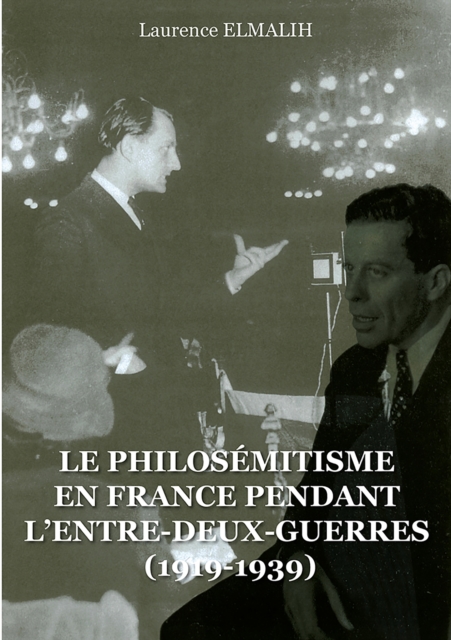
E-book
Price
0
5.99 £
E-book
0
0
Price
5.99 £
1919, debut d'une nouvelle etape dans les relations judeo-chretiennes qui va se prolonger jusqu'a la seconde guerre mondiale et au-dela.
Read more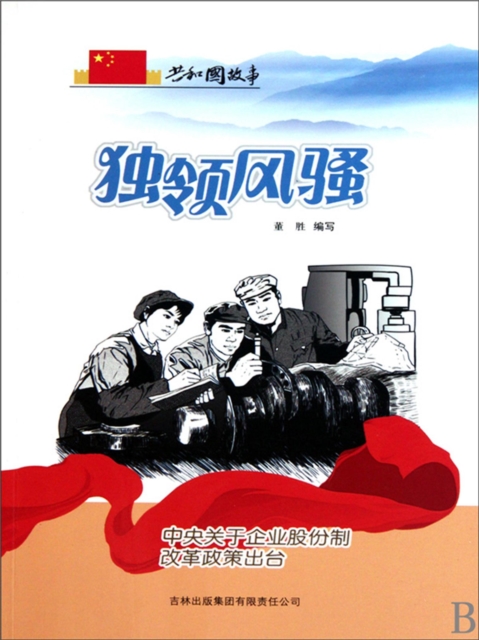
E-book
????????, ???? ?.
Price
0
4.49 £
E-book
????????, ???? ?.
0
0
Price
4.49 £
内容简介:《独领风骚・中央关于企业股份制改革政策出台》:介绍了企业股份制改革政策出台的背景、决策过程以及对中国经济体制改革的深远影响。书中探讨了股份制改革如何推动企业适应市场经济的要求,提高企业的竞争力和活力,是中国经济体制改革进程中的一个重要里程碑。作者简介:董胜是《共和国故事》系列图书的作者之一,通过这些作品,以生动的文字和丰富的史料,展现了新中国成立以来众多重要的历史事件和发展历程,让读者能够深入了解共和国的成长与变迁。他在创作中注重历史细节的挖掘和呈现,使读者能够感受到历史的真实与厚重。
Read more
E-book
????????, ???? ?.
Price
0
4.49 £
E-book
????????, ???? ?.
0
0
Price
4.49 £
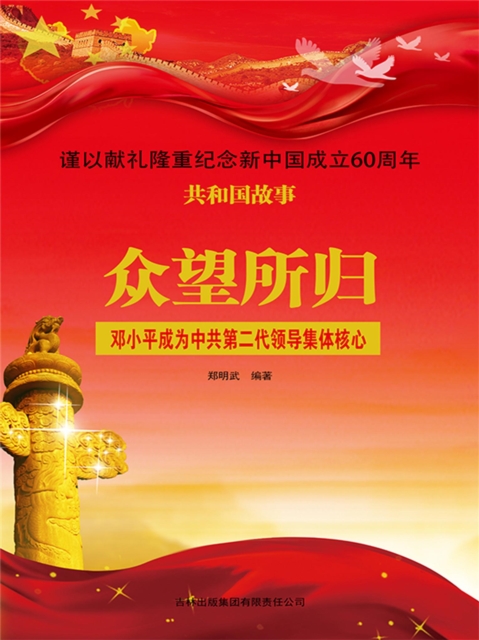
内容简介:《共和国故事:众望所归・邓小平成为中共第二代领导集体核心》:记述了邓小平成为中共第二代领导集体核心的历史过程,包括党的十一届三中全会的召开、邓小平在改革开放初期的重要决策和领导作用,以及他对中国特色社会主义事业发展的深远影响,展现了中国共产党在历史转折时期的正确选择和发展方向。作者简介:郑明武是一位安徽利辛的新锐青年作家,笔名郑丹石,主要关注中国近现代政治、军事史,著作颇丰。其作品以幽默、流畅的语言风格,独特、深邃的见解引发关注。除了 "共和国故事" 系列,还著有《捍卫蒋介石的敢死卫队》《葬送在蒋介石手下的特种部队》《共和国铁拳内卫》等作品。
Read more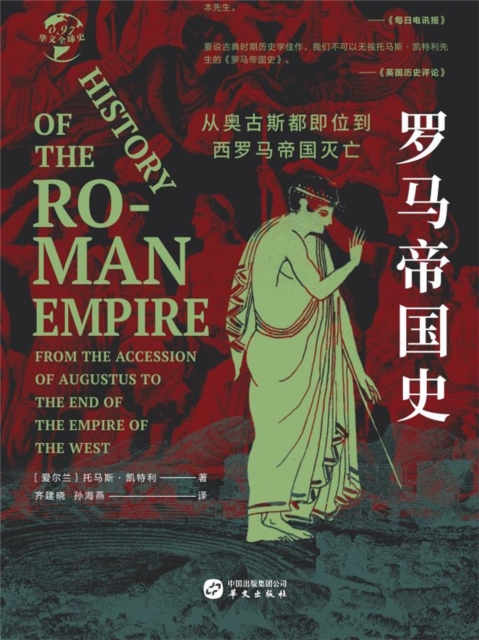
E-book
????????, ???? ?.
Price
0
4.49 £
E-book
????????, ???? ?.
0
0
Price
4.49 £
内容简介:本书与爱德华•吉本的《罗马帝国衰亡史》齐名,都是公认的古典时期的学术佳作,多层次、宽角度、有条理地讲述了公元前29的奥古斯都成为罗马帝国的"元首"到公元476年西罗马帝国在蛮族的入侵下灭亡的505年的历史,以深刻的思想总结了罗马帝国历代王朝的兴衰的经验与教训。作者简介:托马斯・凯特利(1789—1872)是爱尔兰著名的历史学家、民俗学家和神话学家。他著有诸多历史作品,如《历史纲要》《希腊独立战争史》《希腊史》《罗马史》《罗马帝国史》等。其中,《罗马帝国史:从奥古斯都即位到西罗马帝国灭亡》是其代表作之一,与爱德华・吉本的《罗马帝国衰亡史》齐名,是公认的古典时期的学术佳作。
Read more