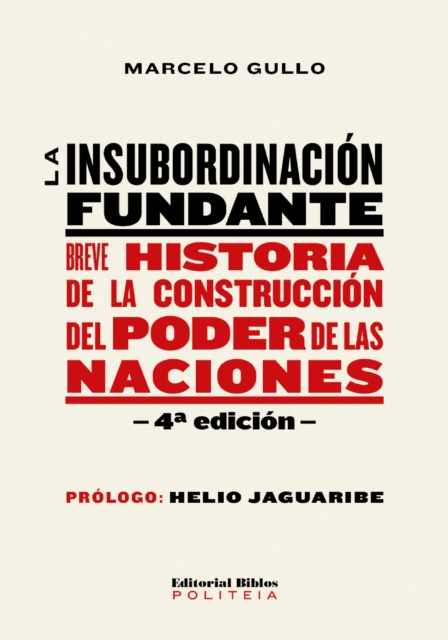
"Creo que habría que destacar de este magnífico libro tres aspectos principales: su relevante sistema de categorías analíticas, su amplia información histórica y su tesis central de que todos los procesos emancipatorios exitosos resultaron de la conveniente conjugación de una actitud de insubordinación ideológica para con el pensamiento dominante y de un eficaz impulso estatal.
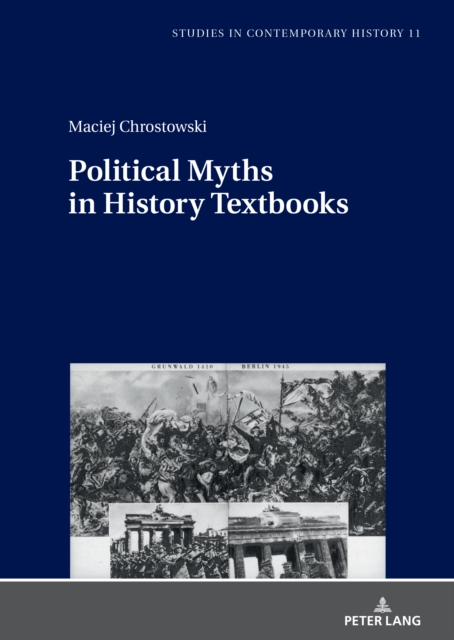
This book compares the school image of the wartime past of the Falange and the Polish Workers’ Party (PPR), created during the turbulent first decade of Francoism in Spain and Communism in Poland.
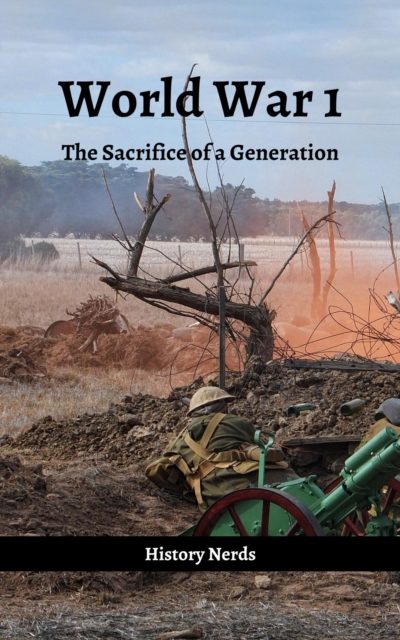
World War I is a sweeping and immersive account of the global conflict known as the Great War and the First World War, a catastrophe that engulfed Europe and much of the world from 1914 to 1918.
In "e;The Enigma of Oppenheimer: Unraveling the Mind Behind the Atomic Age,"e; acclaimed author Vandi Enzor takes readers on an immersive journey into the extraordinary life of J.
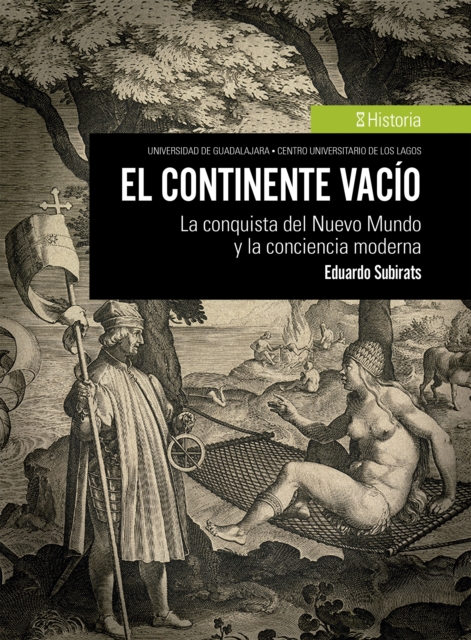
El continente vacío es un análisis del colonialismo como aparato híbrido, a la vez que teológico, militar e industrial, de destrucción de cultura y eliminación de los pueblos, especies y ecosistemas.
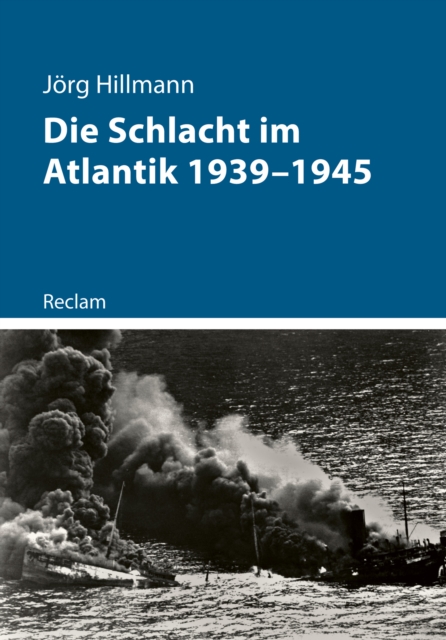
Der Zweite Weltkrieg auf hoher SeeIm Zweiten Weltkrieg führte die deutsche Kriegsmarine einen intensiven Seekrieg, hauptsächlich mit U-Booten, um die Seewege der Alliierten im Atlantik zu stören.
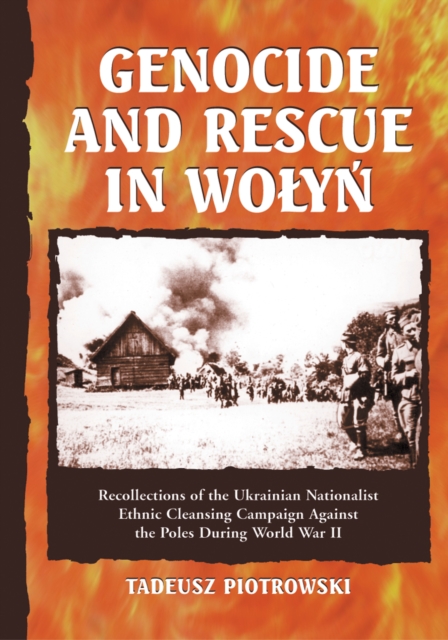
After the 1939 Soviet and 1941 Nazi invasions, the people of Southeast Poland underwent a third and even more terrible ordeal when they were subjected to mass genocide by the Ukrainian Nationalists.
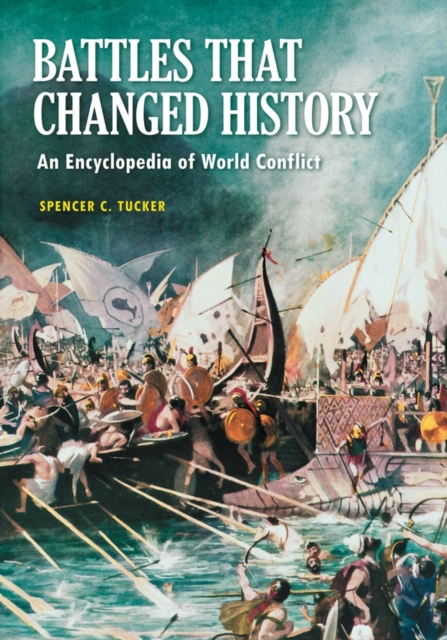
This encyclopedic collection of more than 200 of the most decisive and important battles throughout world history gets a fresh interpretation by a noted military historian.
Based on theatrical research of unusual depth and enterprise, Theatre as a Weapon (1986) shows how the workers' theatre of the 1920s and 1930s transformed the social function of theatre.
This book explores the establishment and development of a multi-ethnic frontier society on the Habsburg-Ottoman border, in the historic region of the Banat (today divided between Romania, Serbia, and Hungary).
This book explores the establishment and development of a multi-ethnic frontier society on the Habsburg-Ottoman border, in the historic region of the Banat (today divided between Romania, Serbia, and Hungary).
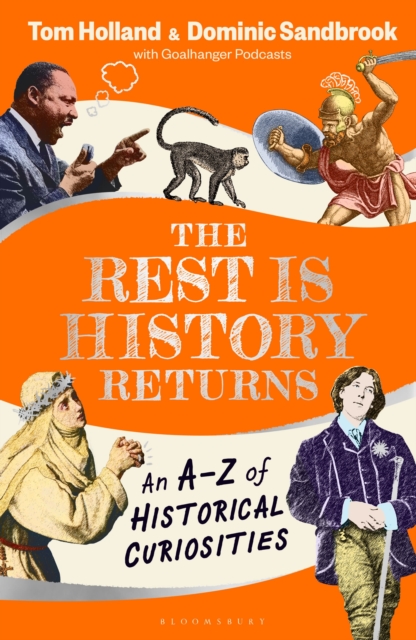
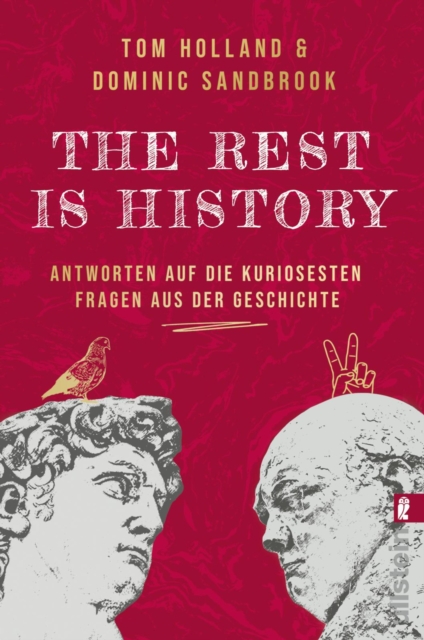
Die bekannten und beliebten Historiker Tom Holland und Dominic Sandbrook nehmen uns mit auf einen faszinierend-unterhaltsamen Streifzug durch die Vergangenheit.
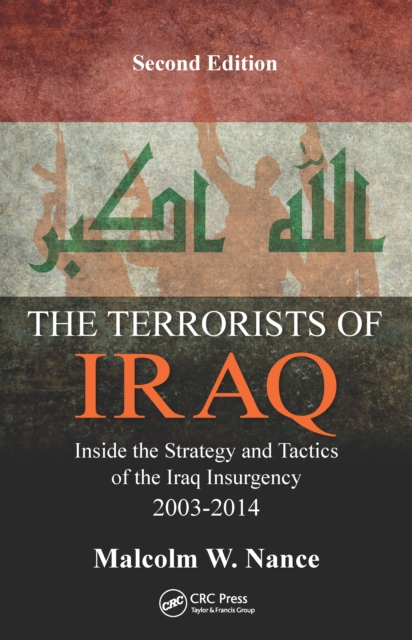
The Terrorists of Iraq: Inside the Strategy and Tactics of the Iraq Insurgency 2003-2014, Second Edition is a highly detailed and exhaustive history and analysis of terror groups that both formed the Iraq insurgency and led to the rise of the Islamic State of Iraq and Syria (ISIS).