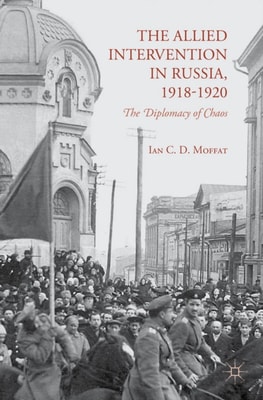
This work explores the reasons for the Allied intervention into Russia at the end of the Great War and examines the military, diplomatic and political chaos that resulted in the failure of the Allies and White Russians to defeat the Bolshevik Revolution.
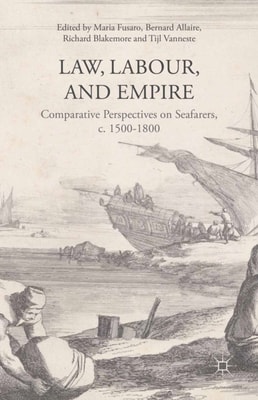
Seafarers were the first workers to inhabit a truly international labour market, a sector of industry which, throughout the early modern period, drove European economic and imperial expansion, technological and scientific development, and cultural and material exchanges around the world.
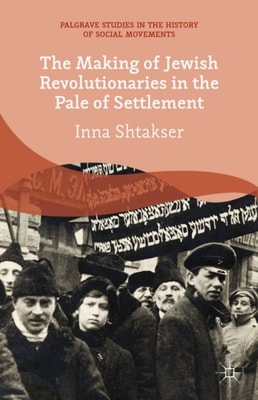
This book examines the emotional aspects of revolutionary experience during a critical turning point in both Russian and Jewish history - the 1905 revolution.
This book examines the little studied story of Bellinghausen, and includes the fullest biography of the celebrated Russian explorer ever published, and with thoughtful discussion of the achievements and limitations of the expedition and suggestions for further research.
This study treats the Victorian Antipodes as a compelling site of romance and satire for middle-class writers who went to New Zealand between 1840 and 1872.
Exploring the experiences of early to mid-twentieth century British theatre-makers in Russia, this book imagines how these travellers interpreted Russian realism, symbolism, constructivism, agitprop, pageantry, dance or cinema.
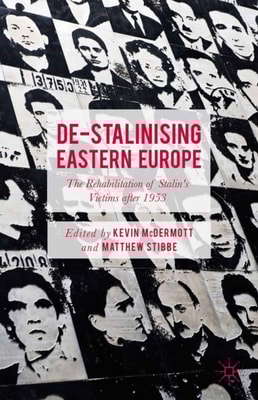
This unique volume examines how and to what extent former victims of Stalinist terror from across the Soviet Union and Eastern Europe were received, reintegrated and rehabilitated following the mass releases from prisons and labour camps which came in the wake of Stalin's death in 1953 and Khrushchev's reforms in the subsequent decade.
Based on extensive research in formerly secret archives, this volume examines the progress of Soviet industrialisation against the background of the rising threat of aggression from Germany, Japan and Italy, and the consolidation of Stalin's power.
This book concludes The Industrialisation of Soviet Russia, an authoritative account of the Soviet Union's industrial transformation between 1929 and 1939.
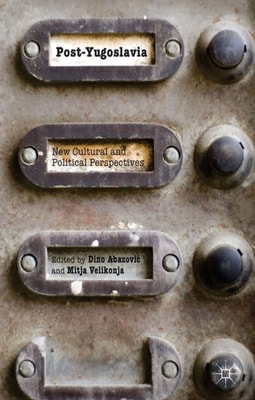
This interdisciplinary examination of present-day identities and histories of the former Yugoslavia explores relationships with the social, political, cultural and historical 'facts and fictions' that have marked the different parts of the region.
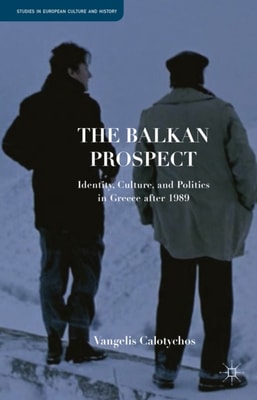
Following the fall of the Soviet Union in 1989, the borders hitherto separating Greek culture and society from its contiguous Balkan polities came down, and Greeks had to reorient themselves toward their immediate neighbors and redefine their place within Europe and the new, more fluid global order.
It is the aim of this volume to investigate how academic practices of Memory Studies are being applied, adapted, and transformed in the countries of East-Central Europe and the former Soviet Union.
This book investigates Russia's transformation into a European Power by way of the activities of the tsarist translator and official Andrei Vinius, who became an important advisor to Peter the Great.
Sexual Revolutions explores the sexual revolution of the late twentieth century in several European countries and the USA by engaging with themes from sexual freedom and abortion to pornography and sexual variation.
One of the central challenges facing Macedonia, along with other Yugoslav successor states, is to develop civic values and to combat such uncivic values as ethnic intolerance, religious bigotry, and homophobia.
This book applies a systems and risk perspective on international energy relations, author Per Hogselius investigates how and why governments, businesses, engineers and other actors sought to promote - and oppose- the establishment of an extensive East-West natural gas regime that seemed to overthrow the fundamental logic of the Cold War.
This interdisciplinary collection explores what mobility meant, and still means, in the specific contexts of Soviet and East European socialist and post-socialist societies.
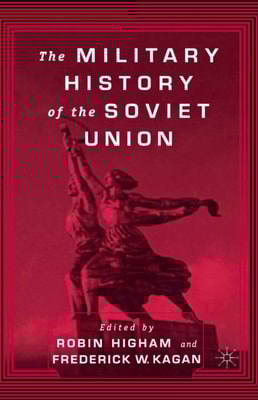
The Military History of the Soviet Union and The Military History of Tsarist Russia treat Russian military history from the rise of the Muscovite state to the present, even peeking briefly into the future.
This revised and expanded edition traces the lives of key American civil rights leaders as they willingly risk their lives for the civil rights cause, including A.
The Ukraine's emergence as an independent state in 1991 was not accompanied by violence, it may be argued, due to the weak national consciousness of most of its citizens.
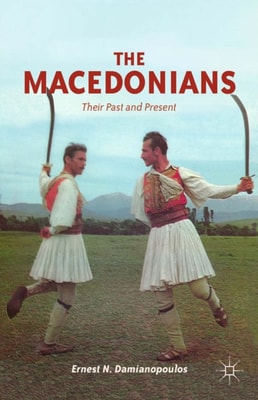
Overturning the 20th century's prevalent view of the Macedonians, Damianopoulos uses three domains of evidence - historical documentation, cognitive self-descriptor reports, and sociocultural features - to demonstrate that the Macedonians are a unique, non-Slav, non-Greek, ethnic identity.
Australia is rarely considered to have been a part of the great political changes that swept the world in the 1960s: the struggles of the American civil rights movement, student revolts in Europe, guerrilla struggles across the Third World and demands for women's and gay liberation.