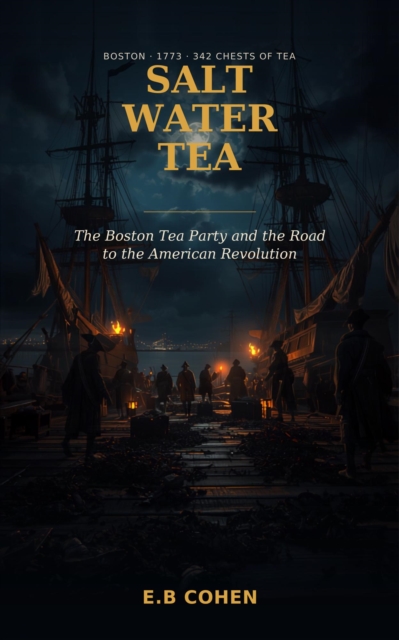
On the night of the sixteenth of December, 1773, after the largest town meeting Boston had ever seen broke up in the winter dark, a body of men with soot-blackened faces marched to Griffin's Wharf, boarded three merchant ships, and in three orderly hours threw three hundred and forty-two chests of the East India Company's tea into the harbor.
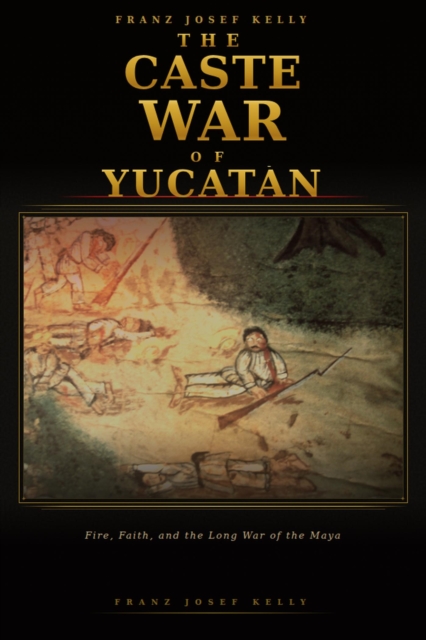
In July 1847, a Maya community in the eastern Yucatán Peninsula rose against the criollo state that had enclosed their land, taxed their ceremonies, and conscripted their men into other people's wars.
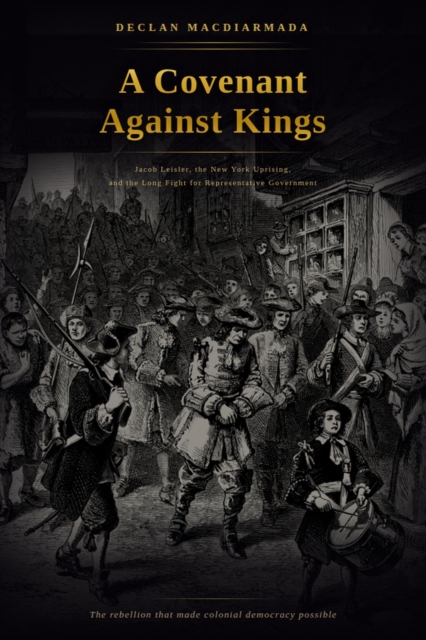
In the spring of 1689, a German-born wine merchant named Jacob Leisler seized control of a crumbling fort at the tip of Manhattan and held it for nearly two years in the name of the Protestant monarchs William and Mary.
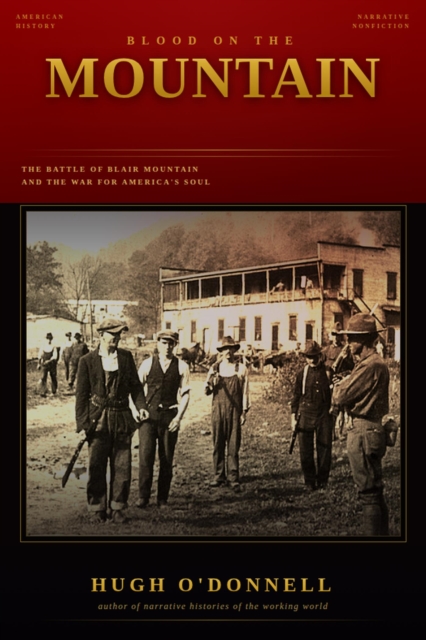
In August 1921, ten thousand armed coal miners marched south through the West Virginia mountains toward Blair Mountain, carrying Springfield rifles and wearing red bandanas at their throats.
In the Shadow of the Electric Chair: The Last Hours and Final Words Under the Voltage of DeathImmerse yourself in a poignant and profoundly human account of the history of the death penalty in the United States.
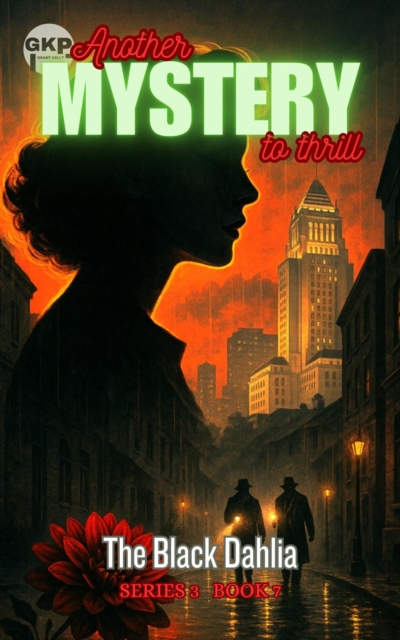
The Black Dahlia delves into the chilling murder of Elizabeth Short, the aspiring actress whose brutal death shocked 1940s Los Angeles and continues to haunt the world today.
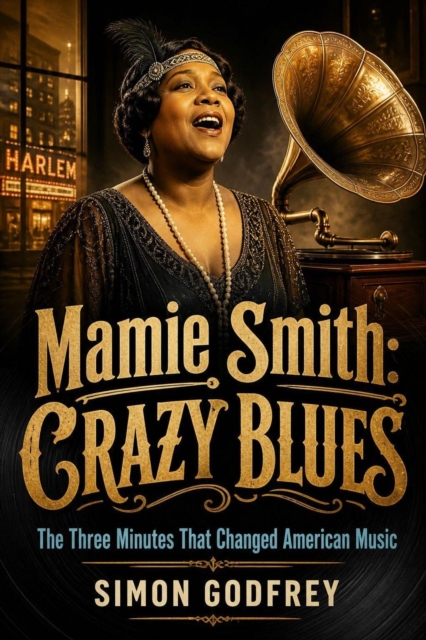
CRAZY BLUESMamie Smith and the Three Minutes That Changed American MusicOn August 10, 1920, a vaudeville singer named Mamie Smith stepped in front of a recording horn in a cramped New York studio and sang a song called "e;Crazy Blues.
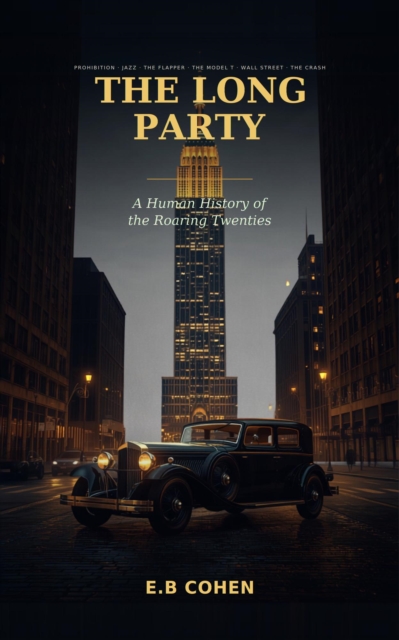
At one minute past midnight on January 17, 1920, the United States did something no modern nation had ever tried: it abolished its own liquor trade by constitutional amendment.
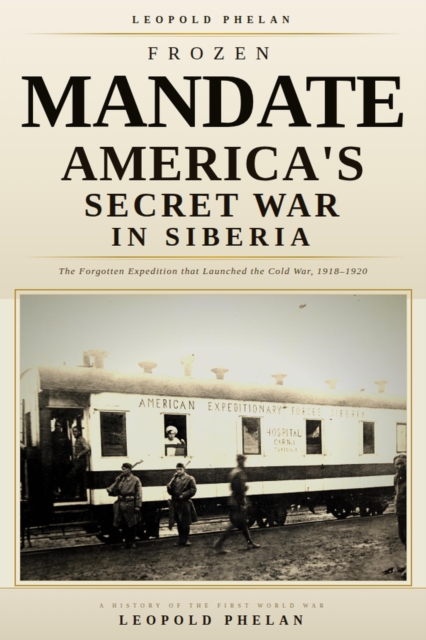
In August 1918, eight thousand American soldiers arrived at the Russian port of Vladivostok with orders that simultaneously authorised their deployment and prohibited almost everything a soldier normally does.
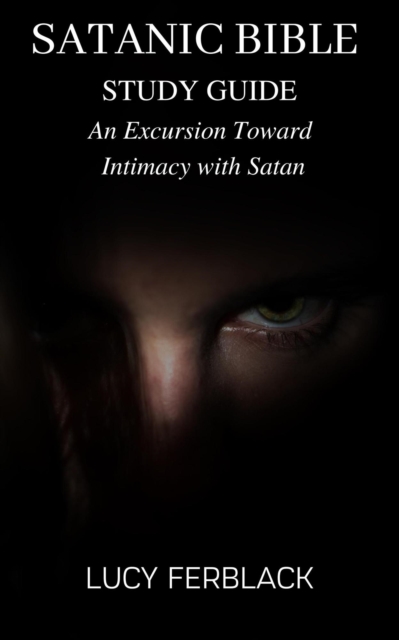
Discover the Philosophy of Self-Sovereignty, Personal Autonomy, and Modern Satanic PracticeAre you ready to look beyond the myths, misinterpretations, and sensationalism surrounding modern Satanism?
The Boston Harbor Islands: Discovering the Citys Hidden Shores is an indispensable resource for those who want to uncover the best kept secret in the Northeast.
John Corry's chronicle of the Murrays and the McDonnells is the quintessential story of a successful Irish American clanperhaps the most successful in sheer numbers and influence.
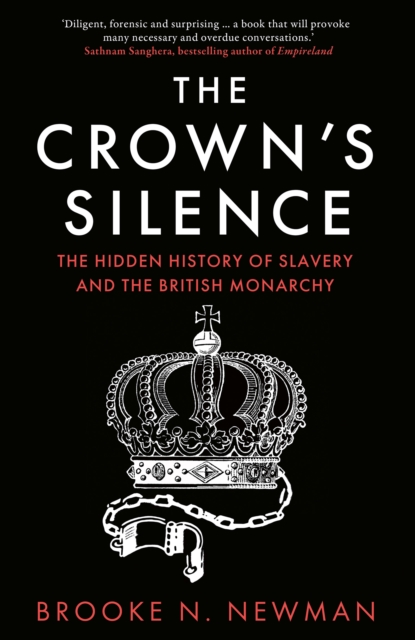
A ground-breaking and essential work of history - the first of its kind to closely examine the British Royal Family's connection with the transatlantic slave tradeThe Crown's Silence is the untold story of the British royal family's relationship to slavery from the reign of Elizabeth I to the present.
The Boston Harbor Islands: Discovering the Citys Hidden Shores is an indispensable resource for those who want to uncover the best kept secret in the Northeast.
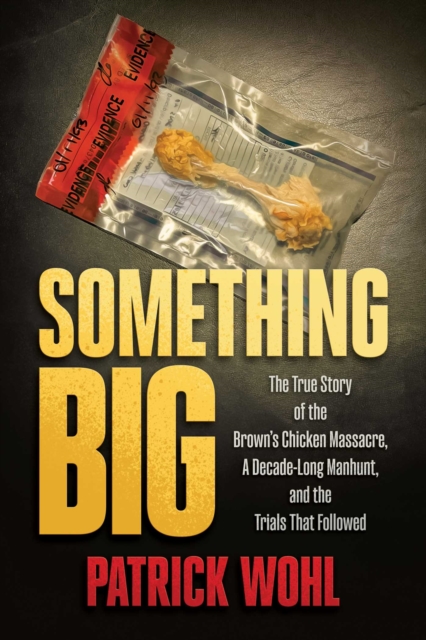
2026 CrimeCon CLUE Book of the Year Nominee Something Big tells the story of the infamous Browns Chicken massacre, a brutal case that captivated Chicagoland after remaining unsolved for nearly a decade.
John Corry's chronicle of the Murrays and the McDonnells is the quintessential story of a successful Irish American clanperhaps the most successful in sheer numbers and influence.
From the mountain goats who linger by the visitor's center on Logan Pass to the crystal-clear glacier-fed lakes, from the magnificent views from the Many Glacier Hotel to the old-growth forest landscapes, visitors will find much to ponder and enjoy within these pages.