The secrets of one of history's greatest orators are revealed in "e;one of the most stunningly original works on Abraham Lincoln to appear in years"e; (John Stauffer, professor of English and history, Harvard University).
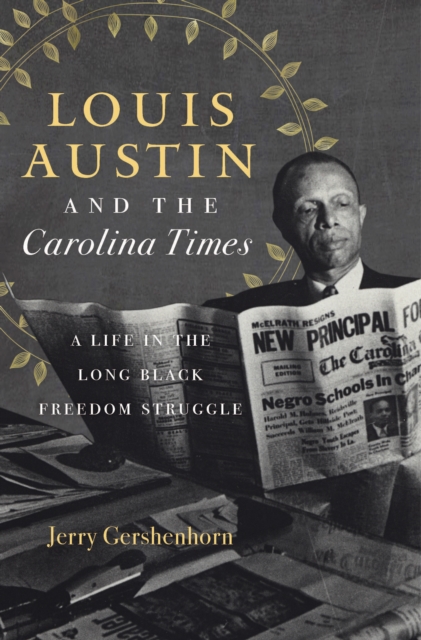
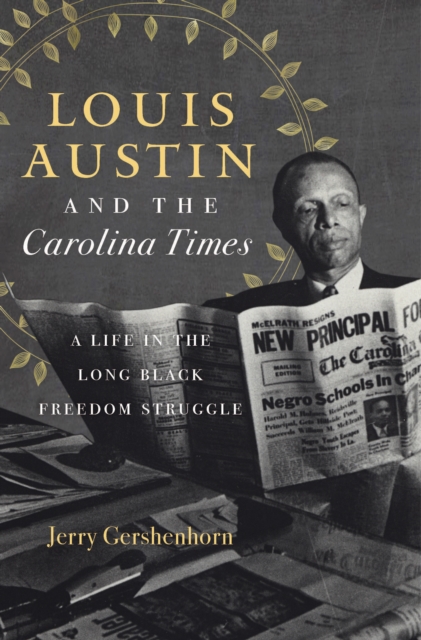
Louis Austin (18981971) came of age at the nadir of the Jim Crow era and became a transformative leader of the long black freedom struggle in North Carolina.
Louis Austin (18981971) came of age at the nadir of the Jim Crow era and became a transformative leader of the long black freedom struggle in North Carolina.
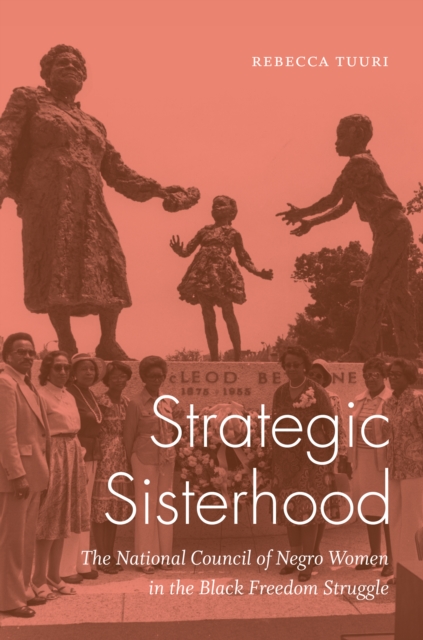
When women were denied a major speaking role at the 1963 March on Washington, Dorothy Height, head of the National Council of Negro Women (NCNW), organized her own womens conference for the very next day.
Bringing together scholars from a range of disciplines to assess the use and meaning of language in the South, a region rich in dialects and variants, this comprehensive edited collection reflects the cutting-edge research presented at the fourth decennial meeting of Language Variety in the South in 2014.
Louis Austin (18981971) came of age at the nadir of the Jim Crow era and became a transformative leader of the long black freedom struggle in North Carolina.
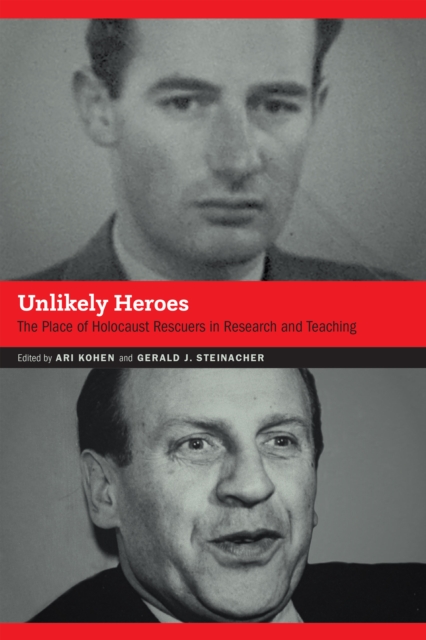
Classes and books on the Holocaust often center on the experiences of victims, perpetrators, and bystanders, but rescuers also occupy a prominent space in Holocaust courses and literature even though incidents of rescue were relatively few and rescuers constituted less than 1 percent of the population in Nazi-occupied Europe.
When women were denied a major speaking role at the 1963 March on Washington, Dorothy Height, head of the National Council of Negro Women (NCNW), organized her own womens conference for the very next day.
Louis Austin (18981971) came of age at the nadir of the Jim Crow era and became a transformative leader of the long black freedom struggle in North Carolina.
The Boston Harbor Islands: Discovering the Citys Hidden Shores is an indispensable resource for those who want to uncover the best kept secret in the Northeast.
John Corry's chronicle of the Murrays and the McDonnells is the quintessential story of a successful Irish American clanperhaps the most successful in sheer numbers and influence.
A ground-breaking and essential work of history - the first of its kind to closely examine the British Royal Family's connection with the transatlantic slave tradeThe Crown's Silence is the untold story of the British royal family's relationship to slavery from the reign of Elizabeth I to the present.
The Boston Harbor Islands: Discovering the Citys Hidden Shores is an indispensable resource for those who want to uncover the best kept secret in the Northeast.
2026 CrimeCon CLUE Book of the Year Nominee Something Big tells the story of the infamous Browns Chicken massacre, a brutal case that captivated Chicagoland after remaining unsolved for nearly a decade.
John Corry's chronicle of the Murrays and the McDonnells is the quintessential story of a successful Irish American clanperhaps the most successful in sheer numbers and influence.
From the mountain goats who linger by the visitor's center on Logan Pass to the crystal-clear glacier-fed lakes, from the magnificent views from the Many Glacier Hotel to the old-growth forest landscapes, visitors will find much to ponder and enjoy within these pages.
From the mountain goats who linger by the visitor's center on Logan Pass to the crystal-clear glacier-fed lakes, from the magnificent views from the Many Glacier Hotel to the old-growth forest landscapes, visitors will find much to ponder and enjoy within these pages.
This unique collection of short biographies of the Lone Star State's most colorful characters includes headliners Father Miguel Muldoon, the Irish-Spanish Catholic priest and diplomat who helped convert Protestants in order to settle Austin, and six-foot-two prostitute and hotelkeeper Sarah Bowman, who fought as bravely as a man among the Rangers and was buried with full military honors.
In 1950, facing artistic and legal persecution by Senator Joe McCarthy because of her inclusion on Louis Budenz's list of four hundred concealed communists, single mother Hannah Weinstein fled to Europe.