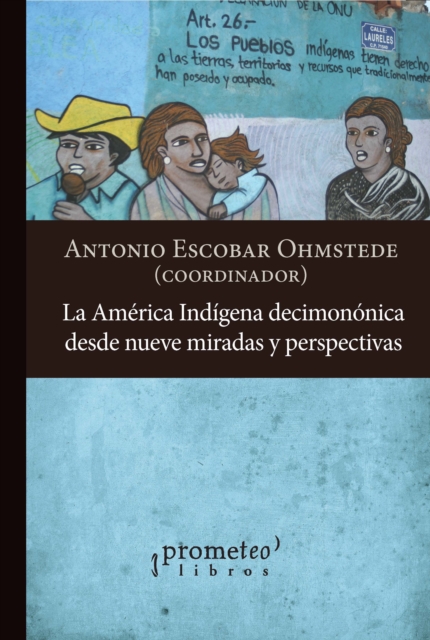
La América Indígena decimonónica desde nueve miradas y perspectivas viene a sumarse a una historiografía latinoamericanista que busca encontrar en lo comparativo procesos que afectaron a aquellos países que cuentan con un alto porcentaje de población indígena en sus territorios.
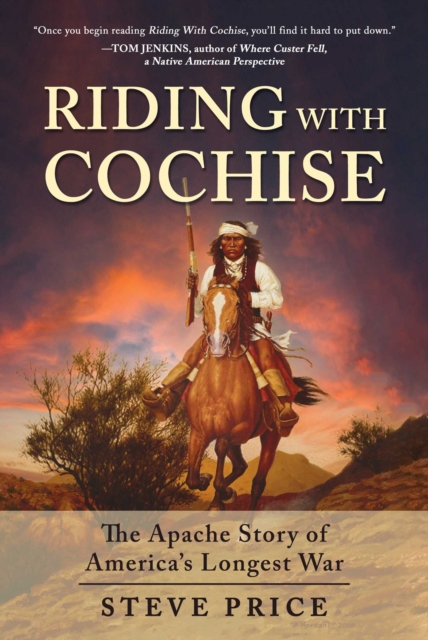
Riding With Cochise brings the violent drama of the American Southwest to life through the eyes of the legendary Apache chieftain Cochise and three other tribal leaders, Geronimo, Victorio, and Mangas Coloradas.
Este libro estudia la posición editorial de las revistas sobre política más destacadas de la Argentina de los setenta y primeros años de los ochenta ante acontecimientos clave.
Este libro reúne textos narrativos y poéticos que construyen figuraciones del Río de la Plata con el fin de dar cuenta del impacto estético que tuvo el arrojo de cuerpos al estuario durante la última dictadura cívico-militar argentina.
During the gold rush, women worked alongside men panning and digging for gold and silver in the mountains of Colorado, California, and all the way up to Alaska.
Just a few of the words of presidential wisdom found in Dear Young Friend:';I rejoice that you have learnt to write,for as this is done with a goosequill, you know the value of a goose.
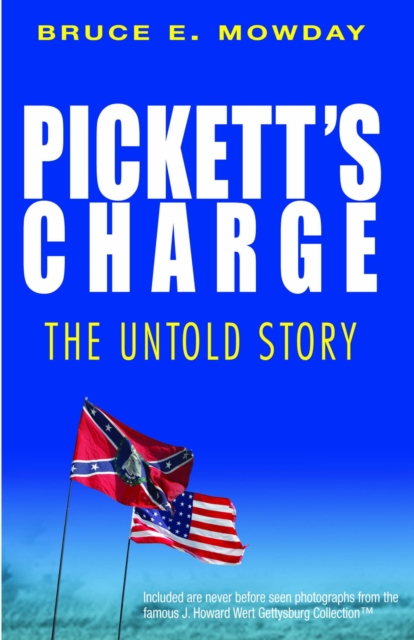
Pickett's Charge was the last best chance for a Confederate victory in the Civil War and came during the final day's fighting at Gettysburg, July 3, 1863.
The Harrisburg Telegraph says: ';an unique and authoritative book, The Story of the Battles at Gettysburg' will arouse great interest among military men throughout the country.
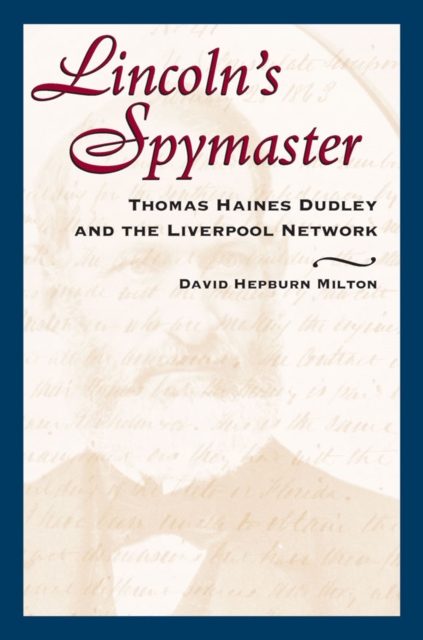
Details the overseas diplomatic and intelligence contest between Union and Confederate governmentsDocuments the historically neglected Thomas Haines Dudley and his European network of agentsExplores the actions that forced neutrality between England and the UnionThe American Civil War conjures images of bloody battlefields in the eastern United States.
';Custer had been usually effective as an Indian fighter for several years He was adept in bringing off surprise attacks that crushed and paralyzed resistance.
Americans are not particularly shy about letting politicians know what's on their minds, and, in Harry Truman, they believed that they had a president they could level with.
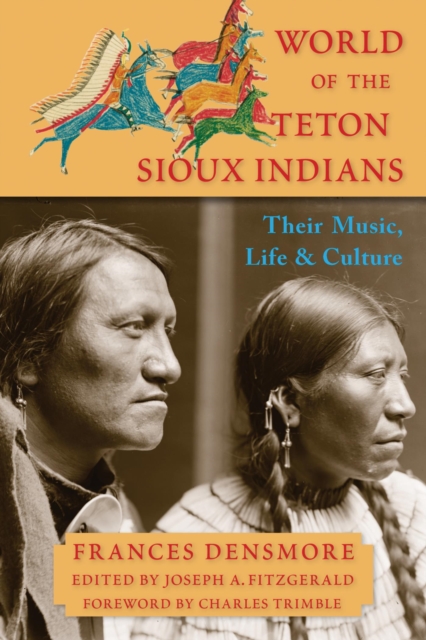
Sometime in August 1913, two Sioux warriors, Old Buffalo and Swift Dog, met with Frances Densmore at a makeshift recording site in McLaughlin, South Dakota.
';Crook always maintained that, since his command occupied the field after the battle, he was not defeated at the Rosebud, and that if the battle had gone according to his orders, it would have resulted in a real triumph for his men.
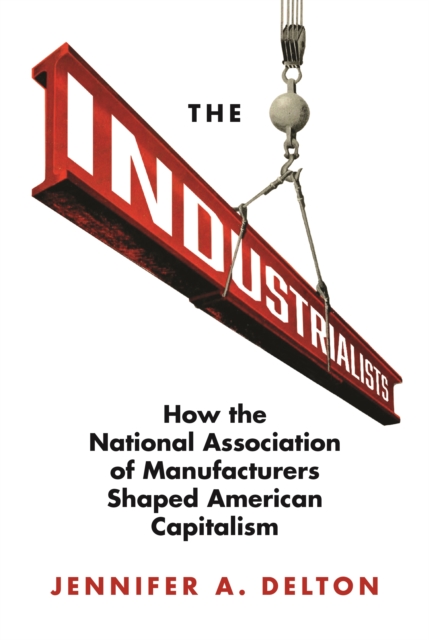
The first complete history of US industry's most influential and controversial lobbyistFounded in 1895, the National Association of Manufacturers-NAM-helped make manufacturing the basis of the US economy and a major source of jobs in the twentieth century.
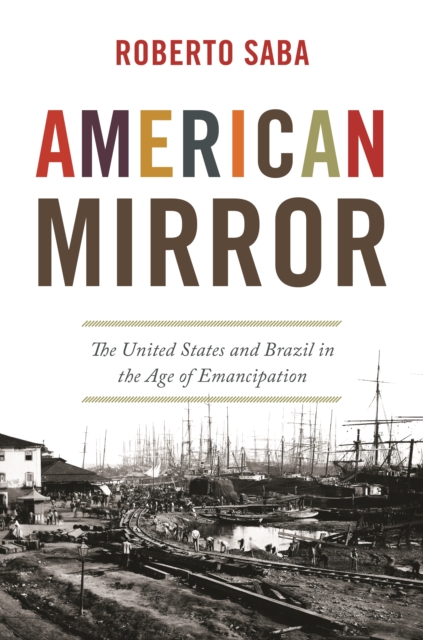
How slave emancipation transformed capitalism in the United States and BrazilIn the nineteenth century, the United States and Brazil were the largest slave societies in the Western world.
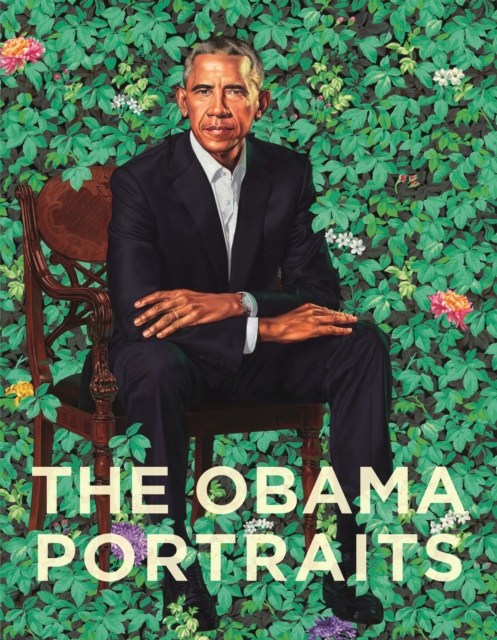
A richly illustrated celebration of the paintings of President Barack Obama and First Lady Michelle Obama From the moment of their unveiling at the National Portrait Gallery in early 2018, the portraits of Barack and Michelle Obama have become two of the most beloved artworks of our time.
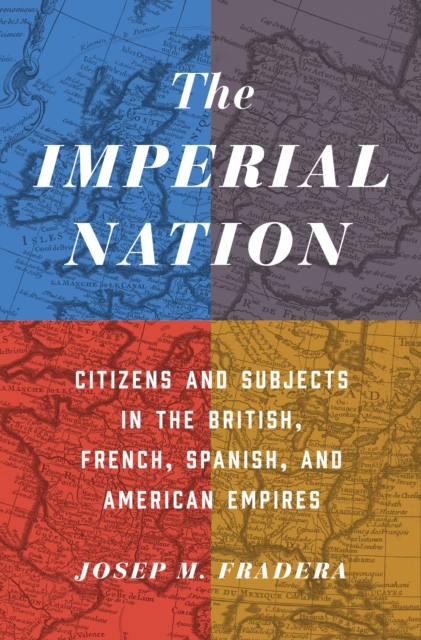
How the legacy of monarchical empires shaped Britain, France, Spain, and the United States as they became liberal entitiesHistorians view the late eighteenth and early nineteenth centuries as a turning point when imperial monarchies collapsed and modern nations emerged.
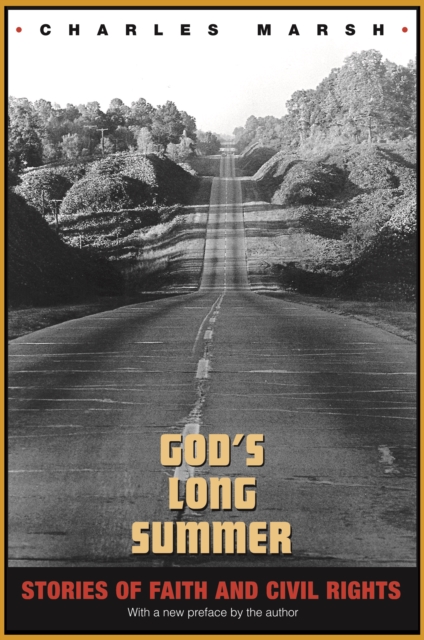
In the summer of 1964, the turmoil of the civil rights movement reached its peak in Mississippi, with activists across the political spectrum claiming that God was on their side in the struggle over racial justice.
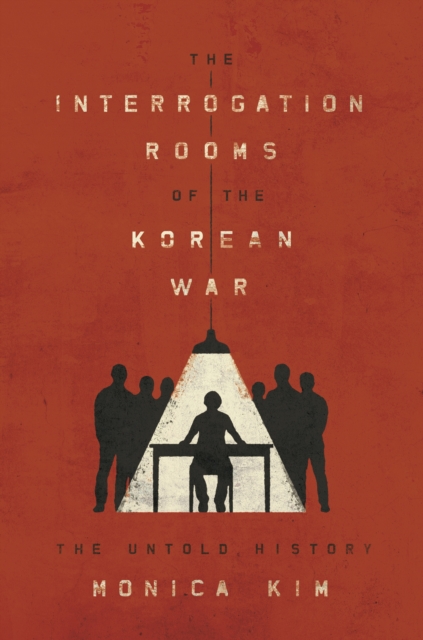
A groundbreaking look at how the interrogation rooms of the Korean War set the stage for a new kind of battle-not over land but over human subjectsTraditional histories of the Korean War have long focused on violations of the thirty-eighth parallel, the line drawn by American and Soviet officials in 1945 dividing the Korean peninsula.
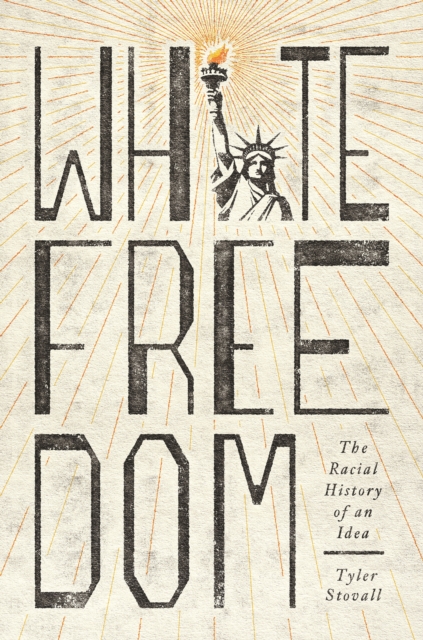
The racist legacy behind the Western idea of freedomThe era of the Enlightenment, which gave rise to our modern conceptions of freedom and democracy, was also the height of the trans-Atlantic slave trade.
The era of the American Revolution was one of violent and unpredictable social, economic, and political change, and the dislocations of the period were most severely felt in the South.
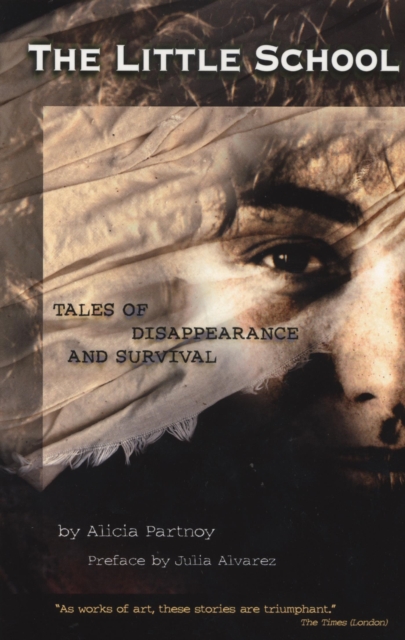
One of Argentinas 30,000 disappeared, Alicia Partnoy was abducted from her home by secret police and taken to a concentration camp where she was tortured, and where most of the other prisoners were killed.
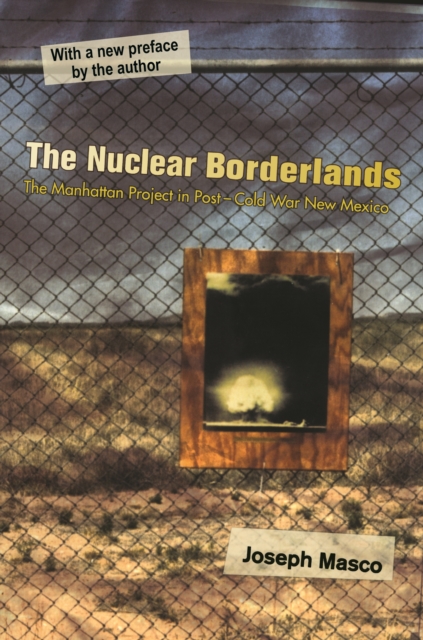
An important investigation of the sociocultural fallout of America's work on the atomic bombIn The Nuclear Borderlands, Joseph Masco offers an in-depth look at the long-term consequences of the Manhattan Project.
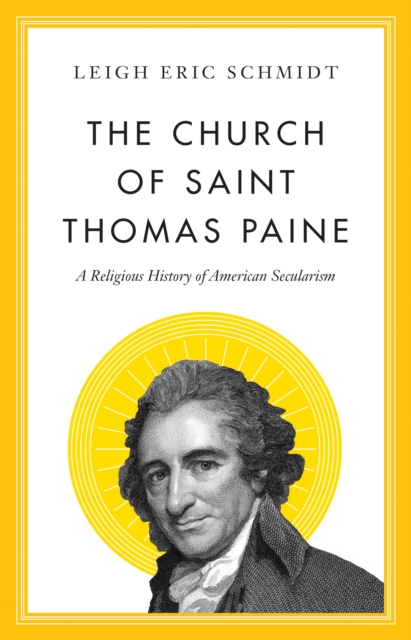
The forgotten story of the nineteenth-century freethinkers and twentieth-century humanists who tried to build their own secular religionIn The Church of Saint Thomas Paine, Leigh Eric Schmidt tells the surprising story of how freethinking liberals in nineteenth-century America promoted a secular religion of humanity centered on the deistic revolutionary Thomas Paine (1737-1809) and how their descendants eventually became embroiled in the culture wars of the late twentieth century.
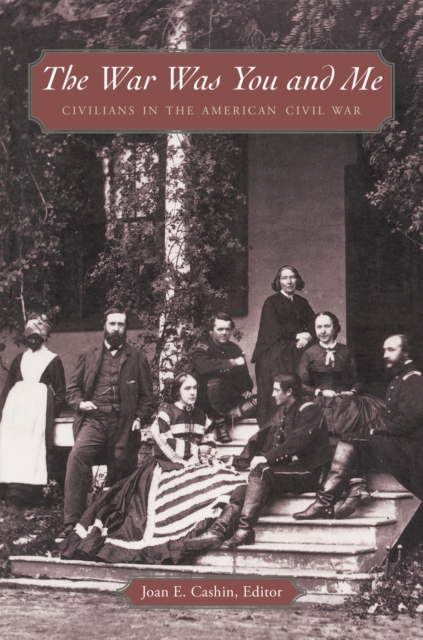
Though civilians constituted the majority of the nation's population and were intimately involved with almost every aspect of the war, we know little about the civilian experience of the Civil War.
An intellectual history of the late Roman Republicand the senators who fought both scholarly debates and a civil warIn The Roman Republic of Letters, Katharina Volk explores a fascinating chapter of intellectual history, focusing on the literary senators of the mid-first century BCE who came to blows over the future of Rome even as they debated philosophy, history, political theory, linguistics, science, and religion.
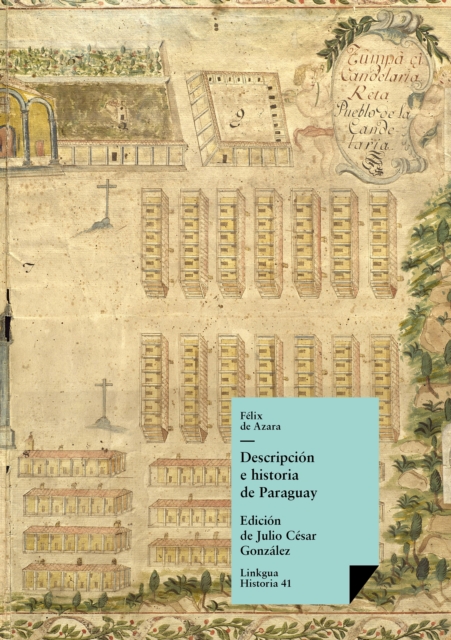
Bartolomé Mitre y el historiador chileno Diego Barros Arana intercambiaron apasionadas cartas acerca de Descripción e historia de Paraguay de Félix de Azara y de su posible publicación.