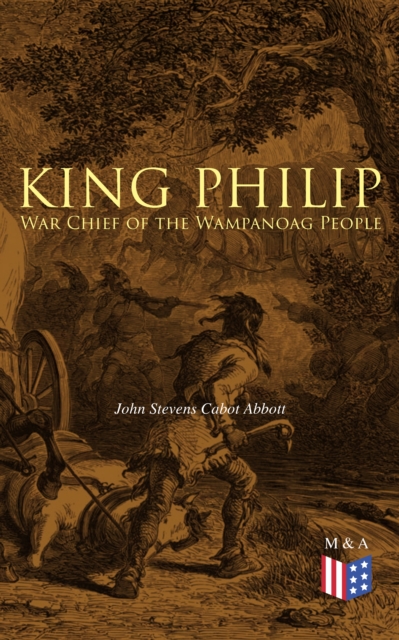
Metacomet (1638-1676), also known by his adopted English name King Philip, was chief to the Wampanoag people and the second son of the sachem Massasoit.
The lamented death of President Adams entails on me the duty of writing the preface to our joint work,-a duty which, had he lived, would naturally have fallen to him, since to his initiative and energy the volume owes its existence.
An essential guide to the ways information has shaped and been shaped by societiesThanks to recent advances, we now enjoy seemingly unlimited access to information.
This meticulously edited collection offers you the true accounts about the Confederate States of America, including documents that were most influential for the creation of the states and the life stories of its principal leaders and officers.
Mit über 700 000 gefallenen Soldaten war der Amerikanische Bürgerkrieg blutiger und verlustreicher als alle Kriege zusammen, die die USA seither geführt haben.
Kolumbus' Erbe: Die folgenreichste Entdeckung seit dem Aussterben der DinosaurierDie Entdeckung Amerikas durch Kolumbus im Jahr 1492 veränderte das Leben auf unserem Planeten grundlegend.
Der amerikanische Journalist George Packer beschreibt, wie die USA sich in den vergangenen Jahrzehnten aus der Diplomatie zurückgezogen haben, und dokumentiert den Rückgang des amerikanischen Einflusses in der Welt.
Vom unbekümmerten bayrischen Partygänger zum Rabbi in Jerusalem: Rabbiner David Kraus erzählt entwaffnend ehrlich, voller Humor und sehr inspirierend, wie er zum jüdischen Glauben fand – und wie sich die Widrigkeiten des Lebens zu Quellen des Glücks umwandeln lassen.
»Die Soziologin Franziska Schutzbach hat ein eindrucksvolles Buch über die heimliche Grundlage unseres Kapitalismus geschrieben: die gewissenlose Ausbeutung weiblicher Ressourcen.
Von der verhüllten ultraorthodoxen Jüdin zur Designerin und Unternehmenschefin in New York: Eine mitreißende, wahre Geschichte aus der Welt des ultraorthodoxen Judentums – verfilmt von NetflixGeboren in eine streng religiöse jüdische Familie und mit 21 verheiratet an einen ultraorthodoxen Juden, kennt Julia Haart die ersten 42 Jahre ihres Lebens nur die Unterwerfung unter die strikten Gebote ihrer Religionsgemeinschaft: Unbedeckte Haare, kurzärmelige T-Shirts, Miniröcke, Bikinis – all dies gilt als Insignien des Teufels.
Von Amerikas Anfängen bis Barack ObamaMehr als 150 Jahre nach Abschaffung der Sklaverei in den USA herrscht in vielen Bereichen des Lebens immer noch keine Gleichberechtigung zwischen Schwarz und Weiß.
Zu schön, um wahr zu seinKalifornien als Insel, versunkene Königreiche und das irdische Paradies – diese und andere gefühlte Fakten haben Kartografen quer durch die Jahrhunderte fein säuberlich in ihren Atlanten festgehalten.
Das Buch präsentiert eine Auswahl historischer Stätten, die die Erinnerungskultur methodistischen Glaubens und Handelns über fast 200 Jahre seit dem frühen 19.
Meeting in Stuttgart, Germany, in 2010, the Eleventh Assembly of the Lutheran World Federation (LWF) asked for forgiveness from members of the Anabaptist/Mennonite tradition for the wrongs going back to the beginnings of the Lutheran movement in the sixteenth century that had led to painful divisions between the two Christian families.
Im Jahr 1849 entsandte Theodor Fliedner vier Diakonissen in die USA und gab damit den Impuls zur Entstehung einer zwar nicht immer erfolgreichen, aber ungeheuer vielfältigen amerikanischen Diakonissenbewegung.
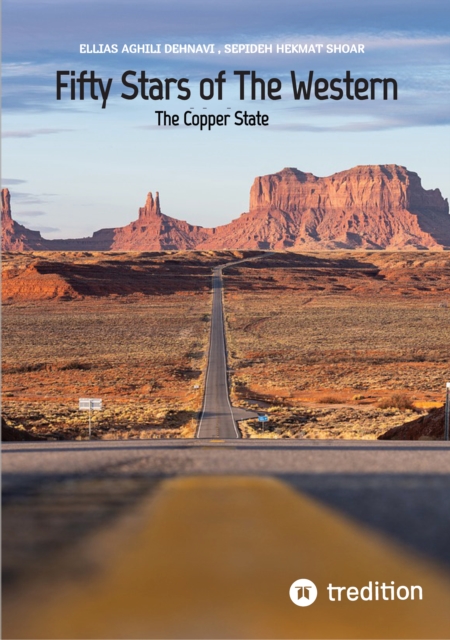
The State Copper is the first volume of the DEK encyclopedia ( Descriptive encyclopedia for kids, which simplifies the history, geography and etc of the U.
A panoramic history of the Jewish American South, from European colonization to todayIn 1669, the Carolina colony issued the Fundamental Constitutions of Carolina, which offered freedom of worship to ';Jews, heathens, and other dissenters,' ushering in an era that would see Jews settle in cities and towns throughout what would become the Confederate States.
Überwältigt stehen 1519 Cortés und seine Truppen vor einer Stadt, die an Größe, Pracht, Einwohnerzahl und Baukunst alles übertrifft, was sie aus der alten Welt kennen: Tenochtitlan.
Exactly 200 years ago, on 28 July 1821, General José de San Martín solemnly proclaimed the independence of Peru from the Spanish crown, in the country=s capital, Lima.
Exactly 200 years ago, on 28 July 1821, General José de San Martín solemnly proclaimed the independence of Peru from the Spanish crown, in the country=s capital, Lima.