BOOK DESCRIPTIONTHE GIFT: America's Genius for Creating Its Own RivalsIn 1955, the United States deported Qian Xuesen, America's most brilliant rocket scientist and co-founder of NASA's Jet Propulsion Laboratory, to Communist China.
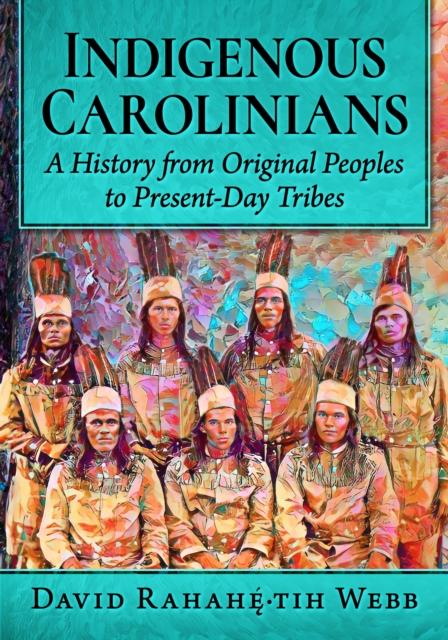
This comprehensive work decolonizes our understanding of Carolina's Indigenous People and presents the complete histories and cultures of the region's First Peoples.
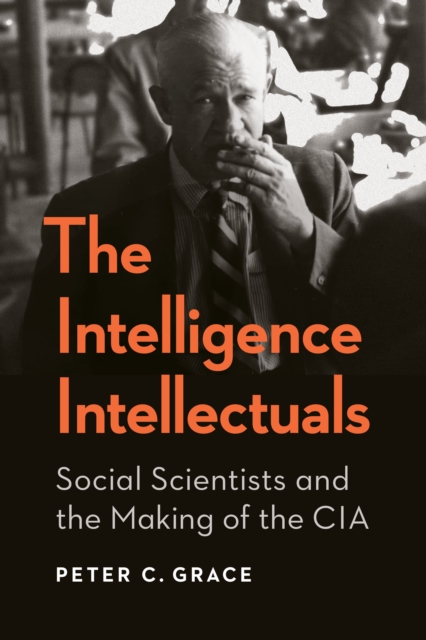
Winner: Henry Adams PrizeWhile much has been disclosed about the CIAs cloak-and-dagger activities during the Cold War, relatively little is known about the origins of this secret organization.
Winner: Henry Adams PrizeWhile much has been disclosed about the CIAs cloak-and-dagger activities during the Cold War, relatively little is known about the origins of this secret organization.
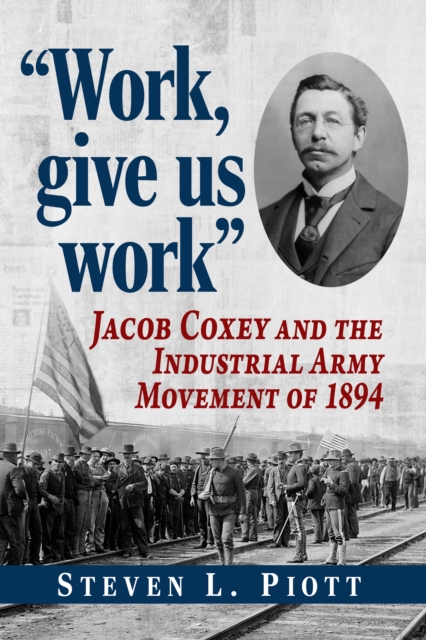
The depression that began in 1893 caused widespread economic suffering throughout the country and triggered a march of unemployed men from Massillon, Ohio, to Washington, D.
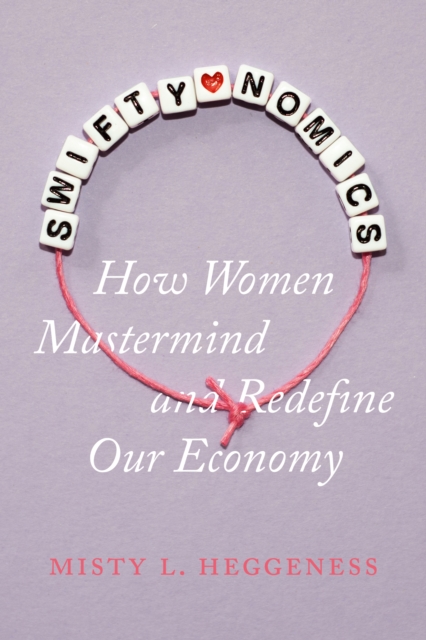
"e;Makes a simple but quietly radical point: you cannot understand the modern economy-or the future of work-without understanding what is happening in women's economic lives.
"e;Makes a simple but quietly radical point: you cannot understand the modern economy-or the future of work-without understanding what is happening in women's economic lives.
Understanding the context of terrorism requires a trek through history, in this case the history of terrorist activity in the United States since the Civil War.
Understanding the context of terrorism requires a trek through history, in this case the history of terrorist activity in the United States since the Civil War.
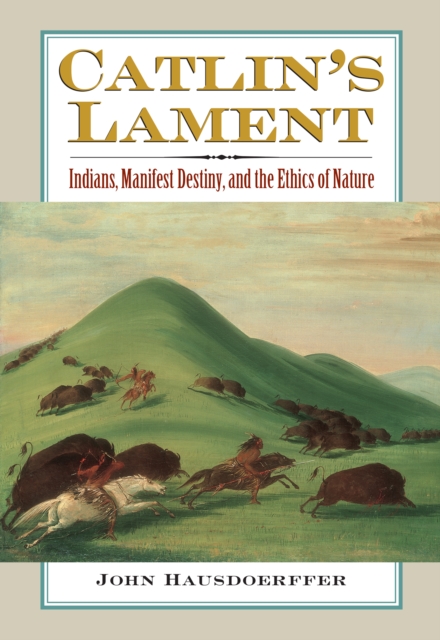
George Catlin gained renown for his nineteenth-century paintings of Indians and their lands, sympathetic portraits that counterbalanced those of other Americans eager to conquer and dominate both.
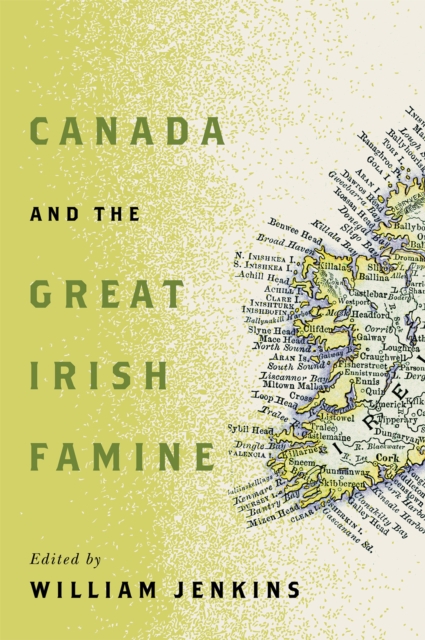
In the summer of 1847, over four hundred ships arrived in the Gulf of St Lawrence, carrying Irish men, women, and children who were fleeing the starvation and misery of the Great Potato Famine.
George Catlin gained renown for his nineteenth-century paintings of Indians and their lands, sympathetic portraits that counterbalanced those of other Americans eager to conquer and dominate both.
Fenster zur VergangenheitBestsellerautor Georg Markus blickt zurück in die Geschichte: Er erzählt vom berührenden Schicksal des einarmigen Pianisten Paul Wittgenstein, von Kinostars, der Entstehung der Filmerfolge »Manche mögen's heiß« und »Der blaue Enge«l sowie dem Urheberrechtsstreit um die berühmten Sissi-Filme.
Nicht zuletzt der Präsidentschaftswahlkampf oder die Auseinandersetzungen um das Abtreibungsrecht machen deutlich, wie stark Religion die amerikanische Gesellschaft, Kultur und Demokratie beeinflusst.
Nicht zuletzt der Präsidentschaftswahlkampf oder die Auseinandersetzungen um das Abtreibungsrecht machen deutlich, wie stark Religion die amerikanische Gesellschaft, Kultur und Demokratie beeinflusst.