The American Educational History Journal is a peer-reviewed, national research journal devoted to the examination of educational topics using perspectives from a variety of disciplines.
The American Educational History Journal is a peer-reviewed, national research journal devoted to the examination of educational topics using perspectives from a variety of disciplines.
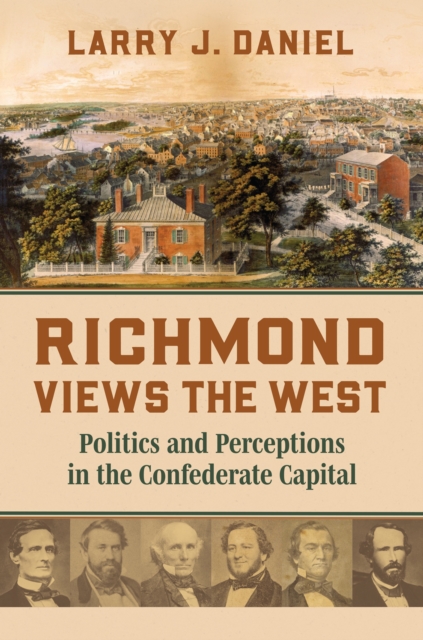
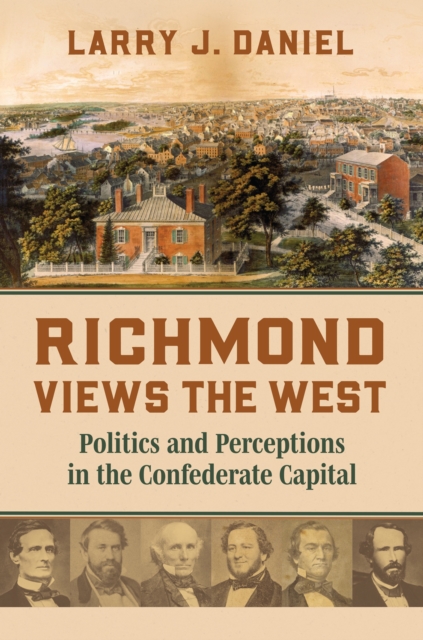
Winner: Fletcher Pratt AwardWinner: Richard Barksdale Harwell Book AwardHow did politicians, bureaucrats, reporters, and civilians in Richmond understand a war being fought a thousand miles away?
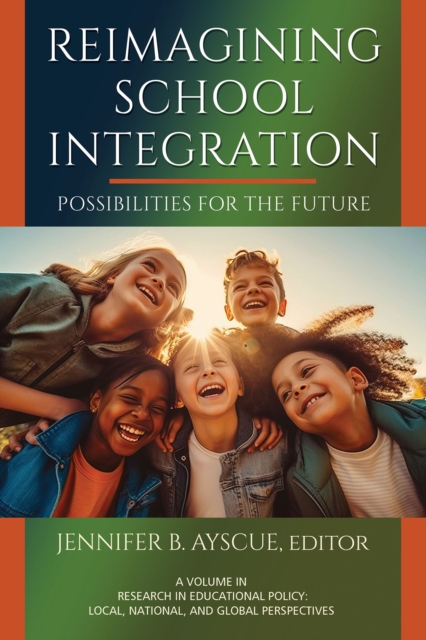
Since the peak of school desegregation in the late 1980s, schools across the nation have been resegregating such that schools are now as segregated as they were during the late 1960s.
The American Educational History Journal is a peer-reviewed, national research journal devoted to the examination of educational topics using perspectives from a variety of disciplines.
The American Educational History Journal is a peer-reviewed, national research journal devoted to the examination of educational topics using perspectives from a variety of disciplines.
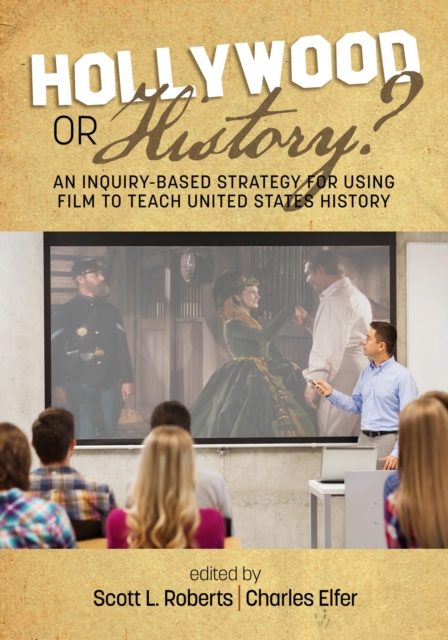
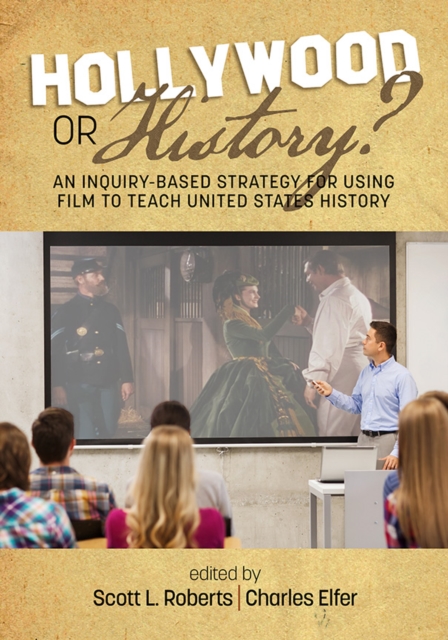
Teaching and learning through Hollywood, or commercial, film productions is anything but a new approach and has been something of a mainstay in the classroom for nearly a century.
The American Educational History Journal is a peer-reviewed, national research journal devoted to the examination of educational topics using perspectives from a variety of disciplines.
We hold that the mission of social studies is not attainable, without attention to the ways in which race and racism play out in society-past, present, and future.
Recent discussions and dissemination of information regarding the rapid growth of Asian Americans and Pacific Islanders (AAPI) across our nation are creating some awareness among administrators and educators in higher education institutions regarding the extensive diversity of AAPIs, the struggles of some AAPI populations in pursuing and succeeding in higher education, and the lack of support for their educational success.
We hold that the mission of social studies is not attainable, without attention to the ways in which race and racism play out in society-past, present, and future.
The American Educational History Journal is a peer-reviewed, national research journal devoted to the examination of educational topics using perspectives from a variety of disciplines.
The book, Talking About Structural Inequalities in Everyday Life: New Politics of Race in Groups, Organizations, and Social Systems, provides critical attention to contemporary, innovative, and cutting-edge issues in group, organizational, and social systems that address the complexities of racialized structural inequalities in everyday life.
The book, Talking About Structural Inequalities in Everyday Life: New Politics of Race in Groups, Organizations, and Social Systems, provides critical attention to contemporary, innovative, and cutting-edge issues in group, organizational, and social systems that address the complexities of racialized structural inequalities in everyday life.
Recent discussions and dissemination of information regarding the rapid growth of Asian Americans and Pacific Islanders (AAPI) across our nation are creating some awareness among administrators and educators in higher education institutions regarding the extensive diversity of AAPIs, the struggles of some AAPI populations in pursuing and succeeding in higher education, and the lack of support for their educational success.
Winner: Fletcher Pratt AwardWinner: Richard Barksdale Harwell Book AwardHow did politicians, bureaucrats, reporters, and civilians in Richmond understand a war being fought a thousand miles away?
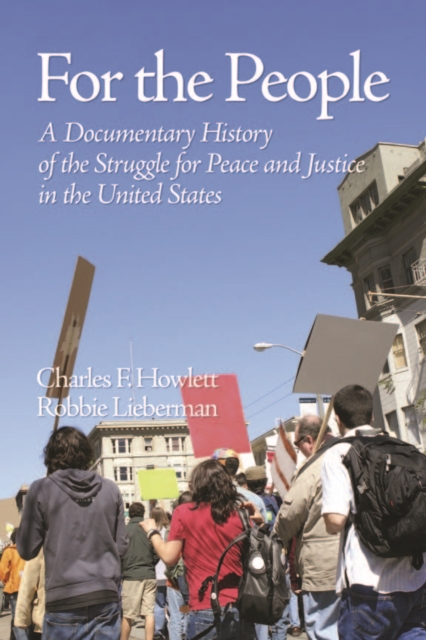
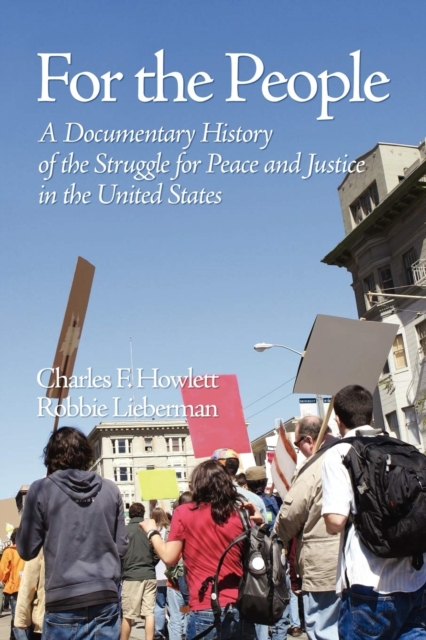
For the People is a historical docutext that examines the evolution of the struggle for peace and justice in America's past, from pre-colonial times to the present.
For the People is a historical docutext that examines the evolution of the struggle for peace and justice in America's past, from pre-colonial times to the present.
Teaching and learning through Hollywood, or commercial, film productions is anything but a new approach and has been something of a mainstay in the classroom for nearly a century.
Teaching and learning through Hollywood, or commercial, film productions is anything but a new approach and has been something of a mainstay in the classroom for nearly a century.
For the People is a historical docutext that examines the evolution of the struggle for peace and justice in America's past, from pre-colonial times to the present.
The pentagram, a five-pointed star drawn with five continuous straight strokes, is perhaps the most enduring and misunderstood symbol in human history.
This book centers on the stories and histories of buen vivir (“good living”) in education in Ecuador, focusing on how Indigenous and Afrodiasporic Peoples have strategically engaged with state educational initiatives to advance their own epistemic and political projects.
This book centers on the stories and histories of buen vivir (“good living”) in education in Ecuador, focusing on how Indigenous and Afrodiasporic Peoples have strategically engaged with state educational initiatives to advance their own epistemic and political projects.