As the ongoing Flint water crisis marks its tenth anniversary, Chariton reveals shocking new evidence of the major government cover-up that resulted in the poisoning of Flint-and shatters what you think you know about what caused the water crisis.
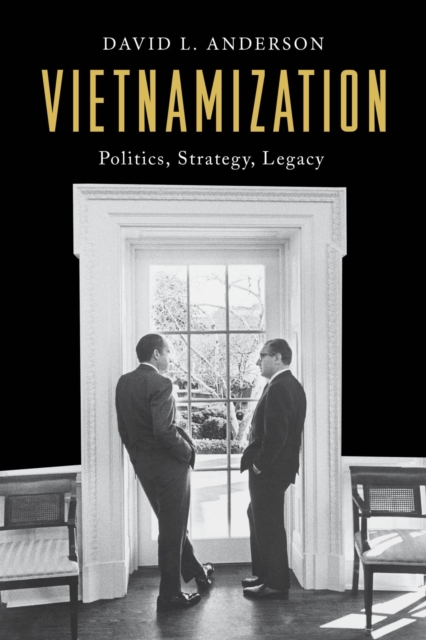
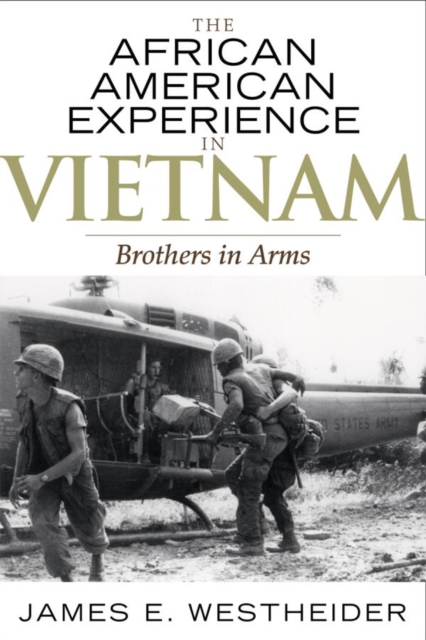
When he took office in 1969, the term that Richard Nixon embraced to describe his plan for ending the American war in Vietnam was "e;Vietnamization,"e; the process of withdrawing US troops and turning over responsibility for the war to the South Vietnamese government.
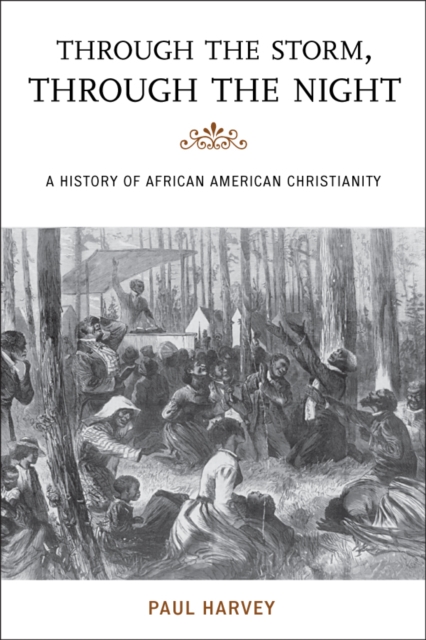
Paul Harvey illustrates how black Christian traditions provided theological, institutional, and personal strategies for cultural survival during bondage and into an era of partial freedom.
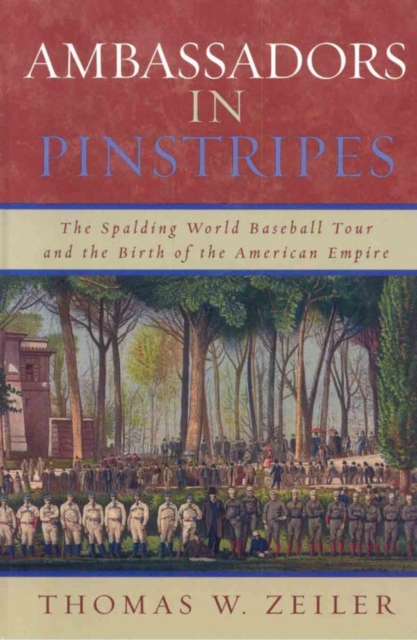
Inspired and led by sporting magnate Albert Goodwill Spalding, two teams of baseball players circled the globe for six months in 1888-1889 competing in such far away destinations as Australia, Sri Lanka and Egypt.
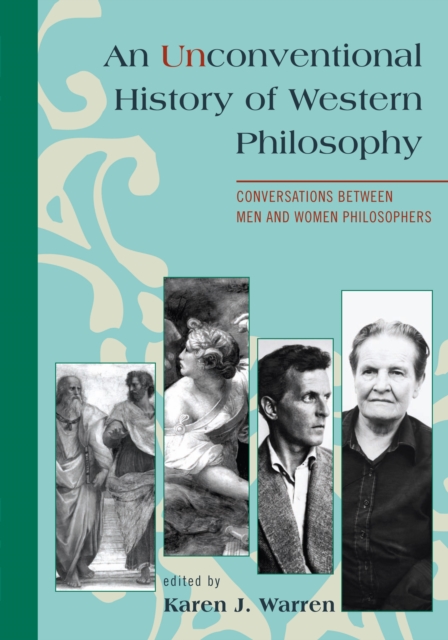
Gender scholarship during the last four decades has shown that the exclusion of women's voices and perspectives has diminished academic disciplines in important ways.
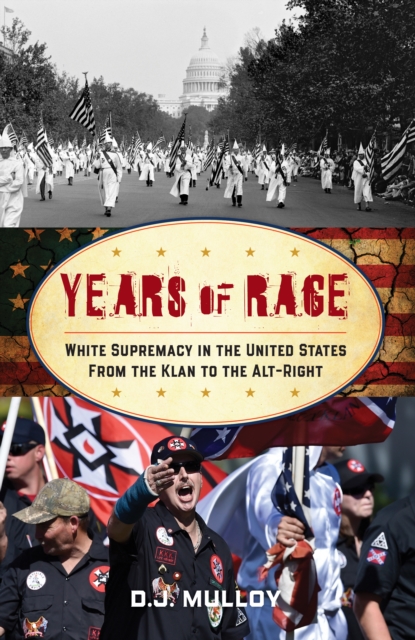
Years of Rage is a revealing-and frightening-history of the many and varied white supremacist groups that have operated in the United States from the rebirth of the Klan in 1915 through to the rise of the alt-right and the presidency of Donald J.
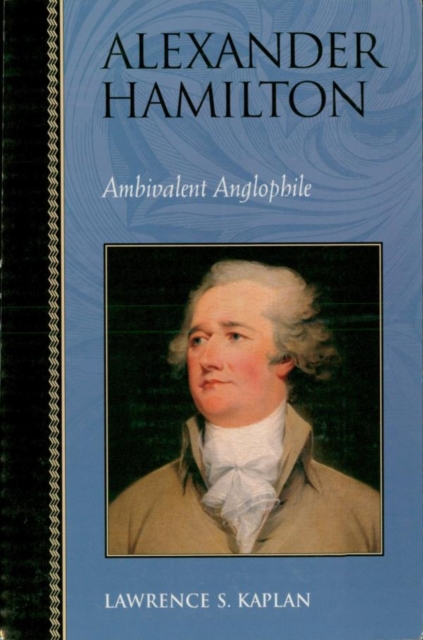
Of all of the Founding Fathers of the American republic none, with the possible exception of Thomas Jefferson, has evoked more passions and aroused more controversy than Alexander Hamilton.
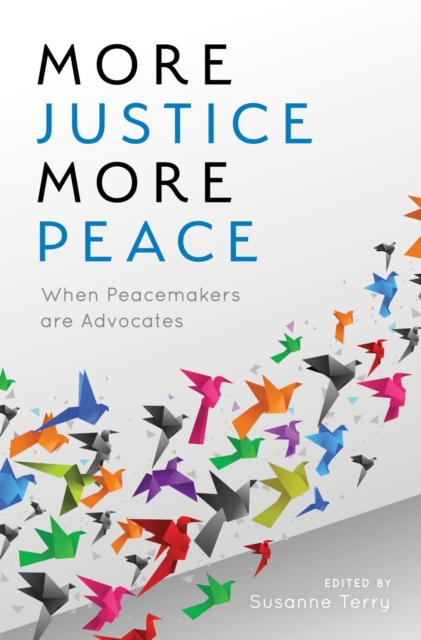
More Justice, More Peace: When Peacemakers Are Advocates gives voice to the conundrum of how mediators and other impartial third-party intervenors can revisit their roles in turbulent times.
Robert Bernasconi explores in the context of Heidegger's thought a number of questions of far-reaching concern: what is the role of literary examples within philosophy?
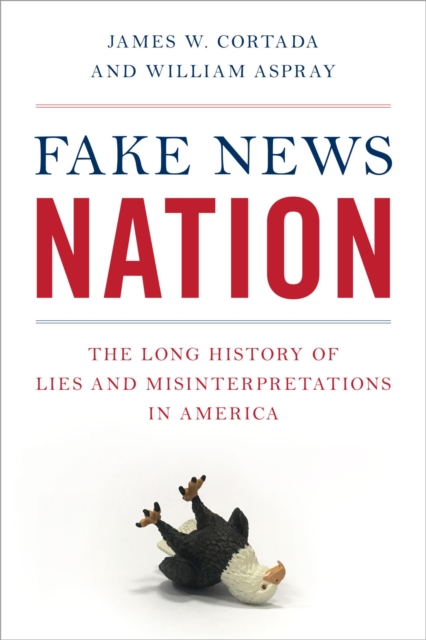
How rumors, lies, and misrepresentations shaped American historyAfter the election of Donald Trump as president, people in the United States and across large swaths of Europe, Latin America, and Asia engaged in the most intensive discussion in modern times about falsehoods pronounced by public officials.
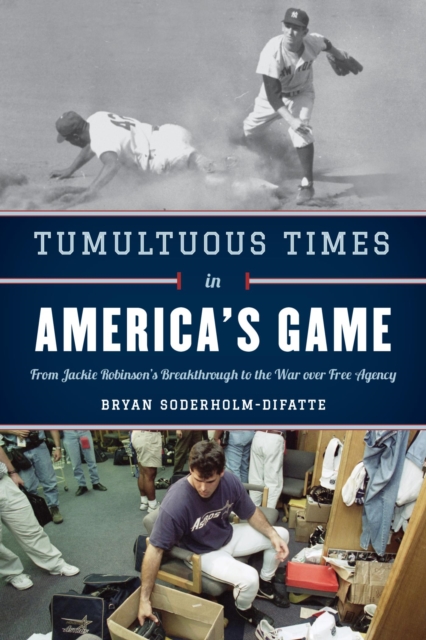
In Tumultuous Times in America's Game: From Jackie Robinson's Breakthrough to the War over Free Agency, Bryan Soderholm-Difatte provides a comprehensive examination of major developments and key figures in Major League Baseball from the integration of Jackie Robinson in 1947 to the owners-instigated catastrophic players' strike of 1994-95.
Against the grain of many contemporary theoretical positions that indulge in delusions of safety and certainty, Being and Not Being argues that contingency is definitive of the structure of being itself.
Robert Bernasconi explores in the context of Heidegger's thought a number of questions of far-reaching concern: what is the role of literary examples within philosophy?
More Justice, More Peace: When Peacemakers Are Advocates gives voice to the conundrum of how mediators and other impartial third-party intervenors can revisit their roles in turbulent times.
When baseball's reserve clause was struck down in late 1975 and ushered in free agency, club owners feared it would ruin the game; instead, there seemed to be no end to the "e;baseball fever"e; that would grip America.
How rumors, lies, and misrepresentations shaped American historyAfter the election of Donald Trump as president, people in the United States and across large swaths of Europe, Latin America, and Asia engaged in the most intensive discussion in modern times about falsehoods pronounced by public officials.
In Tumultuous Times in America's Game: From Jackie Robinson's Breakthrough to the War over Free Agency, Bryan Soderholm-Difatte provides a comprehensive examination of major developments and key figures in Major League Baseball from the integration of Jackie Robinson in 1947 to the owners-instigated catastrophic players' strike of 1994-95.
When he took office in 1969, the term that Richard Nixon embraced to describe his plan for ending the American war in Vietnam was "e;Vietnamization,"e; the process of withdrawing US troops and turning over responsibility for the war to the South Vietnamese government.
Years of Rage is a revealing-and frightening-history of the many and varied white supremacist groups that have operated in the United States from the rebirth of the Klan in 1915 through to the rise of the alt-right and the presidency of Donald J.
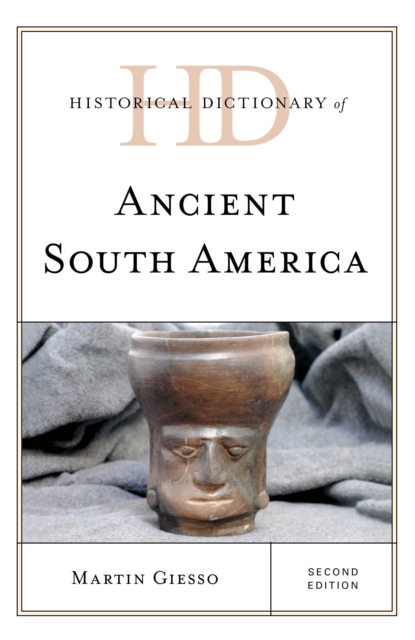
South America is a vast, relatively isolated, landmass that includes 12 independent countries and one region (Guyane Francaise) with diverse ethnic groups speaking hundreds of different languages and dialects, and extraordinary creativity.
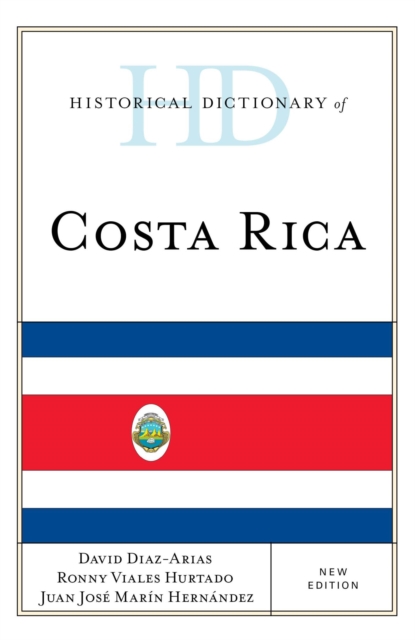
Costa Rica has been largely recognized as a democratic and politically stable country in a region (Central America) characterized by instability, dictatorships, and social inequality.
As the ongoing Flint water crisis marks its tenth anniversary, Chariton reveals shocking new evidence of the major government cover-up that resulted in the poisoning of Flint-and shatters what you think you know about what caused the water crisis.