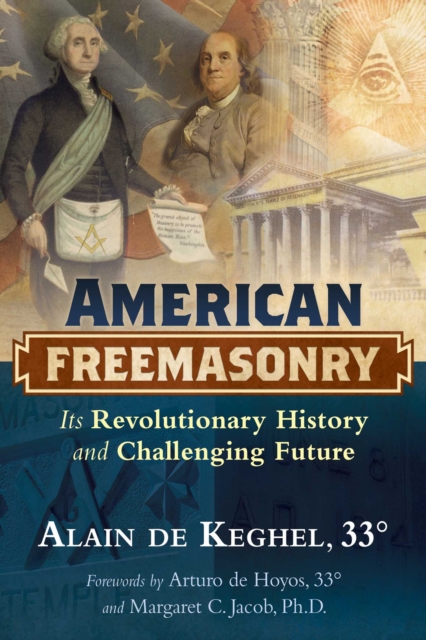
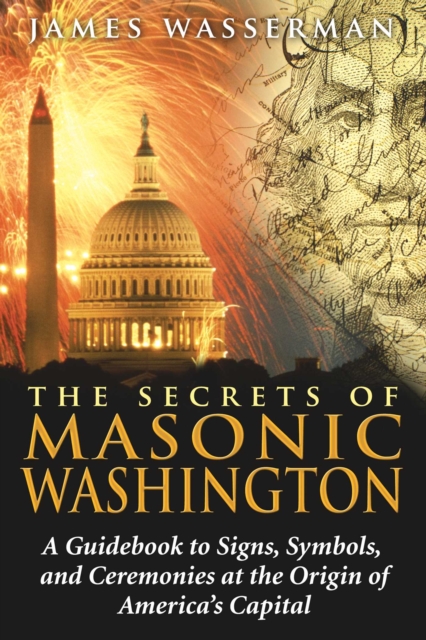
Explores the American Masonic system and its strengths and failings Examines the history of Freemasonry in the United States from the colonial era and the Revolutionary War to the rise of the Scottish branch onward Investigates the racial split in American Freemasonry between black lodges and white and how, unlike French lodges, women are ineligible to become Masons in the U.
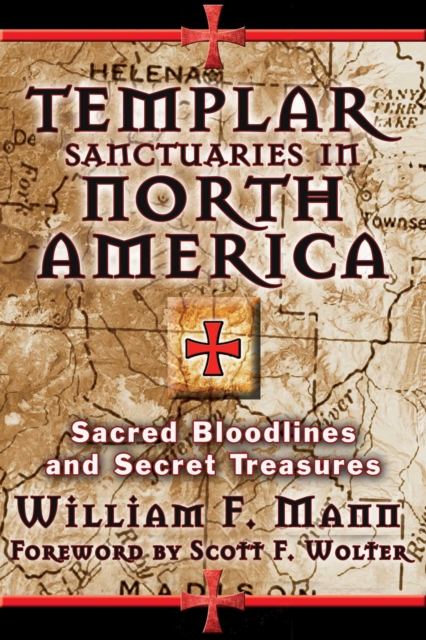
Traces the movement of the Templars secret treasure across North America to where it still resides, protected by a sacred lineage of guardians Explains how the Templars found refuge with Native American tribes, intermarrying with the Natives to continue the Holy Bloodline and further the lineage of guardians needed to protect their treasure and secrets Reveals new evidence for the existence of Templar settlements and monuments across North America and how these reactivate the continents sacred rose lines Pinpoints the exact location of the Templar/Holy Bloodline treasureMany have searched for the lost treasure of the Knights Templar, most famously at Oak Island.
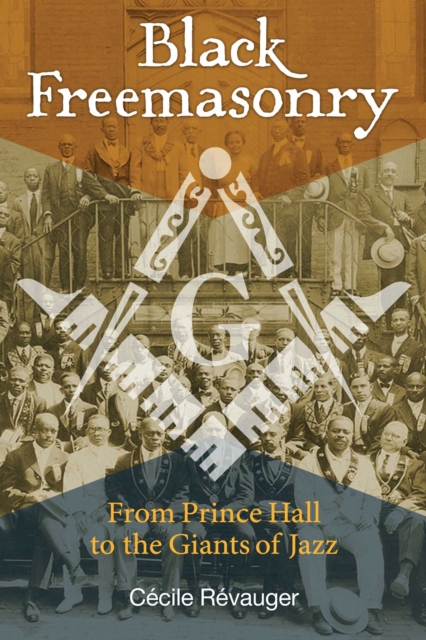
The history of black Freemasonry from Boston and Philadelphia in the late 1700s through the Civil War to the Civil Rights Movement Examines the letters of Prince Hall, legendary founder of the first black lodge Reveals how many of the most influential jazz musicians of the 20th century were also Masons, including Louis Armstrong, Duke Ellington, and Nat King Cole Explores the origins of the Civil Rights Movement within black Freemasonry and the roles played by Booker T.
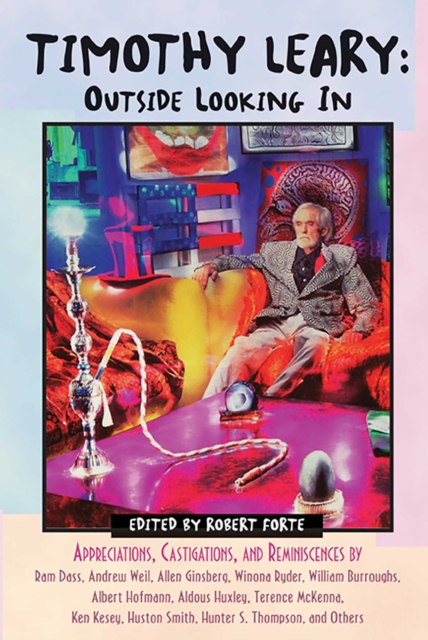
A memorial volume to one of this century's most colorful and pioneering figures in the consciousness movement A wide array of individuals from all stages of Leary's life provides a comprehensive view of the man and his impact on American culture One of the most influential and controversial people of the 20th century, Timothy Leary inspired profound feelings--both pro and con--from everyone with whom he came into contact.
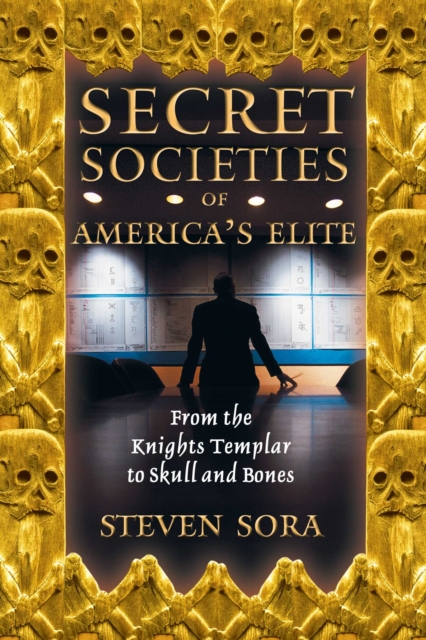
An expose of the dark and critical role secret societies play within the ruling families in America and their influence on American democracy, current events, and world history.
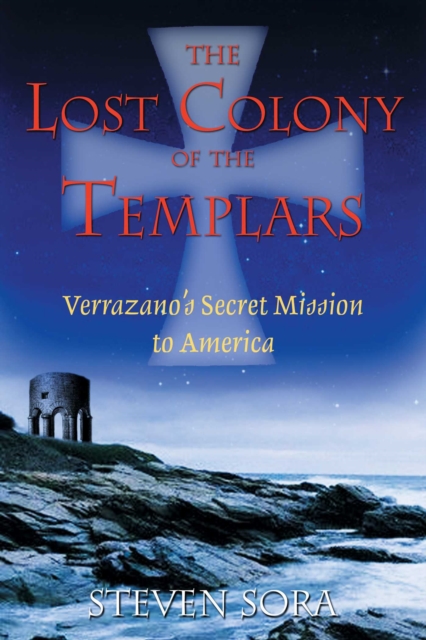
Reveals the existence of a Templar colony in the New World and how the explorer Verrazano, also a member of a secret society, attempted to reestablish contact with it Explores Columbuss connection to Henry Sinclairs maps of the New World Examines the secret alliance of Catholic Sulpicians and French Huguenots to preserve the Templar legacy Reveals the hidden knowledge preserved in the Templar baptisteries found throughout Europe and in Newport, Rhode Island In 1524 the Italian explorer Giovanni da Verrazano was sent by the French king Francis I on an expedition ostensibly to find a shorter route to China.
Reveals the true nature of the secret science the Templars discovered in the Holy Land that was the key to their power Shows the cartographic knowledge that allowed the Templars to cross the Atlantic and establish settlements in the New World Explains the connection of the Templar meridians to the journey of Lewis and Clark Shows the role played by secret societies in the establishment of the United StatesThe most enduring mystery surrounding the Templars concerns the nature and whereabouts of their great treasure.
Uses the principles of sacred geometry, archaeological evidence, and Native American legend to discover the site of a secret Templar settlement in Nova Scotia Offers evidence that Scottish prince Henry Sinclair not only sailed to the New World 100 years before Columbus, but that he also established a refuge there for the Templars fleeing persecution Shows that the Grail, the holy bloodline connecting the House of David to the Merovingian dynasty through Jesus and Mary Magdalene, was hidden in the New WorldIn 1398, almost 100 years before Columbus arrived in the New World, the Scottish prince Henry Sinclair, Earl of Orkney, sailed to what is today Nova Scotia, where his presence was recorded by Micmac Indian legends about Glooskap.
A revealing, behind-the-scenes examination of how Congress twice fumbled its best chance to hold accountable a president many considered one of the most dangerous in American history.
A ten-step technique, based on the teachings of the Toltecs, that allows the reader to heal from traumatic life events and emerge with new energy and direction.
An investigation into the discoveries of Lewis and Clark and other early explorers of America and the terrible acts committed to suppress them Provides archaeological proof of giants, the fountain of youth, and descriptions from Lewiss journals of a tribe of nearly white, blue-eyed Indians Uncovers evidence of explorers from Europe and Asia prior to Columbus and of ancient civilizations in North America and the Caribbean Investigates the Smithsonian conspiracy to cover up Lewis and Clarks discoveries and what lead to Lewiss murder Meriwether Lewis discovered far more than the history books tell--ancient civilizations, strange monuments, nearly white, blue-eyed Indians, and evidence that the American continent was visited long before the first European settlers arrived.
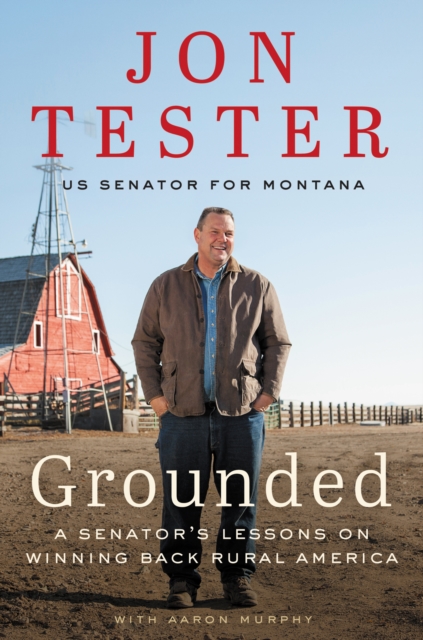
An inspiring and eye-opening memoir showing how Democrats can reconnect with rural and red-state voters, from Montana's three-term democratic senatorSenator Jon Tester is a rare voice in Congress.
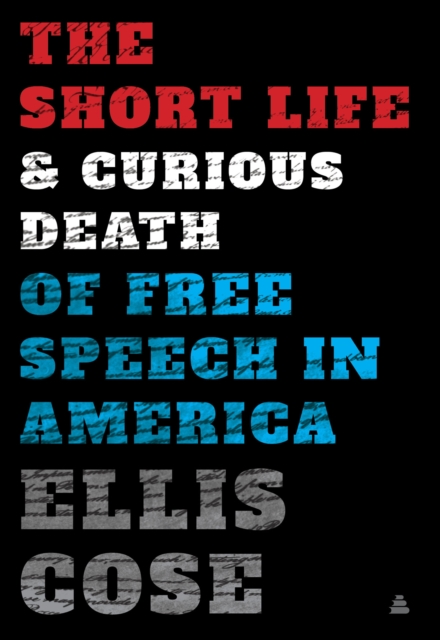
Named one ofNewsweeks "e;25 Must-Read Fall Fiction and Nonfiction Books to Escape the Chaos of 2020"e;The critically acclaimed journalist and bestselling author of The Rage of a Privileged Class explores one of the most essential rights in Americafree speechand reveals how it is crumbling under the combined weight of polarization, technology, money and systematized lying in this concise yet powerful and timely book.
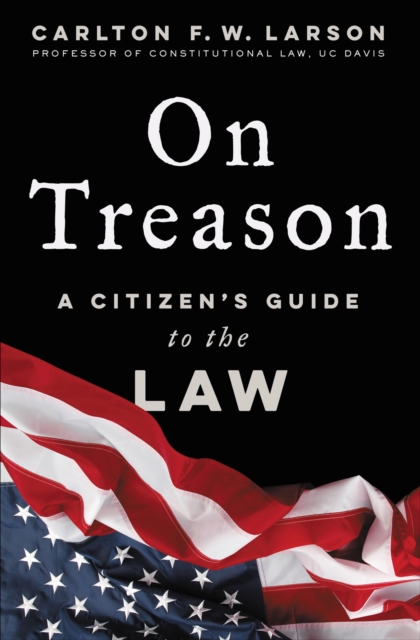
A concise, accessible, and engaging guide to the law of treason, written by the nation’s foremost expert on the subjectThe only crime defined in the United States Constitution, treason is routinely described by judges as more heinous than murder.
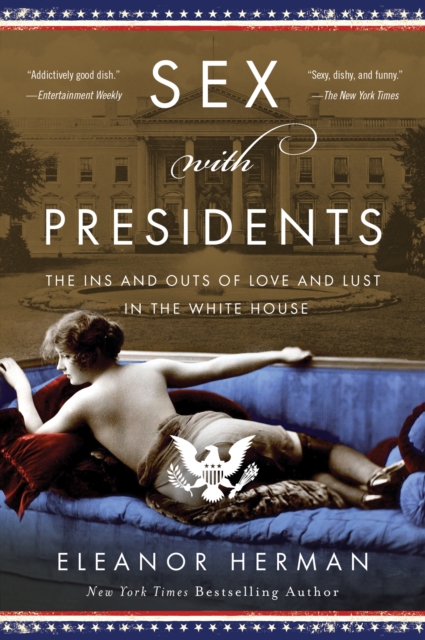
In this fascinating work of popular history, the New York Times bestselling author of Sex with Kings and The Royal Art of Poison uncovers the bedroom secrets of American presidents and explores the surprising ways voters have reacted to their leaders sex scandals.
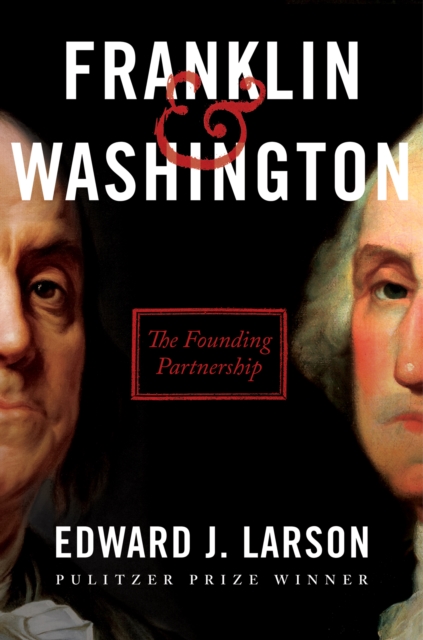
"e;Larson's elegantly written dual biography reveals that the partnership of Franklin and Washington was indispensable to the success of the Revolution.
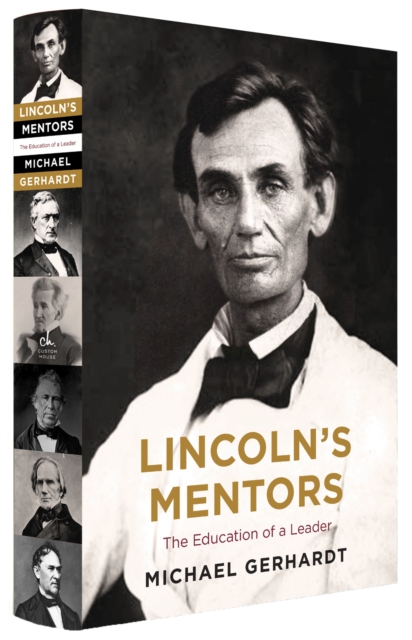
An "e;original, insightful"e; examination of how Abraham Lincoln learned to lead-and made an extraordinary political comeback (The Wall Street Journal).
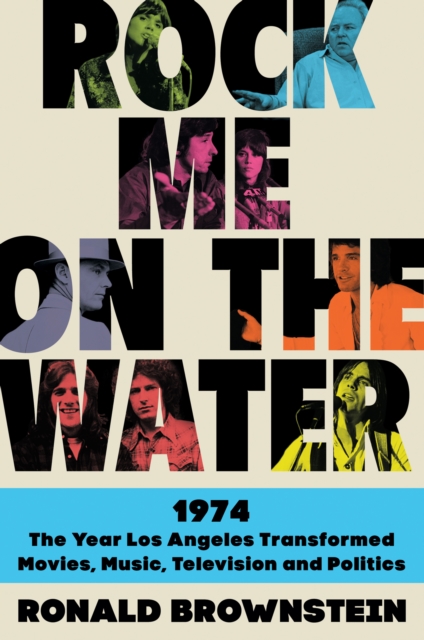
In this exceptional cultural history, Atlantic Senior Editor Ronald Brownsteinone of America's best political journalists (The Economist)tells the kaleidoscopic story of one monumental year that marked the city of Los Angeles creative peak, a glittering moment when popular culture was ahead of politics in predicting what America would become.
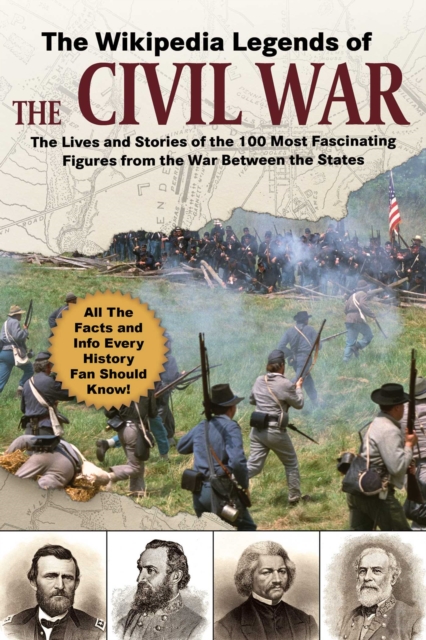
A Thorough, Comprehensive Guide to Seventy-Five of the Most Interesting and Influential Figures from the War Between the States, from Lincoln, Grant, and Sherman to Davis, Lee, and Jacksonand more For over 150 years, the Civil War has been an important touchstone in the history of the United States.
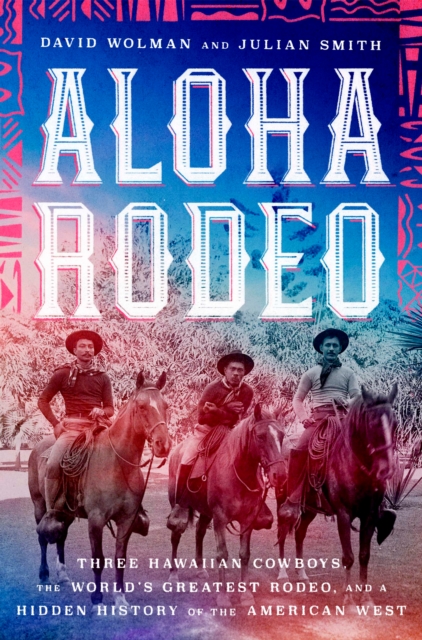
Thetriumphanttruestory of the native Hawaiian cowboys who crossed the Pacific to shock America at the 1908 world rodeo championshipsOregon Book Award winner *An NPR Best Book of the Year *Pacific Northwest Book Award finalist * A Reading the West Book Awards finalist"e;Groundbreaking.
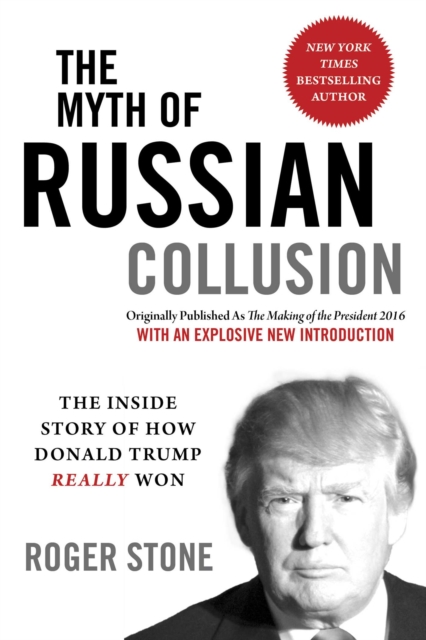
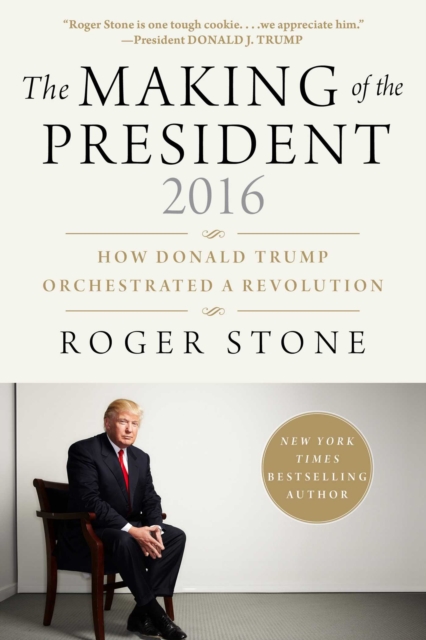
For the first time in paperback, New York Times best-selling author Roger Stone's insider tell-all about the presidential campaign that shocked the world.
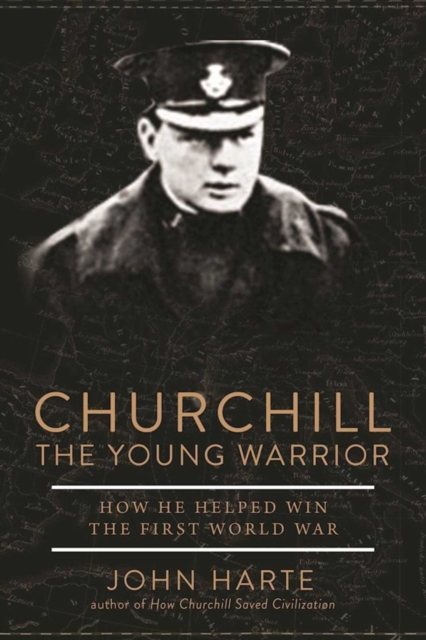
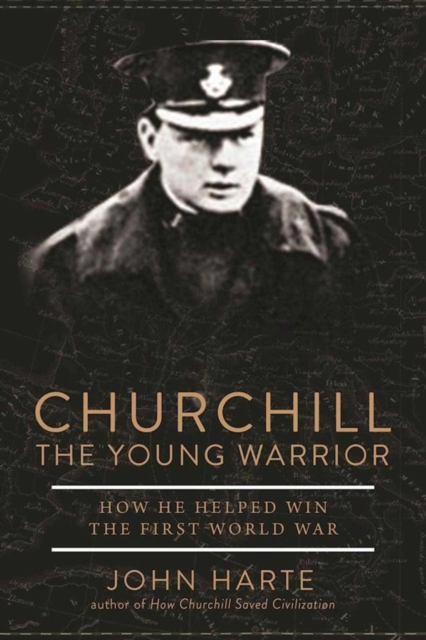
This is the intriguing chronicle of Winston Churchills early years as a young soldier fighting in several different types of warson horseback in the cavalry at Khartoum, with saber and lance against the Dervishes at age twenty-two, in the South African war against the Boers, and finally in the First World War after he resigned as First Lord of the Admiralty, to volunteer to lead a Scottish brigade in the trenches of the Western Front, as Lieutenant-Colonel.
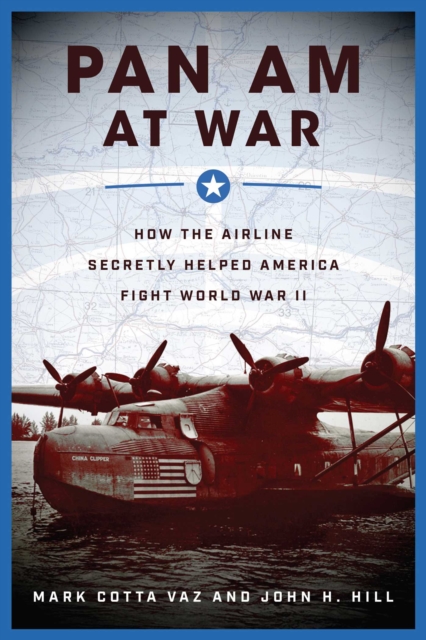
Filled with larger-than-life characters, and revelations of the vision and technology it took to dominate the skies before and during, World War II, here is a gripping piece of aviation history.
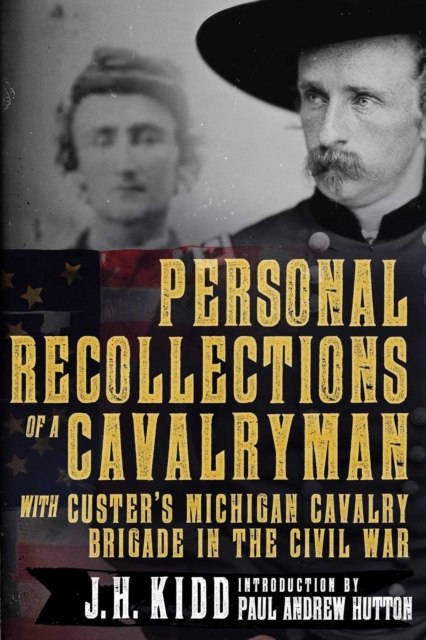
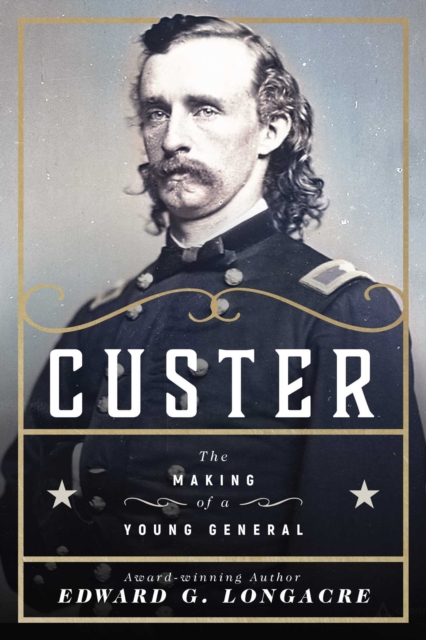
Chiefly known for his exploits in the Indian Wars, most significantly for his horrific defeat at the Little Bighorn in 1876, George Armstrong Custer found initial success on the battlefields of the Civil War, leading his Michigan Cavalry Brigade in more than sixty battles and skirmishes.
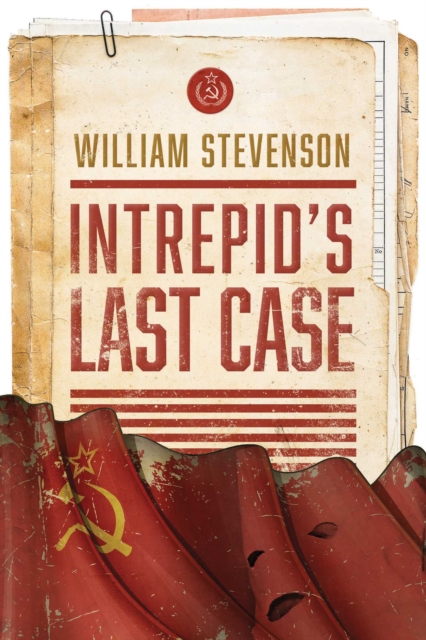
Intrepid's Last Case chronicles the post-World War II activities of Sir William Stephenson, whose fascinating role in helping to defeat the Nazis was the subject of the worldwide bestseller A Man Called Intrepid.
The name George Armstrong Custer looms large in American history, specifically for his leadership in the American Indian Wars and unfortunate fall at the Battle of Little Bighorn.
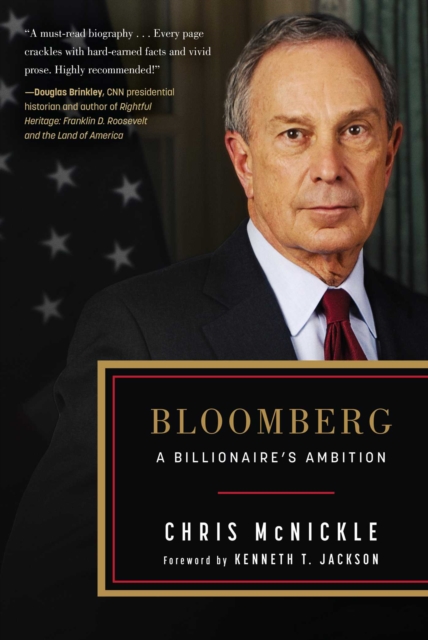
Examine the Bipartisan Legacy of a Remarkable Billionaire PoliticianBloomberg: A Billionaire's Ambition tells the story of how one of America's most successful entrepreneurs was elected mayor of New York City and what he did with the power he won.
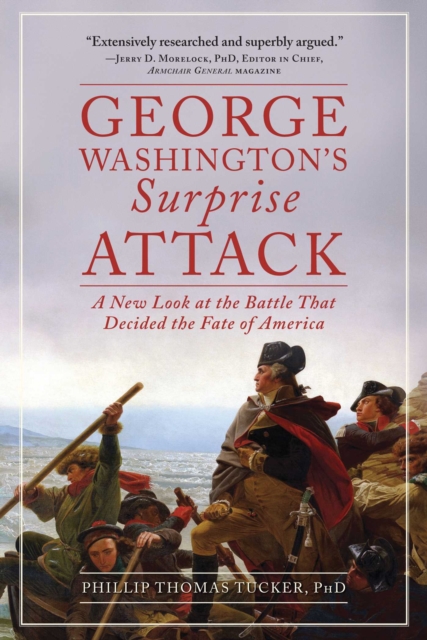
Extensively researched and superbly argued in Tuckers compelling narrative, this in-depth examination of George Washingtons military miracle at the Battle of Trenton unquestionably confirms the vital importance of that stunning victory.
This is the intriguing chronicle of Winston Churchills early years as a young soldier fighting in several different types of warson horseback in the cavalry at Khartoum, with saber and lance against the Dervishes at age twenty-two, in the South African war against the Boers, and finally in the First World War after he resigned as First Lord of the Admiralty, to volunteer to lead a Scottish brigade in the trenches of the Western Front, as Lieutenant-Colonel.