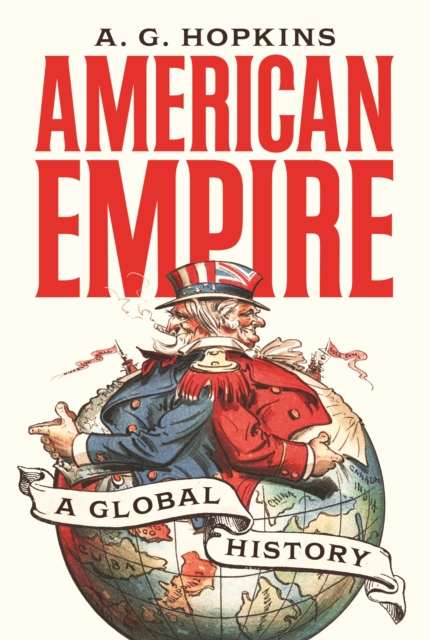
A new history of the United States that turns American exceptionalism on its headAmerican Empire is a panoramic work of scholarship that presents a bold new global perspective on the history of the United States.
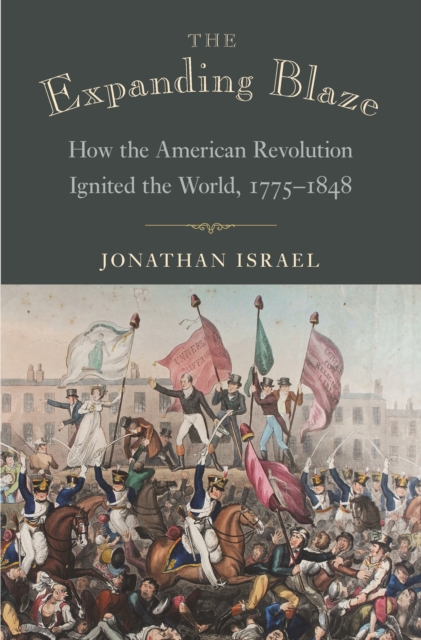
A major intellectual history of the American Revolution and its influence on later revolutions in Europe and the AmericasThe Expanding Blaze is a sweeping history of how the American Revolution inspired revolutions throughout Europe and the Atlantic world in the eighteenth and nineteenth centuries.
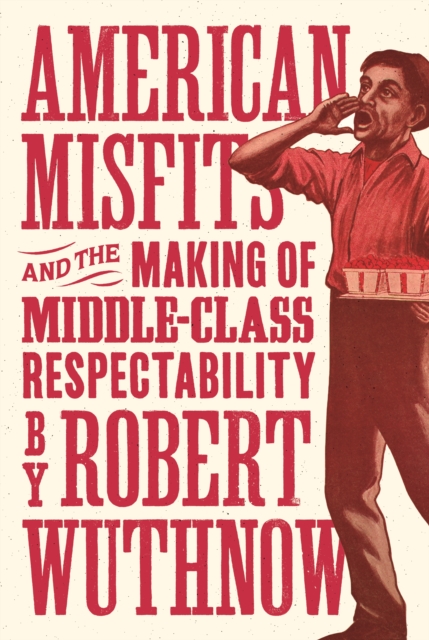
How American respectability has been built by maligning those who don't make the gradeHow did Americans come to think of themselves as respectable members of the middle class?
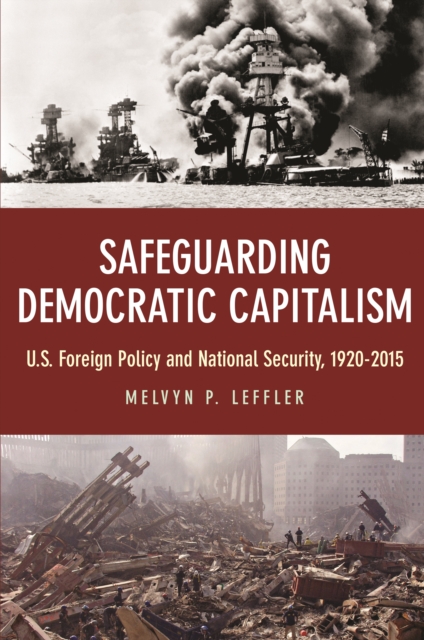
Safeguarding Democratic Capitalism gathers together decades of writing by Melvyn Leffler, one of the most respected historians of American foreign policy, to address important questions about U.
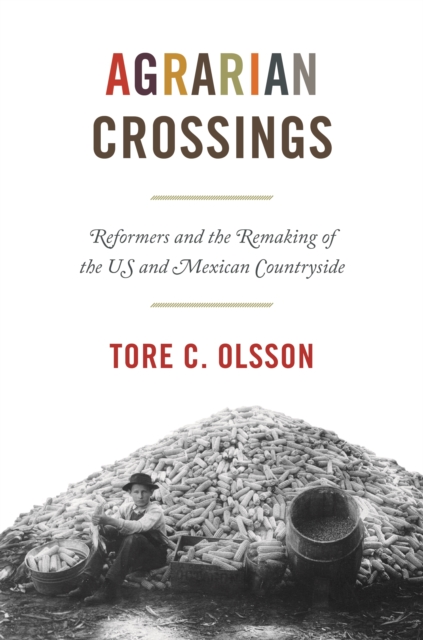
In the 1930s and 1940s, rural reformers in the United States and Mexico waged unprecedented campaigns to remake their countrysides in the name of agrarian justice and agricultural productivity.
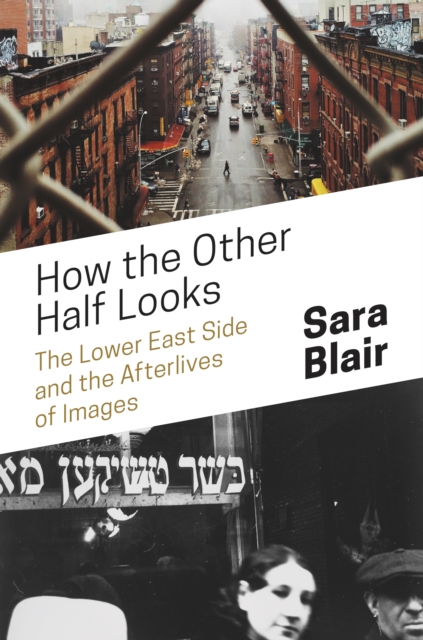
How New York's Lower East Side inspired new ways of seeing AmericaNew York City's Lower East Side, long viewed as the space of what Jacob Riis notoriously called the "e;other half,"e; was also a crucible for experimentation in photography, film, literature, and visual technologies.
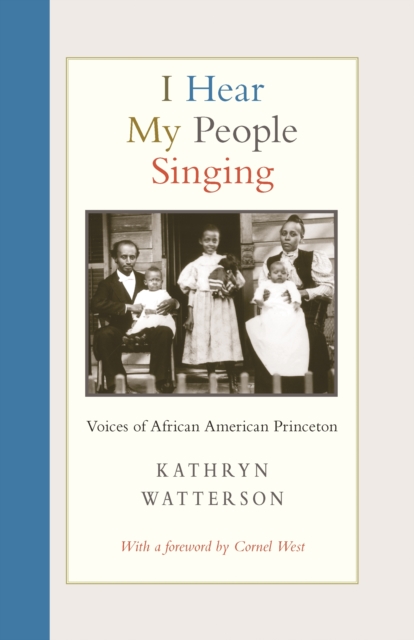
A vivid history of life in Princeton, New Jersey, told through the voices of its African American residentsI Hear My People Singing shines a light on a small but historic black neighborhood at the heart of one of the most elite and world-renowned Ivy-League towns-Princeton, New Jersey.
How American westward expansion was governmentally engineered to promote the formation of a white settler nationWestward expansion of the United States is most conventionally remembered for rugged individualism, geographic isolationism, and a fair amount of luck.
In the years between the Revolutionary War and the drafting of the Constitution, American gentlemen-the merchants, lawyers, planters, and landowners who comprised the independent republic's elite-worked hard to maintain their positions of power.
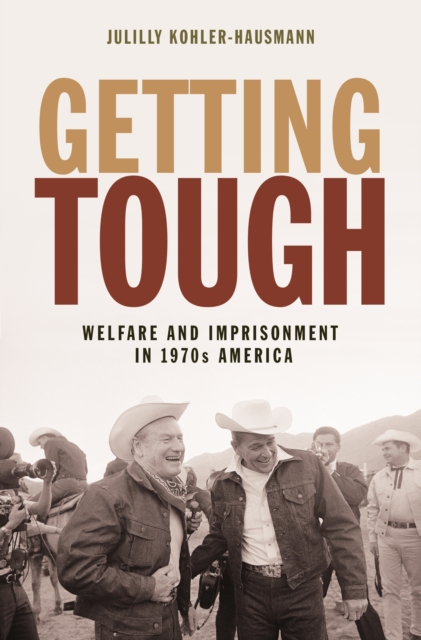
The politics and policies that led to America's expansion of the penal system and reduction of welfare programsIn 1970s America, politicians began "e;getting tough"e; on drugs, crime, and welfare.
How Jewish responses during the Holocaust shed new light on the dynamics of genocide and political violenceFocusing on the choices and actions of Jews during the Holocaust, Ordinary Jews examines the different patterns of behavior of civilians targeted by mass violence.
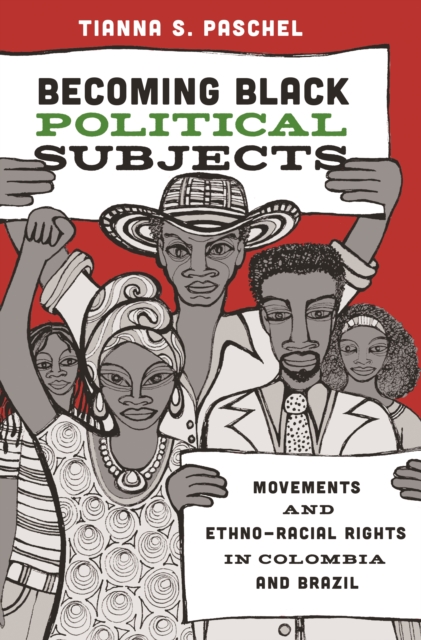
After decades of denying racism and underplaying cultural diversity, Latin American states began adopting transformative ethno-racial legislation in the late 1980s.
A book that rewrites the history of American prosperity and inequalityUnequal Gains offers a radically new understanding of the economic evolution of the United States, providing a complete picture of the uneven progress of America from colonial times to today.
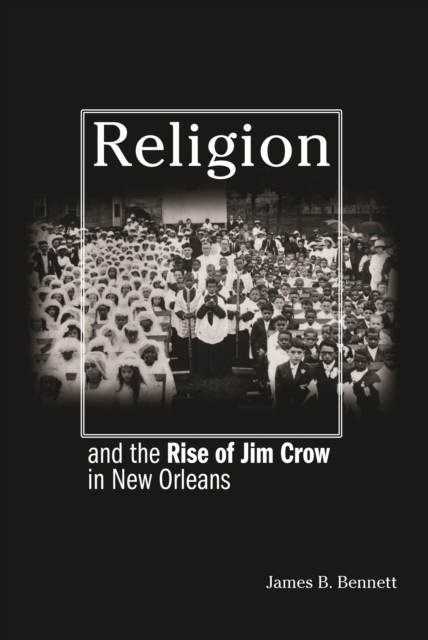
Religion and the Rise of Jim Crow in New Orleans examines a difficult chapter in American religious history: the story of race prejudice in American Christianity.
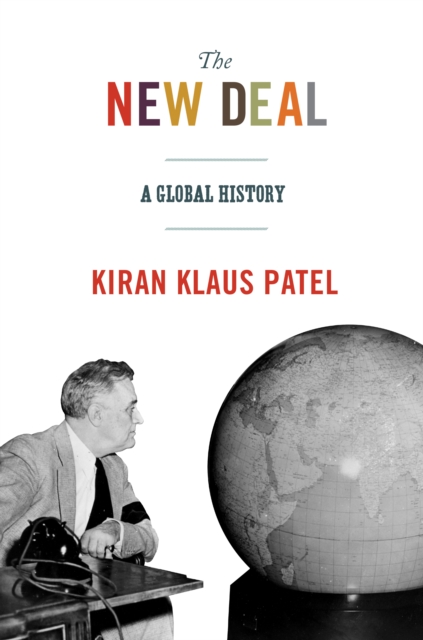
The first history of the new deal in global contextThe New Deal: A Global History provides a radically new interpretation of a pivotal period in US history.
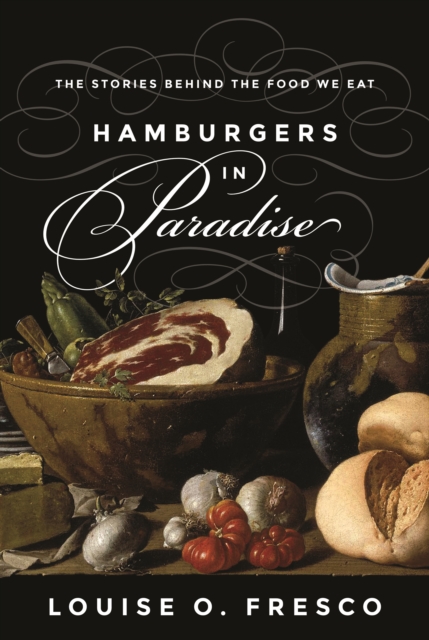
A fascinating exploration of our past, present, and future relationship with foodFor the first time in human history, there is food in abundance throughout the world.
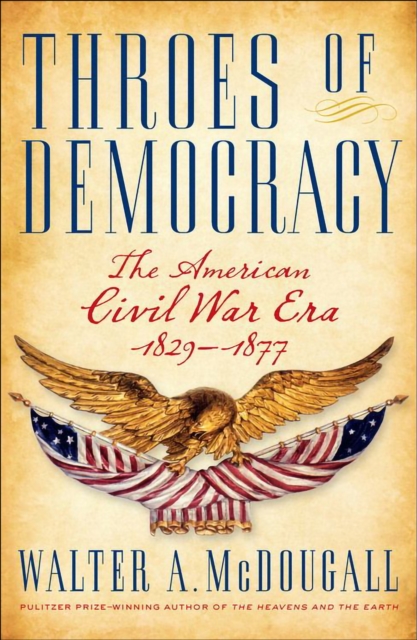
A "e;provocative and richly detailed"e; history of 19th-century America from the age of Jackson to the abandonment of Reconstruction (Kirkus, starred review).
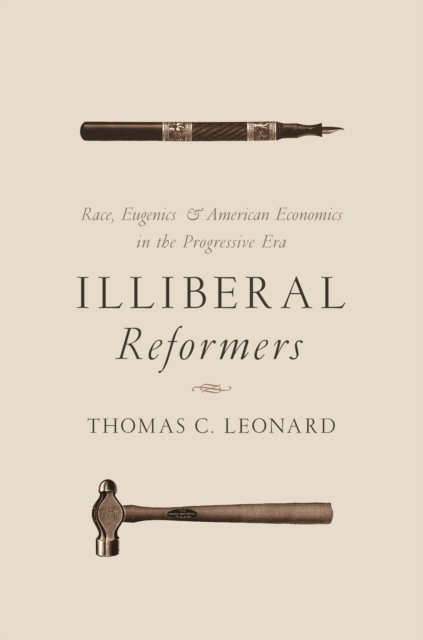
The pivotal and troubling role of progressive-era economics in the shaping of modern American liberalismIn Illiberal Reformers, Thomas Leonard reexamines the economic progressives whose ideas and reform agenda underwrote the Progressive Era dismantling of laissez-faire and the creation of the regulatory welfare state, which, they believed, would humanize and rationalize industrial capitalism.
A Class by Herself explores the historical role and influence of protective legislation for American women workers, both as a step toward modern labor standards and as a barrier to equal rights.
A galaxy of legendary figures from the annals of Western historyIn this enlightening and entertaining work, Paul Johnson, the bestselling author of Intellectuals and Creators, approaches the subject of heroism with stirring examples of men and women from every age, walk of life, and corner of the planet who have inspired and transformed not only their own cultures but the entire world as well.
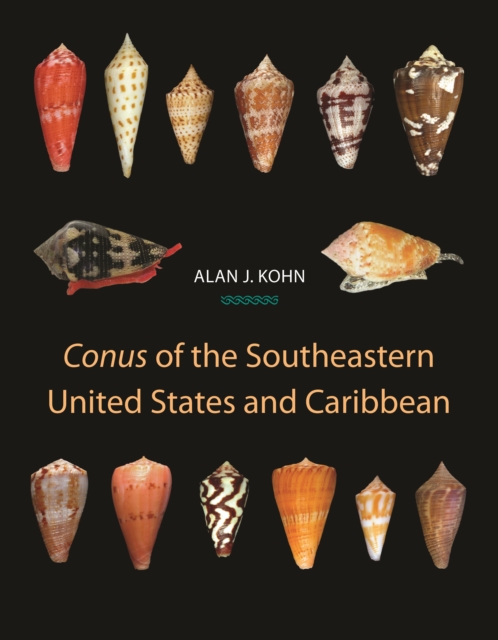
Conus is the largest genus of animals in the sea, occurring throughout the world's tropical and subtropical oceans and contributing significantly to marine biodiversity.
An in-depth examination of the economic and social transition from slavery to capitalism during ReconstructionAt the center of the upheavals brought by emancipation in the American South was the economic and social transition from slavery to modern capitalism.
A groundbreaking exploration of Garveyism's global influence during the interwar years and beyondJamaican activist Marcus Garvey (1887-1940) organized the Universal Negro Improvement Association in Harlem in 1917.
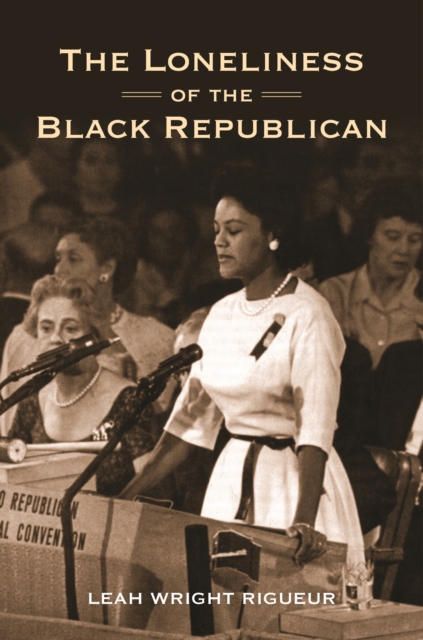
The story of black conservatives in the Republican Party from the New Deal to Ronald ReaganCovering more than four decades of American social and political history, The Loneliness of the Black Republican examines the ideas and actions of black Republican activists, officials, and politicians, from the era of the New Deal to Ronald Reagan's presidential ascent in 1980.
Don't Blame Us traces the reorientation of modern liberalism and the Democratic Party away from their roots in labor union halls of northern cities to white-collar professionals in postindustrial high-tech suburbs, and casts new light on the importance of suburban liberalism in modern American political culture.
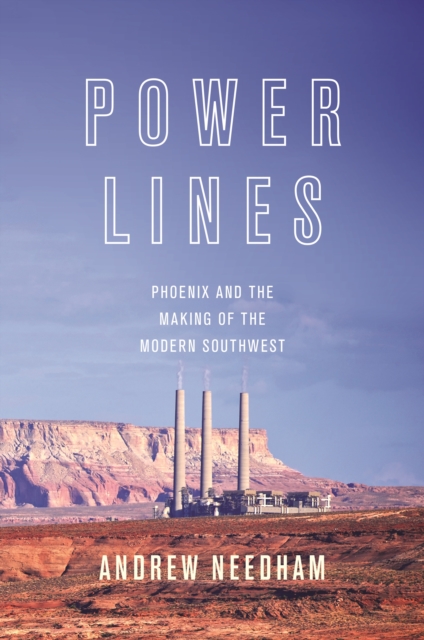
How high energy consumption transformed postwar Phoenix and deepened inequalities in the American SouthwestIn 1940, Phoenix was a small, agricultural city of sixty-five thousand, and the Navajo Reservation was an open landscape of scattered sheepherders.
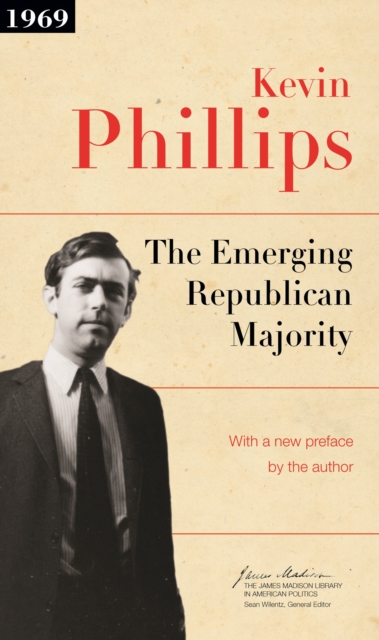
One of the most important and controversial books in modern American politics, The Emerging Republican Majority (1969) explained how Richard Nixon won the White House in 1968-and why the Republicans would go on to dominate presidential politics for the next quarter century.
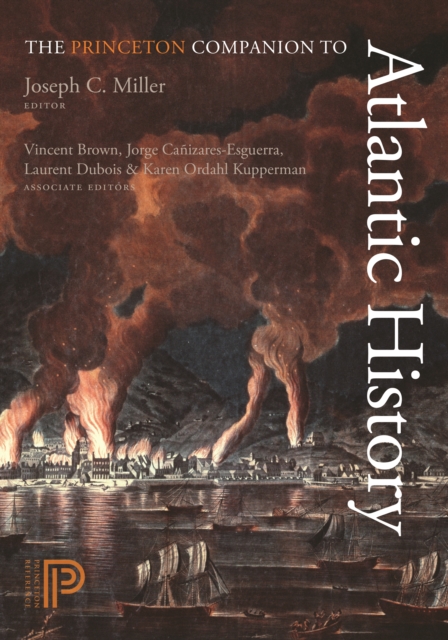
The first encyclopedic reference to Atlantic historyBetween the fifteenth and nineteenth centuries, the connections among Africa, the Americas, and Europe transformed world history-through maritime exploration, commercial engagements, human migrations and settlements, political realignments and upheavals, cultural exchanges, and more.
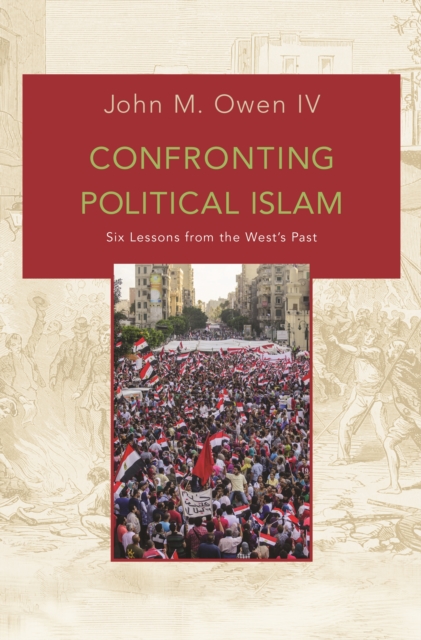
How the conflicts of Western history shed light on current upheavals in the Middle EastPolitical Islam has often been compared to ideological movements of the past such as fascism or Christian theocracy.
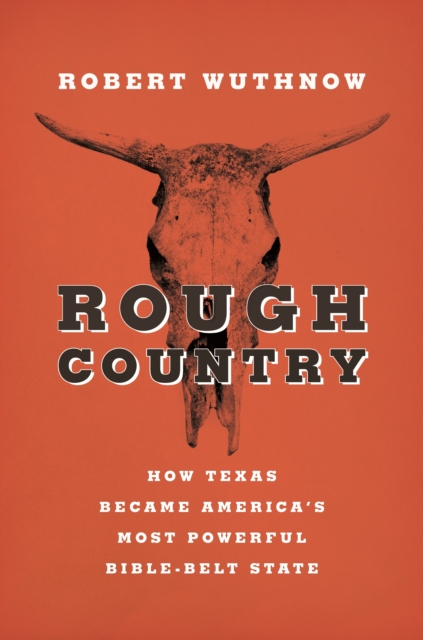
How the history of Texas illuminates America's post-Civil War pastTracing the intersection of religion, race, and power in Texas from Reconstruction through the rise of the Religious Right and the failed presidential bid of Governor Rick Perry, Rough Country illuminates American history since the Civil War in new ways, demonstrating that Texas's story is also America's.
A compelling intellectual and literary history of midcentury AmericaIn a midcentury American cultural episode forgotten today, intellectuals of all schools shared a belief that human nature was under threat.
A panoramic social history of hurricanes in the CaribbeanThe diverse cultures of the Caribbean have been shaped as much by hurricanes as they have by diplomacy, commerce, or the legacy of colonial rule.
An authoritative one-volume history of the origins and development of American higher educationThis book tells the compelling saga of American higher education from the founding of Harvard College in 1636 to the outbreak of World War II.
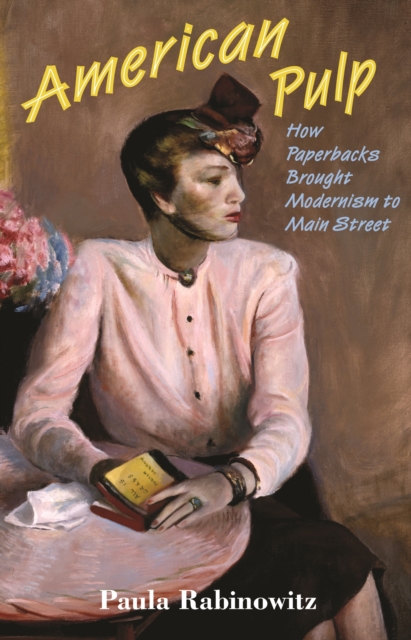
A richly illustrated cultural history of the midcentury pulp paperback"e;There is real hope for a culture that makes it as easy to buy a book as it does a pack of cigarettes.
The reasons behind Detroit's persistent racialized poverty after World War IIOnce America's "e;arsenal of democracy,"e; Detroit is now the symbol of the American urban crisis.