A galaxy of legendary figures from the annals of Western historyIn this enlightening and entertaining work, Paul Johnson, the bestselling author of Intellectuals and Creators, approaches the subject of heroism with stirring examples of men and women from every age, walk of life, and corner of the planet who have inspired and transformed not only their own cultures but the entire world as well.
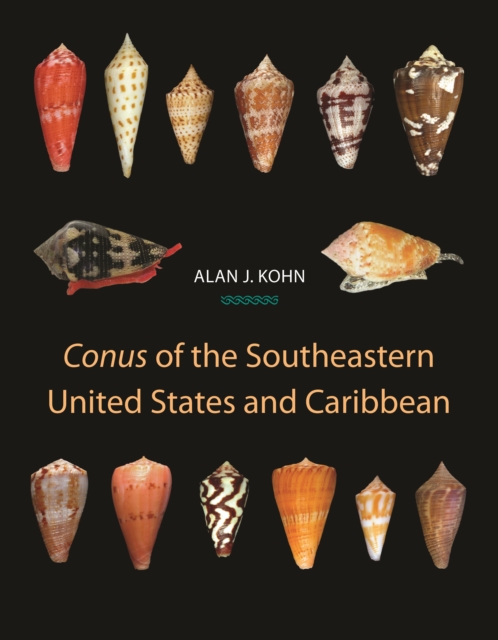
Conus is the largest genus of animals in the sea, occurring throughout the world's tropical and subtropical oceans and contributing significantly to marine biodiversity.
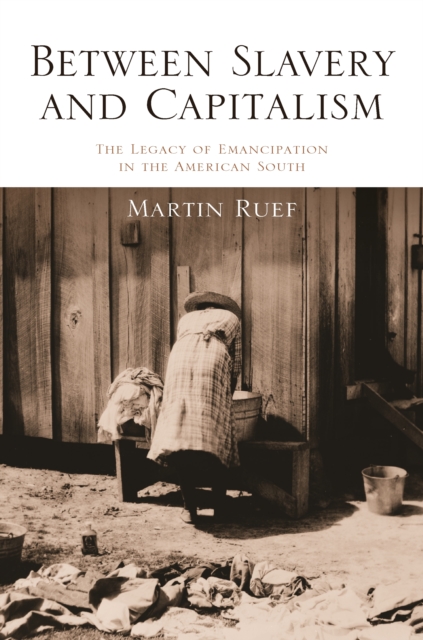
An in-depth examination of the economic and social transition from slavery to capitalism during ReconstructionAt the center of the upheavals brought by emancipation in the American South was the economic and social transition from slavery to modern capitalism.
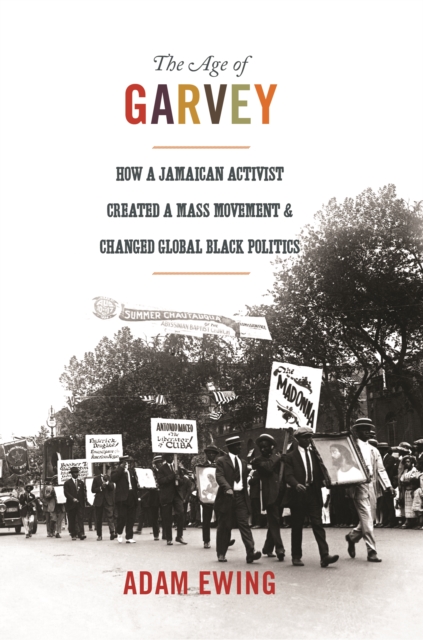
A groundbreaking exploration of Garveyism's global influence during the interwar years and beyondJamaican activist Marcus Garvey (1887-1940) organized the Universal Negro Improvement Association in Harlem in 1917.
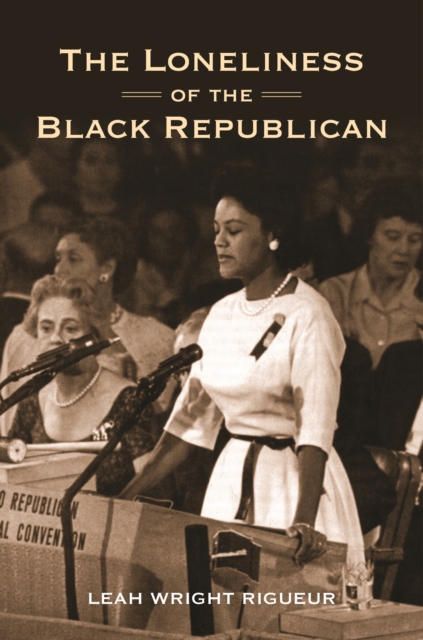
The story of black conservatives in the Republican Party from the New Deal to Ronald ReaganCovering more than four decades of American social and political history, The Loneliness of the Black Republican examines the ideas and actions of black Republican activists, officials, and politicians, from the era of the New Deal to Ronald Reagan's presidential ascent in 1980.
Don't Blame Us traces the reorientation of modern liberalism and the Democratic Party away from their roots in labor union halls of northern cities to white-collar professionals in postindustrial high-tech suburbs, and casts new light on the importance of suburban liberalism in modern American political culture.
How high energy consumption transformed postwar Phoenix and deepened inequalities in the American SouthwestIn 1940, Phoenix was a small, agricultural city of sixty-five thousand, and the Navajo Reservation was an open landscape of scattered sheepherders.
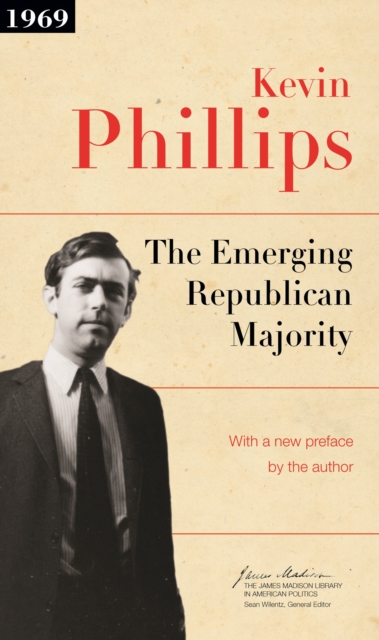
One of the most important and controversial books in modern American politics, The Emerging Republican Majority (1969) explained how Richard Nixon won the White House in 1968-and why the Republicans would go on to dominate presidential politics for the next quarter century.
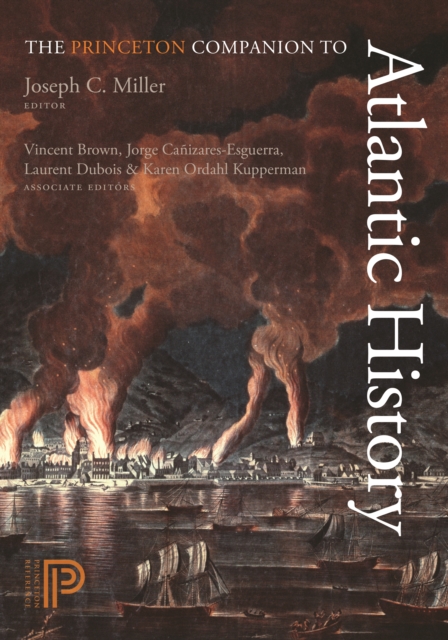
The first encyclopedic reference to Atlantic historyBetween the fifteenth and nineteenth centuries, the connections among Africa, the Americas, and Europe transformed world history-through maritime exploration, commercial engagements, human migrations and settlements, political realignments and upheavals, cultural exchanges, and more.
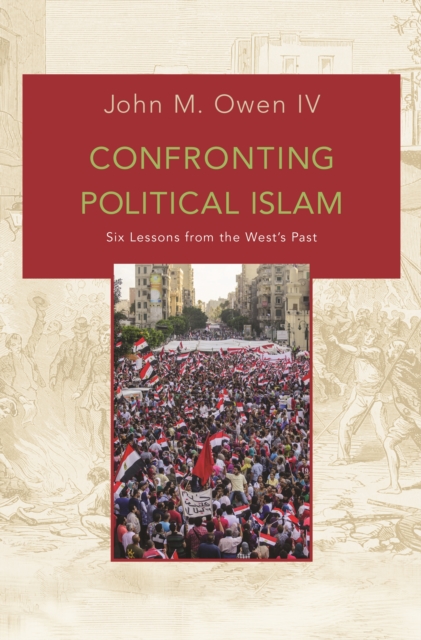
How the conflicts of Western history shed light on current upheavals in the Middle EastPolitical Islam has often been compared to ideological movements of the past such as fascism or Christian theocracy.
How the history of Texas illuminates America's post-Civil War pastTracing the intersection of religion, race, and power in Texas from Reconstruction through the rise of the Religious Right and the failed presidential bid of Governor Rick Perry, Rough Country illuminates American history since the Civil War in new ways, demonstrating that Texas's story is also America's.
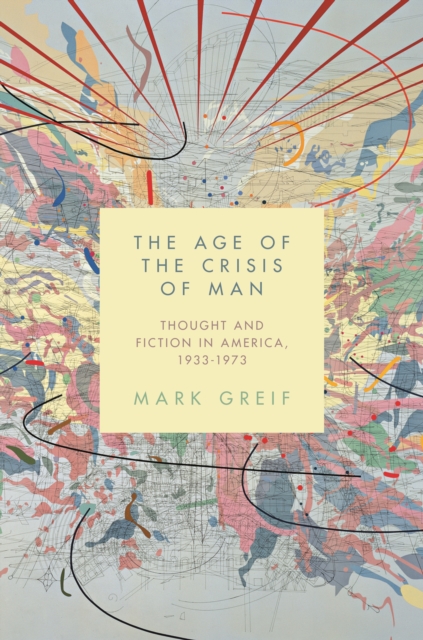
A compelling intellectual and literary history of midcentury AmericaIn a midcentury American cultural episode forgotten today, intellectuals of all schools shared a belief that human nature was under threat.
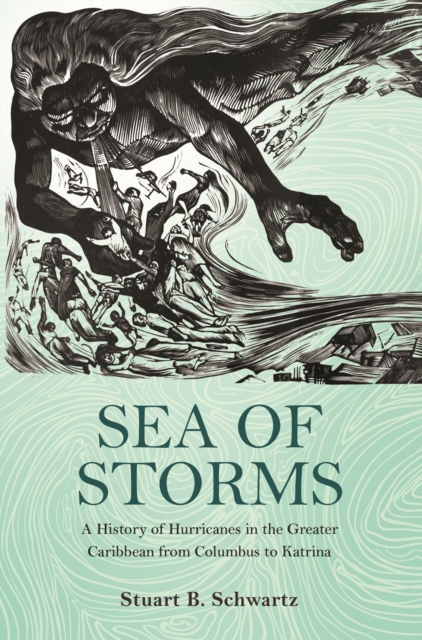
A panoramic social history of hurricanes in the CaribbeanThe diverse cultures of the Caribbean have been shaped as much by hurricanes as they have by diplomacy, commerce, or the legacy of colonial rule.
An authoritative one-volume history of the origins and development of American higher educationThis book tells the compelling saga of American higher education from the founding of Harvard College in 1636 to the outbreak of World War II.
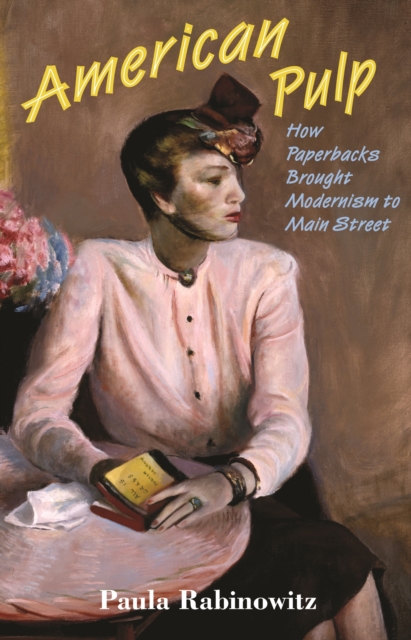
A richly illustrated cultural history of the midcentury pulp paperback"e;There is real hope for a culture that makes it as easy to buy a book as it does a pack of cigarettes.
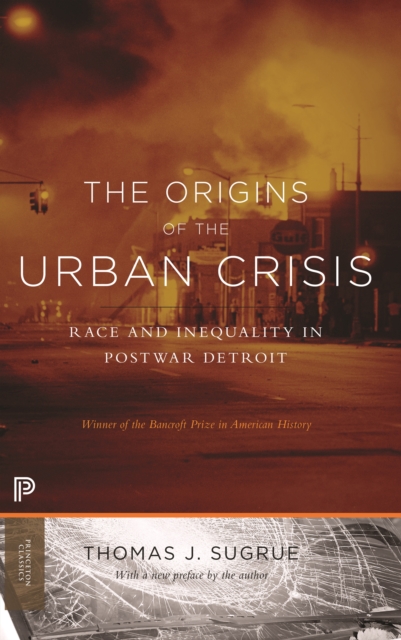
The reasons behind Detroit's persistent racialized poverty after World War IIOnce America's "e;arsenal of democracy,"e; Detroit is now the symbol of the American urban crisis.
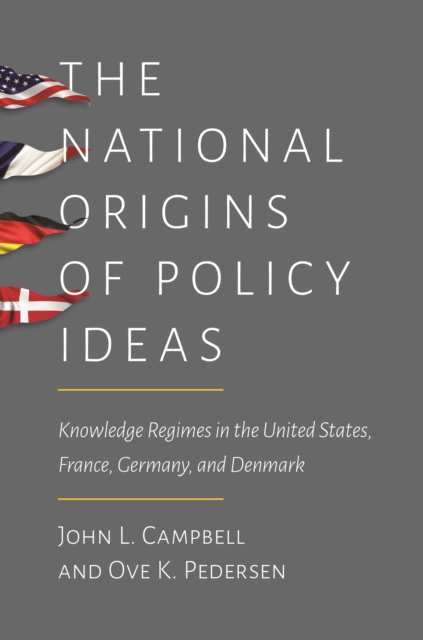
While America's relationship with Britain has often been deemed unique, especially during the two world wars when Germany was a common enemy, the American business sector actually had a greater affinity with Germany for most of the twentieth century.
From the author of Think, an enlightening and entertaining exploration of narcissism and self-esteemEveryone deplores narcissism, especially in others.
A groundbreaking book that gathers key wartime intelligence reportsDuring the Second World War, three prominent members of the Frankfurt School-Franz Neumann, Herbert Marcuse, and Otto Kirchheimer-worked as intelligence analysts for the Office of Strategic Services, the wartime forerunner of the CIA.
The strengths and weaknesses of the presidents who led the United States to the Civil WarThe United States witnessed an unprecedented failure of its political system in the mid-nineteenth century, resulting in a disastrous civil war that claimed the lives of an estimated 750,000 Americans.
An intimate look at war through the lives of soldiers and their families at Fort HoodMaking War at Fort Hood offers an illuminating look at war through the daily lives of the people whose job it is to produce it.
A close look at the aftereffects of the Mount Laurel affordable housing decisionUnder the New Jersey State Constitution as interpreted by the State Supreme Court in 1975 and 1983, municipalities are required to use their zoning authority to create realistic opportunities for a fair share of affordable housing for low- and moderate-income households.
The important role of liberal ecumenical Protestantism in American historyThe role of liberalized, ecumenical Protestantism in American history has too often been obscured by the more flamboyant and orthodox versions of the faith that oppose evolution, embrace narrow conceptions of family values, and continue to insist that the United States should be understood as a Christian nation.
How Red Scare politics undermined the reform potential of the New DealIn the name of protecting Americans from Soviet espionage, the post-1945 Red Scare curtailed the reform agenda of the New Deal.
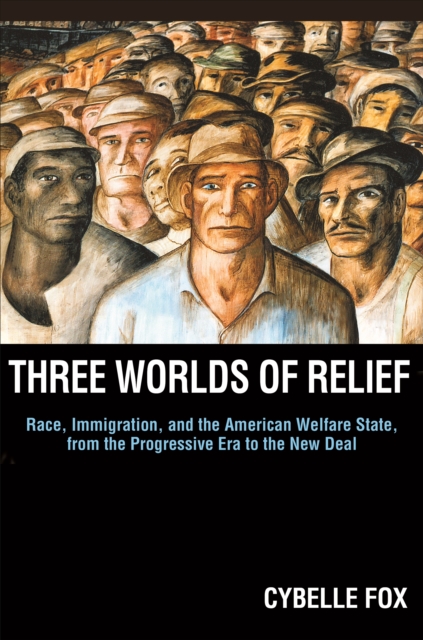
Three Worlds of Relief examines the role of race and immigration in the development of the American social welfare system by comparing how blacks, Mexicans, and European immigrants were treated by welfare policies during the Progressive Era and the New Deal.
Combining literary, cultural, and political history, and based on extensive archival research, including previously unseen FBI and CIA documents, Archives of Authority argues that cultural politics--specifically America's often covert patronage of the arts--played a highly important role in the transfer of imperial authority from Britain to the United States during a critical period after World War II.
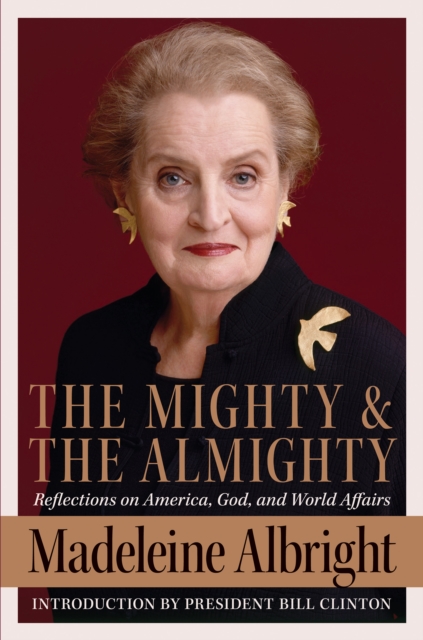
In this fascinating book, Madeleine Albright weaves together history, personal experiences, and brilliant analysis in exploring how religion can be a force for liberty and tolerance rather than oppression and terror.
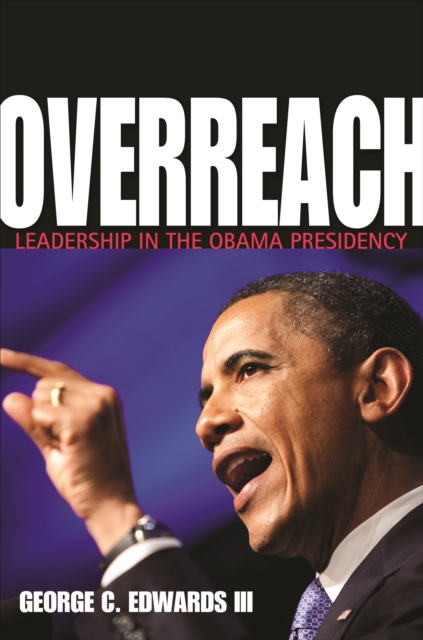
How Obama overestimated the power of rhetoric and persuasion during his presidencyWhen Barack Obama became president, many Americans embraced him as a transformational leader who would fundamentally change the politics and policy of the country.
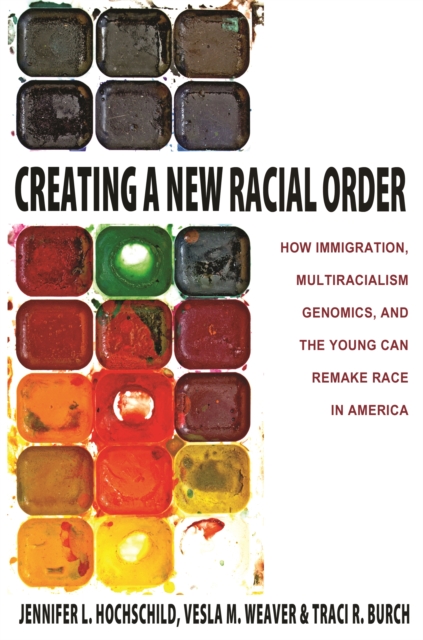
A groundbreaking exploration of how race in America is being redefinedThe American racial order-the beliefs, institutions, and practices that organize relationships among the nation's races and ethnicities-is undergoing its greatest transformation since the 1960s.
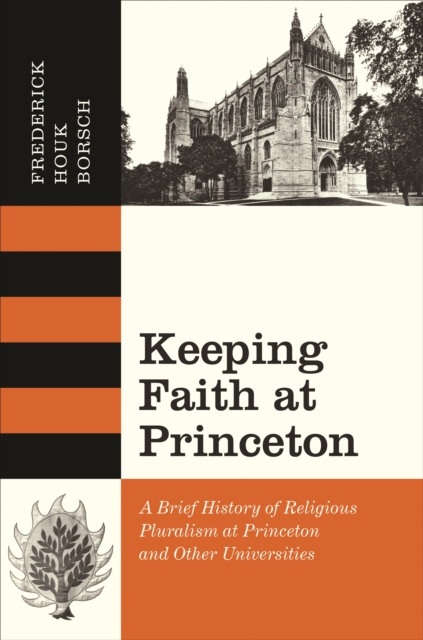
An inside look at how religious diversity came to PrincetonIn 1981, Frederick Houk Borsch returned to Princeton University, his alma mater, to serve as dean of the chapel at the Ivy League school.
More than 100,000 Ulster Presbyterians of Scottish origin migrated to the American colonies in the six decades prior to the American Revolution, the largest movement of any group from the British Isles to British North America in the eighteenth century.
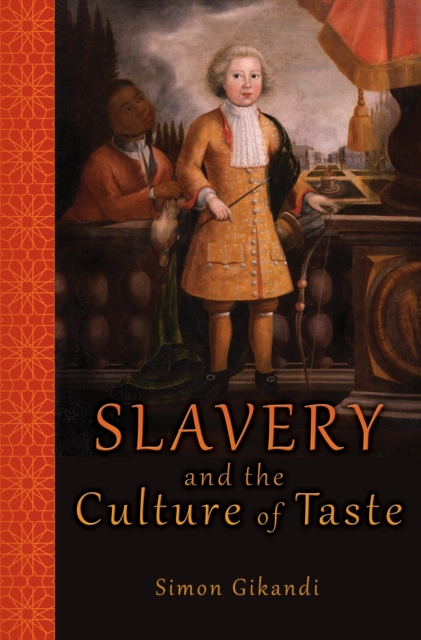
It would be easy to assume that, in the eighteenth century, slavery and the culture of taste--the world of politeness, manners, and aesthetics--existed as separate and unequal domains, unrelated in the spheres of social life.
This book tracks the dramatic outcomes of the federal government's growing involvement in higher education between World War I and the 1970s, and the conservative backlash against that involvement from the 1980s onward.
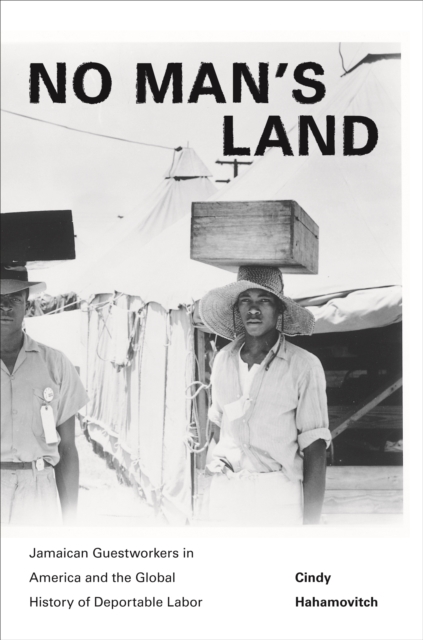
From South Africa in the nineteenth century to Hong Kong today, nations around the world, including the United States, have turned to guestworker programs to manage migration.