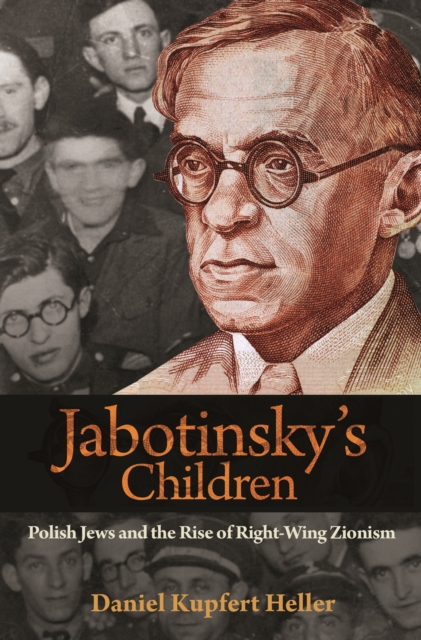
How interwar Poland and its Jewish youth were instrumental in shaping the ideology of right-wing ZionismBy the late 1930s, as many as fifty thousand Polish Jews belonged to Betar, a youth movement known for its support of Vladimir Jabotinsky, the founder of right-wing Zionism.
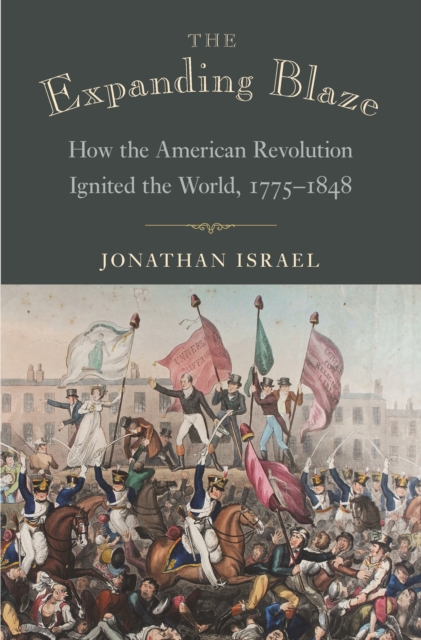
A major intellectual history of the American Revolution and its influence on later revolutions in Europe and the AmericasThe Expanding Blaze is a sweeping history of how the American Revolution inspired revolutions throughout Europe and the Atlantic world in the eighteenth and nineteenth centuries.
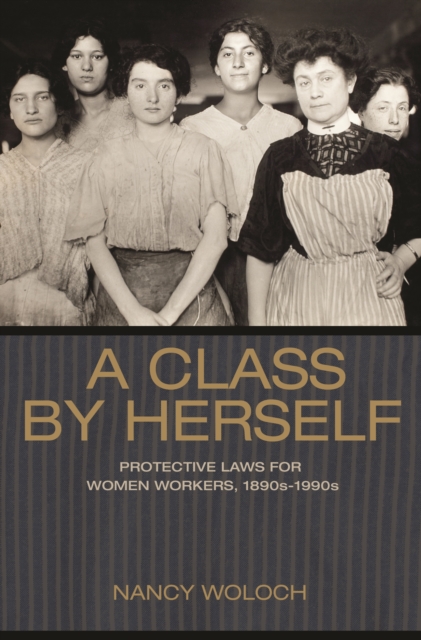
A Class by Herself explores the historical role and influence of protective legislation for American women workers, both as a step toward modern labor standards and as a barrier to equal rights.
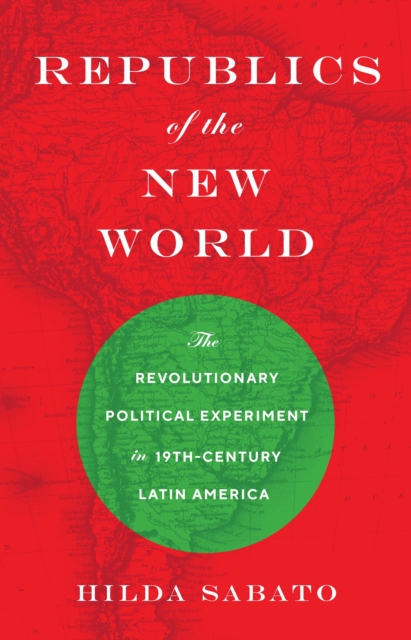
A sweeping history of Latin American republicanism in the nineteenth centuryBy the 1820s, after three centuries under imperial rule, the former Spanish territories of Latin America had shaken off their colonial bonds and founded independent republics.
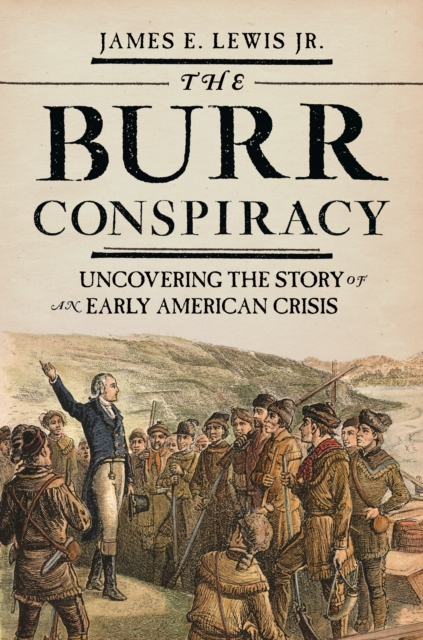
A multifaceted portrait of the early American republic as seen through the lens of the Burr ConspiracyIn 1805 and 1806, Aaron Burr, former vice president of the newly formed American republic, traveled through the Trans-Appalachian West gathering support for a mysterious enterprise, for which he was arrested and tried for treason in 1807.
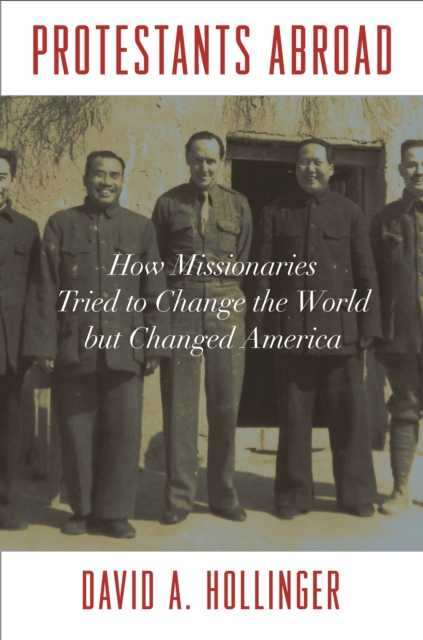
They sought to transform the world, and ended up transforming twentieth-century AmericaBetween the 1890s and the Vietnam era, many thousands of American Protestant missionaries were sent to live throughout the non-European world.
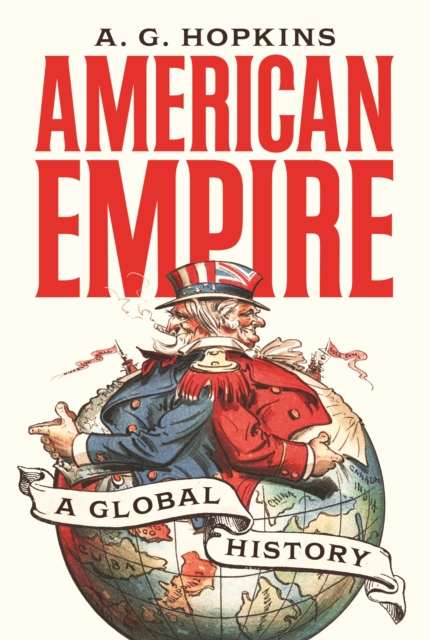
A new history of the United States that turns American exceptionalism on its headAmerican Empire is a panoramic work of scholarship that presents a bold new global perspective on the history of the United States.
Sharpening the debate over the values that formed America's founding political philosophy, Barry Alan Shain challenges us to reconsider what early Americans meant when they used such basic political concepts as the public good, liberty, and slavery.
A book that rewrites the history of American prosperity and inequalityUnequal Gains offers a radically new understanding of the economic evolution of the United States, providing a complete picture of the uneven progress of America from colonial times to today.
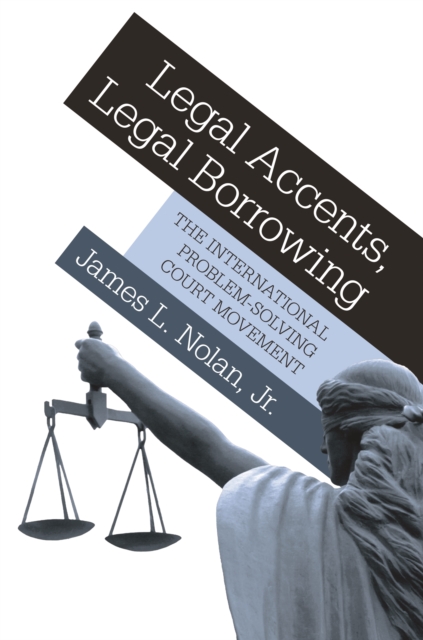
A wide variety of problem-solving courts have been developed in the United States over the past two decades and are now being adopted in countries around the world.
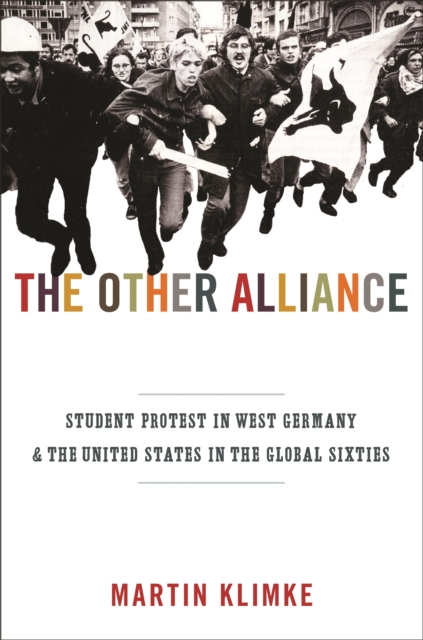
Using previously classified documents and original interviews, The Other Alliance examines the channels of cooperation between American and West German student movements throughout the 1960s and early 1970s, and the reactions these relationships provoked from the U.
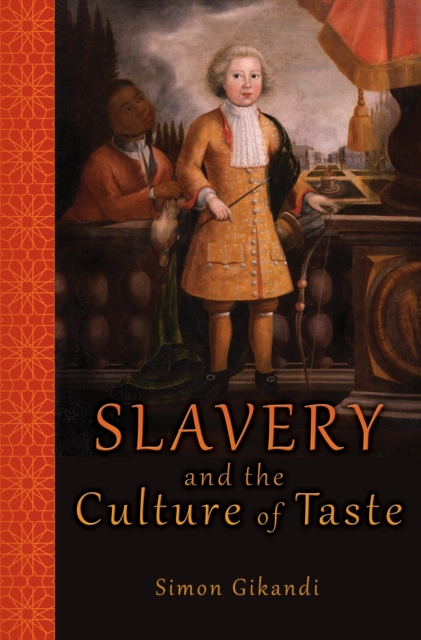
It would be easy to assume that, in the eighteenth century, slavery and the culture of taste--the world of politeness, manners, and aesthetics--existed as separate and unequal domains, unrelated in the spheres of social life.
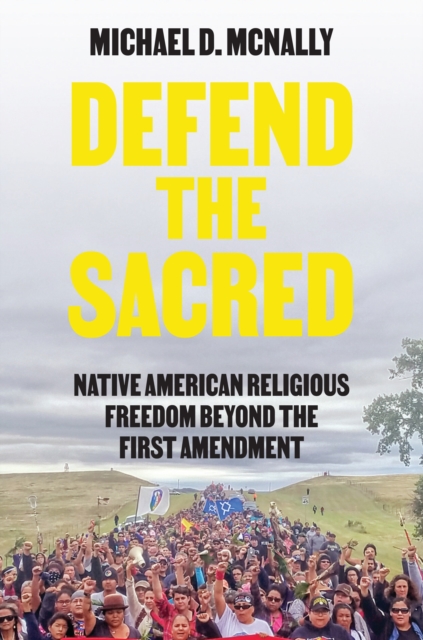
The remarkable story of the innovative legal strategies Native Americans have used to protect their religious rightsFrom North Dakota's Standing Rock encampments to Arizona's San Francisco Peaks, Native Americans have repeatedly asserted legal rights to religious freedom to protect their sacred places, practices, objects, knowledge, and ancestral remains.
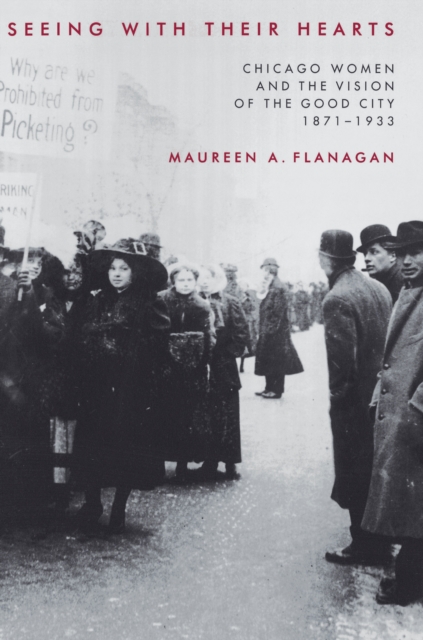
At the turn of the last century, as industrialists and workers made Chicago the hardworking City of Big Shoulders celebrated by Carl Sandburg, Chicago women articulated an alternative City of Homes in which the welfare of residents would be the municipal government's principal purpose.
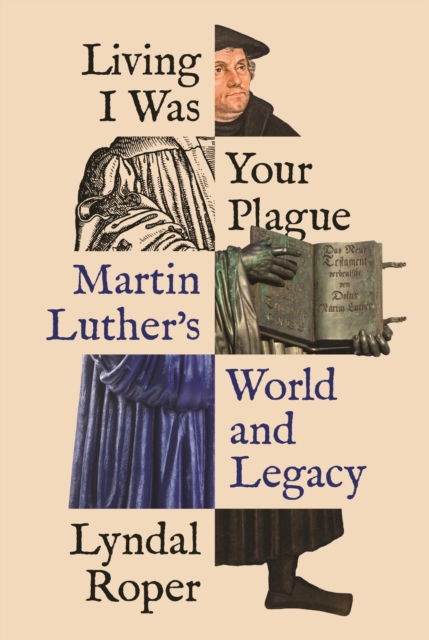
From the author of the acclaimed biography Martin Luther: Renegade and Prophet, new perspectives on how Luther and others crafted his larger-than-life imageMartin Luther was a controversial figure during his lifetime, eliciting strong emotions in friends and enemies alike, and his outsized persona has left an indelible mark on the world today.
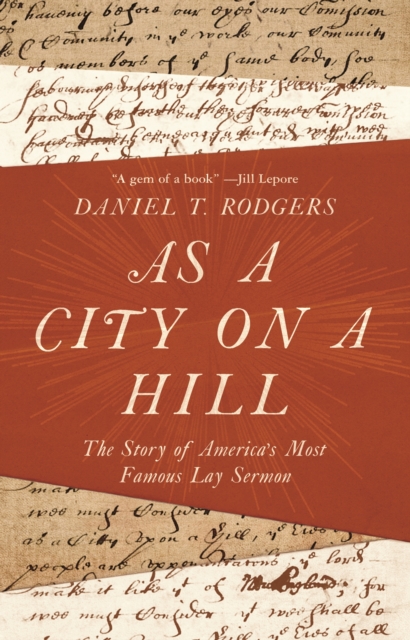
How an obscure Puritan sermon came to be seen as a founding document of American identity and exceptionalism"e;For we must consider that we shall be as a city upon a hill,"e; John Winthrop warned his fellow Puritans at New England's founding in 1630.
How nineteenth-century Protestant evangelicals used print and visual media to shape American cultureIn nineteenth-century America, "e;apocalypse"e; referred not to the end of the world but to sacred revelation, and "e;geography"e; meant both the physical landscape and its representation in printed maps, atlases, and pictures.
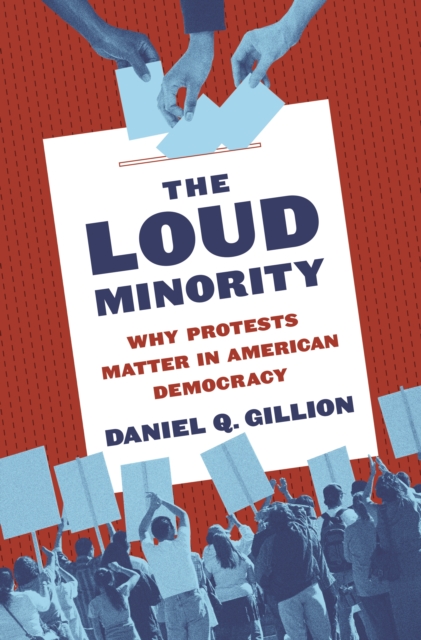
How political protests and activism influence voters and candidatesThe "e;silent majority"e;-a phrase coined by Richard Nixon in 1969 in response to Vietnam War protests and later used by Donald Trump as a campaign slogan-refers to the supposed wedge that exists between protestors in the street and the voters at home.
How poor urban youth in Chicago use social media to profit from portrayals of gang violence, and the questions this raises about poverty, opportunities, and public voyeurismAmid increasing hardship and limited employment options, poor urban youth are developing creative online strategies to make ends meet.
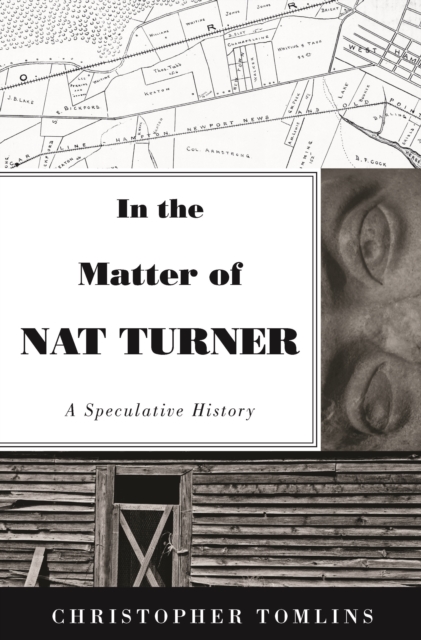
A bold new interpretation of Nat Turner and the slave rebellion that stunned the American SouthIn 1831 Virginia, Nat Turner led a band of Southampton County slaves in a rebellion that killed fifty-five whites, mostly women and children.
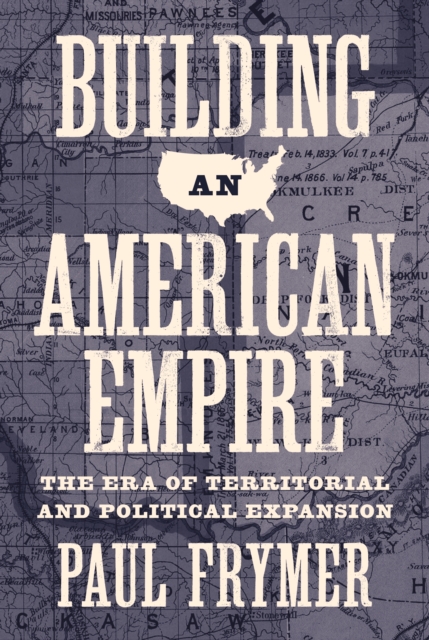
How American westward expansion was governmentally engineered to promote the formation of a white settler nationWestward expansion of the United States is most conventionally remembered for rugged individualism, geographic isolationism, and a fair amount of luck.
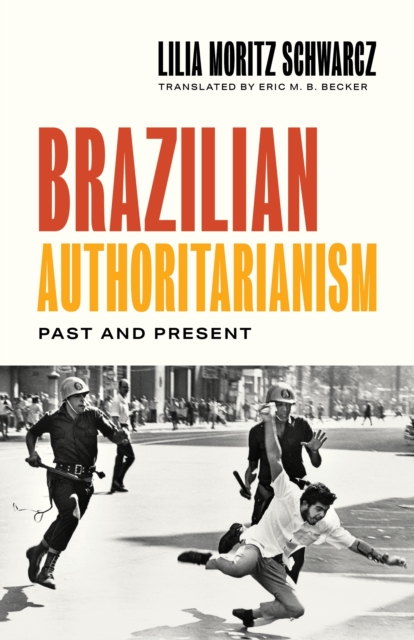
How Brazil's long history of racism and authoritarian politics has led to the country's present crises and epidemic of violenceBrazil has long nurtured a cherished national myth, one of a tolerant, peaceful, and racially harmonious society.
Scouting for Grant and Meade is comprised of the popular recollections of Judson Knight, former chief scout of the Army of the Potomac from August 1864 to June 1865.
In the years between the Revolutionary War and the drafting of the Constitution, American gentlemen-the merchants, lawyers, planters, and landowners who comprised the independent republic's elite-worked hard to maintain their positions of power.
The politics and policies that led to America's expansion of the penal system and reduction of welfare programsIn 1970s America, politicians began "e;getting tough"e; on drugs, crime, and welfare.
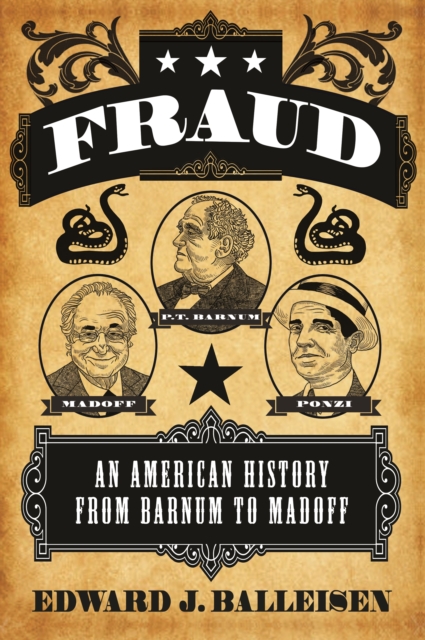
A comprehensive history of fraud in America, from the early nineteenth century to the subprime mortgage crisisThe United States has always proved an inviting home for boosters, sharp dealers, and outright swindlers.
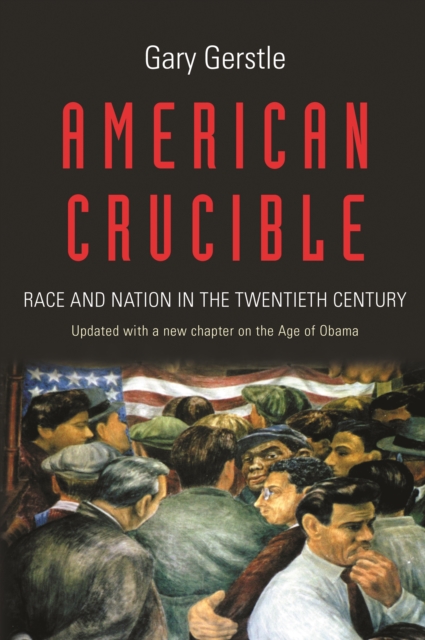
This sweeping history of twentieth-century America follows the changing and often conflicting ideas about the fundamental nature of American society: Is the United States a social melting pot, as our civic creed warrants, or is full citizenship somehow reserved for those who are white and of the "e;right"e; ancestry?
How diversity and difference strengthen democracy and increase prosperityIt is clear that in our society today, issues of diversity and social connectedness remain deeply unresolved and can lead to crisis and instability.