In this first comprehensive comparison of left-wing violence in the United States and West Germany, Jeremy Varon focuses on America's Weather Underground and Germany's Red Army Faction to consider how and why young, middle-class radicals in prosperous democratic societies turned to armed struggle in efforts to overthrow their states.
Food consumption is a significant and complex social activity-and what a society chooses to feed its children reveals much about its tastes and ideas regarding health.
How evangelical churches in the United States convert migrant distress into positive religious devotionWhy do migrants become more deeply evangelical in the United States and how does this religious identity alter their self-understanding?
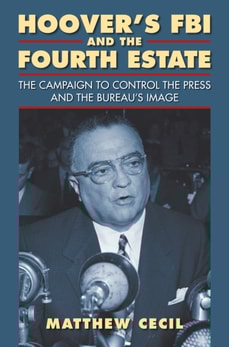
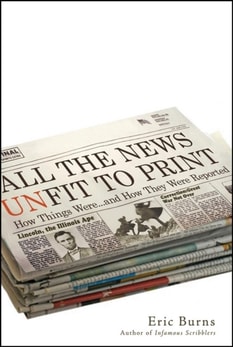
Winner: AEJMC Book AwardFinalist, Frank Luther Mott-Kappa Tau Alpha Research AwardThe Federal Bureau of Investigation was an agency devoted to American ideals, professionalism, and scientific methods, directed by a sage and selfless leaderand anyone who said otherwise was a no-good subversive, bent on discrediting the American way of life.
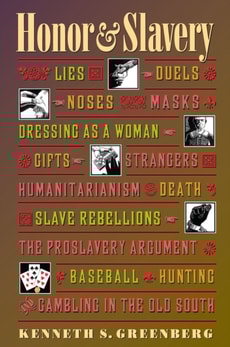
The "e;honorable men"e; who ruled the Old South had a language all their own, one comprised of many apparently outlandish features yet revealing much about the lives of masters and the nature of slavery.
Anita Whitney was a child of wealth and privilege who became a vocal leftist early in the twentieth century, supporting radical labor groups such as the Wobblies and helping to organize the Communist Labor Party.
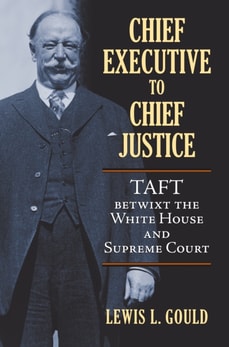
As our 27th president from 1909 to 1913, and then as chief justice of the Supreme Court from 1921 to 1930, William Howard Taft was the only man ever to lead two of Americas three governing branches.
The surprising story of how George Washington, Alexander Hamilton, John Adams, and Thomas Jefferson came to despair for the future of the nation they had createdAmericans seldom deify their Founding Fathers any longer, but they do still tend to venerate the Constitution and the republican government that the founders created.
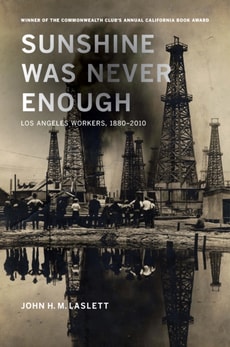
Delving beneath Southern California's popular image as a sunny frontier of leisure and ease, this book tells the dynamic story of the life and labor of Los Angeles's large working class.
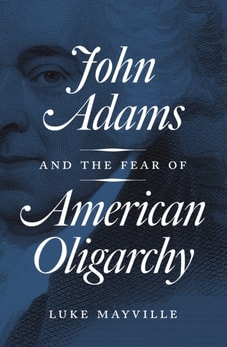
Why American founding father John Adams feared the political power of the rich-and how his ideas illuminate today's debates about inequality and its consequencesLong before the "e;one percent"e; became a protest slogan, American founding father John Adams feared the power of a class he called simply "e;the few"e;-the wellborn, the beautiful, and especially the rich.
The surprising similarities in the rise and fall of the Sunni Islamic and Roman Catholic empires in the face of the modern stateCoping with Defeat presents a historical panorama of the Islamic and Catholic political-religious empires and exposes striking parallels in their relationship with the modern state.
A compact, authoritative guide for freshwater fishing trips From one of the most respected names in the world of sportfishing comes the definitive, full-color guide to 140 of the most common freshwater fish species found in North American rivers, lakes, and streams.
From The Louisiana Purchase Like many other major events in world history, the Louisiana Purchase is a fascinating mix of destiny and individual energy and creativity.
AFRICAN AMERICAN HISTORY COMES TO LIFE Discover why young people all over the country are reading the Black Stars biographies of African American heroes.
Serve up a heaping lesson of history with delicious recipes from our nation's past-- from the pilgrims' first feast to today's high-tech, low-fat fare Who knew history could be so delicious?
AFRICAN AMERICAN HISTORY COMES TO LIFE Discover why young people all over the country are reading the Black Stars biographies of African American heroes.
A stirring tale of adventure and tragedy "e;They brought balls of spun cotton and parrots and javelins and other little things that it would be tiresome to write down, and they gave everything for anything that was given to them.
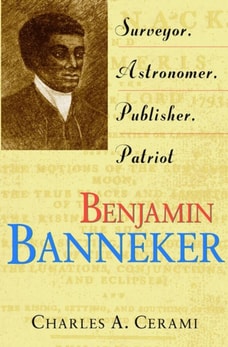
The first biography of a major figure in early US and African American historyA household name and unparalleled hero revered in every African American household, Benjamin Banneker was a completely self-taught mathematical genius who achieved professional status in astronomy, navigation, and engineering.
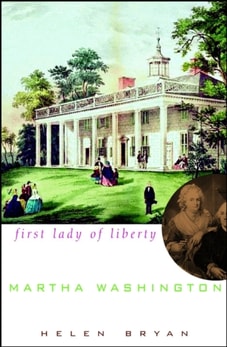
"e;A contempary anecdote not only confirms that Martha commanded respect in her own right during her lifetime, but also suggests an awkward truth later historians have preferred to ignore-that without Martha and her fortune, George might never have risen to social, military, and political prominence.
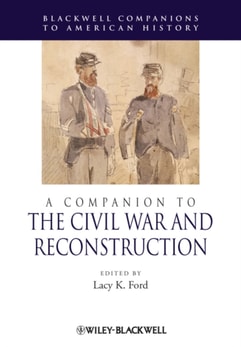
A Companion to the Civil War and Reconstruction addresses the key topics and themes of the Civil War era, with 23 original essays by top scholars in the field.
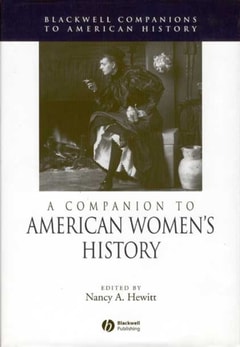
This collection of twenty-four original essays by leading scholars in American women's history highlights the most recent important scholarship on the key debates and future directions of this popular and contemporary field.
A Companion to 20th-Century America is an authoritative survey of the most important topics and themes of twentieth-century American history and historiography.
A Companion to Colonial America consists of twenty-three original essays by expert historians on the key issues and topics in American colonial history.
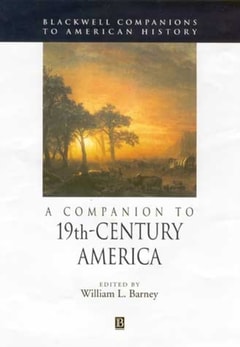
A Companion to 19th-Century America is an authoritative overview of current historiographical developments and major themes in the history of nineteenth-century America.
There is an extraordinary range of material in this anthology, from Lincoln s Gettysburg address to a contemporary account of a visit from the Ku Klux Klan.
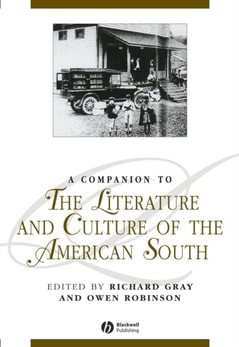
From slave narratives to the Civil War, and from country music to Southern sport, this Companion is the definitive guide to the literature and culture of the American South.
Slavery and Emancipation is a comprehensive collection of primary and secondary readings on the history of slaveholding in the American South combining recent historical research with period documents.
Perspectives on Las Am ricas: A Reader in Culture, History, and Representation charts new territory by demonstrating the limits of neatly demarcating the regions of Latin America and the United States .
Acclaimed national security columnist and noted cultural critic Fred Kaplan looks past the 1960s to the year that really changed America While conventional accounts focus on the sixties as the era of pivotal change that swept the nation, Fred Kaplan argues that it was 1959 that ushered in the wave of tremendous cultural, political, and scientific shifts that would play out in the decades that followed.
A beautifully written history of high society in Newport, Rhode Island, from the acclaimed author of Party of the Century Newport is the legendary and beautiful home of American aristocracy and the sheltered super-rich.
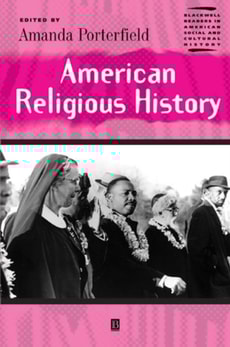
In this outstanding historical reader, the editor has gathered nine essays and over thirty primary documents to present a coherent picture of the history of American religion.
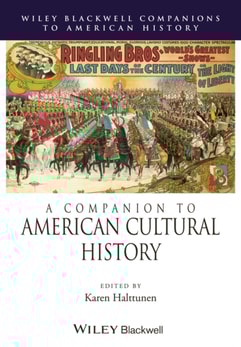
A Companion to American Cultural History offers a historiographic overview of the scholarship, with special attention to the major studies and debates that have shaped the field, and an assessment of where it is currently headed.