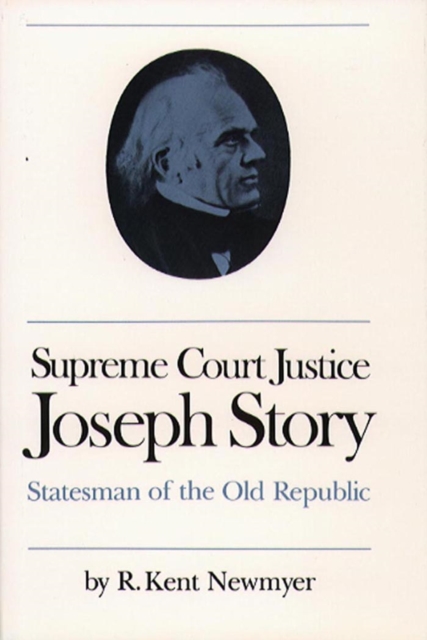
The primary founder and guiding spirit of the Harvard Law School and the most prolific publicist of the nineteenth century, Story served as a member of the U.
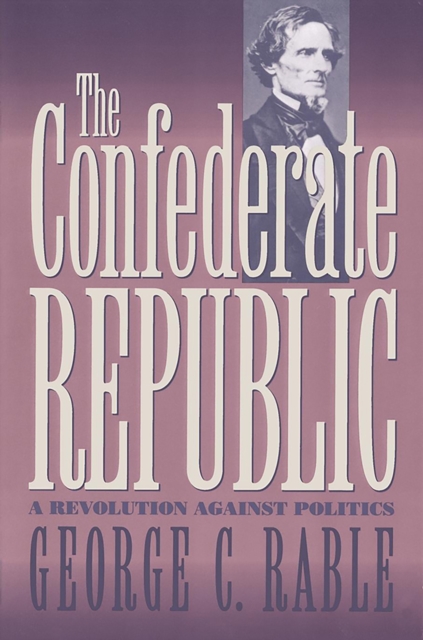
Although much has been written about the ways in which Confederate politics affected the course of the Civil War, George Rable is the first historian to investigate Confederate political culture in its own right.
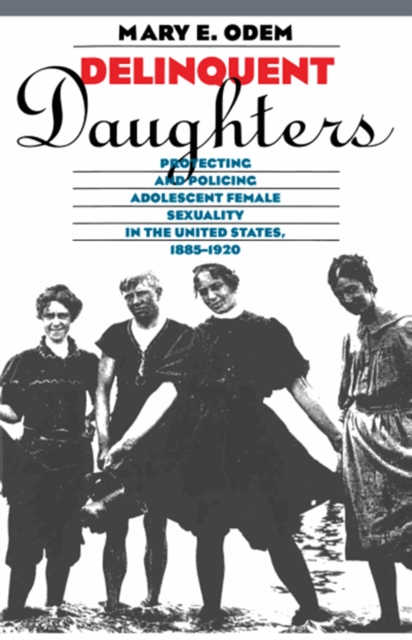
Delinquent Daughters explores the gender, class, and racial tensions that fueled campaigns to control female sexuality in late nineteenth- and early twentieth-century America.
This sweeping study surveys nearly a century of diverse American views on the relationship between the United States and the Canadian provinces, filling out a neglected chapter in the history of aggressive U.
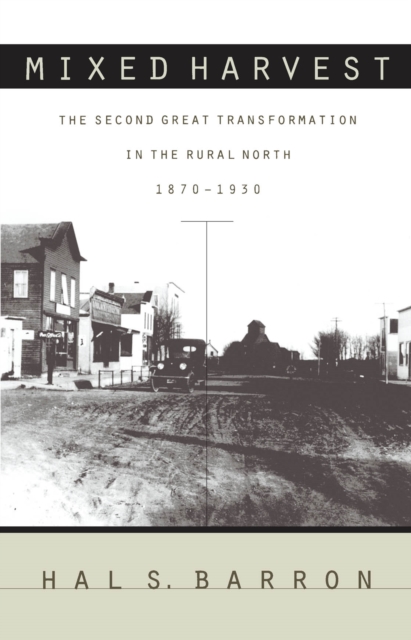
Mixed Harvest explores rural responses to the transformation of the northern United States from an agricultural society into an urban and industrial one.
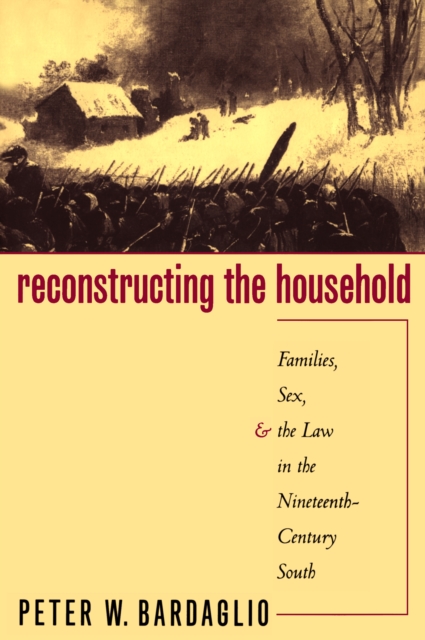
In Reconstructing the Household, Peter Bardaglio examines the connections between race, gender, sexuality, and the law in the nineteenth-century South.
This volume contains a parade of exciting events written in a lively, readable style, with the purpose of pleasantly instructing the intermediate-grade student in North Carolina history.
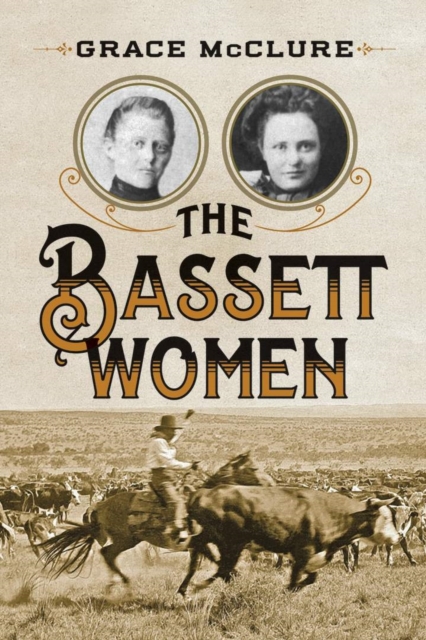
In the late nineteenth century, Brown's Park, a secluded valley astride the Utah-Colorado border, was a troubled land of deadly conflict among cattle barons, outlaws, rustlers, and small ranchers.
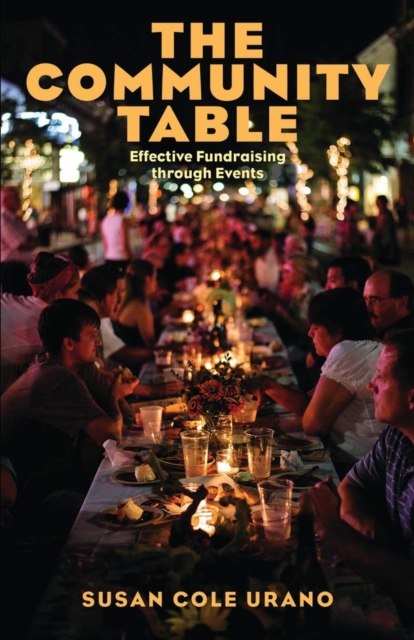
In resource-challenged Athens County, Ohio, staff and volunteers at the nonprofit Athens County Foundation came up with a daring idea: to host a locally sourced, gourmet dinner for four hundred people.
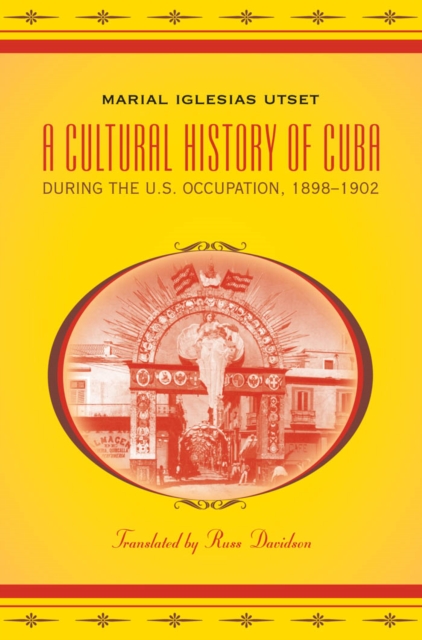
In this cultural history of Cuba during the United States' brief but influential occupation from 1898 to 1902 a key transitional period following the Spanish-American War Marial Iglesias Utset sheds light on the complex set of pressures that guided the formation and production of a burgeoning Cuban nationalism.
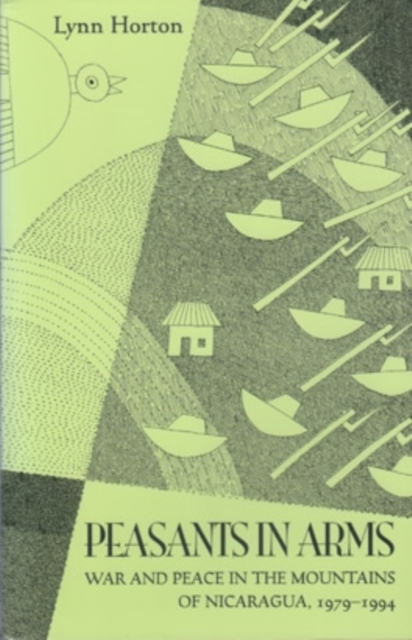
Drawing on testimonies from contra collaborators and ex-combatants, as well as pro-Sandinista peasants, this book presents a dynamic account of the growing divisions between peasants from the area of Quilali who took up arms in defense of revolutionary programs and ideals such as land reform and equality and those who opposed the FSLN.
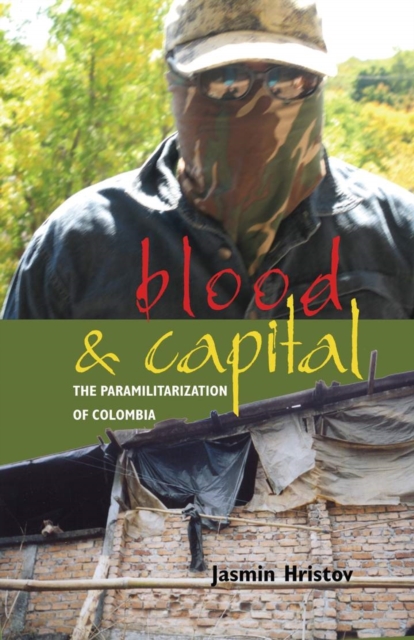
In Blood and Capital: The Paramilitarization of Colombia, Jasmin Hristov examines the complexities, dynamics, and contradictions of present-day armed conflict in Colombia.
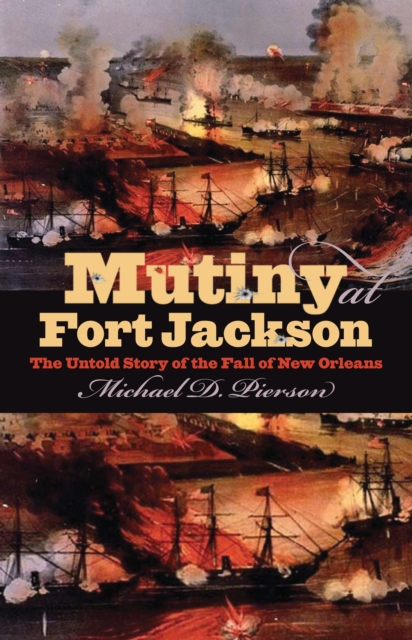
New Orleans was the largest city and one of the richest in the Confederacy, protected in part by Fort Jackson, which was just sixty-five miles down the Mississippi River.
In Blood and Capital: The Paramilitarization of Colombia, Jasmin Hristov examines the complexities, dynamics, and contradictions of present-day armed conflict in Colombia.
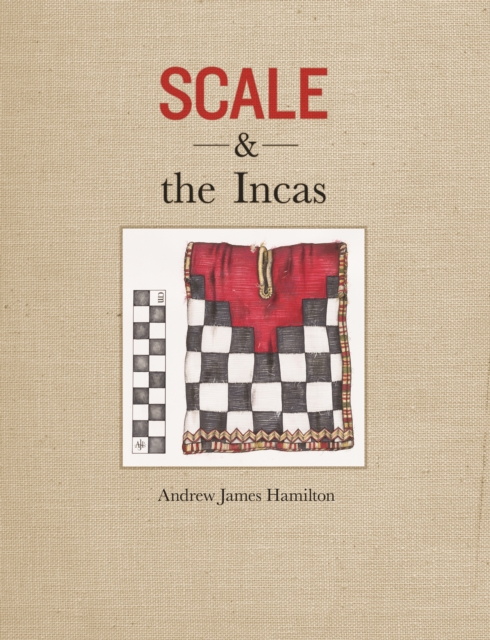
A groundbreaking work on how the topic of scale provides an entirely new understanding of Inca material cultureAlthough questions of form and style are fundamental to art history, the issue of scale has been surprisingly neglected.
A definitive scholarly edition of the correspondence and papers of Thomas JeffersonCongress adjourns early in March, and Jefferson goes home to Monticello for a month.
In this comparative survey of guerrilla movements in Latin America, Timothy Wickham-Crowley explores the origins and outcomes of rural insurgencies in nearly a dozen cases since 1956.
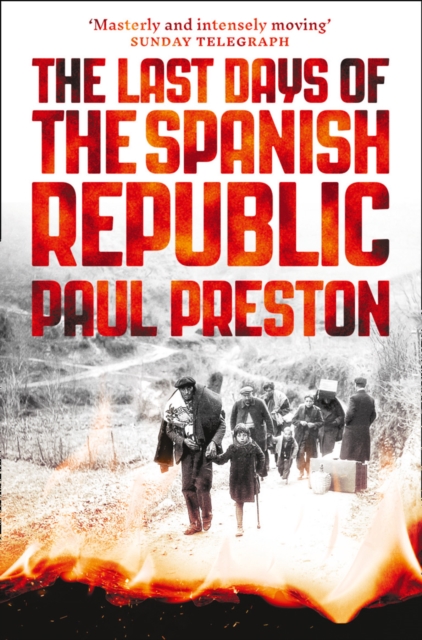
Told for the first time in English, Paul Preston's new book tells the story of a preventable tragedy that cost many thousands of lives and ruined tens of thousands more at the end of the Spanish Civil War.
Since Americans have long taken price in universal suffrage and the secret ballot as foundations of democracy, it is surprising that one of its growth and reform.
After victorious federal troops swept through southern Louisiana in 1862, the state became the testing ground for Abraham Lincoln's approach to reconstruction, and thus the focal point for the debate over post-war policy in Washington.
Representing new approaches to the study of the family and historical demography, this collection of essays analyzes the relationships of demographic processes in different population groups to household structure and family organization, and their implications for family behavior.
As French ambassador to the United States from July 1860 through December 1863, Henri Mercier was in an excellent position to observe, report, and influence the events of those crucial years.